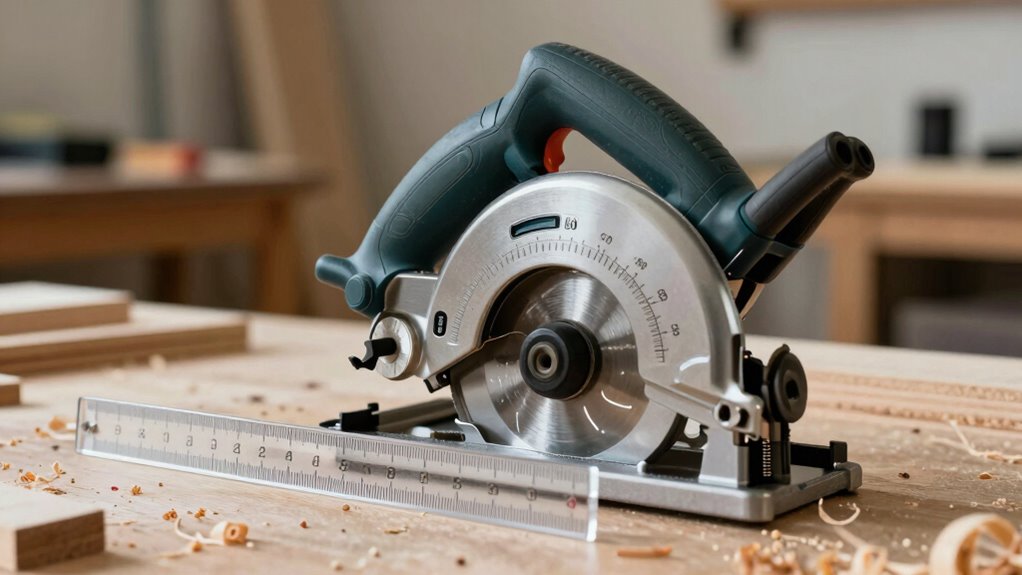

When choosing a miter saw, it’s important to know the sizes available, which range from 8 to 12 inches. Smaller 8-inch models work well for tight spaces and small projects, while larger 12-inch saws handle bigger materials and provide more versatility. Think about your project’s needs and the materials you’ll work with to guarantee precision and efficiency. Want to discover more tips and insights to help you select the best miter saw for your needs?
Listen free for 30 days with Audible
Thousands of audiobooks and originals — cancel anytime.
As an affiliate, we earn on qualifying purchases.
Key Takeaways
- Miter saw sizes range from 8 to 12 inches, with smaller saws suited for compact projects and larger saws for bigger materials.
- Consider the type of miter saw, such as compound or sliding, based on your project’s complexity and cutting needs.
- Assess the materials you’ll be cutting; hardwood may require more power and a different blade than softwood or molding.
- Portability is crucial for mobile work; smaller saws are easier to transport and fit in tight spaces.
- Ensure the miter saw features, like adjustable angles and safety mechanisms, align with your specific project requirements for optimal performance.
As an affiliate, we earn on qualifying purchases.
Understanding Miter Saw Sizes: An Overview
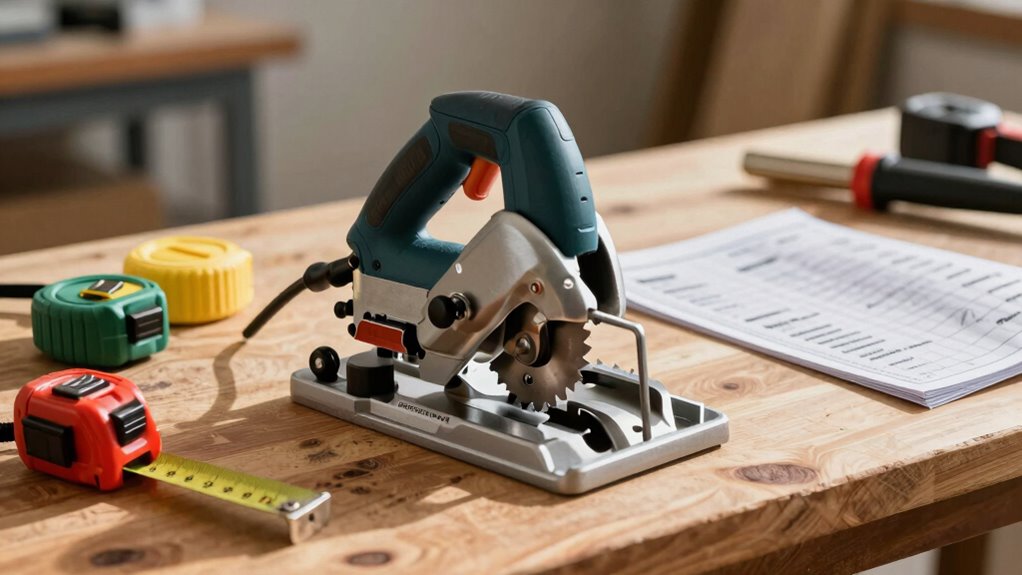
When choosing a miter saw, understanding its size is crucial for getting the right tool for your projects. Miter saw sizes typically range from 8 to 12 inches, which affects their cutting capacity and precision. Smaller miter saw types, like the 8-inch, are great for smaller projects and tight spaces, while larger models, like the 12-inch, handle bigger materials and provide more versatility. Knowing the size helps you determine the best fit for your miter saw applications, whether you’re making crown moldings, crosscuts, or bevel cuts. Be mindful of the space you have and the specific tasks you’ll tackle. Choosing the right size guarantees you’ll achieve clean, accurate cuts every time.
As an affiliate, we earn on qualifying purchases.
How to Pick the Perfect Miter Saw for Your Projects?

Choosing the right miter saw for your projects involves considering several factors beyond just size. First, think about the miter saw types available—compound, sliding, or dual-bevel. Each type serves different project requirements. If you’re tackling intricate cuts or wider boards, a sliding miter saw might be best. For basic framing, a standard compound saw could suffice. Next, assess the materials you’ll be working with. Hardwood, softwood, or molding can dictate the saw’s power and blade type. Don’t forget to factor in portability if you’ll be moving your saw frequently. By aligning the saw’s features with your unique project requirements, you’ll guarantee you pick the perfect miter saw for peak efficiency and results.
compound miter saw for woodworking
As an affiliate, we earn on qualifying purchases.
As an affiliate, we earn on qualifying purchases.
Benefits of Various Miter Saw Sizes
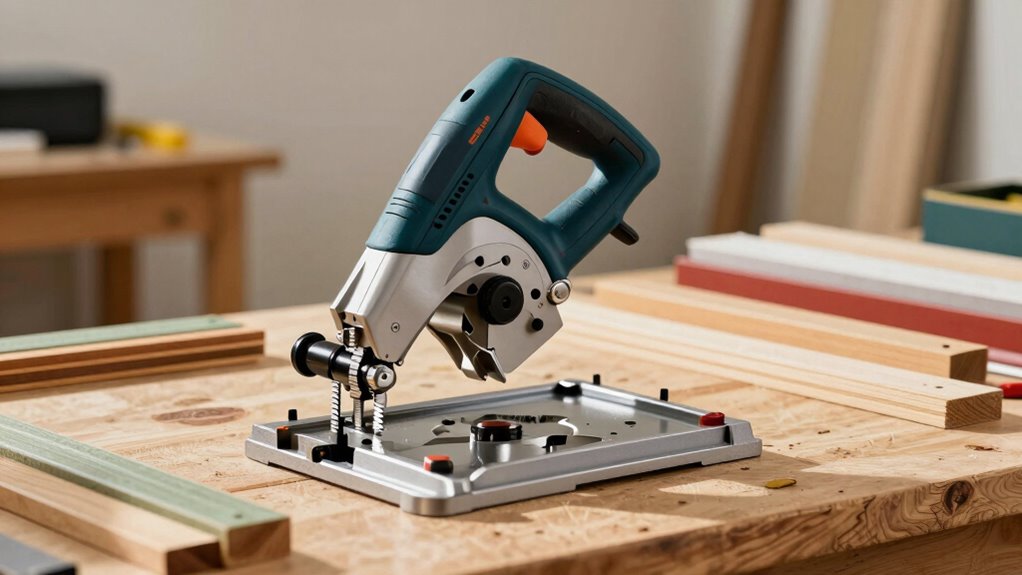
Understanding the benefits of various miter saw sizes can greatly enhance your woodworking experience. Portable miter saws are perfect for those who need flexibility and mobility. They’re lightweight, easy to transport, and ideal for smaller projects or tight spaces. Their compact design doesn’t compromise on performance, allowing you to make precise cuts wherever you go.
On the other hand, large miter saws offer significant advantages for bigger projects. They provide wider cutting capacities and can handle thicker materials with ease. If you’re working on extensive trim work or large boards, a large miter saw can save you time and effort, delivering clean, accurate cuts. Choosing the right size for your needs can elevate your craftsmanship and efficiency.
portable miter saw for small projects
As an affiliate, we earn on qualifying purchases.
As an affiliate, we earn on qualifying purchases.
Essential Features of Miter Saws to Consider
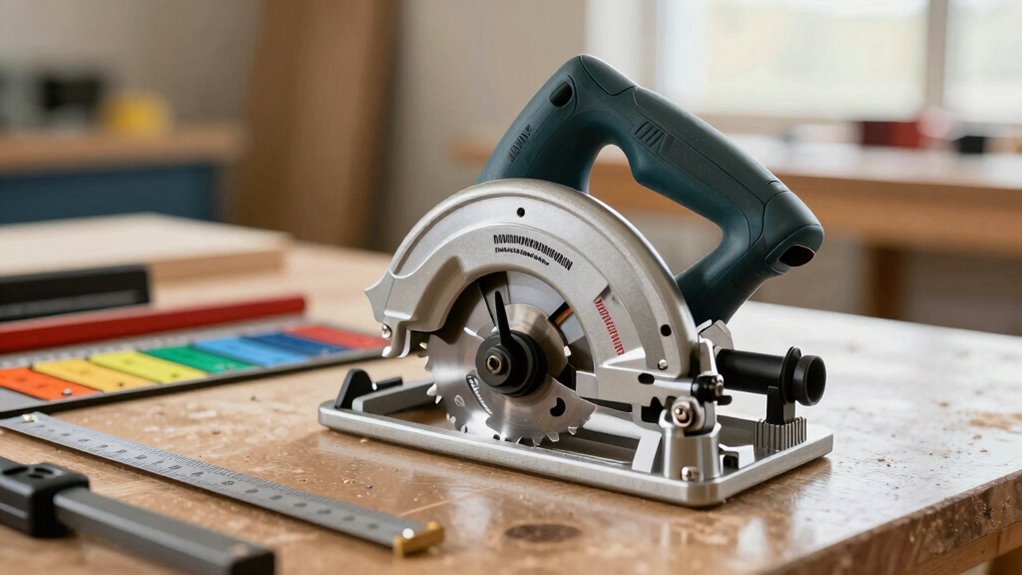
Miter saws come with a variety of essential features that can greatly influence your cutting experience. When choosing among different miter saw types, consider the power, blade size, and cutting capacity. A robust motor guarantees efficient cuts, while larger blades can handle thicker materials. Additionally, look for adjustable bevel and miter angles for versatility in your projects.
Safety features are vital; confirm your saw has blade guards, electric brakes, and safety switches to prevent accidents. A sturdy base and laser guides can also improve accuracy and stability. By evaluating these essential features, you’ll find the right miter saw that not only meets your needs but also enhances your safety while working.
Compound vs. Sliding Miter Saws: Which Is Better?
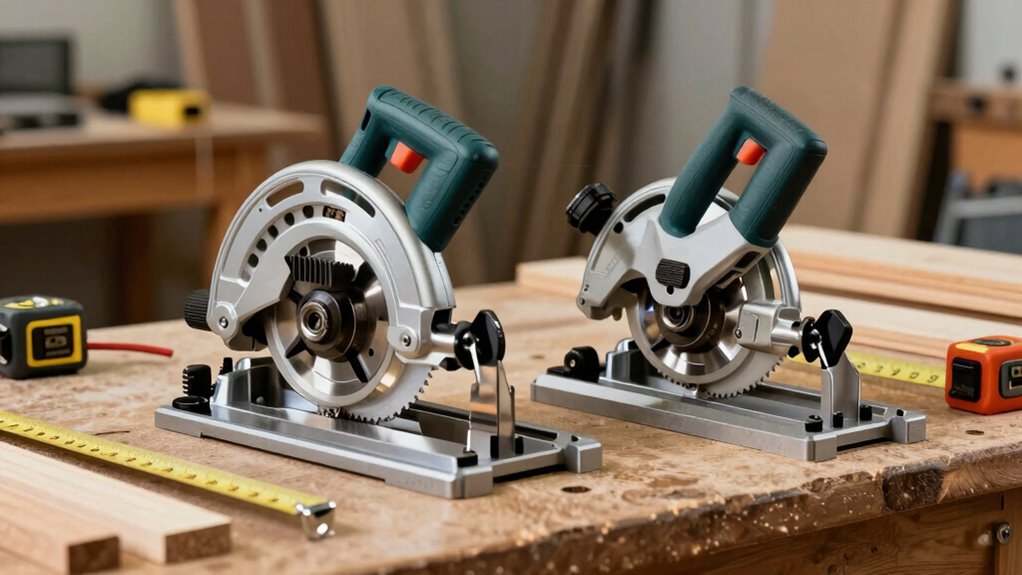
When you’re deciding between compound and sliding miter saws, it’s important to take into account how each type meets your specific cutting needs. Compound miter saws offer compound advantages, like the ability to make angled cuts and bevels, which is great for crown molding and other detailed projects. They’re typically more compact and easier to transport, making them ideal for smaller workshops. On the other hand, sliding miter saws allow you to cut wider boards due to their sliding feature, but they come with sliding drawbacks. They tend to be bulkier and more expensive, plus they require more space. Ultimately, your choice should depend on the types of projects you plan to tackle and the space available in your workshop.
Maintenance Tips for Prolonging Your Miter Saw’s Life
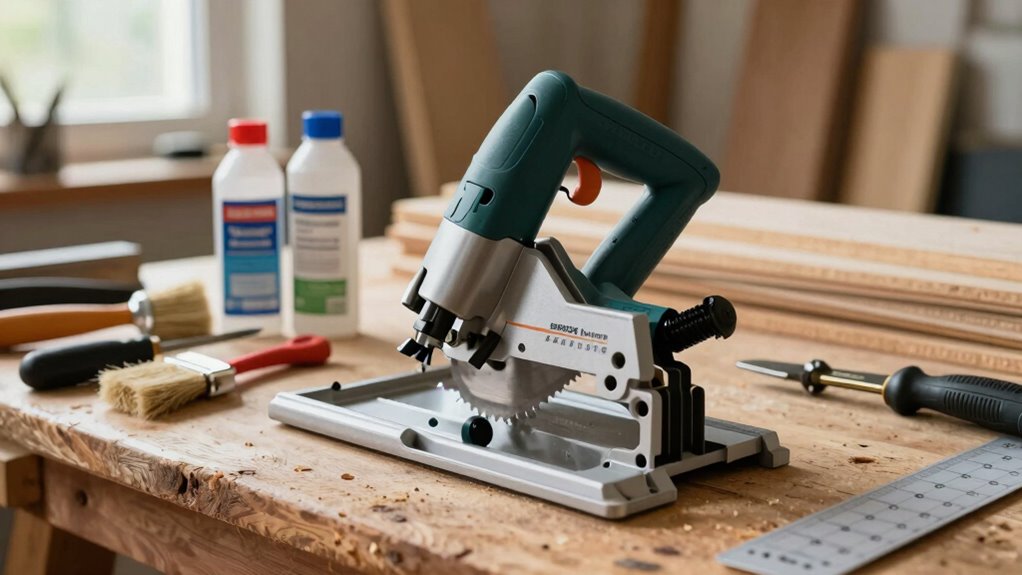
To keep your miter saw running smoothly, regular blade maintenance is essential. You should also make it a habit to keep your saw clean and implement proper storage practices when it’s not in use. These simple steps can greatly extend your tool’s lifespan and improve performance.
Regular Blade Maintenance
Proper blade maintenance is essential for keeping your miter saw in top shape and guaranteeing clean, accurate cuts. Regularly check the blade for dullness and perform blade sharpening as needed to maintain efficiency. Additionally, don’t forget about dust removal; excess debris can affect performance and accuracy. Here’s a quick maintenance schedule to help you remember:
| Maintenance Task | Frequency | Notes |
|---|---|---|
| Inspect Blade | Before each use | Look for damage |
| Sharpen Blade | Every 10 cuts | Use proper tools |
| Clean Blades | Weekly | Remove resin |
| Check Alignment | Monthly | Guarantee precision |
| Replace Blade | As needed | When worn out |
Keep It Clean
Maintaining a clean miter saw is just as important as regular blade care. Dust and debris can accumulate quickly, affecting performance and accuracy. After each use, take a moment to wipe down your miter saw with a soft cloth to remove sawdust and grime. Pay special attention to the base and the cutting area, where particles tend to gather.
Also, keep your work area tidy. A clutter-free space not only enhances safety but also prevents dirt from contaminating your tools. Periodically, check for any buildup in the motor vents and clean them out gently. Remember, a well-maintained miter saw will last longer and deliver better results, so don’t skip this essential step in your routine!
Proper Storage Practices
Storing your miter saw correctly can greatly extend its lifespan and maintain its performance. Always choose a dry, clean location for safe storage, avoiding damp areas that could lead to rust or damage. Use a dedicated storage case or stand to keep your saw protected from dust and debris. When not in use, make sure the saw is unplugged and the blade is covered to prevent accidents.
For ideal miter organization, keep your blades sharp and store them separately in a labeled container to avoid mix-ups. Regularly inspect your storage area for any potential hazards. By following these practices, you’ll not only protect your investment but also make sure your miter saw is always ready for your next project.
Frequently Asked Questions
What Size Miter Saw Is Best for Beginners?
For beginners, a 10-inch miter saw is often the best choice. It’s versatile enough for most projects and easy to handle. Look for saw features like a laser guide for accuracy and a sturdy base for stability. Beginner tips include starting with simple cuts and practicing on scrap wood. With the right size and features, you’ll gain confidence in your skills and tackle more complex projects down the line.
Can I Use a Miter Saw for Cutting Metal?
Yes, you can use a miter saw for cutting metal, but you’ll need the right miter saw blades designed specifically for metal cutting techniques. Standard wood blades won’t work well and can be dangerous. Look for carbide-tipped blades that can handle the toughness of metal. Make sure to secure the metal piece properly and wear safety gear. With the right setup, you can achieve clean, precise cuts every time.
Do I Need a Stand for My Miter Saw?
You don’t necessarily need a stand for your miter saw, but it sure has its benefits. Using miter saw stands enhances stability and support, making your cuts more accurate. They also elevate your saw to a comfortable height, reducing strain during long projects. Plus, many stands come with extensions, allowing for longer workpieces. If you’re serious about your woodworking or construction tasks, investing in a good stand can truly improve your efficiency.
How Much Do Miter Saws Typically Weigh?
Miter saw weights typically range from 30 to 70 pounds, depending on the model and features. If you’re looking for portable options, you’ll find lighter models that can easily be transported to job sites. Just keep in mind that while lighter saws are easier to move, they might sacrifice some stability and cutting power. Consider what’s most important for your projects when choosing the right miter saw weight for your needs.
Are There Portable Miter Saw Options Available?
When it comes to miter saws, you’ve got plenty of fish in the sea. Yes, there are portable models available that make your projects a breeze. Many of these options come with battery features, allowing you to work without being tethered to an outlet. Whether you’re on a job site or tackling a DIY project at home, these portable miter saws can help you cut with precision wherever you need.
Conclusion
To summarize, choosing the right miter saw size can make all the difference in your woodworking projects. Did you know that 80% of DIYers prefer a compound miter saw for its versatility? Whether you’re tackling crown molding or simple cuts, understanding your needs will help you pick the perfect tool. By considering the essential features and maintenance tips we’ve discussed, you can guarantee your miter saw performs at its best for years to come. Happy cutting!
Flea & tick season Picks
flea and tick prevention
As an affiliate, we earn on qualifying purchases.