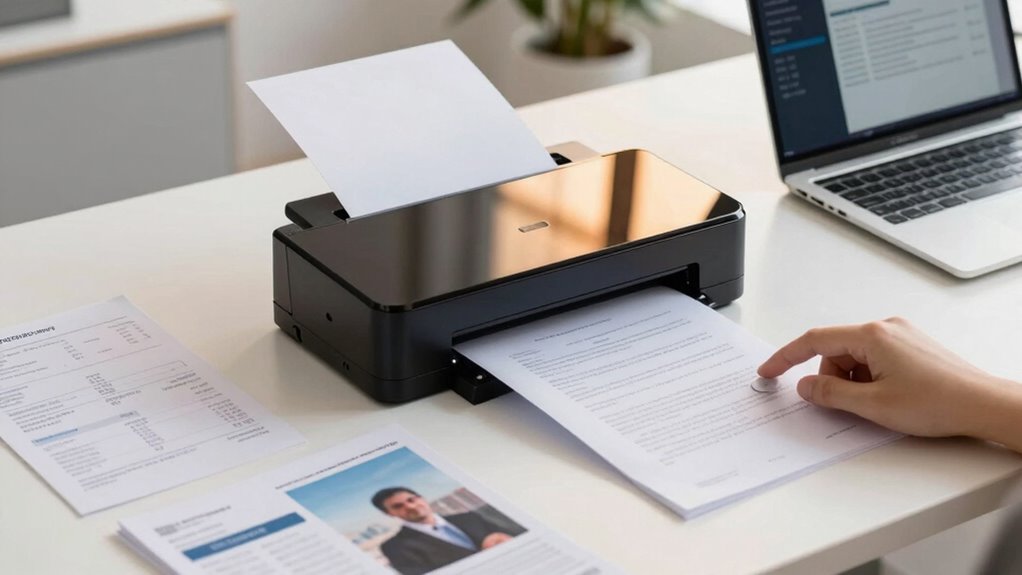

To choose a document scanner, start by identifying your needs, whether it’s for archiving or receipts. Know the types available, like flatbed or sheet-fed, and look for key features such as scanning resolution and speed. Set a realistic budget based on what you need. Don’t forget to check user reviews to gauge performance. Consider necessary accessories and software. With these guidelines, you’ll be well on your way to finding the perfect scanner for your tasks.
Key Takeaways
- Identify your scanning needs, such as document types and frequency of use, to determine the right scanner type.
- Compare scanning resolutions to ensure the scanner meets your quality requirements for text and images.
- Evaluate the speed and performance metrics, especially for multi-page documents, to enhance productivity.
- Check connectivity options like USB and wireless to ensure compatibility with your existing devices and workflow.
- Set a budget based on desired features and compare models accordingly to make an informed decision.
high resolution document scanner
As an affiliate, we earn on qualifying purchases.
As an affiliate, we earn on qualifying purchases.
Identify Your Primary Needs for a Document Scanner
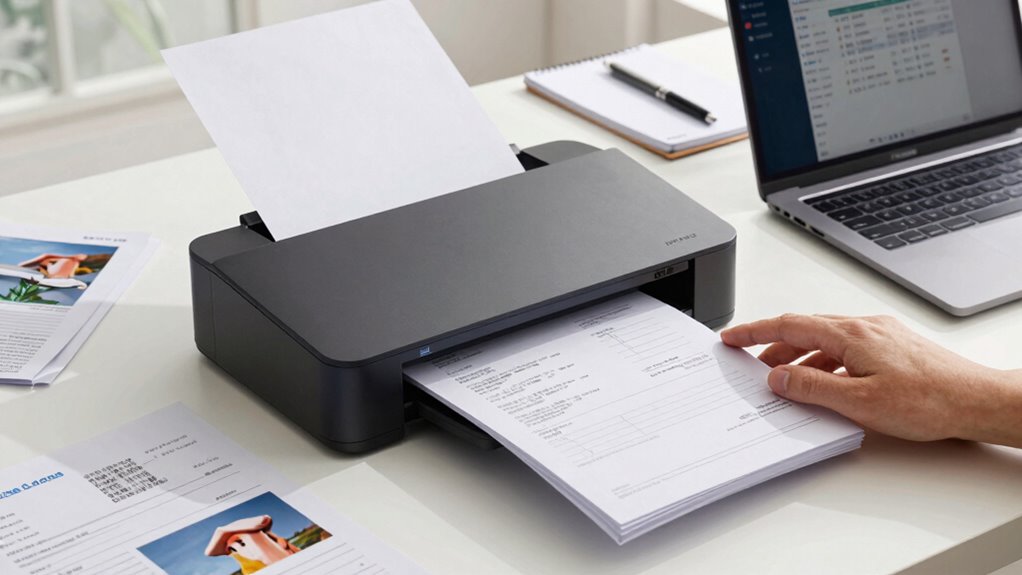
What do you really need from a document scanner? Start by considering your usage scenarios. Are you scanning stacks of paper for archiving, or maybe you need to digitize receipts and business cards? Different document types require different features. If you’re dealing with multi-page contracts, an automatic document feeder (ADF) is essential. For fragile or oversized documents, a scanner with flatbed capabilities will be beneficial. Think about the quality you need too—do you require high-resolution scans for detailed images, or is standard quality sufficient for text? Identifying these primary needs will help narrow down your options, ensuring you choose a scanner that fits your specific requirements and enhances your productivity.
automatic document feeder scanner
As an affiliate, we earn on qualifying purchases.
As an affiliate, we earn on qualifying purchases.
Understand the Different Types of Document Scanners

When you’re ready to choose a document scanner, it’s important to know the different types available. Flatbed scanners are great for versatile scanning, while sheet-fed scanners offer speed for multiple pages. Portable scanners add convenience for on-the-go use, so consider what fits your needs best.
Flatbed Scanners Explained
Flatbed scanners are a popular choice for anyone needing to digitize documents, photos, or books with precision. They offer several advantages, making them ideal for detailed work. However, they come with some limitations you should consider.
- Advantages:
- Excellent image quality, capturing fine details.
- Versatile, handling various media sizes and types.
- User-friendly, allowing for easy scanning of fragile materials.
- Limitations:
- Typically slower than other scanner types.
- Larger footprint, requiring more desk space.
- Generally more expensive than sheet-fed options.
Understanding these factors will help you decide if a flatbed scanner meets your specific needs. With the right choice, you can easily digitize and preserve your important documents and memories.
Sheet-Fed Scanners Overview
If you need a faster and more efficient way to digitize documents, sheet-fed scanners might be exactly what you’re looking for. These devices quickly process multiple pages by automatically feeding sheets through the scanner, which is a significant sheet fed advantage for busy offices. You’ll save time and streamline your workflow, especially when handling large volumes of paperwork. However, be aware of sheet fed limitations. They can struggle with thicker documents or non-standard sizes, and may not handle delicate materials as gently as flatbed scanners. Overall, sheet-fed scanners are ideal for standard documents, so consider your specific needs before making a purchase. Understanding these pros and cons will help you choose the right scanner for your workflow.
Portable Scanners Benefits
While sheet-fed scanners are great for high-volume tasks, portable scanners offer unique benefits that cater to those on the go. These devices provide significant portability advantages, making them ideal for professionals who frequently travel. You’ll appreciate the travel convenience they bring, allowing you to scan documents anytime, anywhere. Additionally, portable scanners often incorporate filtration/suction basics that help ensure clear and accurate scans, especially in less-than-ideal environments.
Here are a few key benefits of portable scanners:
- Lightweight Design: Easy to carry in your bag without adding extra bulk.
- Battery Operated: Use them without needing an electrical outlet, perfect for remote work.
- Versatile Scanning Options: Scan receipts, business cards, and documents with ease.
With these features, a portable scanner can be an invaluable tool for your busy lifestyle.
As an affiliate, we earn on qualifying purchases.
Key Features to Look For in a Scanner
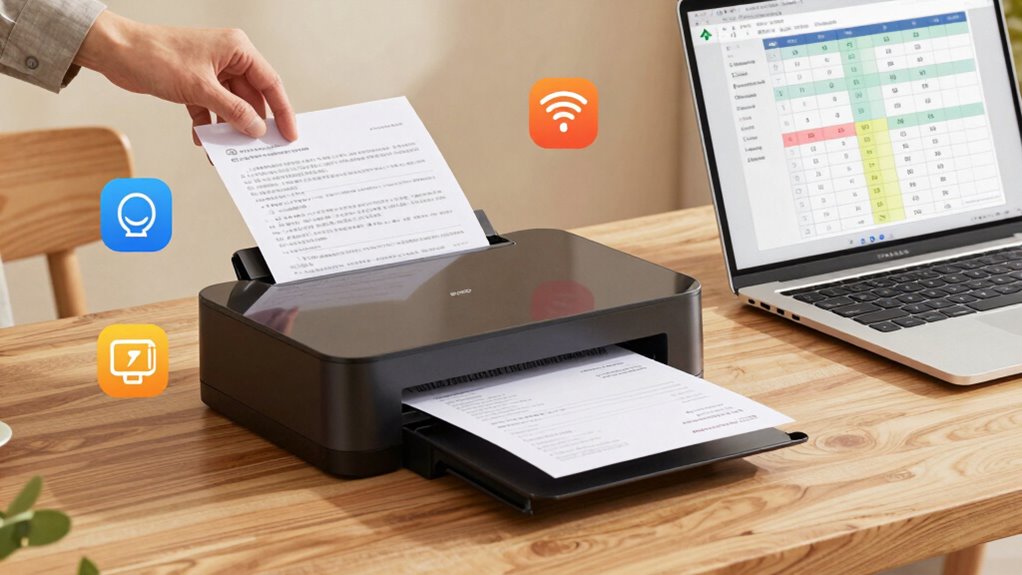
When choosing a scanner, you’ll want to think about key features that meet your needs. Look closely at scanning resolution, speed, and connectivity options to guarantee ideal performance. These elements can greatly impact your scanning experience and efficiency.
Scanning Resolution Requirements
Choosing the right scanning resolution is essential for achieving high-quality digital documents. A higher resolution enhances scanning quality and guarantees better image clarity, which is especially important for text-heavy documents or intricate graphics. When selecting a scanner, consider the following resolution factors:
- 300 DPI: Ideal for standard text documents and everyday use.
- 600 DPI: Recommended for detailed images, photos, or important documents requiring precision.
- 1200 DPI or higher: Best for archiving or professional scans of artwork and photographs.
Speed and Performance Metrics
After determining the right scanning resolution for your needs, it’s time to focus on speed and performance metrics, which play a significant role in your scanning experience. Look for a scanner’s scan speed, typically measured in pages per minute (PPM). A higher PPM means quicker scanning, which can save you time in a busy work environment. Performance benchmarks are essential, too; they help you compare different models and understand how well they perform under various conditions. Consider how the scanner handles multi-page documents, as this can greatly affect your efficiency. Ultimately, by prioritizing speed and performance metrics, you’re ensuring that your scanner meets your productivity needs without compromising on quality.
Connectivity Options Available
While you’re selecting a document scanner, don’t overlook the importance of connectivity options. The right connections can streamline your workflow and enhance your scanning experience. Here are key options to take into account:
- Wireless connectivity: This allows you to scan directly to your devices without the hassle of cables, making it convenient for mobile use.
- USB options: A USB connection provides a reliable and straightforward way to connect to your computer, guaranteeing fast data transfer.
- Cloud integration: Some scanners offer direct cloud access, letting you save and share documents instantly.
Choosing the right connectivity options guarantees your scanner fits seamlessly into your existing setup, making your document management more efficient and effective.
flatbed scanner for photos and documents
As an affiliate, we earn on qualifying purchases.
As an affiliate, we earn on qualifying purchases.
Set a Realistic Budget for Your Scanner
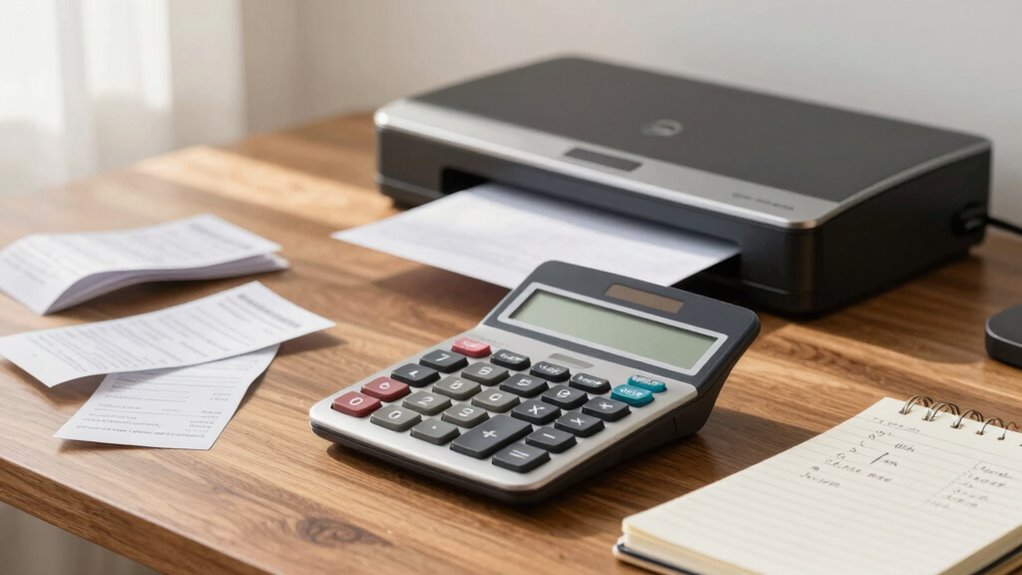
When setting a budget for your document scanner, it is crucial to take into account how much you’re willing to invest. Your budget considerations will guide you toward the right model that fits your needs without overspending. To help you with price comparisons, here’s a quick overview of typical price ranges for document scanners:
| Price Range | Features |
|---|---|
| $50 – $150 | Basic features, low volume |
| $150 – $300 | Medium features, moderate volume |
| $300 – $500 | Advanced features, high volume |
| $500 – $1000 | Professional features, high speed |
| $1000+ | Enterprise-level, extensive features |
How to Compare Document Scanners for Your Needs
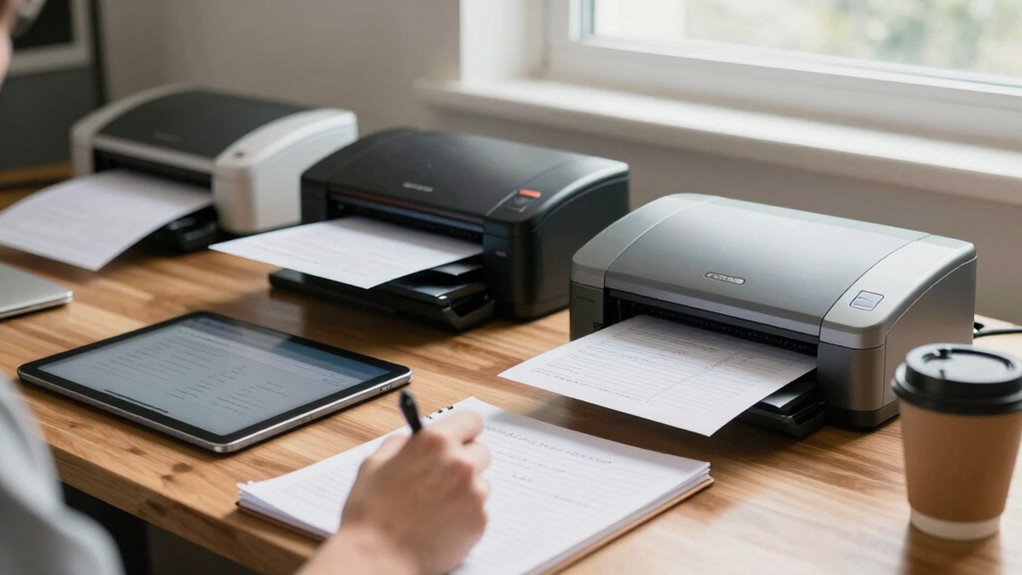
How can you effectively compare document scanners to find the right one for your needs? Start by looking at key features and performance metrics. A scanner brands comparison can help you understand which models excel in specific areas. Consider these vital factors:
- Scanning Speed: Faster scanners save you time, especially if you have many documents.
- Image Quality: Higher resolution scanners produce clearer images, essential for detailed documents.
- Connectivity Options: Verify the scanner is compatible with your devices, whether via USB or Wi-Fi.
Additionally, gather user experience insights to see how each model performs in real-world scenarios. This will provide a clearer picture of reliability and functionality, helping you make a well-informed decision tailored to your needs.
Read User Reviews on Document Scanners
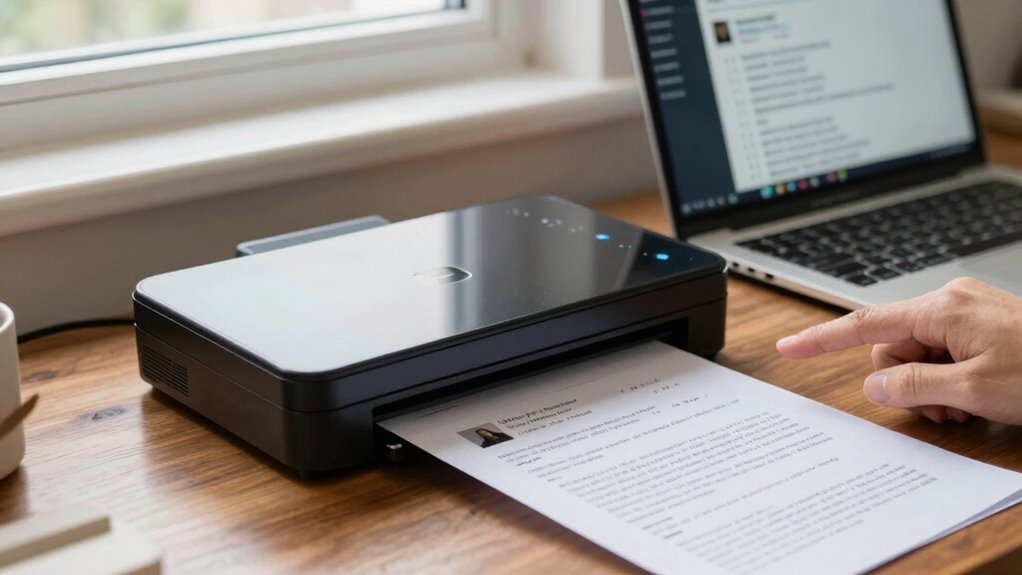
User reviews can provide valuable insights that go beyond technical specifications when choosing a document scanner. By examining user experiences, you can gauge the scanner’s real-life performance and reliability. Look for common themes in reviews, such as speed, image quality, and ease of use. Additionally, product comparisons in reviews help you weigh options effectively.
Here’s a quick overview of what to look for:
| Feature | Importance |
|---|---|
| Speed | Essential for efficiency |
| Image Quality | Vital for clarity |
| User-Friendliness | Affects workflow |
| Support & Warranty | Important for peace of mind |
| Price vs. Value | Determines overall satisfaction |
Consider Scanner Accessories and Software You Might Need

Selecting the right document scanner isn’t just about the device itself; you should also consider essential accessories and software that enhance its functionality. The right scanner software can help you organize and manage your documents efficiently, while accessories can improve your scanning experience.
Here are some key items to think about:
- Document feeders: These save time by allowing you to scan multiple pages at once.
- Cleaning kits: Regular maintenance keeps your scanner in top shape and prolongs its lifespan.
- Software solutions: Look for features like OCR (Optical Character Recognition) for editable text and cloud integration for easy access.
Make Your Final Decision on the Right Scanner
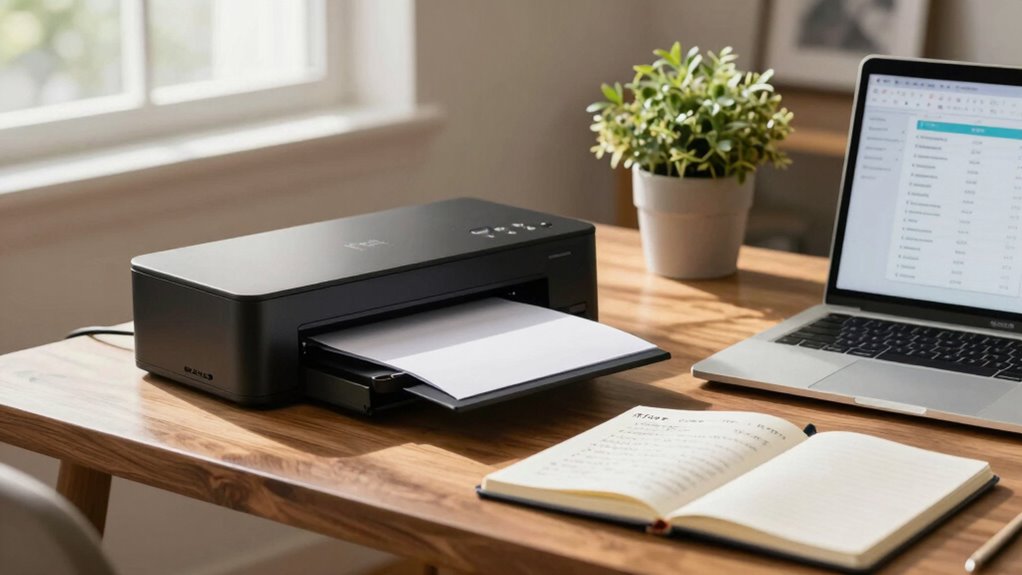
Ultimately, what factors matter most when choosing the right scanner for your needs? First, consider the essential scanner features that align with your tasks. Do you need a high-resolution option for detailed images or a fast scanner for bulk documents? Next, think about your user preferences. Are you looking for a compact design for a small workspace, or do you need advanced software integration? Make a list of must-have features and compare them across different models. Don’t forget to read user reviews to gauge real-world performance. Finally, set a budget that reflects the features you genuinely need. By weighing these factors, you’ll confidently make a decision that suits your scanning requirements perfectly.
Frequently Asked Questions
What Is the Typical Lifespan of a Document Scanner?
A typical document scanner has an average lifespan of around three to five years, depending on its durability and how often you use it. If you’re using a high-quality scanner with solid construction, it might last even longer. Regular maintenance, like cleaning the rollers and keeping it dust-free, can also extend its life. So, investing in a durable model and taking care of it will definitely pay off in the long run.
Can I Use a Scanner With My Smartphone?
Absolutely, you can use a scanner with your smartphone! With smartphone compatibility in mind, you can easily download scanning apps that turn your device into a powerful scanner. These apps allow you to capture documents, receipts, and even images with just a few taps. Just point your camera, adjust the borders, and hit scan. You’ll have digital copies ready to share or store in seconds, making it as easy as using a flip phone!
How Do I Maintain My Document Scanner?
To maintain your document scanner, keep it clean and updated. Start with regular scanner cleaning—wipe the glass and rollers with a soft, lint-free cloth to prevent smudges and jams. Don’t forget to check for any software updates; keeping the scanner’s software current guarantees peak performance and compatibility with your devices. By taking these simple steps, you’ll enhance your scanner’s efficiency and longevity, making your scanning experience smoother and more reliable.
Are Document Scanners Environmentally Friendly?
Document scanners can be incredibly environmentally friendly, especially when you consider the mountains of paper they save! Many modern scanners boast energy efficiency and incorporate sustainable practices in their design and manufacturing. By reducing your paper usage, you’re not just decluttering your space; you’re also making a positive impact on the planet. When choosing a scanner, look for models that prioritize these eco-friendly features to maximize your green efforts.
What Should I Do if My Scanner Jams Frequently?
If your scanner jams frequently, start with some scanner troubleshooting. Check the paper handling; make certain you’re using the correct paper size and type. Inspect the paper path for any obstructions or debris. Clean the rollers and verify they’re in good condition. Also, don’t overload the feeder. If the issue persists, consult the user manual or contact customer support for further assistance. Keeping your scanner maintained can help reduce jamming.
Conclusion
Choosing the right document scanner doesn’t have to be overwhelming. By identifying your needs, understanding the types available, and considering key features, you’ll find a scanner that fits perfectly. Set your budget, compare options, and read user reviews to make an informed choice. With the right accessories and software, you’ll enhance your scanning experience even further. So, take the plunge, make your decision, and streamline your document management like never before!