To tell if a wall is load bearing, check its material and thickness—thicker, stronger walls like brick or concrete are usually load bearing. Look at the wall’s placement: walls running perpendicular to floor joists or aligned with beams and columns tend to support weight. Exterior walls are often load bearing too. If you’re unsure, exploring structural elements or consulting a professional can help you make a safe and informed decision. Keep going to discover more about identifying load-bearing walls accurately.

Get the little things that make your day delivered free with Prime
- Fast, free delivery on millions of items
- Prime Video, Amazon Music and more included
- Member-only deals all year
Key Takeaways
- Check if the wall is thicker (usually 6 inches or more) and made of brick or concrete blocks.
- Observe if the wall runs perpendicular to floor joists or roof rafters.
- Identify if the wall aligns with beams, columns, or foundation walls.
- Look for interior walls that are wider or constructed with heavier materials.
- Consult a structural engineer or professional for definitive assessment.
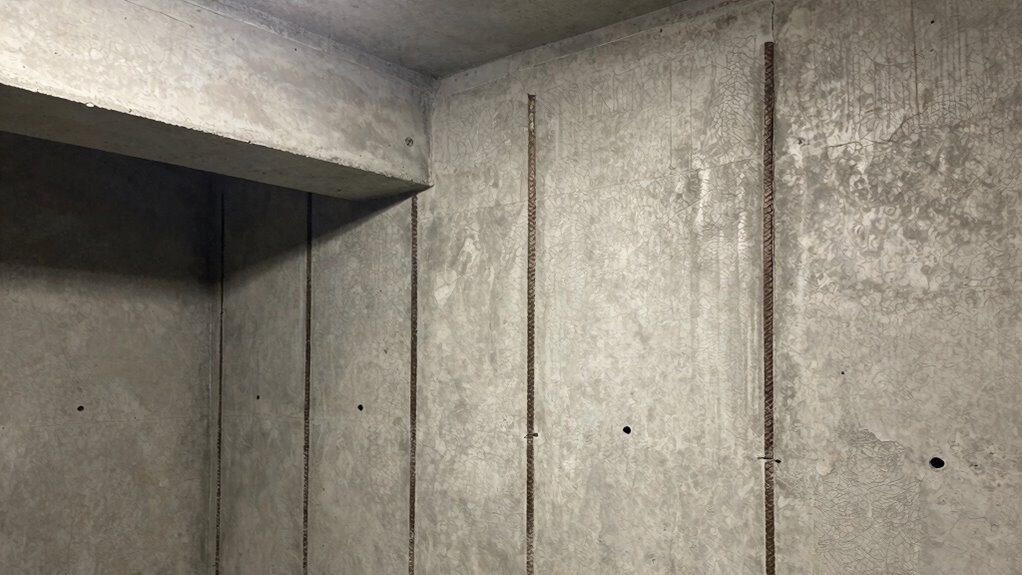
Ever wonder how to determine if a wall is load bearing? Identifying whether a wall supports weight isn’t always obvious, but there are key clues you can look for. One of the most straightforward ways is to examine the construction materials and wall thickness. Load-bearing walls are typically built with stronger, more durable materials and tend to be thicker than non-load-bearing partitions. For example, interior walls made of solid brick or concrete blocks are often load bearing, especially if they’re thicker—usually around six inches or more—compared to typical drywall partitions. These thicker walls are designed to carry significant weight from above, like floors or roof structures, so understanding the materials used gives you an initial hint about their function.
Thicker walls made of brick or concrete are often load bearing, supporting the weight of floors and roofs above.
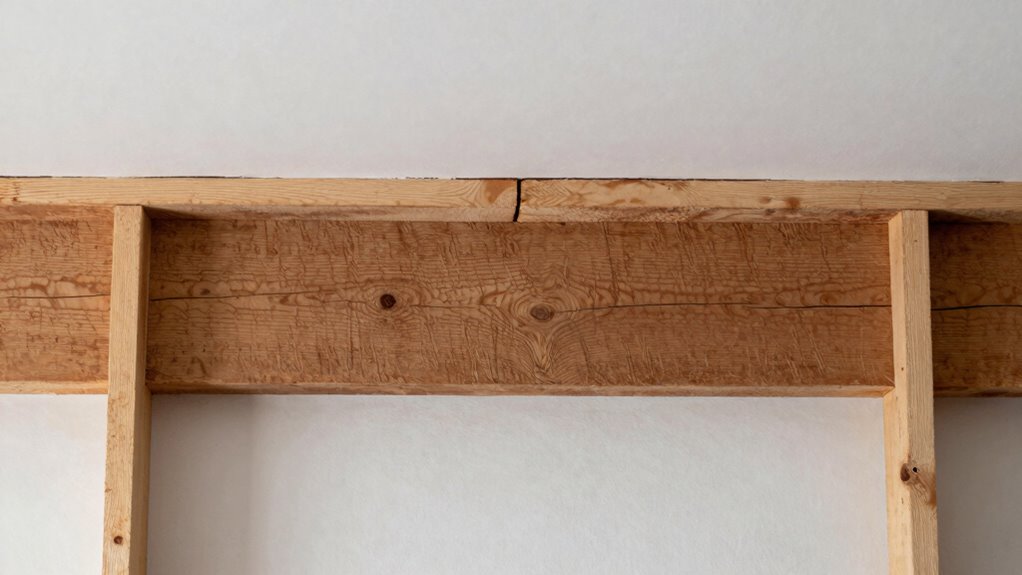
You should also consider the wall’s location within your building. Load-bearing walls are usually aligned with beams, columns, or foundation walls, often running perpendicular to floor joists or roof rafters. If you can access the basement or crawl space, check the direction of the joists. Walls that run perpendicular to the joists are more likely to be load bearing because they support the structure above. Conversely, walls parallel to the joists are often non-load-bearing, serving primarily as partitions.
Another important aspect is wall thickness. Thicker walls, especially those that are part of the building’s core structure, tend to be load bearing. Exterior walls, for instance, are almost always load bearing because they support the entire roof and upper stories. Interior walls that are thicker and constructed with solid materials often serve a similar purpose. When inspecting, look for walls that are noticeably wider or constructed with heavier materials—these are your best bets for being load bearing. Keep in mind that walls made solely of drywall or plaster on a wooden frame are generally non-load-bearing unless they span the entire length of the building and are especially thick. Recognizing structural features such as support braces or load-bearing studs can also help in identifying load-bearing walls more accurately. Additionally, understanding the building’s structural system can help you assess the load-bearing capability of different walls more accurately.
Learning to identify load-bearing walls in the early stages of renovation can save you from costly mistakes. If you’re planning modifications or removal, it’s vital to identify load-bearing walls accurately to prevent compromising your building’s stability. When in doubt, consulting a structural engineer or a professional contractor ensures safety and compliance with local building codes.
load bearing wall inspection tools
As an affiliate, we earn on qualifying purchases.
As an affiliate, we earn on qualifying purchases.
Frequently Asked Questions
Can You Remove a Load-Bearing Wall Without Professional Help?
You shouldn’t attempt DIY demolition of a load-bearing wall without professional help. Removing it risks compromising your home’s structural integrity, leading to potential collapse. Instead, consult a structural engineer for assessment and guidance on proper structural reinforcement if you decide to proceed. Professionals can make certain the removal is safe, and that any necessary reinforcements are correctly implemented, protecting your home and loved ones.
How Do Building Codes Affect Load-Bearing Wall Identification?
Building codes bolster your safety by dictating how load-bearing walls are identified and modified. They emphasize structural compliance, ensuring you don’t undermine your home’s integrity. You must follow regulations that specify how to verify load-bearing walls, often requiring professional assessment or permits. Ignoring these codes risks structural failure, fines, or unsafe renovations. So, always prioritize proper procedures, and consult local building authorities to keep your project compliant, secure, and sound.
What Tools Are Best for Inspecting Hidden Wall Structures?
You should use a stud finder with deep scanning capabilities to locate wall framing behind surfaces. A flashlight helps reveal structural clues like beams or joists, while a small mirror and a drywall saw allow you to peek behind or remove sections for a closer look. For precise inspection, consider consulting a structural engineer, especially if you’re uncertain about hidden wall framing or load-bearing elements.
Are There Signs Indicating a Wall Is Load-Bearing Without Inspection?
You can often spot signs a wall is load-bearing through visual clues like thicker walls, beams passing through or above the wall, and wall reinforcement features. Look for structural analysis cues such as support columns or load-bearing walls aligned with the foundation. If you’re unsure, avoid removing parts of the wall; consulting a professional guarantees safety and proper structural assessment. Always prioritize expert guidance over guesswork.
How Much Does It Cost to Modify a Load-Bearing Wall?
You might be surprised, but modifying a load-bearing wall can cost between $1,000 and $10,000 or more, depending on the scope. A detailed cost analysis helps you understand renovation budgeting, factoring in permits, labor, and materials. Unexpected challenges may arise, so it’s wise to consult a structural engineer early. Proper planning guarantees your project stays within budget while maintaining safety and stability.
wall stud finder with load bearing detection
As an affiliate, we earn on qualifying purchases.
As an affiliate, we earn on qualifying purchases.
Conclusion
Knowing whether a wall is load bearing can seem tricky, but with a keen eye and some guidance, you’re already halfway there. Think of it as revealing a hidden layer of your home’s story—sometimes, the most important parts are just beneath the surface. When in doubt, consulting a professional can help you navigate the subtle clues. After all, understanding your home’s structure is like opening a secret chapter—one that keeps your space safe and sound.
As an affiliate, we earn on qualifying purchases.
building foundation and support inspection tools
As an affiliate, we earn on qualifying purchases.
As an affiliate, we earn on qualifying purchases.
NFL season / tailgating Picks
team gear
As an affiliate, we earn on qualifying purchases.