
To spot water damage early, look for signs like soft or warped drywall, bubbling paint, or water stains on ceilings and walls. Pay attention to musty odors or fuzzy mold patches, especially in damp areas like bathrooms or basements. Feel surfaces for spongy spots and use moisture sensors to detect hidden leaks. Maintaining proper humidity helps prevent damage. Keep watching for these warning signs to catch issues before they become costly—more tips await if you keep exploring.
Open a free Amazon Business account
Business pricing, bulk buying and tax-exempt orders.
As an affiliate, we earn on qualifying purchases.
Key Takeaways
- Look for water stains or discoloration on ceilings, walls, or floors.
- Check for musty odors indicating hidden mold or moisture behind surfaces.
- Feel for soft, spongy, or warped drywall that suggests underlying water damage.
- Inspect corners, near plumbing fixtures, and behind appliances for visible mold or dampness.
- Use moisture sensors or meters to detect concealed leaks early.
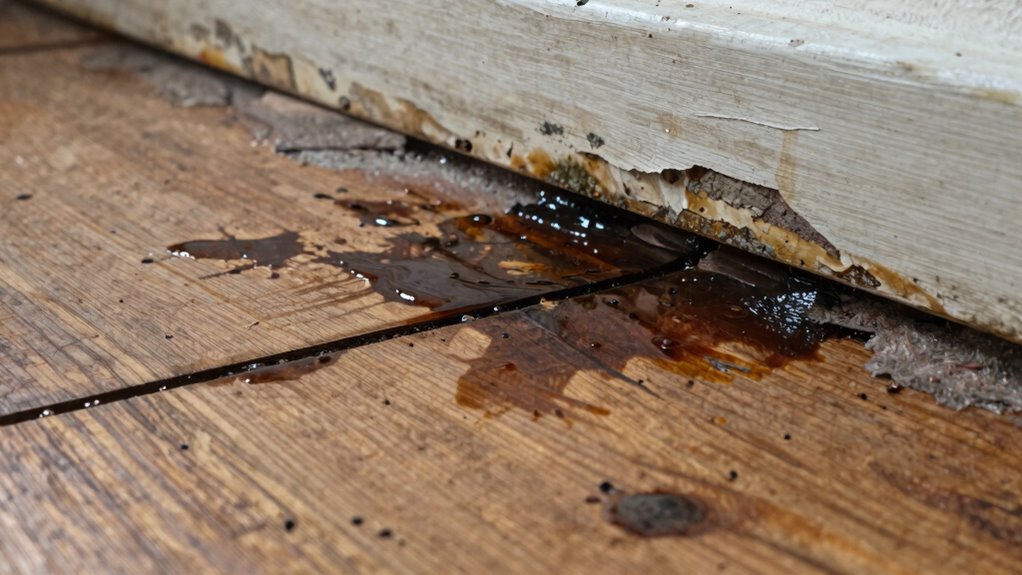
Water damage can sneak into your home quietly, but catching it early can save you from costly repairs. One of the first signs to watch for is drywall deterioration. Over time, persistent moisture seeps into the walls, causing the drywall to weaken, warp, or bubble. You might notice paint peeling or cracking, which is often a clear indicator that water has compromised the wall’s integrity. Feel around the surface; soft spots or areas that feel spongy under your hand suggest underlying damage. Ignoring these signs allows the problem to worsen, leading to more extensive repairs down the line. Recognizing early signs of moisture intrusion aligns with sustainable living practices by preventing waste and unnecessary resource use.
Another *vital* sign to monitor is mold development. Mold thrives in damp, dark environments created by leaks or water intrusion. If you notice a musty smell, it’s probably mold lurking behind the walls or under the flooring. Visible mold patches, especially in corners or near plumbing fixtures, are a red flag. Mold growth isn’t just unsightly; it’s unhealthy. It can cause respiratory issues, allergic reactions, and other health problems if left unchecked. Regularly inspect areas prone to moisture, like bathrooms, basements, and around windows, for any discoloration or fuzzy growths. Keeping humidity levels in check can also help prevent mold from establishing itself in vulnerable areas. Additionally, installing moisture sensors can alert you to hidden leaks before they cause significant damage, helping to maintain indoor air quality.
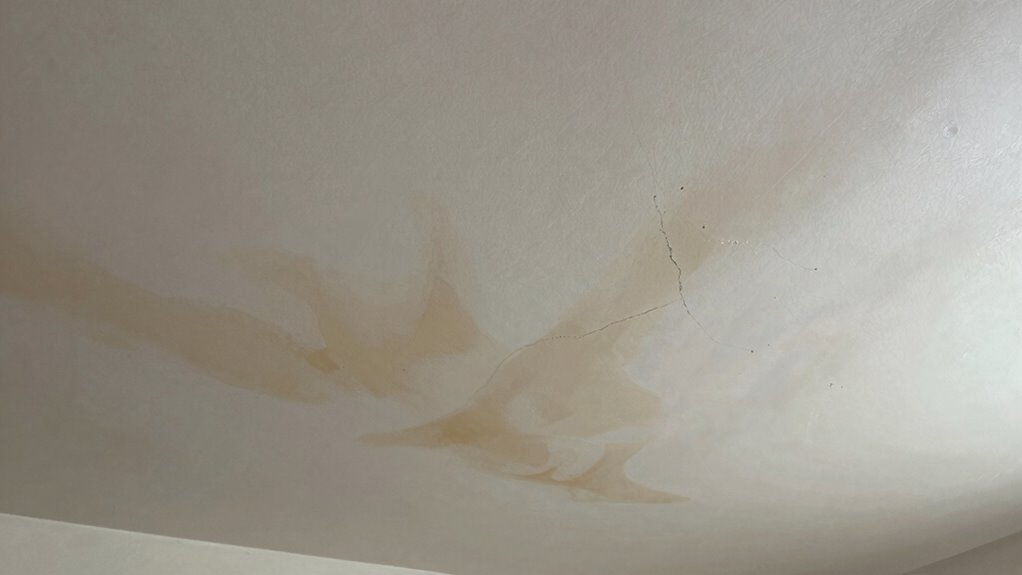
Beyond drywall and mold, look for water stains on ceilings, walls, or floors. These stains often appear as yellow, brown, or dark patches and may be accompanied by peeling paint or wallpaper. Water stains signal ongoing leaks that need immediate attention. Pay attention to your home’s humidity levels too—excess moisture in the air can accelerate drywall deterioration and mold development. Using a dehumidifier can help keep moisture levels in check, preventing damage before it starts. In some cases, waterproofing measures can be necessary to protect vulnerable areas from future leaks.
Another *essential* sign involves the presence of musty odors, which often accompany hidden water damage. If your home smells damp or stale, it’s a good idea to investigate thoroughly. Check behind appliances, under sinks, and around plumbing fixtures for leaks or pooling water. Even small, persistent drips can cause significant damage over time. Addressing these issues early promotes sustainable living by reducing waste and environmental impact.
moisture sensor for detecting leaks
As an affiliate, we earn on qualifying purchases.
As an affiliate, we earn on qualifying purchases.
Frequently Asked Questions
Can Water Damage Occur Without Visible Stains?
Yes, water damage can occur without visible stains. You might notice hidden mold growth or structural weakening that isn’t immediately apparent. These issues often develop behind walls or under floors, where moisture seeps in silently. If you don’t catch it early, it can lead to serious problems later. Regular inspections and moisture testing help you detect water damage early, preventing hidden mold from spreading and structural damage from worsening.
How Long Does It Take for Water Damage to Show?
Water damage can be like a silent storm, brewing beneath the surface. You might see mold growth or notice structural weakening within 24 to 48 hours if the leak persists. Sometimes, it takes days or even weeks for visible signs to appear, but the damage is quietly building behind the scenes. Keep an eye out for subtle changes, because early detection helps prevent costly repairs and health risks.
Are Certain Materials More Prone to Water Damage?
Certain materials are more prone to water damage due to their lower material durability. Porous materials like drywall, wood, and unsealed concrete absorb water easily, leading to quicker damage. To protect these vulnerable surfaces, you should apply water-resistant coatings, which create a barrier against moisture. Regular inspections and prompt repairs help prevent water damage from worsening, ensuring your property remains resilient against future water-related issues.
Can Water Damage Affect Indoor Air Quality?
Yes, water damage can affect indoor air quality. When moisture infiltrates walls or ceilings, it creates ideal conditions for mold growth, which releases spores into the air. These airborne spores can cause allergies, respiratory issues, or worsen asthma symptoms. You should regularly check for signs of moisture infiltration, especially in hidden areas, to prevent mold and protect your indoor air quality. Proper ventilation and prompt repairs are key.
What Tools Can Help Detect Hidden Water Leaks?
Did you know that up to 90% of water leaks go unnoticed? To find hidden leaks, use moisture meters and leak detectors. Moisture meters help measure moisture levels in walls and floors, revealing hidden water. Leak detectors can identify the exact location of a leak by sensing vibrations or changes in pressure. These tools enable you to catch leaks early, preventing costly repairs and mold growth.
As an affiliate, we earn on qualifying purchases.
Conclusion
By staying vigilant and catching water damage early, you can prevent it from spreading like wildfire through your home. Keep an eye out for subtle signs, and don’t ignore the small cracks or damp spots—they’re often the first whispers of trouble. Acting swiftly is your best defense, turning potential disaster into a minor hiccup. Remember, water damage is a thief in the night; catching it early keeps your home safe and your peace of mind intact.
As an affiliate, we earn on qualifying purchases.
As an affiliate, we earn on qualifying purchases.
Fall Picks
fall essentials
As an affiliate, we earn on qualifying purchases.