
To understand solar generator panel input basics, start by matching the panel’s wattage with your power needs to guarantee efficient charging, even under less sunlight. Confirm the panel’s voltage and current are compatible with your generator and batteries to avoid damage. Weather and geographic factors affect energy output, so choose panels suited for your location and sunlight conditions. Proper setup and using integrated charge controllers help protect your system. Keep exploring to learn how to optimize your solar setup further.

Get the little things that make your day delivered free — and shop member deals
- Fast, free delivery on millions of items
- Access to Prime Big Deal Days deals on October 6–7
- Prime Video, Amazon Music and more included
Key Takeaways
- Panel wattage must match or exceed the system’s power demand to ensure efficient charging and operation.
- Check the panel’s voltage and current ratings to ensure compatibility with the generator and battery system.
- Integrated charge controllers in panels help regulate electricity flow and protect batteries from overcharging.
- Sunlight availability and geographic factors influence panel output, requiring appropriate sizing and placement.
- Variability in sunlight conditions necessitates selecting panels with sufficient wattage for reliable energy collection.
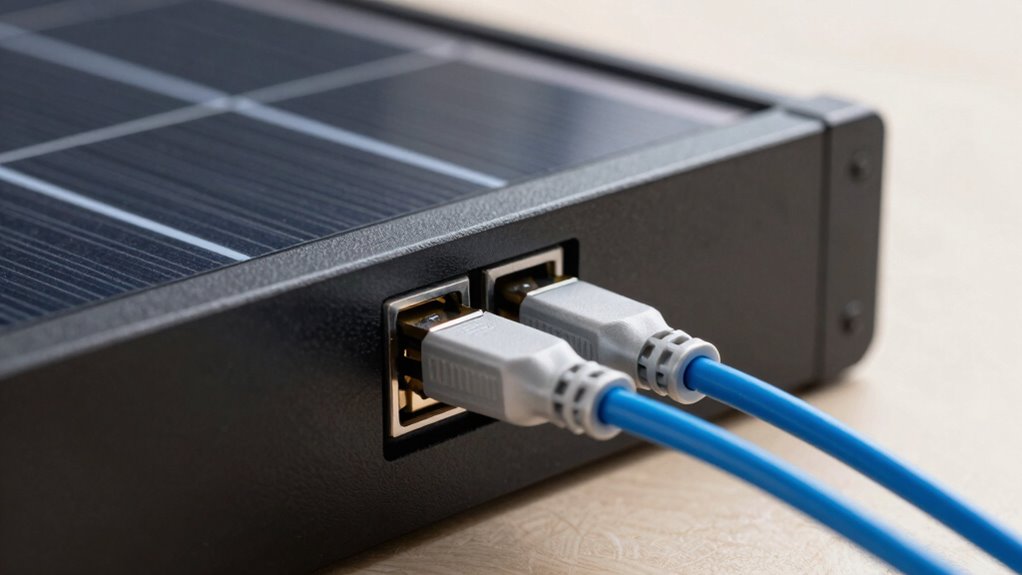
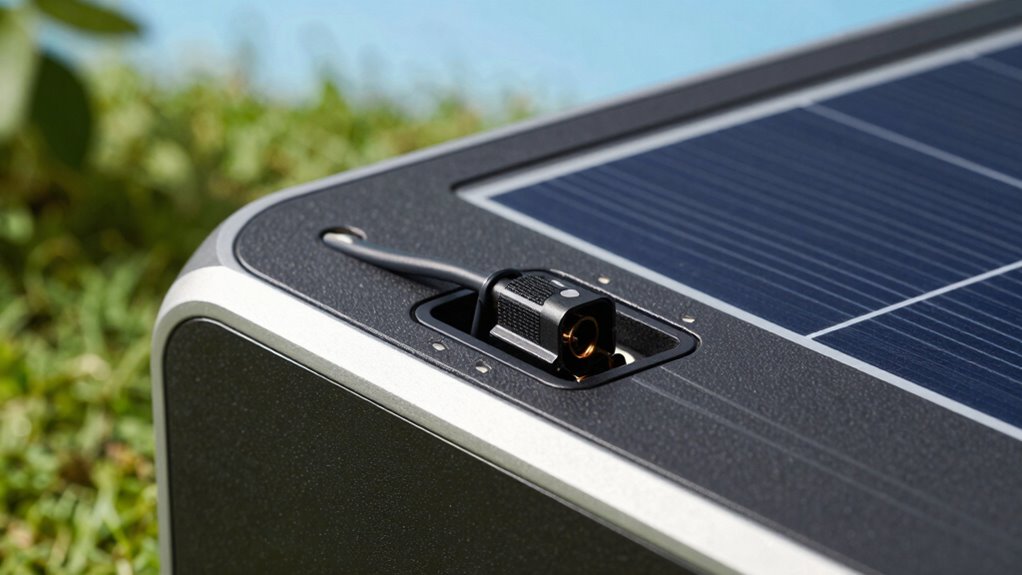
Ever wondered how much sunlight your solar generator panel can harness? Understanding the basics of panel input is essential to making sure your setup works efficiently and meets your power needs. The key factors to consider are the panel’s wattage requirements and its compatibility with your battery system. The wattage requirement determines how much power the panel can generate under ideal conditions, which directly impacts how quickly your batteries charge. To select the right panel, you need to know the wattage your generator or battery system requires to operate at its best. For example, if your system demands 200 watts for continuous use, then choosing a panel with a slightly higher wattage, like 250 watts, ensures you can meet your needs even on less-than-ideal sunlight days.
Battery compatibility is another essential aspect when considering panel input. Not all solar panels are compatible with every battery type or capacity. Some batteries require specific charging voltages or current levels, and using a panel that doesn’t match these specifications can lead to inefficient charging or even damage. To prevent this, check the voltage and current ratings of both your panel and your battery system. Many modern solar generator panels are designed with built-in charge controllers that regulate the flow of electricity, protecting your batteries from overcharging. Still, it’s important to verify that the panel’s maximum voltage and current are suitable for your system’s specifications. Additionally, factors like power output variability due to weather conditions can influence how much energy your panel provides throughout the day, and understanding solar energy fluctuations helps in planning for consistent power supply, especially in variable weather.
Another factor influencing panel input is the sunlight conditions in your location. The amount of sunlight available fluctuates throughout the day and across seasons, affecting how much power your panel can produce. This variability means you should plan for a panel with sufficient wattage to compensate for less sunny days, ensuring your system remains reliable. Additionally, the solar irradiation levels specific to your geographic area can help you determine the most suitable panel size and configuration. Furthermore, optimizing the angle and orientation of your panel can significantly increase its energy harvest and overall efficiency.
solar generator panel with charge controller
As an affiliate, we earn on qualifying purchases.
As an affiliate, we earn on qualifying purchases.
Frequently Asked Questions
How Do I Determine the Right Panel Input for My Needs?
To determine the right panel input, start by checking your solar generator’s battery compatibility and inverter specifications. Match the panel’s wattage and current output to your generator’s maximum input capacity to avoid overloads. Consider your energy needs and how much sunlight your location receives. By aligning these factors, you guarantee efficient charging and peak performance, preventing potential damage and maximizing your solar setup’s lifespan.
What Factors Affect Solar Panel Input Efficiency?
You’re riding the wave of efficiency by considering factors like battery compatibility and inverter matching, which are vital for peak solar input. Weather conditions, shading, and panel angle also play roles. Even the dirt on your panels can slow down energy flow—think of it as a pebble in your shoe. To maximize output, guarantee your components are compatible and your panels are clean and well-positioned for maximum sunlight exposure.
Can I Add More Panels to Increase Input Capacity?
Yes, you can add more panels to boost input capacity, but you’ll need to take into account proper panel mounting to guarantee stability and ideal sunlight exposure. Make sure your solar generator supports increased input and integrates with your battery system efficiently. Proper battery integration is essential to handle the higher energy flow without damaging your system. Always check your generator’s specifications and consult an expert if you’re unsure about compatibility or wiring.
What Safety Precautions Are Necessary for Panel Input Connections?
You should always prioritize safety when making panel input connections. Make sure your panels are compatible with your generator’s battery and wiring configurations to prevent damage or hazards. Use proper insulated connectors and secure all wiring tightly. Avoid working in wet conditions, and turn off the system before making connections. Double-check all connections for correctness and stability to prevent shorts or electrical shock. Safety first keeps your system running smoothly.
How Does Weather Impact Solar Panel Input Performance?
Weather considerably impacts your solar panel input performance. Cloud cover reduces sunlight, decreasing energy production, while temperature effects can cause panels to become less efficient when it’s too hot or cold. You might notice drops in power during overcast days, and extreme temperatures can limit output. To optimize, monitor weather conditions regularly, and consider installing panels with cooling features or shading to mitigate temperature effects and maintain steady energy flow.
250 watt portable solar panel for generator
As an affiliate, we earn on qualifying purchases.
As an affiliate, we earn on qualifying purchases.
Conclusion
Now that you understand the basics of solar generator panel input, you can confidently choose the right setup for your needs. Recognize the importance of matching panel wattage with your generator’s capacity, maximizing sunlight exposure, and monitoring input levels. By doing so, you optimize efficiency, extend your power supply, and guarantee reliable energy when you need it most. Embrace these principles, stay informed, and harness the sun’s power to keep your essentials running smoothly.
solar panel compatibility with batteries
As an affiliate, we earn on qualifying purchases.
As an affiliate, we earn on qualifying purchases.
weather-resistant solar panels for outdoor use
As an affiliate, we earn on qualifying purchases.
As an affiliate, we earn on qualifying purchases.
NFL season / tailgating Picks
team gear
As an affiliate, we earn on qualifying purchases.