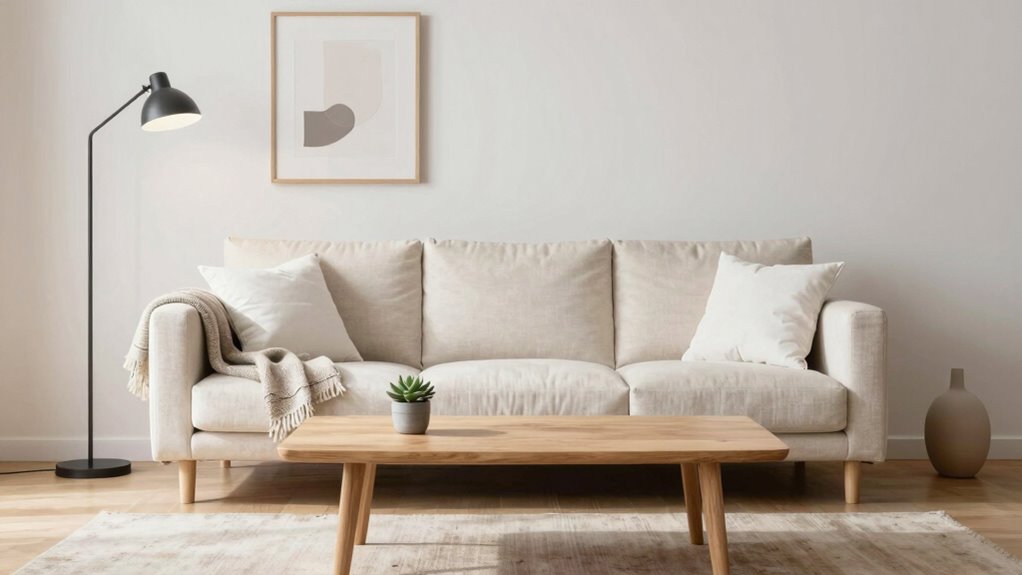

To embrace a minimalist home, keep only essentials that serve a purpose and bring you value, such as quality furniture, versatile kitchen tools, and calming décor like plants. Skip clutter by removing items that don’t add meaning or functionality, and avoid impulse buys. Focus on simple, multi-purpose pieces and regularly reassess your space to maintain harmony. If you want to learn how to refine your choices further, explore more tips below.
Prime for Young Adults — start your free trial
Fast free delivery, streaming and member deals for eligible 18–24 year olds.
As an affiliate, we earn on qualifying purchases.
Key Takeaways
- Keep only multi-functional, high-quality furniture that enhances space and purpose, skipping ornate or excess decorative items.
- Prioritize essential kitchen tools and appliances used weekly, avoiding clutter with unnecessary gadgets.
- Maintain a minimal bedding setup with neutral tones, comfort, and sleep-enhancing features, skipping excessive decor.
- Include a few meaningful decorative accessories and natural plants, avoiding cluttered or seasonal decorations.
- Regularly evaluate belongings and decor to ensure only purposeful, value-adding items remain, skipping habitual clutter.
minimalist multi-purpose furniture
As an affiliate, we earn on qualifying purchases.
As an affiliate, we earn on qualifying purchases.
What Are the Principles of Minimalist Home Design?
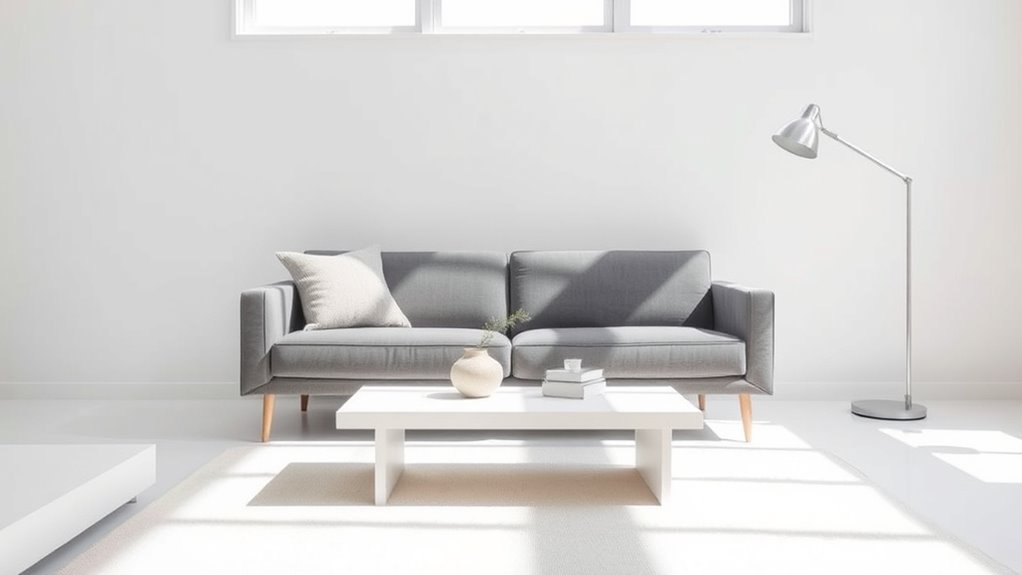
Minimalist home design revolves around the idea that less is more. You focus on creating a space that feels calm, functional, and uncluttered. To achieve this, you choose furniture styles that emphasize clean lines and simplicity, avoiding ornate details. Decorative accessories are kept to a minimum, serving a purpose rather than filling space. Each piece should add value or meaning, helping to maintain a sense of openness. The principles encourage you to prioritize quality over quantity, selecting items that blend seamlessly into your environment. The goal is to eliminate visual noise and foster tranquility. Incorporating interior design basics such as mood boards and effective preparation can further streamline your decorating process. Paying attention to home layout and flow can also enhance the minimalist aesthetic and improve overall functionality. Understanding the importance of product quality can ensure that each item contributes to a lasting and cohesive aesthetic. Additionally, embracing sustainable materials can support environmentally conscious choices that align with minimalist ideals. By adhering to these principles, you craft a home that feels spacious, organized, and intentionally curated—an oasis of calm amid everyday chaos. Embracing simplicity in every element helps reinforce the overall sense of peace and clarity.
As an affiliate, we earn on qualifying purchases.
How to Decide Which Items Add Value to Your Home?
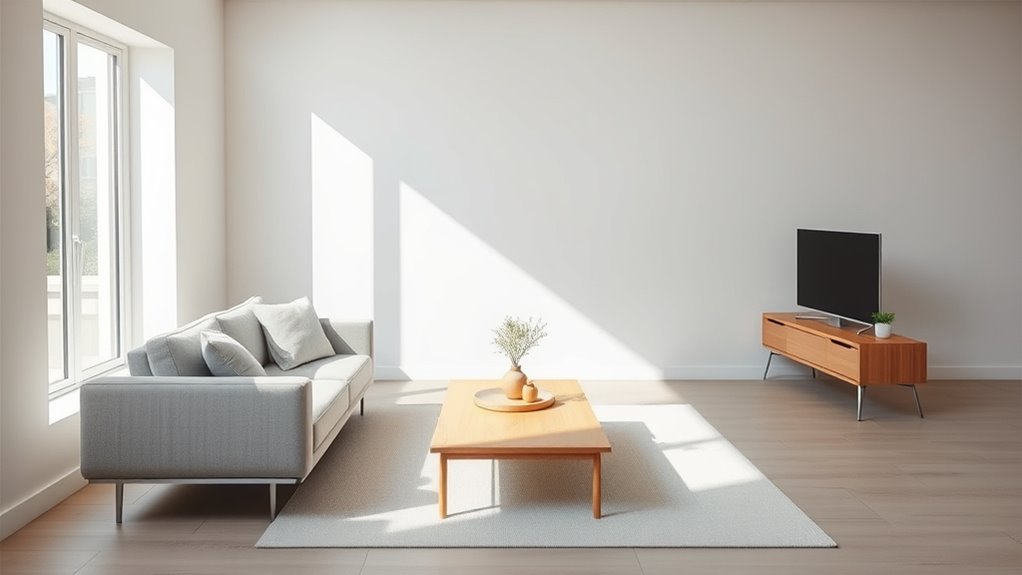
When choosing items for your home, focus on practicality rather than just how they look. Consider how often you’ll use each piece and whether it truly serves a purpose. Also, think about any emotional connections that make certain items meaningful to you. Being aware of content formats can help you select versatile and adaptable items that suit your evolving needs. Additionally, understanding whole-home water system concepts can guide you in making informed decisions about essential appliances that impact your daily water usage. Familiarity with home organization strategies can further assist you in maintaining a clutter-free and functional living space. For example, incorporating electric bike storage solutions or considering energy-efficient appliances can add value and convenience to your home. Moreover, knowing about energy-efficient appliances can help you reduce long-term costs and environmental impact.
Practicality Over Aesthetics
Deciding which items truly add value to your home requires focusing on practicality rather than just appearance. While decor versus functionality is a common debate, prioritize pieces that serve a clear purpose and enhance daily life. Aesthetic minimalism emphasizes simplicity, so choose items that blend form and function seamlessly. If a decorative object doesn’t improve usability or comfort, it’s best to skip it. Consider how often you’ll use an item and whether it genuinely contributes to your living experience. Practicality ensures your space remains efficient and clutter-free, while aesthetic minimalism keeps everything visually clean and simple. Remember, the goal is to create a home that’s both functional and calming, not just visually appealing. Keep only what genuinely adds value to your everyday life.
Frequency of Use
Focusing on how often you use an item is key to determining its true value in your home. If you rarely or never reach for decorative accents or seasonal items, they may not deserve a place in your minimalist space. To decide, consider these points:
- Is it used weekly or more often?
- Does it serve a practical purpose regularly?
- Do seasonal items add meaningful variety without clutter?
- Are decorative accents enhancing your space without overwhelming it?
- Understanding contrast ratio and its impact helps prioritize items that improve viewing quality when selecting home entertainment equipment. Additionally, evaluating the frequency of water use, such as for hydrotherapy or aquatic exercise, can help determine which water-based items are essential versus those that can be stored away when not in use. Regularly assessing your storage needs ensures you keep only what is necessary and functional. Recognizing the importance of auditory processing can also assist in choosing items that support your sensory environment, ensuring your space remains calming and clutter-free. Incorporating performance-based upgrades like quality flywheels or engine components can further optimize your home’s overall functionality and comfort.
Items used infrequently, like seasonal decor, can be stored and rotated seasonally. Over time, this keeps your home feeling fresh without unnecessary clutter. Prioritizing items based on use ensures your home remains functional, serene, and aligned with your minimalist goals.
Emotional Connection
Your home should reflect what truly matters to you, and that starts with recognizing the emotional value behind your belongings. Sentimental items often carry emotional significance, reminding you of special moments or loved ones. When deciding what to keep, ask yourself if each item sparks joy or meaningful memories. If a piece holds deep emotional significance but doesn’t serve a practical purpose, consider displaying it thoughtfully instead of cluttering your space. Incorporating wall art trends such as digital frames or interactive murals can be a creative way to showcase meaningful memories without adding clutter. Additionally, you can use display techniques to highlight sentimental items, making them part of your decor rather than hidden away. Incorporating fostering growth mindsets can help you view decluttering as an opportunity for personal development and emotional clarity, rather than just tidying up. Embracing mindset shifts allows you to appreciate the process of creating a home environment that truly reflects your values. Conversely, items with little to no emotional connection may be better donated or discarded, helping you maintain a minimalist environment that feels authentic. Remember, your home isn’t just about functionality; it’s about creating a space filled with things that genuinely uplift and inspire you. Trust your feelings to guide you in choosing what truly adds value. Incorporating emotional connection into your decluttering process ensures your space remains meaningful and personalized.
As an affiliate, we earn on qualifying purchases.
Essential Items Every Minimalist Home Needs

Every minimalist home needs a space for basic cooking needs, so choose versatile appliances and utensils that serve multiple purposes. You also want comfortable sleep essentials, like a quality mattress and simple bedding, to guarantee restful nights. Focusing on these key items helps you create a functional and peaceful living environment. Additionally, incorporating aromatherapy can enhance your space by promoting relaxation and well-being naturally. Utilizing multi-purpose furniture can further optimize your space by reducing clutter and maximizing functionality. Selecting compact storage solutions can help maintain an organized environment while keeping essentials accessible. Incorporating natural materials can also contribute to a healthier and more sustainable home environment. Considering dog-friendly items for your home can make it more welcoming for your furry companions, ensuring their comfort and safety.
Space for Basic Cooking Needs
Creating a functional space for basic cooking needs doesn’t require a lot of clutter or excess. Focus on essential kitchen gadgets and efficient cookware storage. Keep only items you use regularly to streamline your space. Here are four key principles:
- Limit your kitchen gadgets to multifunctional tools to save space and reduce clutter.
- Choose versatile cookware, like a skillet and a saucepan, for most cooking needs.
- Store cookware vertically or stack it neatly to maximize storage and easy access.
- Keep countertop surfaces clear, reserving space for prepping and cooking tasks.
Comfortable Sleep Essentials
A good night’s sleep starts with a few essential items that promote comfort and simplicity. Investing in quality luxury bedding can transform your sleep experience, making bedtime feel like a retreat. Sleep technology, like smart mattresses or sleep trackers, helps you understand and improve your rest without cluttering your space. Keep your sleep environment calm and minimal: a comfortable mattress, breathable sheets, and a supportive pillow are key.
| Item | Feature | Benefit |
|---|---|---|
| Luxury bedding | Soft, natural fabrics | Enhances comfort and breathability |
| Sleep technology | Smart mattress or tracker | Optimizes sleep quality |
| Supportive pillow | Ergonomic design | Reduces neck strain |
| Blackout curtains | Light-blocking fabric | Ensures uninterrupted sleep |
As an affiliate, we earn on qualifying purchases.
Common Clutter Traps to Avoid When Simplifying Your Space
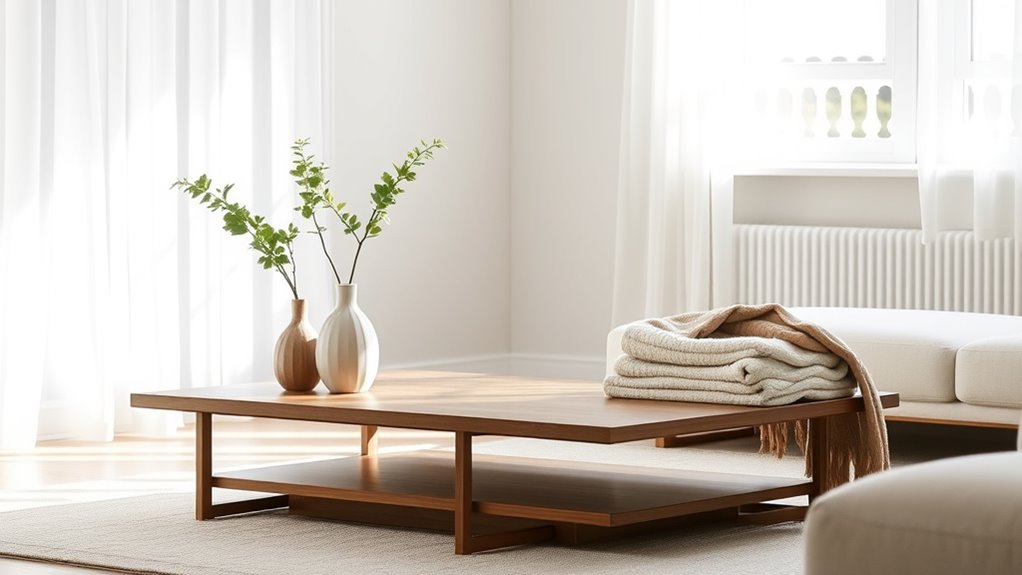
Even with the best intentions, it’s easy to fall into common clutter traps that can sabotage your efforts to simplify your space. One trap is clinging to decor stereotypes, which often lead you to keep items that no longer suit your style. Another is accumulating seasonal clutter, like holiday decorations, that quickly pile up. Third, holding onto items “just in case” creates unnecessary clutter that hampers your minimalist goals. Fourth, buying impulsively based on trends or sales adds unwanted stuff. To avoid these traps, focus on keeping only what genuinely adds value or joy, regularly reassess your belongings, and resist the urge to store everything out of habit. Recognizing these traps helps you maintain a clutter-free, intentional home.
How to Declutter Your Home Effectively

To declutter your home effectively, start by setting clear goals and committing to a systematic approach. Begin by sorting through decorative accessories, keeping only those that add value or meaning to your space. Be honest about which seasonal decorations you genuinely enjoy or use; if they no longer serve a purpose, let them go. Create designated areas for items you want to keep, and set aside others for donation or disposal. Regularly revisit your collection of decorative accessories to prevent accumulation. Focus on quality over quantity, choosing versatile pieces that enhance your minimalist aesthetic. Remember, decluttering isn’t a one-time event—it’s an ongoing process that helps maintain a calm, organized environment. Consistency and intentionality are key to achieving lasting simplicity.
Organizing Your Minimalist Space for Function and Calm
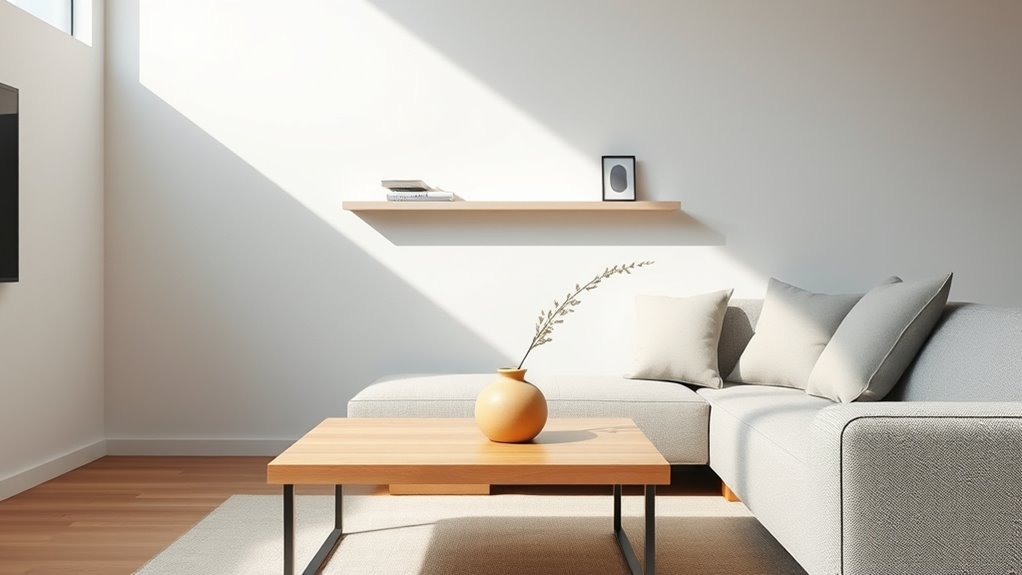
Creating a peaceful and functional minimalist space starts with intentional organization. To achieve this, focus on streamlining your storage solutions and choosing decorative accents that add meaning without clutter. Here are four key steps:
- Prioritize multi-purpose furniture to maximize space.
- Use storage solutions that hide clutter, like baskets or cabinets.
- Limit decorative accents to a few meaningful pieces that bring calm.
- Maintain open space by regularly reassessing your belongings.
How to Incorporate Your Personal Style Without Overcrowding
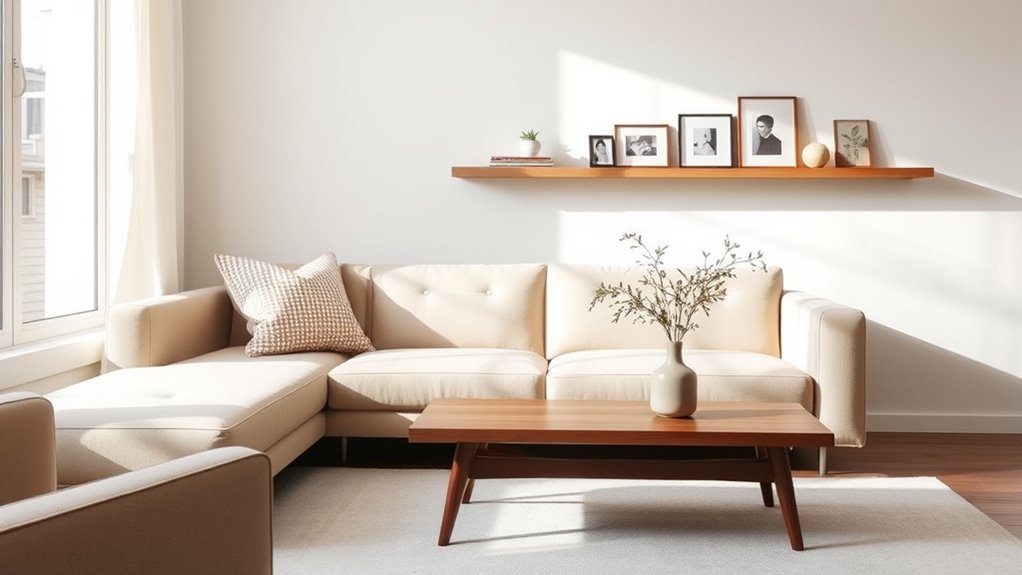
Once you’ve organized your space to promote calm and functionality, the next step is to infuse it with your personal style without cluttering the minimalist look. Use subtle color accents to reflect your personality—think a vibrant throw pillow or a bold piece of artwork that adds visual interest without overwhelming. Keep decorative accessories purposeful; select a few meaningful items instead of cluttering surfaces. For example, a sleek vase or a curated collection of candles can showcase your taste while maintaining a clean aesthetic. Remember, less is more. The key is to choose accessories that resonate with you and complement your space, creating a balanced environment where your personal style shines without sacrificing the simplicity that defines minimalism.
Mistakes to Avoid When Creating a Minimalist Living Space
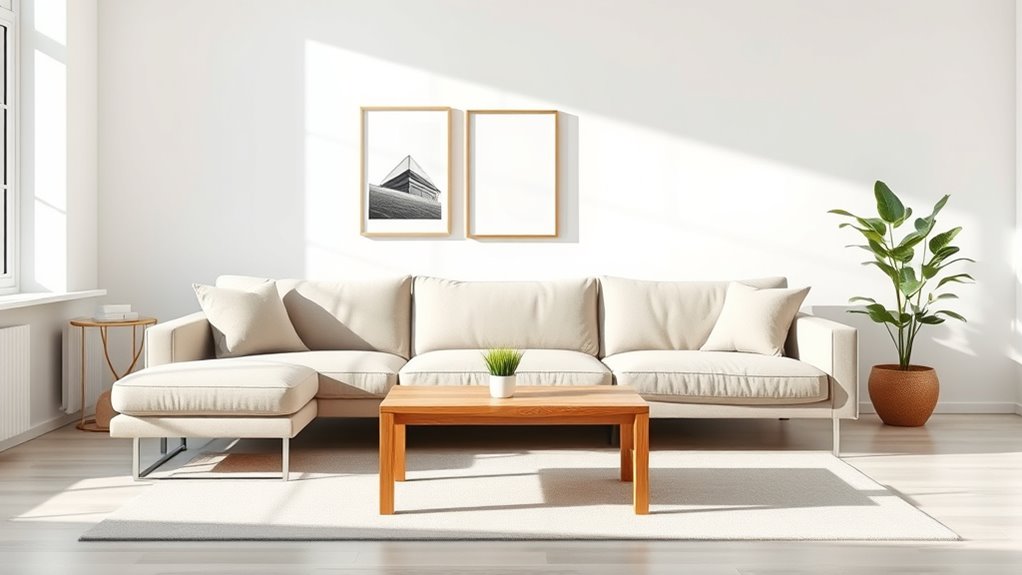
Avoid overcrowding your space, as too many items can defeat the purpose of minimalism. Don’t ignore your functional needs—your home should be practical, not just stylish. Remember to balance your personal style with simplicity, so your space feels authentic and uncluttered.
Overcrowding Your Space
Have you ever filled a space with too many items, making it feel cluttered and overwhelming? Overcrowding your home defeats the minimalist goal. To avoid this, consider these points:
- Limit decorative accessories to a few meaningful pieces that add style without clutter.
- Rotate seasonal decorations instead of keeping them out year-round, reducing visual noise.
- Resist the urge to fill every surface; leave some areas open to create a sense of calm.
- Regularly reassess your belongings, removing items that no longer serve a purpose or bring joy.
Ignoring Functional Needs
Overcrowding your space can make it feel chaotic, but focusing solely on aesthetics can lead you to overlook how well your home functions for your daily life. Avoid the mistake of neglecting your functional needs by cluttering surfaces with decorative ornaments or filling rooms with luxury furnishings that don’t serve a purpose. While these items can add personality, too many can hinder movement and efficiency. Prioritize essentials that support your routines, like a practical dining table or comfortable seating, instead of overloading with non-essential decor. Remember, a minimalist space isn’t about eliminating style but balancing beauty with function. Keep your living area simple, purposeful, and free of items that don’t contribute to your comfort or daily tasks.
Neglecting Personal Style
Neglecting your personal style can cause your minimalist space to feel impersonal or sterile. Without reflecting your aesthetic choices, the environment may lack warmth and individuality. To avoid this, consider these key points:
- Prioritize meaningful decor that resonates with your personality.
- Incorporate colors and textures that evoke comfort and authenticity.
- Use art and accessories to tell your story rather than filling space arbitrarily.
- Balance simplicity with elements that showcase your unique taste.
Tips for Maintaining a Clutter-Free Home Long-Term
Maintaining a clutter-free home over the long term requires consistent effort and intentional habits. Start by regularly examining your decor color choices and furniture style to ensure they stay aligned with your minimalist vision. Stick to a neutral or cohesive color palette to prevent visual chaos, and choose furniture with simple lines that serve multiple functions. Develop a routine of tidying up daily, putting items back in their designated spots, and avoiding impulse purchases that can add unnecessary clutter. Limit decorative accessories to a few meaningful pieces, which helps maintain a clean aesthetic. Periodically declutter by evaluating what no longer serves you, and resist the urge to hold onto items simply out of habit. Staying disciplined keeps your space serene and effortlessly organized.
Habits That Help You Keep Your Minimalist Home Peaceful
Establishing simple daily habits can considerably enhance the peacefulness of your minimalist home. Consistently decorating with plants creates a calming environment, bringing nature inside and reducing stress. Choosing neutral palettes for your decor maintains visual harmony and avoids overwhelming clutter. To keep your space serene, consider these habits:
- Rotate your plants to ensure healthy growth and freshen your atmosphere.
- Stick to a routine for tidying surfaces, preventing clutter buildup.
- Limit decorations to a few meaningful pieces, enhancing your neutral palette.
- Practice mindful cleaning to preserve the calm, inviting vibe of your home.
Frequently Asked Questions
How Can I Transition From a Cluttered to a Minimalist Home Smoothly?
You can move seamlessly by adopting a minimalist mindset and using decluttering techniques like the Marie Kondo method or the three-box system. Start small, focusing on one area at a time, and ask yourself if each item sparks joy or serves a purpose. Regularly reassess your belongings, and remember, progress takes time. Stay patient, stay intentional, and celebrate each step toward a clutter-free, minimalist home.
What Are the Best Storage Solutions for a Minimalist Lifestyle?
Think of your space as a canvas—organized storage solutions bring harmony. You should invest in versatile storage containers for small items and opt for sleek shelving options that maximize vertical space. Use clear containers to see contents at a glance, and choose minimalist designs that blend seamlessly. This approach keeps clutter out of sight, making your home feel open and calm, perfect for embracing a true minimalist lifestyle.
How Often Should I Reevaluate My Home Essentials?
You should reevaluate your home essentials every few months, especially during seasonal decluttering. This helps you stay aligned with your minimalist goals and prevents clutter buildup. Incorporate digital minimalism into your routine by regularly cleaning out unnecessary apps, files, and subscriptions. By staying consistent, you’ll maintain a streamlined space that feels calming and functional, making it easier to focus on what truly matters in your everyday life.
Can Minimalism Work in Small Living Spaces?
Yes, minimalism works great in small living spaces. You can maximize your space by choosing multi-functional furniture that serves multiple purposes, like a sofa bed or storage ottoman. Focus on aesthetic simplicity, keeping only what truly adds value or joy. By decluttering and selecting versatile pieces, you create a comfortable, organized environment that feels spacious and calming, even if your home is compact.
How Do I Handle Sentimental Items When Decluttering?
Did you know that 80% of sentimental items often hold little real value? When decluttering, handle sentimental items with care, recognizing your emotional attachment. Keep only those that truly resonate or hold significant meaning, and consider taking photos of others to preserve memories without physical clutter. Be honest with yourself, and remember, letting go doesn’t diminish the memories—it creates space for new ones.
Conclusion
By embracing simplicity and steering clear of sspoils, you’ll stay satisfied and serene. Focus on functional, favorite pieces, and foster habits that help maintain your minimalist masterpiece. Remember, minimalism isn’t about depriving yourself but about designing a space that delights and dignifies. Stay steadfast in your pursuit of peace, prioritize purpose over possessions, and let your space speak softly but markedly, showcasing your stylish, streamlined sanctuary. Keep it simple, stay satisfied, and enjoy the serenity.
NFL season / tailgating Picks
team gear
As an affiliate, we earn on qualifying purchases.