Many campers don’t realize how quickly moisture and condensation can ruin a trip. Even high-quality gear struggles when weather turns wet or cold. Without proper ventilation, warm, moist air inside your tent cools and condenses on walls, walls, and gear, leading to dampness and discomfort. Changing conditions, sudden rain, or temperature drops make things worse. Staying dry requires understanding how to manage airflow and gear setup—stick with us to discover the secrets to staying dry outdoors.

Get the little things that make your day delivered free — and shop member deals
- Fast, free delivery on millions of items
- Access to Prime Big Deal Days deals on October 6–7
- Prime Video, Amazon Music and more included
Key Takeaways
- Even high-quality gear can struggle against unexpected weather changes, leading to moisture buildup.
- Proper ventilation in tents is essential to prevent condensation and keep the interior dry.
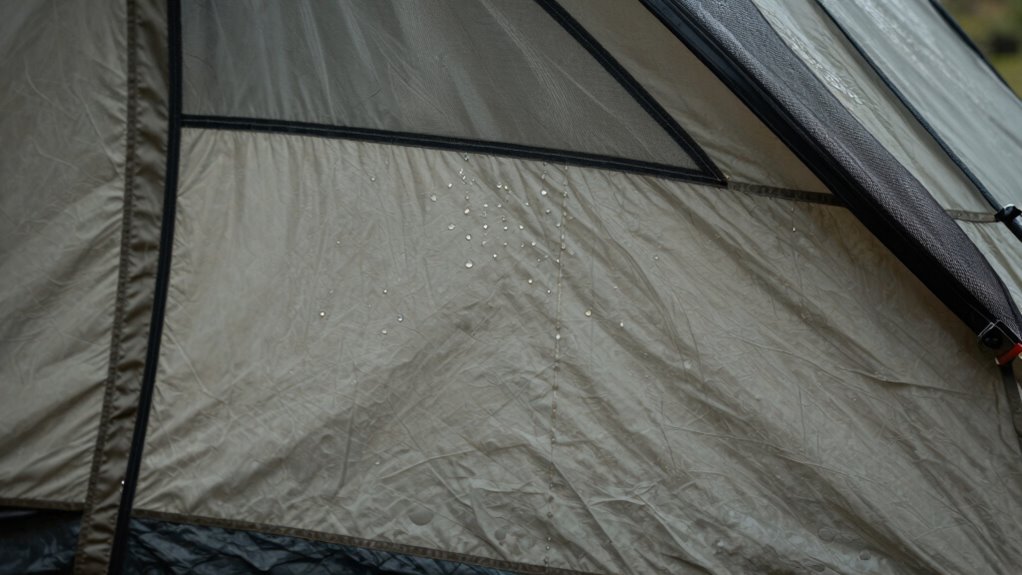
- Warm, moist air inside tents cools at night, causing condensation on walls and ceilings.
- Selecting breathable, moisture-wicking gear reduces dampness and improves comfort.
- Monitoring weather conditions helps anticipate and manage moisture and condensation effectively.
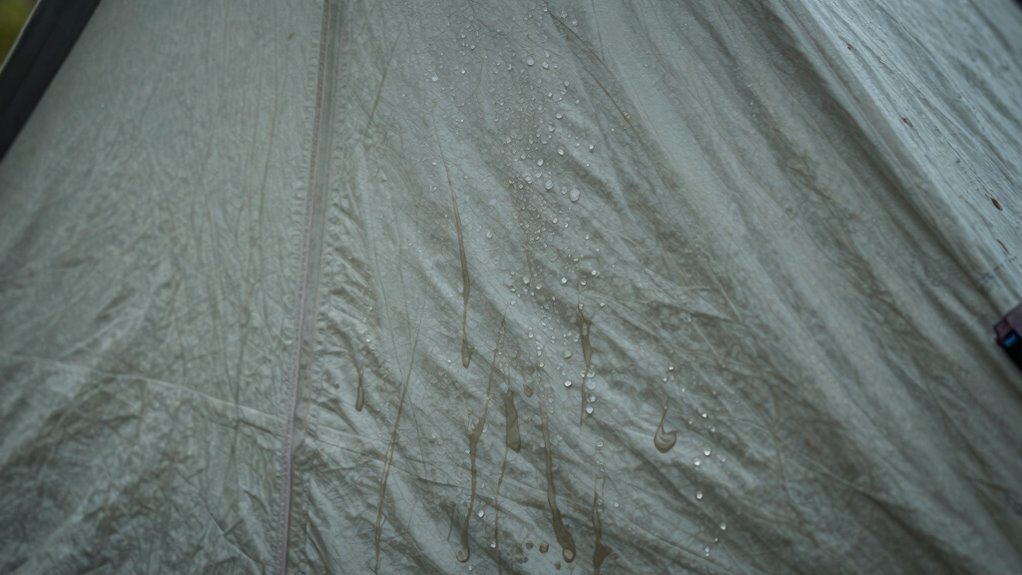
When camping, moisture and condensation can quickly turn a good trip into a soggy disappointment if you’re not prepared. It’s a sneaky problem that catches many campers off guard, especially if you’re relying on your camping gear to keep you dry. The truth is, even the best gear can struggle against the unpredictable nature of weather fluctuations. Sudden drops in temperature, high humidity, or unexpected rain can cause moisture buildup inside your tent and on your gear, no matter how seasoned you are. Recognizing these challenges early helps you take steps to minimize their impact.
Your camping gear plays a crucial role in managing moisture. Items like tents, sleeping bags, and clothing can all trap or repel moisture depending on their material and design. For instance, tents without proper ventilation can trap warm, moist air inside, leading to condensation on the walls and ceiling. Sleeping bags made from non-breathable fabrics can soak up moisture from your body or the environment, making you feel damp and uncomfortable. Even your clothing can contribute to the problem if you’re not dressed appropriately for the weather fluctuations. Layering moisture-wicking fabrics can help keep sweat away from your skin, but if your gear isn’t designed for changing conditions, you’ll still face issues.
Proper gear materials and design are essential to prevent moisture buildup and stay comfortable outdoors.
Weather fluctuations are often the root cause of moisture problems. When the temperature drops overnight, warm air inside your tent cools, causing the moisture in the air to turn into condensation. This isn’t just a minor inconvenience; it can soak your gear and make everything feel damp and uncomfortable. If it rains unexpectedly or if the humidity levels spike suddenly, moisture can seep into your gear or settle on surfaces, creating a damp environment that’s hard to dry out. Campers who don’t anticipate these fluctuations often wake up to wet gear or a damp tent interior, which can lead to discomfort or even health issues like colds and skin irritation. Additionally, understanding how weather fluctuations impact moisture levels and knowing how to adjust your camping gear setup will make your trip more comfortable and prevent moisture from turning your adventure into a soggy ordeal. Being aware of climatic variations can help you better prepare your gear and protect your belongings. Proper ventilation techniques are essential to allow moist air to escape and dry out the interior of your tent more effectively. In fact, investing in ventilation accessories like vents or fans can significantly improve airflow inside your tent, reducing condensation.
As an affiliate, we earn on qualifying purchases.
Frequently Asked Questions
How Does Camp Moisture Affect Different Types of Tents?
Camp moisture can considerably impact your tent, especially depending on its material and insulation. For instance, single-wall tents tend to trap more moisture, making condensation worse, while double-wall tents offer better moisture control. Poor moisture management can lead to dampness, mold, and even structural damage. To prevent this, you should improve tent insulation and ventilate well, ensuring moisture escapes and your camping experience remains comfortable and dry.
Can Condensation Cause Long-Term Damage to Camping Gear?
Condensation can cause long-term damage to your camping gear if left unaddressed. Moisture seeps into fabrics, sleeping bags, and gear, leading to mold, mildew, and material breakdown over time. To prevent this, prioritize camping hygiene by keeping gear dry and ventilated. Use moisture mitigation techniques like airing out your equipment regularly and using dehumidifiers or moisture absorbers. Taking these steps helps preserve your gear’s lifespan and maintains its performance.
Are There Specific Materials That Resist Moisture Better?
Think of your gear as a fortress against moisture. Water-resistant fabrics act like shields, repelling water before it soaks in, while breathable materials serve as the gates, allowing moisture to escape without trapping it inside. Materials like Gore-Tex or treated nylon resist moisture better, keeping your gear dry and your comfort intact. Choosing gear with these fabrics guarantees you’re prepared to face damp conditions without sacrificing breathability or performance.
What Are the Best Times of Day to Ventilate a Tent?
The best times to ventilate your tent are early mornings and late evenings when temperatures are cooler. Doing so prevents excess moisture buildup and reduces condensation. Remember campground etiquette by keeping your tent’s vents open without disturbing neighbors. Essential gear like portable fans or vent covers can boost airflow. Regularly ventilating helps keep your tent dry and comfortable, ensuring a better camping experience while respecting the environment and fellow campers.
How Can I Tell if Condensation Is Damaging My Equipment?
You might notice your gear feels damp or develops a musty smell—signs that indoor humidity from condensation could be affecting your equipment. To prevent damage, regularly inspect your gear for corrosion or mold, and keep it properly ventilated. If condensation persists, it can lead to long-term issues like fabric weakening or material deterioration. Staying attentive to these signs helps with equipment maintenance and guarantees your gear stays in top condition.
moisture-wicking camping clothing
As an affiliate, we earn on qualifying purchases.
As an affiliate, we earn on qualifying purchases.
Conclusion
So, next time you’re camping, don’t assume moisture and condensation are just nuisances. The truth is, they’re often signs your setup needs a little tweak. By understanding the real causes—like breath, weather, or ventilation—you can keep your gear dry and comfortable. It’s not just about avoiding dampness; it’s about mastering the art of a cozy, dry camp. Believe me, a little knowledge goes a long way in making your adventure truly enjoyable.
As an affiliate, we earn on qualifying purchases.
As an affiliate, we earn on qualifying purchases.
NFL season / tailgating Picks
team gear
As an affiliate, we earn on qualifying purchases.