Travel days exhaust you more than activity days because you spend extra energy managing logistics, maneuvering airports, and dealing with delays. Prolonged transit keeps you physically still, causing discomfort and fatigue, while constantly adjusting to new routines drains your mental energy. Early wake-ups, security lines, and unpredictable schedules add stress, making it hard to rest or recover. If you keep going, you’ll discover key ways to reduce this exhaustion and enjoy your travels more.

Get the little things that make your day delivered free — and shop member deals
- Fast, free delivery on millions of items
- Access to Prime Big Deal Days deals on October 6–7
- Prime Video, Amazon Music and more included
Key Takeaways
- Travel days involve managing logistics, delays, and unfamiliar routines, increasing mental and physical fatigue.
- Extended periods of sitting in transit cause muscle stiffness and reduced blood circulation.
- Constant cultural adjustments and small daily differences drain mental energy.
- Early wake-ups, security lines, and unpredictability heighten stress and physical exhaustion.
- Travel days lack active exploration and restorative experiences, preventing physical and mental recovery.
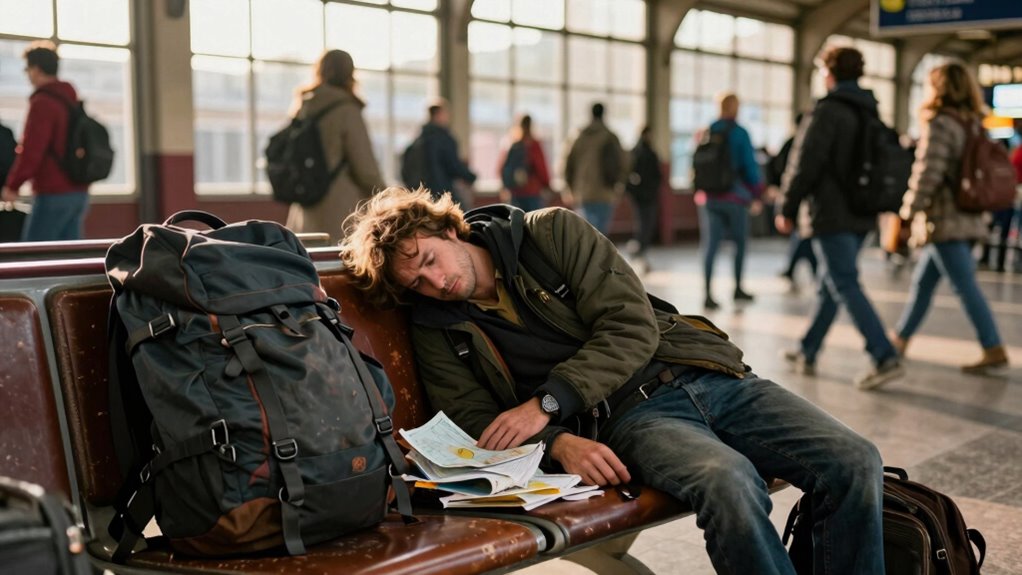
Many travelers underestimate how draining travel days can be, often feeling more exhausted after hours of maneuvering airports, waiting in lines, and dealing with delays than after actively exploring a new city. These days are often more about managing logistics than enjoying the journey. As you move from one destination to another, you’re constantly adapting to cultural adjustments—new languages, customs, and unfamiliar routines—that can drain your mental energy just as much as physical exertion. Every step outside your comfort zone requires mental recalibration, which adds to your overall fatigue. Even small differences, like different currencies or unfamiliar food, require conscious effort, leaving you mentally taxed by the time you reach your accommodation.
Travel days drain your energy through logistics, cultural adjustments, and mental recalibration, leaving you more exhausted than active exploration.
Transportation fatigue is another major factor that makes travel days especially exhausting. Sitting in airplanes, trains, or buses for hours on end strains your body, especially if you don’t get comfortable or stretch regularly. The lack of movement during long transit periods causes your muscles to stiffen, blood circulation to slow, and your energy levels to dip. When you finally arrive at your destination, your body might feel drained, not just from the physical toll but also from the mental effort of staying alert amidst the hustle and bustle of transit hubs. Coordinating airports, dealing with delays, and finding your way through unfamiliar transportation systems demand constant focus, which can be surprisingly draining. Additionally, the physical toll of extended sitting can lead to discomfort and fatigue that linger well after your journey ends. Incorporating proper hydration and movement during transit can significantly help reduce this fatigue and improve overall comfort. Recognizing the importance of rest and recovery can further help you rejuvenate after a long travel day. Being mindful of your body’s signals during transit can help prevent unnecessary discomfort and help you arrive more refreshed. Being aware of physical comfort strategies can also contribute to a smoother, less tiring journey.
On top of that, travel days rarely follow a relaxed rhythm. You might wake up early, rush to catch a flight, stand in long security lines, and then try to stay patient through delays and cancellations. All these stresses build up, leaving you physically and mentally exhausted by the time you reach your destination. Unlike activity days, where movement and exploration invigorate you, travel days often strip away your energy reserves. Instead, you arrive feeling depleted, craving rest more than adventure.
The cumulative effect of cultural adjustments and transportation fatigue means your body and mind are operating in overdrive for hours. You don’t get the same restorative benefits you’d get from active sightseeing or leisure activities. Instead, your energy gets sapped by constant adaptation and physical strain. Recognizing this can help you plan better—building in rest, staying hydrated, and managing expectations—so you’re not left feeling wiped out every time you move from one place to another. Ultimately, understanding why travel days drain you more than activity days allows you to approach your trips with more patience and self-care, making the journey as enjoyable as the destination.
As an affiliate, we earn on qualifying purchases.
Frequently Asked Questions
How Can I Minimize Travel Day Fatigue?
To minimize travel day fatigue, prioritize restorative sleep by bringing a neck pillow and noise-canceling headphones. Stay hydrated with water and avoid excessive caffeine or alcohol, which can dehydrate you. Stretch during layovers and move around when possible to boost circulation. Planning your travel schedule to allow rest breaks and eating nutritious meals also helps manage exhaustion. These strategies keep you energized and ready to enjoy your trip.
Does Jet Lag Contribute to Travel Day Exhaustion?
Yes, jet lag does contribute to travel day exhaustion. When you experience a time zone adjustment, your body’s internal clock gets out of sync, leading to sleep disruption. This lack of quality sleep drains your energy and makes travel days feel even more exhausting. To reduce this, try gradually adjusting your schedule before traveling, stay hydrated, and get sunlight to help your body adapt faster and lessen jet lag’s impact.
Are Certain Transportation Modes Less Tiring?
Certain transportation modes are less tiring, especially when you prioritize comfortable seating and use travel accessories. For instance, trains and private cars often offer more space, allowing you to stretch out and stay comfortable, which reduces fatigue. Using travel accessories like neck pillows, eye masks, and noise-canceling headphones can also make a big difference. These comforts help you relax, conserve energy, and arrive feeling more refreshed, no matter your mode of transportation.
How Does Packing Affect Travel Day Energy Levels?
Packing can quietly influence your travel day energy levels. A well-planned packing strategy keeps your luggage weight manageable, making handling luggage smoother and less tiring. When you pack thoughtfully, choosing versatile items and avoiding overstuffed bags, you conserve your strength. Light, organized luggage allows you to navigate airports and stations with ease, preventing unnecessary fatigue. Ultimately, mindful packing transforms what could be a draining chore into a seamless part of your journey.
Can Nutrition Improve Travel Day Stamina?
Yes, proper nutrition can boost your travel day stamina. You should focus on meal timing to keep your energy steady, eating balanced meals with carbs, protein, and healthy fats. Hydration strategies are equally important—drink plenty of water before and during travel to stay alert and avoid fatigue. Avoid heavy or sugary foods that cause crashes. This way, you’ll maintain energy, stay comfortable, and make your travel days less exhausting.
As an affiliate, we earn on qualifying purchases.
Conclusion
So, next time you feel drained after a travel day, remember it’s like running a marathon through a storm—your energy gets worn thin from the chaos, not just the miles. Activity days, with their bursts of movement, are like a steady heartbeat, keeping you energized. Embrace the journey, knowing that the quiet days of travel are the true test of your endurance, shaping your adventure into a wild, unforgettable ride.
As an affiliate, we earn on qualifying purchases.
As an affiliate, we earn on qualifying purchases.
NFL season / tailgating Picks
team gear
As an affiliate, we earn on qualifying purchases.