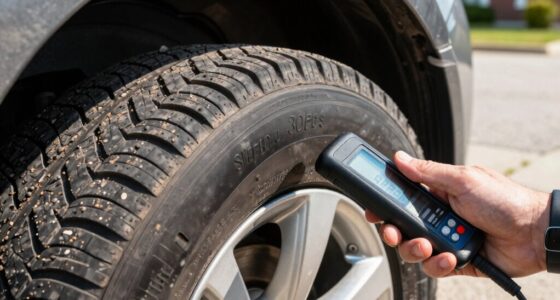
Car batteries fail mainly due to age, extreme temperatures, and poor maintenance. Cold weather reduces starting power, while excessive heat accelerates deterioration. Corrosion on terminals and frequent short trips can also impact battery life, preventing full charges. If you notice signs like dim headlights or slow cranking, your battery might be on its way out. Staying informed about these factors can help you maintain your battery better, and there’s more to explore about keeping it in top shape.
Key Takeaways
- Extreme temperatures can reduce battery performance, with cold weather impairing starting power and heat accelerating deterioration.
- Corrosion on battery terminals leads to poor connectivity, resulting in starting issues and diminished power supply.
- A battery’s age affects its ability to hold a charge, increasing the likelihood of failure after three years.
- Frequent short trips can prevent batteries from fully charging, leading to faster wear and potential failure.
- Neglected maintenance, such as not cleaning terminals or checking water levels, can accelerate battery degradation and reduce lifespan.

TKDMR Battery Terminal Cleaners (2 pcs),12 pcs Battery Terminal Anti-Corrosion Fiber Washers (6 Red & 6 Green) for Car Marine Battery
Quantity: comes with 10 pieces battery anti-corrosion washers(5 red & 5 green) and 2pcs Battery Terminal Cleaning Brush.
As an affiliate, we earn on qualifying purchases.
As an affiliate, we earn on qualifying purchases.
How Do Car Batteries Work?

Car batteries work by converting chemical energy into electrical energy, which powers your vehicle’s electrical systems and starts the engine. The battery’s chemistry involves lead and sulfuric acid, creating a chemical reaction during discharge that releases electrons. These electrons flow through the circuit, providing the necessary energy for ignition and other electrical components.
Energy storage is essential for your battery’s function, allowing it to store energy generated by the alternator when the engine runs. When you turn off your engine, the battery retains this stored energy for later use. Understanding battery chemistry and energy storage helps you appreciate how important your car battery is for reliable vehicle performance. Regular maintenance guarantees it operates efficiently, keeping you on the road.

NOCO GENIUS1: 1A 6V/12V Smart Battery Charger – Automatic Maintainer, Trickle Charger & Desulfator with Overcharge Protection & Temperature Compensation – for Lead-Acid & Lithium Batteries
MEET THE GENIUS1 — Similar to our G750, just better. It's 35% smaller and delivers over 35% more…
As an affiliate, we earn on qualifying purchases.
As an affiliate, we earn on qualifying purchases.
Common Causes of Car Battery Failure

Car batteries can fail for several reasons that you might not realize. Extreme temperatures, corrosion, and simply the age of the battery can all play a big role in its performance. Understanding these common causes will help you keep your battery in better shape and avoid unexpected breakdowns.
Extreme Temperature Effects
While you might not think about it often, extreme temperatures can greatly impact your battery’s performance and lifespan. Both hot and cold conditions put stress on your battery, leading to potential failure. Here are some key effects to reflect on:
- Heat causes battery fluid evaporation, reducing capacity and leading to overheating.
- Cold temperatures can slow down chemical reactions, making it harder for your battery to start your engine.
- Temperature fluctuations can cause internal damage, disrupting thermal management and reducing overall efficiency.
- Excessive heat can accelerate corrosion, contributing to battery degradation over time.
Corrosion And Damage
Extreme temperatures not only affect your battery’s performance but can also lead to corrosion and damage, which are common causes of battery failure. When corrosion builds up on battery terminals, it can create a barrier between the battery and your vehicle’s electrical system, causing poor performance or starting issues. Regular corrosion prevention is essential; cleaning terminals and applying a protective grease can help extend battery life. Conducting a damage assessment periodically allows you to spot any signs of wear or corrosion early. If you notice a white, powdery substance around the terminals, it’s time to take action. By addressing these issues promptly, you can avoid unexpected battery failures and keep your vehicle running smoothly.
Age And Wear
As batteries age, their ability to hold a charge diminishes, leading to increased wear and a higher likelihood of failure. Understanding the common wear patterns can help you extend your battery lifespan. Here are four key factors to evaluate:
- Temperature Fluctuations: Extreme heat or cold can accelerate wear.
- Frequent Short Trips: Short drives prevent the battery from fully charging, causing wear.
- Neglected Maintenance: Dirt and corrosion can compromise connections, leading to faster decay.
- Old Age: Most car batteries last around 3-5 years; beyond this, failure risks increase considerably.

NOCO NCP2 MC101 Battery Terminal Cleaning Kit With Battery Corrosion Preventative Spray, And Anti-Corrosion Washers
Stops Battery Corrosion – Stops corrosion for the life of your battery, making all surfaces impenetrable to corrosion-causing…
As an affiliate, we earn on qualifying purchases.
As an affiliate, we earn on qualifying purchases.
Signs Your Car Battery Is Failing
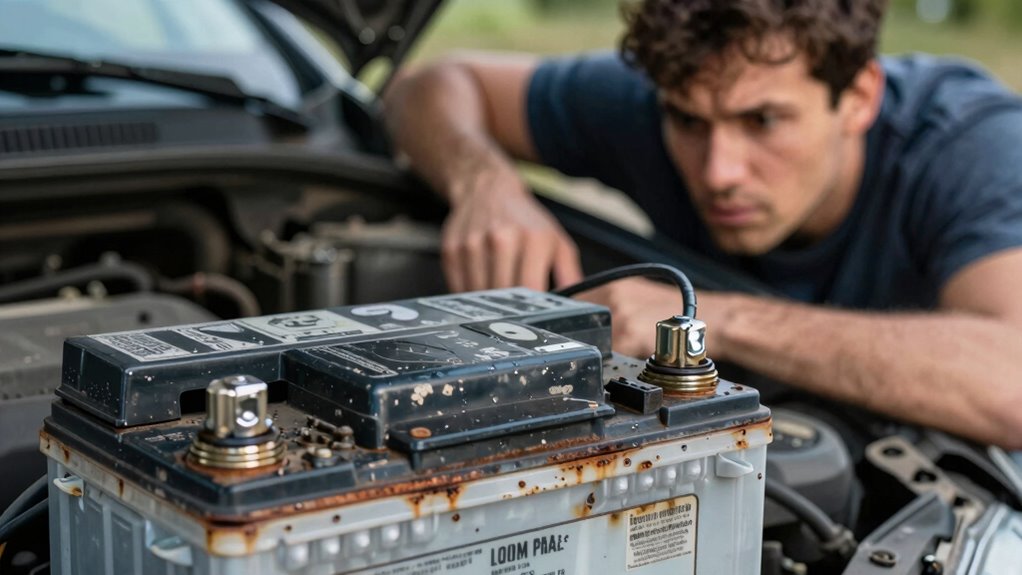
How can you tell if your car battery is on its last legs? Look for a few key signs. If you notice a battery warning light appearing on your dashboard, it’s time to pay attention. Another telltale sign is if your engine cranks slowly when you start your car. You might also experience dim headlights or electrical issues, which indicate insufficient power. If your battery’s terminals show corrosion or if it’s over three years old, it’s wise to contemplate testing methods to assess its health. Regularly testing your battery can help you catch problems early, ensuring you’re not left stranded. Keeping an eye on these indicators will help you maintain your vehicle’s reliability.
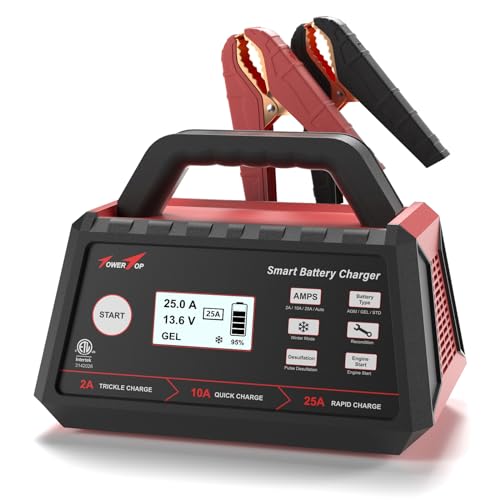
TowerTop 2/10/25 Amp 12V Smart Car Battery Charger, Fully Automatic Battery Maintainer with Engine Start, Auto Desulfator, Battery Repair, Winter Mode, for AGM, STD, Gel, Deep Cycle Batteries
Efficient, Energy-Saving, and Fast Charging: The TowerTop 12v battery charger offers 4 adjustable current settings (2A/10A/25A/AUTO) to meet…
As an affiliate, we earn on qualifying purchases.
As an affiliate, we earn on qualifying purchases.
How to Address Signs of Battery Failure
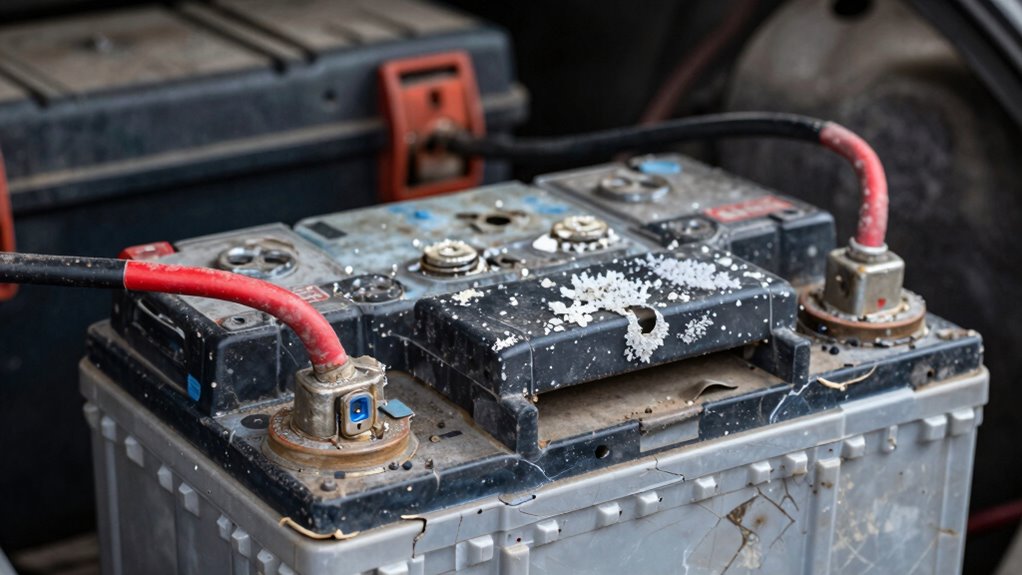
When you notice signs of battery failure, addressing the issue promptly can save you from bigger problems down the road. Here are some effective battery maintenance tips and troubleshooting techniques to take into account:
Addressing battery failure signs early can prevent larger issues later. Proactive maintenance is key to reliability.
- Clean the terminals: Remove any corrosion for better connectivity.
- Check the charge: Use a multimeter to verify your battery is holding the proper voltage.
- Inspect for leaks: Look for any signs of fluid leakage that could indicate a failing battery.
- Test your battery: Have it tested at a local auto shop to determine its health and lifespan.
Taking these steps can help you extend your battery’s life and prevent unexpected breakdowns. Remember, proactive care goes a long way!
How Weather Affects Car Battery Performance

Weather can greatly impact your car battery’s performance. Extreme cold temperatures can reduce its starting power, while high heat can cause it to deteriorate faster. Understanding these effects helps you take better care of your battery year-round.
Extreme Cold Temperatures
As temperatures plummet, your car battery’s performance can take a serious hit. Cold battery performance declines considerably, making it harder for your engine to start. To keep your battery in top shape during winter, consider these maintenance tips:
- Check battery health: Test your battery’s voltage and overall condition.
- Clean terminals: Remove any corrosion from battery terminals to guarantee a good connection.
- Insulate the battery: Use a battery blanket or insulation to protect it from extreme cold.
- Keep it charged: Regularly drive your car or use a trickle charger to maintain battery charge.
High Heat Effects
While cold temperatures can drain your battery’s power, high heat can be just as damaging. Excessive heat accelerates the chemical reactions inside your battery, leading to heat damage that can shorten its lifespan. When temperatures soar, the risk of thermal runaway increases, which can cause your battery to overheat and potentially fail. You might notice reduced performance or even complete battery failure on sweltering days. Keeping your car in the shade or a garage can help mitigate these effects. Monitor your battery’s condition regularly, especially during hot weather. Remember, taking preventive measures can save you from unexpected breakdowns and costly replacements. Stay aware of how heat affects your battery to keep your vehicle running smoothly.
How to Extend Car Battery Lifespan

To guarantee your car battery lasts as long as possible, it’s essential to adopt a few simple habits. Implementing regular maintenance and proper battery storage can greatly extend its lifespan. Here are four tips to help you out:
- Keep terminals clean: Remove corrosion to guarantee a proper connection.
- Limit short trips: Frequent short drives can prevent the battery from fully charging.
- Use a battery maintainer: If you store your car for an extended period, a maintainer keeps it charged.
- Check the battery age: Replace the battery every 3-5 years, depending on the manufacturer’s recommendation.
Busting Common Car Battery Myths

Many people hold onto misconceptions about car batteries that can lead to confusion and poor maintenance practices. One common myth is that you should always disconnect your battery when not in use. In reality, modern batteries are designed to handle small draws without issues. Another battery longevity myth is that extreme temperatures always kill batteries; while they can impact performance, regular maintenance can mitigate this. Some folks also believe that adding water to a battery is unnecessary, but it’s essential for flooded lead-acid batteries. Finally, don’t assume your battery is fine just because it looks good; regular testing is key. Understanding these maintenance misconceptions can help you keep your battery in top shape and avoid unnecessary replacements.
Frequently Asked Questions
How Long Do Car Batteries Typically Last?
Car batteries typically last between three to five years, but several factors can affect their lifespan. Extreme temperatures, driving habits, and battery maintenance play essential roles. To extend your battery’s life, keep terminals clean, check the water levels, and make certain the connections are secure. Regularly testing the battery can also help you catch issues early. By following these maintenance tips, you can maximize your battery’s performance and longevity.
Can a Car Battery Be Recycled?
Yes, you can recycle a car battery! In fact, battery recycling is essential for reducing environmental impact. Most parts of a car battery, including lead and acid, can be repurposed, preventing harmful materials from entering landfills. When you’re ready to dispose of your old battery, take it to a recycling center or an auto parts store that offers recycling services. You’ll be helping the planet while ensuring valuable materials are reused.
What Should I Do With a Dead Battery?
Did you know that about 25% of car batteries end up in landfills, causing environmental harm? When you’ve got a dead battery, don’t just toss it. Proper battery disposal is essential. You can take it to a recycling center or a local auto shop that handles battery waste. If you’re in a pinch, consider jump starting it, but remember that’s just a temporary fix. Always prioritize safe disposal for the sake of our planet.
Are Brand Name Batteries Worth the Extra Cost?
Yes, brand name batteries are often worth the extra cost. You’re paying for brand reputation, which usually means better quality and reliability. These brands tend to invest more in research and development, resulting in batteries that last longer and perform better. Plus, many offer solid battery warranties, giving you peace of mind. In the long run, the investment can save you money and hassle. It’s always smart to evaluate quality over just price.
How Does Driving Habits Impact Battery Life?
Think of your battery like a garden; how you care for it impacts its growth. Your driving habits directly affect battery life, as frequent short trips can lead to incomplete charging, akin to watering a plant too little. Good battery maintenance, such as regular checks and longer drives, helps keep it healthy. So, if you drive often and take longer trips, your battery’s likely to thrive, ensuring you won’t be left stranded.
Conclusion
So, now that you’re practically a car battery expert, you can impress your friends with your newfound knowledge—or bore them to tears, your choice! Just remember, if your battery starts acting like a moody teenager, it’s time to take action. Ignore the signs, and you might find yourself stranded like a forgotten sock in the dryer. Keep your battery happy, and it’ll return the favor by sparing you the drama of a dead car on a rainy day!