A car maintenance schedule‘s essential for your vehicle’s longevity. Regular tasks, such as oil changes at 5,000 miles and brake inspections at 30,000 miles, can prevent costly repairs and boost safety. Seasonal changes require tire rotations and fluid checks, while warning signs like unusual noises or vibrations shouldn’t be ignored. Staying organized with reminders and a checklist can help you keep on track. Stick with us to uncover more about maintaining your car’s efficiency and reliability.
Key Takeaways
- Follow a mileage-based schedule for key maintenance tasks, such as oil changes every 5,000 miles and brake checks at 30,000 miles.
- Rotate tires every 5,000 miles to ensure even wear and improve vehicle handling.
- Prepare for seasonal changes by checking fluids, wiper blades, and battery performance.
- Monitor for warning signs, like dashboard alerts or unusual noises, to catch issues early.
- Use reminders and checklists to stay organized and ensure timely maintenance completion.

Oil Change Kit – Includes 8-Quart Oil Pan, Longneck Oil Funnel with Removable Filter, and 5 Pack of Shop Towels – Motor Oil Drain pan for Changing Oil – Oil Change Value Kit with by Foxtrot Living
Oil Changing Solution – Tackle your next oil change with confidence using Fox Trot's Oil Change Pan Kit….
As an affiliate, we earn on qualifying purchases.
As an affiliate, we earn on qualifying purchases.
Why a Car Maintenance Schedule Is Essential for Longevity
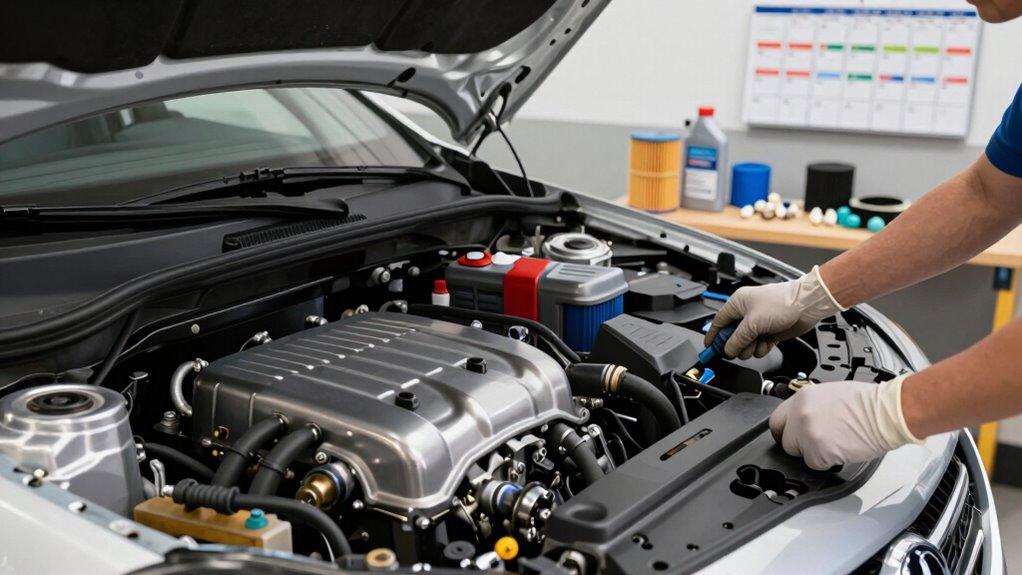
A well-planned car maintenance schedule is your best ally in ensuring your vehicle lasts for years. Understanding the importance of regular upkeep can save you from costly repairs down the line. By sticking to a maintenance plan, you’ll notice numerous benefits, such as improved fuel efficiency and enhanced safety. Routine tasks like oil changes, tire rotations, and brake inspections contribute greatly to your car’s longevity. You’ll not only enjoy a smoother ride but also prevent unexpected breakdowns that can drain your wallet. In the long run, these proactive measures lead to substantial savings, allowing you to invest more in experiences rather than repairs. So, prioritize your car maintenance schedule and reap the rewards of a reliable vehicle.

AOBEN Cordless Impact Wrench 1/2 Inch, Power Impact Gun Kit, Max 600N. M/450Ft-lbs High Torque Electric Impact Driver for Car RV Tire, 4.0Ah Battery, Charger, 6 Sockets & Storage Tool Case
🛠【Compact & Powerful】AOBEN cordless impact wrench gets size, weight and performance well balanced. The compact design and LED…
As an affiliate, we earn on qualifying purchases.
As an affiliate, we earn on qualifying purchases.
Critical Car Maintenance Tasks Based on Mileage Milestones
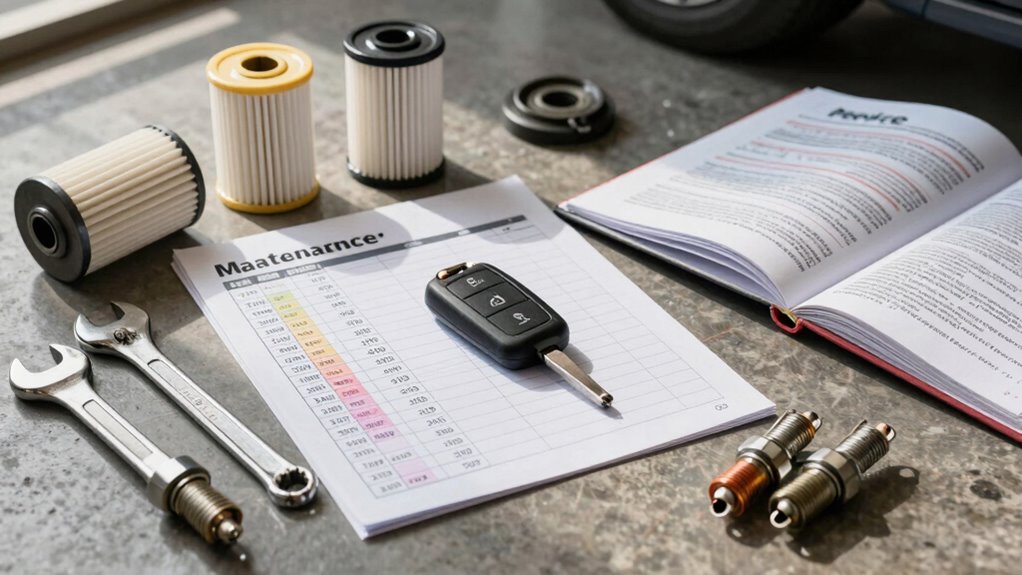
Every 5,000 miles, your car needs specific maintenance tasks to keep it running smoothly. At this mileage milestone, you should change the engine oil and replace the oil filter. Checking tire pressure and tread depth is also essential; this guarantees safety and efficiency. Proper vehicle maintenance routines can also help extend the lifespan of your car. As you reach 15,000 miles, inspect your air filter and replace it if needed. By 30,000 miles, it’s time to check your brake pads and fluid levels. Don’t forget to rotate your tires every 5,000 miles to promote even wear. When you hit 60,000 miles, consider replacing your timing belt and flushing your coolant. Staying on top of these maintenance tasks helps prevent costly repairs and keeps your vehicle in top shape.

ZeriLion Automotive Brake Pad Wear Measurement Kit – Color-Coded Gauges with Both SAE & Metric Markings – Mechanic Inspection Tool
[Accurate Brake Measurement] Ensure vehicle safety with this precise brake pad measuring tool, Get quick, reliable readings –…
As an affiliate, we earn on qualifying purchases.
As an affiliate, we earn on qualifying purchases.
How to Prepare Your Car for Seasonal Changes
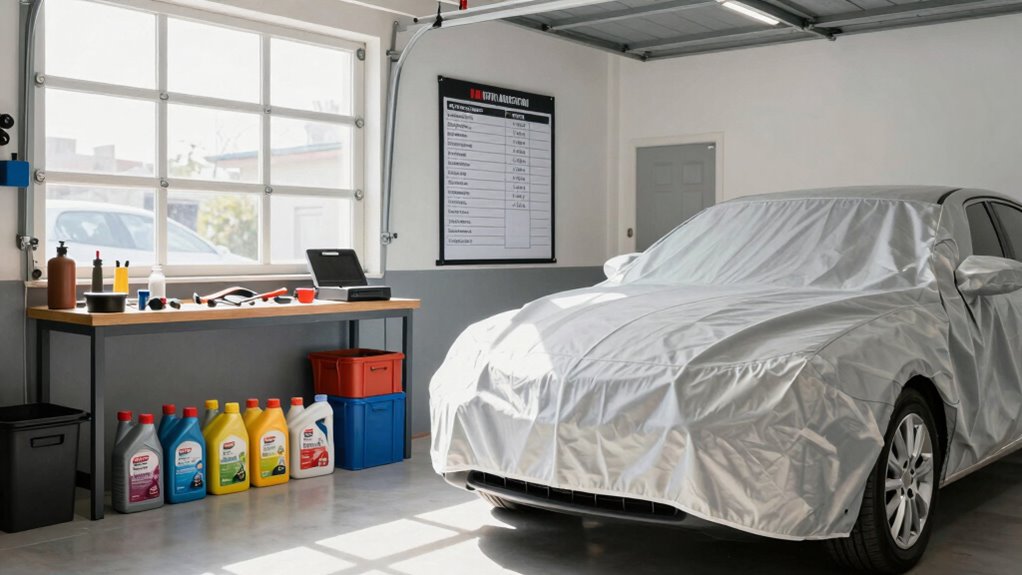
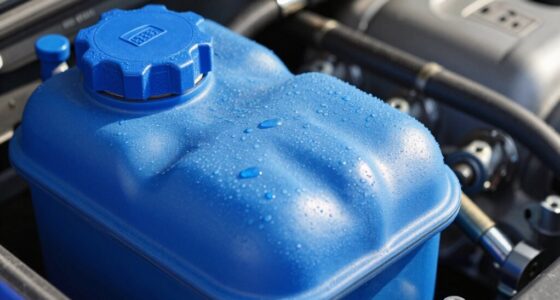
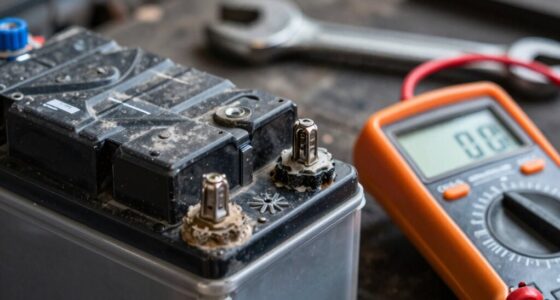
As temperatures shift and seasons change, it’s vital to prepare your car to guarantee peak performance and safety. Start by scheduling a tire rotation to verify even tread wear, which enhances traction during varying weather conditions. Next, perform fluid checks, including oil, coolant, and brake fluid, to keep your engine running smoothly and efficiently. Don’t forget to inspect your wiper blades and replace them if they’re worn; visibility is critical during rain or snow. Additionally, check your battery, as extreme temperatures can impact its performance. Finally, confirm your headlights and taillights are functioning properly for safer driving. By following these steps, you’ll help your car adapt to seasonal changes and maintain its reliability on the road.
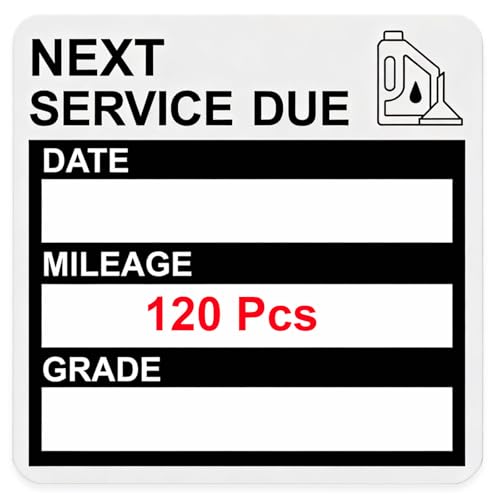
Static Cling Oil Change Stickers for Windshield, 120 Pcs 2×2 Inches No Glue No Residue Clear Next Service Due Reminder Labels for Car Window, Upgraded Transparent Removable Auto Maintenance Sticker
Static Cling, 100% Glue Free: Adheres steadily to windshields with static cling material. No glue, no sticky residue…
As an affiliate, we earn on qualifying purchases.
As an affiliate, we earn on qualifying purchases.
How to Spot Warning Signs in Your Car?
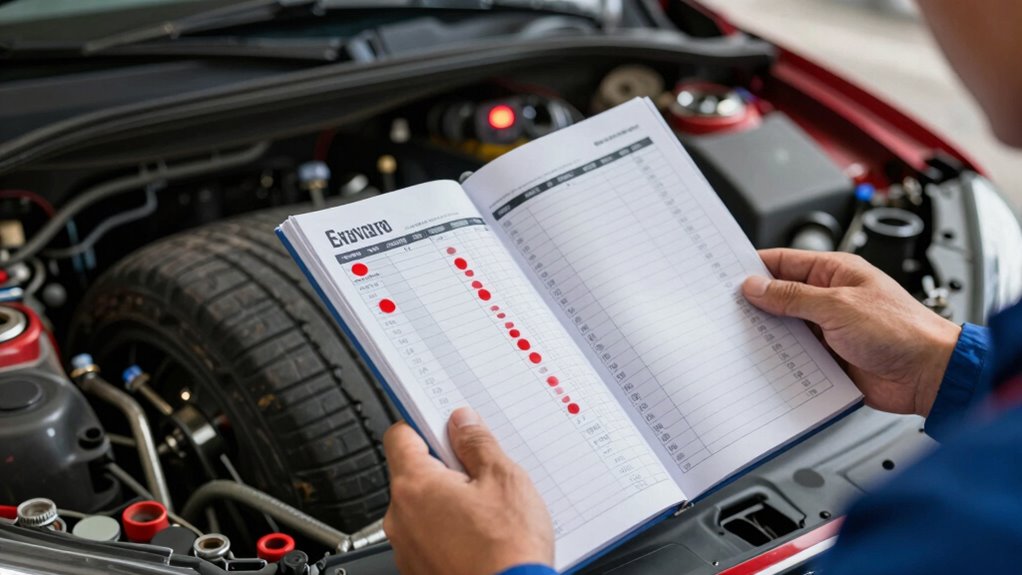
How can you tell if your car needs attention? Start by paying close attention to warning lights on your dashboard. If any of these lights illuminate, it’s a clear sign you need to investigate further. Don’t ignore them; they’re designed to alert you to potential issues. Next, listen for unusual noises while driving. If you hear grinding, squeaking, or knocking sounds, it could indicate a problem with your brakes, engine, or other essential components. Additionally, watch for changes in performance, such as difficulty steering or unusual vibrations. Trust your instincts—if something feels off, it probably is. Regularly checking these signs can help you catch issues early, preventing costly repairs down the line.
Tips for Sticking to Your Maintenance Schedule
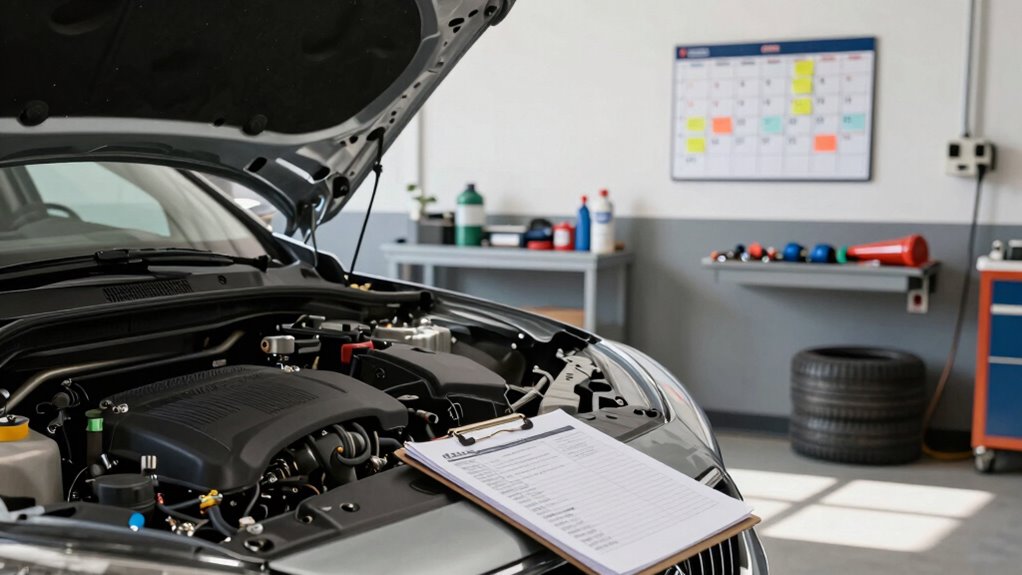
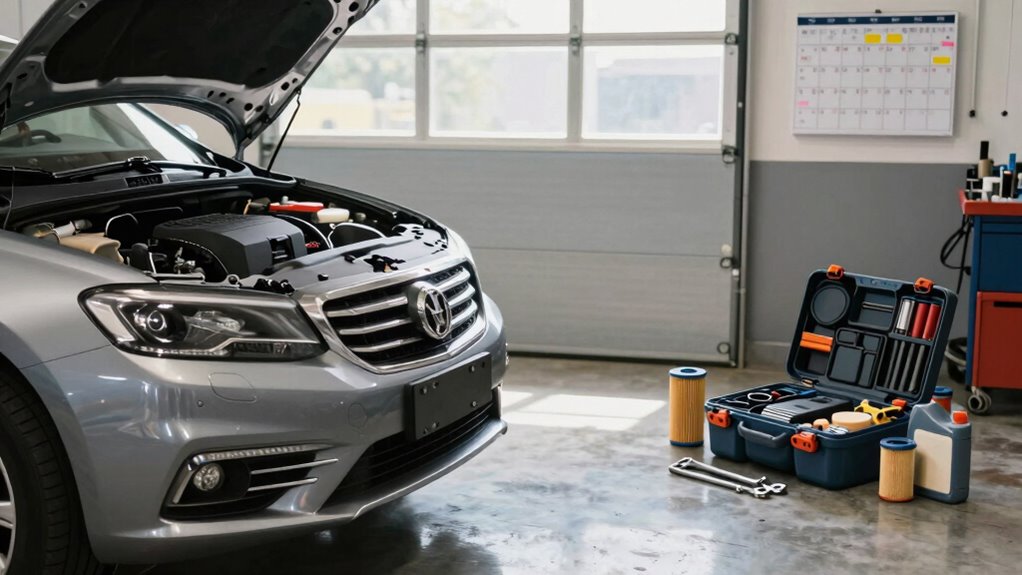
Sticking to your maintenance schedule is essential for keeping your car in top shape and avoiding unexpected repairs. To make this easier, set up maintenance reminders on your phone or calendar. This ensures you won’t forget vital tasks like oil changes or tire rotations. Additionally, consider using scheduling tools that help you track your maintenance history and upcoming services. These tools can alert you when it’s time for a check-up, ensuring you stay proactive. You can also create a checklist of tasks and mark them off as you complete them. By staying organized and making maintenance a priority, you’ll not only extend your car’s life but also enhance its performance and safety. Incorporating automobile safety features into your routine can further protect you and your passengers.
Frequently Asked Questions
How Can I Find My Car’s Specific Maintenance Schedule?
To find your car’s specific maintenance schedule, start by checking your vehicle manuals. They usually contain detailed guidelines on maintenance intervals. You can also visit your manufacturer’s website for recommendations tailored to your model. If you can’t find your manual, many manufacturers offer digital copies online. Don’t forget to keep track of what services you’ve done, as it’ll help you stay on top of your vehicle’s needs.
What Tools Do I Need for Basic Car Maintenance?
For basic car maintenance, you’ll need some essential tools. Did you know that nearly 70% of car owners don’t have the right tools for simple repairs? Grab a socket set, screwdrivers, pliers, and a tire pressure gauge as your maintenance essentials. A jack and jack stands are also vital for tire changes. Having these basic tools on hand makes routine checks and repairs much easier, ensuring your car runs smoothly for years to come.
Can I Perform Maintenance Myself, or Should I Hire a Professional?
You can definitely perform DIY maintenance if you feel comfortable with basic tasks like oil changes and tire rotations. However, for more complex issues, hiring professional services is wise. They’ve got the expertise and tools to handle tricky problems safely. Assess your skills and the specific maintenance needs of your vehicle. If you’re unsure, it’s better to invest in a professional to avoid costly mistakes down the road.
How Often Should I Check My Tire Pressure?
You should check your tire pressure at least once a month, but doing it more often is even better. Many folks think tire pressure’s only important during long trips, but it directly affects your vehicle’s safety and fuel efficiency. Regular safety checks can prevent blowouts and improve handling. Make it a habit to check before any road trips or seasonal changes—you’ll keep your tires in top shape and guarantee a smoother, safer ride.
What Should I Do if I Miss a Scheduled Maintenance?
If you’ve missed a scheduled maintenance, don’t panic. First, check your owner’s manual for specific guidelines and reschedule as soon as possible. Ignoring missed maintenance can lead to serious consequences, like decreased performance or costly repairs. It’s important to address any potential issues promptly. Keep an eye on your car’s behavior and make sure to stay on top of future appointments to avoid similar problems down the road.
Conclusion
Keeping up with your car maintenance schedule is like nurturing a friendship—it flourishes with attention and care. Picture cruising down a sunlit highway, your engine humming smoothly, knowing you’ve given your vehicle the love it deserves. By staying on top of critical tasks and seasonal prep, you’re not just avoiding costly repairs; you’re ensuring countless adventures await. So grab your toolkit, embrace the routine, and watch your car thrive, ready to hit the road with you at every turn.