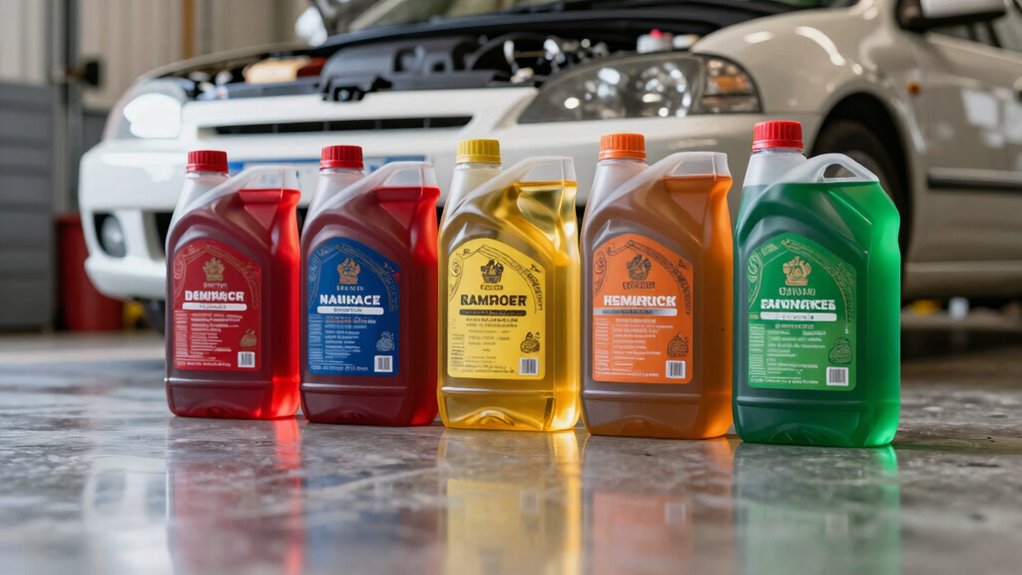

Car fluids are essential for your vehicle’s performance, each serving a specific purpose. Engine oil lubricates parts to prevent damage, while transmission fluid guarantees smooth gear shifts. Brake fluid helps you stop safely, and coolant manages engine temperature. Power steering fluid aids maneuverability, and windshield washer fluid keeps your visibility clear. Differential fluid maintains performance and longevity. Keeping track of these fluids is important for your car’s health—stick around to discover more about maintaining them effectively.

Get the little things that make your day delivered free with Prime
- Fast, free delivery on millions of items
- Prime Video, Amazon Music and more included
- Member-only deals all year
Key Takeaways
- Engine oil lubricates engine components, reducing friction and preventing damage; it needs regular changes every 5,000 to 7,500 miles.
- Transmission fluid ensures smooth gear shifting and requires maintenance to prevent wear and tear on automatic and manual systems.
- Brake fluid transfers force from the pedal to the brakes, essential for safety; regular checks are necessary due to moisture degradation.
- Coolant regulates engine temperature to prevent overheating, with various types that need regular maintenance to avoid severe damage.
- Differential fluid maintains optimal performance by removing contaminants; signs of low fluid include unusual noises, vibrations, and leaks.
As an affiliate, we earn on qualifying purchases.
Understanding the Importance of Car Fluids
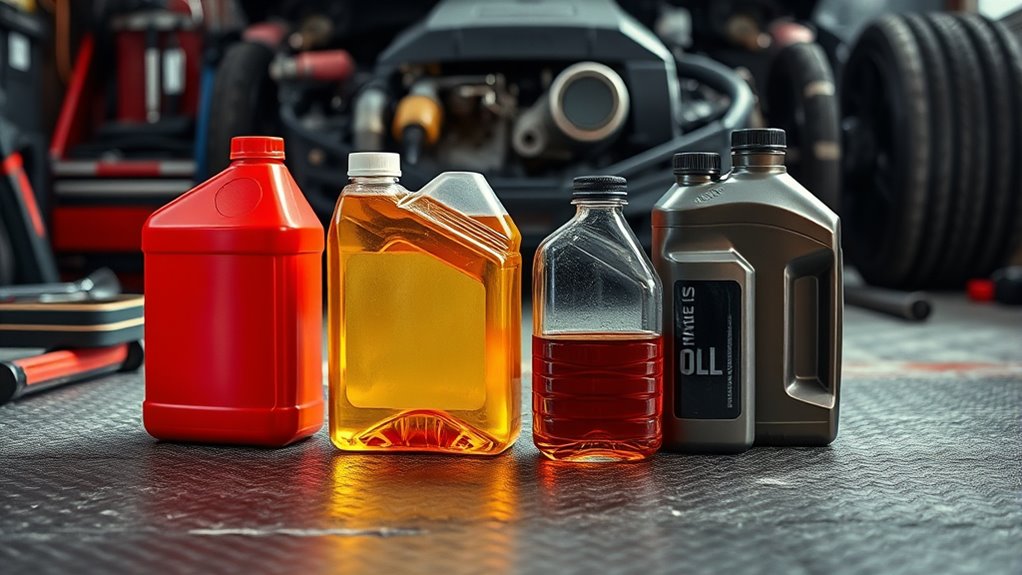
When you think about your car’s performance, it’s easy to overlook the vital role that fluids play. Each fluid type in your vehicle, from coolant to brake fluid, serves a specific purpose that’s essential for peak operation. Neglecting fluid maintenance can lead to serious issues, such as overheating or brake failure. Regular checks and changes guarantee that your engine runs smoothly, your brakes respond effectively, and your transmission shifts seamlessly. It’s not just about keeping your car running; it’s about enhancing its longevity and performance. By understanding the importance of each fluid type and committing to a maintenance schedule, you can prevent costly repairs and enjoy a safer, more reliable driving experience. Your car deserves that attention!
As an affiliate, we earn on qualifying purchases.
The Role of Engine Oil in Your Vehicle
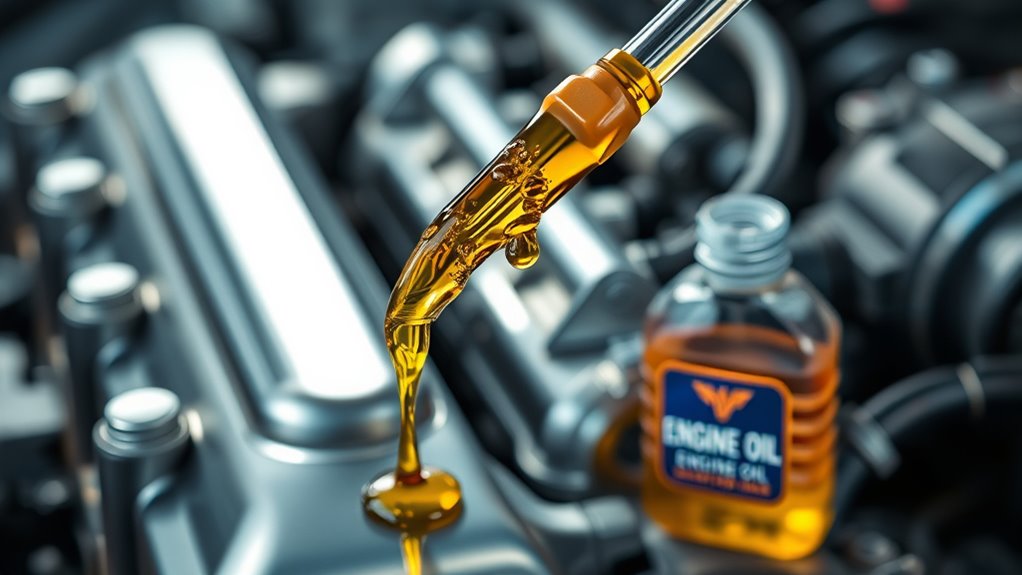
Engine oil plays a vital role in keeping your vehicle running smoothly. It lubricates the engine components, reducing friction and preventing wear and tear. Choosing the right engine oil types is important; you might opt for conventional, synthetic, or a blend, depending on your vehicle’s needs. Regular oil changes are necessary to maintain peak engine performance. When you don’t change the oil, dirt and debris can accumulate, leading to engine damage. It’s recommended to check your oil level monthly and replace it according to your manufacturer’s guidelines, usually every 5,000 to 7,500 miles. By staying proactive with your engine oil, you not only enhance performance but also prolong your vehicle’s lifespan and guarantee a smoother ride overall.
As an affiliate, we earn on qualifying purchases.
How Transmission Fluid Keeps Your Gearbox Running Smoothly
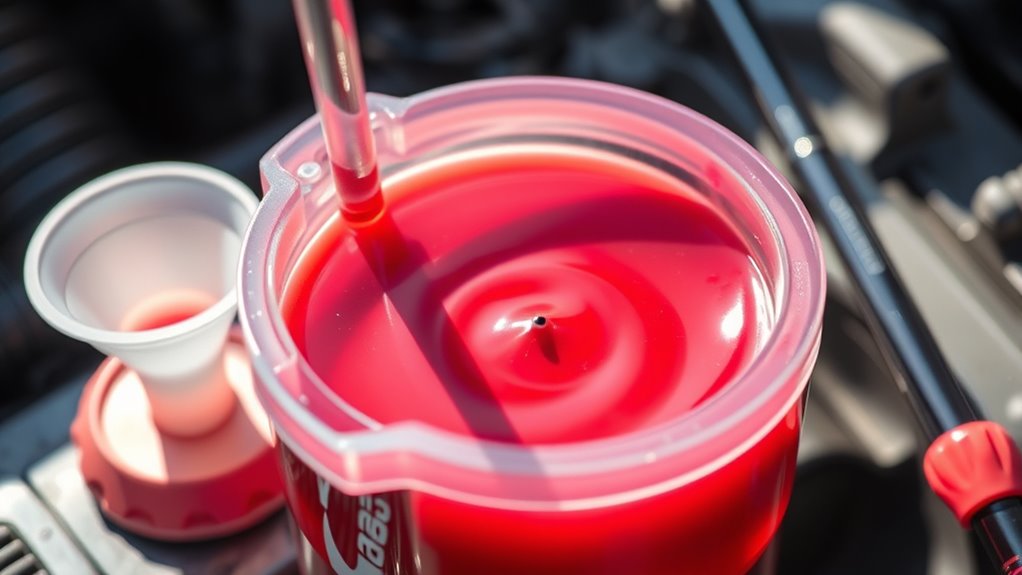
Without proper transmission fluid, your vehicle’s gearbox can quickly become a source of frustration and costly repairs. Transmission fluid serves several critical functions, including lubricating gears and facilitating smooth shifting. Regular transmission maintenance guarantees that the fluid remains at the right level and isn’t contaminated. There are various fluid types, such as automatic and manual transmission fluids, each designed for specific systems. Knowing which type your vehicle requires is essential for peak performance. Over time, transmission fluid can degrade, leading to increased wear and tear on your gearbox. By keeping an eye on your fluid levels and changing it according to your manufacturer’s recommendations, you can help prevent issues and prolong the life of your transmission.
As an affiliate, we earn on qualifying purchases.
How Brake Fluid Keeps You Safe
Though you might take it for granted, brake fluid plays an essential role in guaranteeing your safety on the road. This hydraulic fluid transfers force from your foot on the brake pedal to the brake components, allowing you to stop effectively. Without proper brake fluid, your vehicle’s safety features, like anti-lock brakes, can’t function correctly, increasing the risk of accidents.
Regularly checking and replacing your brake fluid is vital, as moisture can degrade its effectiveness over time. If you notice a spongy brake pedal or a warning light on your dashboard, it’s time to take action. By maintaining your brake fluid, you guarantee your vehicle responds reliably when you need to stop, keeping you and others safe on the road.
Why Coolant Is Crucial for Engine Temperature Control
Just as brake fluid is essential for your vehicle’s stopping power, coolant plays a key role in maintaining ideal engine temperature. It helps regulate temperature by absorbing heat from the engine and dissipating it through the radiator. Without proper coolant, your engine could overheat, leading to severe damage. There are various coolant types, including ethylene glycol and propylene glycol, each designed for specific temperature regulation needs. Using the right coolant guarantees peak performance and longevity of your engine. Regularly checking and replacing your coolant is critical, as old or contaminated fluid can lose its effectiveness, potentially causing overheating or freezing issues. Keep your engine running smoothly by prioritizing coolant maintenance—it’s a small but essential part of your vehicle’s health.
Power Steering Fluid’s Role in Maneuverability
Power steering fluid is essential for your vehicle’s maneuverability, making it easier to turn the steering wheel and handle tight corners. Without the right fluid, you might notice common issues like increased steering effort or strange noises. Understanding how this fluid works can help you maintain a smooth and responsive driving experience.
Importance Of Power Steering
Maneuverability is essential for any driver, and that’s where power steering comes into play. This system makes steering effortless, allowing you to navigate tight corners and parking spots with ease. Without proper power steering fluid, your steering can become heavy and unresponsive, making driving a challenge. Regular fluid maintenance is vital to keep the system functioning smoothly; low or contaminated fluid can lead to decreased performance. By ensuring your power steering fluid is at the right level and in good condition, you’re not just enhancing your driving experience, but also prolonging the life of the entire steering system. So, check that fluid regularly and enjoy the benefits of superior control on the road.
Common Power Steering Issues
While enjoying a smooth drive, you might not realize how vital power steering fluid is until you encounter issues. One common problem you may face is power steering leaks. These leaks can lead to a drop in fluid levels, resulting in steering wheel stiffness. When this happens, turning your steering wheel can feel like a workout, making maneuvering your vehicle more challenging.
Another issue could involve air bubbles in the fluid, which can also cause stiffness and reduce responsiveness. It’s important to regularly check your power steering fluid and address any leaks promptly. Keeping an eye on these common issues guarantees your steering system functions smoothly, allowing you to enjoy every drive without unnecessary strain or worry.
The Role of Windshield Washer Fluid in Visibility

When road conditions change due to rain, dirt, or debris, having clear visibility is vital for safe driving. This is where windshield washer fluid comes in. It helps maintain windshield clarity by effectively removing grime and enhancing your view of the road. There are various fluid types available, each designed to tackle specific challenges. For example, some fluids contain additives that prevent freezing in colder weather, while others might include cleaning agents to dissolve tough stains. Regularly checking and refilling your washer fluid guarantees your wipers can work efficiently, boosting your safety. Don’t underestimate the importance of this simple fluid—it plays a significant role in keeping your vision unobstructed, allowing you to respond quickly to any hazards on the road.
Understanding Differential Fluid and Its Importance
Differential fluid plays an essential role in keeping your car’s drivetrain functioning smoothly. If you notice unusual noises or find it hard to turn corners, you might be dealing with low differential fluid. Staying on top of this fluid’s condition can save you from costly repairs down the road.
Differential Fluid Functions
Understanding differential fluid is essential for maintaining your vehicle’s performance and longevity. This specialized fluid plays a vital role in ensuring your differential operates smoothly. Here are some key functions of differential fluid:
- Lubrication: Reduces friction between gears, preventing wear and tear.
- Cooling: Helps dissipate heat generated during operation, maintaining ideal temperatures.
- Contaminant Removal: Collects metal shavings and debris, keeping the differential clean.
- Fluid Replacement: Regular fluid replacement is important for effective differential maintenance and avoiding costly repairs.
Signs Of Low Fluid
How can you tell if your vehicle’s differential fluid is running low? Watching for fluid warning signs is essential to prevent damage. Here are some common indicators you shouldn’t ignore:
| Fluid Warning Signs | Fluid Leak Indicators |
|---|---|
| Unusual noises when turning | Puddles or stains under the car |
| Vibration during acceleration | Dark, thick fluid near the differential |
| Difficulty in turning | Burning smell from the fluid |
If you notice any of these issues, it’s time to check your differential fluid. Ignoring these signs can lead to costly repairs, so be proactive. Regular maintenance checks will help you catch these fluid leak indicators early, keeping your vehicle running smoothly. Additionally, understanding the importance of differential fluid can help you better maintain your vehicle’s drivetrain.
Tips for Checking and Maintaining Your Car Fluids
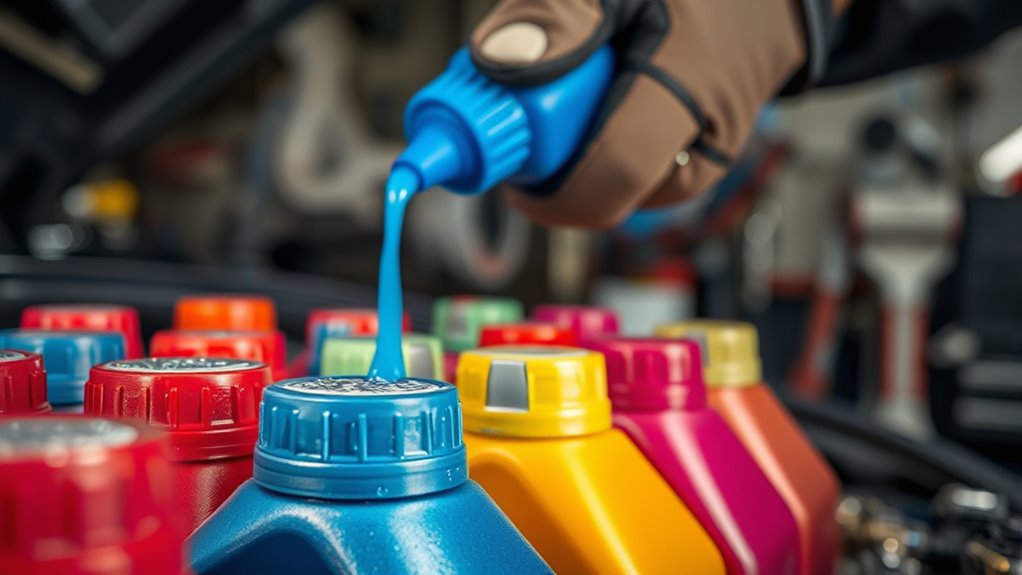
While you might not think about it often, regularly checking and maintaining your car fluids is essential for ideal vehicle performance. To guarantee your car runs smoothly, follow these tips:
- Check fluid levels monthly to catch potential issues early.
- Be aware of fluid contamination signs like discoloration or unusual smells.
- Stick to recommended fluid replacement intervals to keep your vehicle in top shape.
- Don’t forget to inspect hoses and seals for leaks, as they can lead to fluid loss.
Frequently Asked Questions
How Often Should I Change My Car Fluids?
You should change your car fluids based on the recommended intervals found in your owner’s manual. Typically, fluid change frequency varies; engine oil might need changing every 5,000 to 7,500 miles, while transmission fluid could be every 30,000 to 60,000 miles. It’s vital to check other fluids, like brake and coolant, regularly. Staying proactive with fluid changes helps maintain your vehicle’s performance and longevity, so don’t overlook this essential maintenance!
Can I Mix Different Brands of Car Fluids?
You shouldn’t mix different brands of car fluids unless you’re sure they’re compatible. Fluid compatibility can vary considerably between brands due to differences in additives and formulations. Mixing fluids might lead to reduced performance or even damage your vehicle. Always check your owner’s manual for recommendations, and if you’re in doubt, stick to one brand to maintain your car’s efficiency and longevity. It’s better to be safe than sorry!
What Happens if I Ignore Low Fluid Levels?
Ignoring low fluid levels can lead to dire consequences, much like ignoring the sirens of a storm. You’ll face fluid damage that can severely harm your engine or transmission. Warning signs like strange noises, overheating, or warning lights will become more frequent as problems escalate. By neglecting these indicators, you’re inviting costly repairs and potential breakdowns. It’s essential to stay vigilant and address low fluid levels before they spiral out of control.
Are Synthetic Fluids Better Than Conventional Ones?
Yes, synthetic fluids are generally better than conventional ones. They offer synthetic benefits like improved temperature stability and longer-lasting performance, which can enhance your vehicle’s efficiency. On the other hand, conventional fluids often have drawbacks, such as quicker breakdown and less protection against wear. By choosing synthetic fluids, you’re investing in your car’s health, potentially saving on repairs and maintenance down the line. It’s a smart choice for better performance and longevity.
How Do I Dispose of Old Car Fluids Properly?
You’ve got to treat old car fluids with care. Instead of just tossing them out, think about fluid recycling. Many auto shops and recycling centers accept these fluids, ensuring they’re handled as hazardous waste. It’s a responsible way to keep the environment safe while also giving those fluids a second chance. Check local regulations and resources, and you’ll find the right place to dispose of them properly. Your car—and the planet—will thank you!
Conclusion
In conclusion, understanding car fluids isn’t just about maintenance; it’s about safety, performance, and longevity. By knowing the roles of engine oil, transmission fluid, brake fluid, and more, you empower yourself to keep your vehicle running smoothly. So, check your fluids regularly, replace them when necessary, and stay informed. A well-maintained car isn’t just a pleasure to drive; it’s a safeguard for you and your loved ones on the road.
NFL season / tailgating Picks
team gear
As an affiliate, we earn on qualifying purchases.