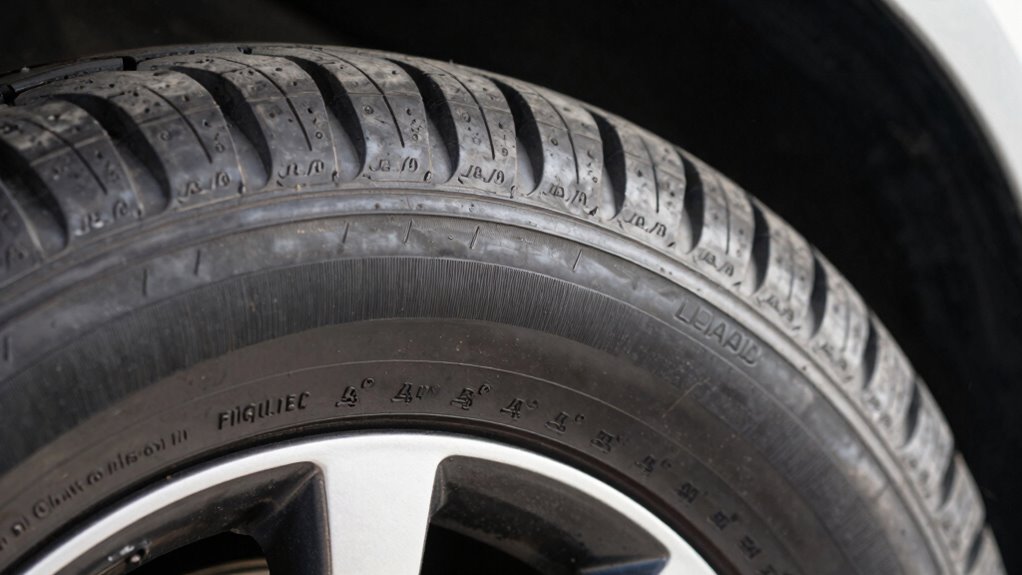

Tire load ratings indicate the maximum weight a tire can safely support, helping you choose the right tire for your vehicle to guarantee safety and durability. You’ll see a number on the sidewall, called the load index, which tells you how much weight that tire can handle—like 91 equals about 1,200 pounds. Proper understanding of these ratings is key to preventing tire failures and accidents; keep exploring to learn how to use them effectively.

Get the little things that make your day delivered free with Prime
- Fast, free delivery on millions of items
- Prime Video, Amazon Music and more included
- Member-only deals all year
Key Takeaways
- Tire load ratings indicate the maximum weight a tire can safely support.
- They are expressed as a number (load index) on the tire sidewall, representing specific weight limits.
- Proper load ratings ensure the tire can handle the vehicle’s weight without failure.
- Exceeding load ratings increases the risk of tire damage and accidents.
- Maintaining correct tire pressure helps tires support their rated load effectively.
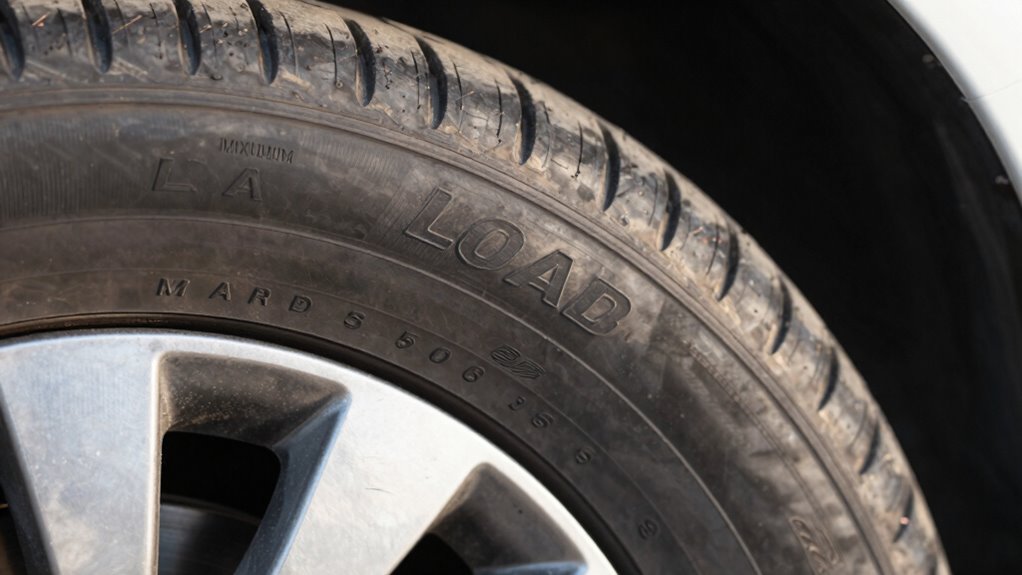
Understanding tire load ratings is essential because they indicate the maximum weight a tire can safely support. When you’re selecting tires for your vehicle, knowing what these ratings mean helps you make informed choices that guarantee your safety and the longevity of your tires. Tire manufacturing plays a significant role here, as manufacturers design tires with specific load capacities based on rigorous testing and engineering standards. These ratings are fundamental for maintaining road safety because exceeding the load capacity can lead to tire failure, increasing the risk of accidents.
Understanding tire load ratings helps ensure safety and prolong tire life by supporting proper weight capacity choices.
Tire load ratings are expressed as a number that correlates with a specific weight, often found alongside the tire size on the sidewall. For example, a load index of 91 corresponds to a maximum load of about 1,200 pounds per tire. It’s important to understand that this number isn’t arbitrary; it’s part of a standardized system that allows you to compare different tires easily. When you choose tires with a load index that matches or exceeds the demands of your vehicle and driving habits, you’re helping to guarantee safety on the road. Ignoring load ratings, especially when carrying heavier loads or driving at higher speeds, can compromise tire integrity and increase the chance of blowouts or other failures.
Manufacturers consider various factors during tire manufacturing to determine load ratings, including the materials used, tread design, and internal construction. These factors influence how well a tire can distribute weight and resist deformation under load. Knowing the load rating also guides you in understanding the importance of properly inflated tires, since under- or over-inflation can affect the tire’s ability to support its rated load safely. Properly rated and maintained tires are essential for road safety, reducing the risk of accidents caused by tire failure. Additionally, understanding the tire load ratings helps in choosing the right tires for different driving conditions and vehicle types. Ensuring that your tires are properly rated for your vehicle can prevent many common issues related to load capacity and prolong the life of your tires.
Incorporating proper tire maintenance practices ensures that your tires remain within their rated capacities and perform optimally over time. Ultimately, understanding what tire load ratings mean helps you avoid dangerous situations and extends the lifespan of your tires. It’s not just about meeting legal requirements; it’s about safeguarding yourself, your passengers, and other road users. When you pay attention to load ratings and adhere to recommended specifications, you support safer driving conditions for everyone. Proper tire selection based on load ratings reflects responsible vehicle management and a commitment to road safety, which benefits all of us on the road.
Products Worth Considering

Dyson Car+Boat Cordless Handheld Vacuum

Shark HydroVac MessMaster Corded Wet/Dry Vacuum, Mop & Self-Clean (WD161)

Blueair Blue Pure 511i Max Smart Air Purifier
As an affiliate, we earn on qualifying purchases.
Frequently Asked Questions
How Are Tire Load Ratings Determined During Manufacturing?
During manufacturing, tire load ratings are determined through rigorous testing based on tire construction and manufacturing standards. You’ll find that engineers test the tire’s ability to handle weight by applying specific loads until the tire reaches its maximum safe limit. These standards guarantee the tire’s structural integrity under various conditions. The results help establish a load rating that guarantees safe performance, ensuring you get reliable support for your vehicle’s weight.
Do Load Ratings Change With Tire Age or Wear?
Tire load ratings don’t change markedly with age or wear, but their safety margin can decrease over time. As your tires age and experience wear impact, their ability to support the rated load diminishes slightly. This is why regular inspections are essential—tires may still show the same load rating on the sidewall, but their actual performance can decline, affecting tire lifespan and safety. Replace worn or aged tires to guarantee maximum support.
Can I Exceed the Tire’s Maximum Load Capacity Safely?
Pushing beyond your tire’s maximum load capacity isn’t advisable, even if it might seem tempting. You could risk compromising tire pressure and handling, especially on challenging road conditions. Always stick to the recommended load ratings for safety and ideal performance. Keep an eye on tire pressure, as it plays a crucial role in load-bearing ability. Respecting these limits helps ensure your vehicle stays stable and secure, no matter where your journey takes you.
How Do Load Ratings Differ Between Tire Brands?
Tire load ratings can vary between brands because of differences in tire durability and manufacturing standards. Some brands maintain strict quality control, guaranteeing consistent load ratings across their models, while others might have slight variations. When comparing brands, you’ll notice that brand consistency plays a key role in reliability. Always check the tire’s load rating and ensure it matches your vehicle’s needs, regardless of the brand, to keep safe and optimize performance.
Are Load Ratings the Same for All Tire Sizes?
No, load ratings aren’t the same for all tire sizes. Each tire size has a specific load capacity to guarantee tire safety and peak performance. Larger tires typically have higher load ratings, but it’s essential to check the sidewall for the exact rating. Always match your tire’s load capacity with your vehicle’s requirements to prevent overloading, which can compromise safety and tire longevity.
Conclusion
Think of tire load ratings like your favorite backpack’s weight limit—exceed it, and things get stressful. I once overloaded a tire on a road trip, and it felt like carrying a mountain instead of a backpack. Knowing your tire’s load rating keeps your vehicle balanced and safe, just like respecting your backpack’s limit keeps your shoulders happy. So, always check those ratings before hitting the road—your safety depends on it.