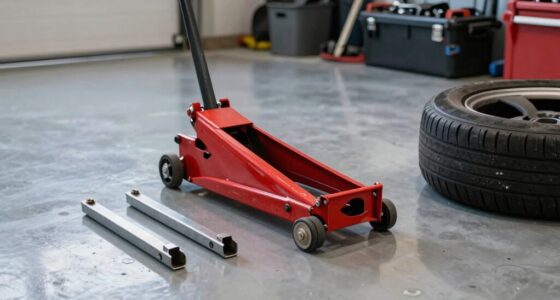
Tire rotation patterns are key to even tire wear and better vehicle performance. You can use several methods like front-to-back, crisscross, and side-to-side, depending on your vehicle’s design. Each pattern helps distribute tread wear differently, enhancing traction and handling. Regularly rotating your tires—typically every 5,000 to 7,500 miles—can extend their lifespan and improve safety. Want to know the specifics of each rotation pattern and when to use them? There’s more to explore!

Get the little things that make your day delivered free with Prime
- Fast, free delivery on millions of items
- Prime Video, Amazon Music and more included
- Member-only deals all year
Key Takeaways
- Crisscross rotation moves front tires to opposite rear positions, promoting even wear across all tires.
- Forward cross is suitable for vehicles with directional tires, maintaining optimal performance.
- Side-to-side rotation is ideal for symmetrical tire setups, ensuring balanced tread wear.
- Front-to-back rotation is effective for non-directional tires, allowing consistent wear distribution.
- Always consult your vehicle manual for specific tire rotation recommendations tailored to your vehicle.
As an affiliate, we earn on qualifying purchases.
Understanding Tire Rotation: What Is It?

Tire rotation is an essential maintenance practice that involves moving your vehicle’s tires from one position to another. This process helps to guarantee even tire wear, as different tires wear differently based on their location and the driving conditions. For instance, front tires often wear faster due to steering and weight distribution. By following a rotation schedule, typically recommended every 5,000 to 7,500 miles, you can extend the lifespan of your tires and improve your vehicle’s handling. You’ll want to check your owner’s manual for specific recommendations, but regular rotations can make a significant difference. Understanding how tire rotation works not only helps you maintain your vehicle but also assures a safer driving experience on the road.
As an affiliate, we earn on qualifying purchases.
Why You Should Care About Tire Rotation?
You should care about tire rotation because it can greatly enhance the longevity of your tires. Regular rotation not only improves your vehicle’s performance but also guarantees your safety on the road. Keeping up with this simple maintenance task can save you money and keep you safer while driving.
Enhanced Tire Longevity
While many drivers overlook the importance of tire rotation, this simple maintenance step can greatly enhance the longevity of your tires. By regularly rotating your tires, you guarantee even tire wear across all four wheels. Different positions on your vehicle can experience varying levels of wear, affecting tread depth over time. For instance, front tires often wear faster due to steering and weight distribution. By rotating them, you promote balanced tread depth, which can extend the lifespan of your tires considerably. This not only saves you money in the long run but also helps maintain a safer driving experience. So, don’t skip tire rotation; it’s an essential part of tire care that pays off in durability and performance.
Improved Vehicle Performance
Regularly rotating your tires can markedly enhance your vehicle’s performance. By ensuring even wear, you maintain ideal tire pressure and traction, which leads to better handling and fuel efficiency. Additionally, tire rotation helps with alignment adjustments, keeping your vehicle stable on the road.
Here’s a quick look at how tire rotation impacts performance:
| Benefit | Description |
|---|---|
| Improved Fuel Efficiency | Even wear reduces rolling resistance |
| Enhanced Handling | Better grip leads to responsive steering |
| Consistent Tire Pressure | Maintains perfect inflation levels |
| Extended Tire Life | Even wear prolongs tire lifespan |
| Smoother Ride | Reduced vibrations for comfort |
Increased Safety Assurance
Tire rotation plays an essential role in enhancing safety on the road. By regularly rotating your tires, you guarantee even wear, which contributes to better traction and handling. This is vital for maintaining the safety features of your vehicle, especially in adverse weather conditions. Uneven tire wear can lead to blowouts, reduced braking efficiency, and compromised control, putting you and others at risk. Consistent tire maintenance, including rotation, helps extend the life of your tires, assuring they perform at their best. It’s not just about longevity; it’s about keeping you safe while driving. Don’t underestimate the importance of this simple yet effective practice. Prioritizing tire rotation can greatly boost your vehicle’s safety on the road.
As an affiliate, we earn on qualifying purchases.
Key Tire Rotation Patterns Explained
Understanding key tire rotation patterns is essential for maximizing the lifespan and performance of your vehicle’s tires. Different patterns exist to combat uneven tire wear, ensuring each tire gets a chance to wear evenly. The most common patterns include the crisscross, forward cross, and side-to-side rotation. Following a regular rotation schedule, typically every 5,000 to 8,000 miles, can help maintain peak traction and extend tire life. By rotating your tires systematically, you can prevent premature wear on specific tires, which can lead to costly replacements. Always consult your vehicle’s manual for specific recommendations, as some cars may require unique rotation patterns. Keeping up with these patterns is a simple yet effective way to enhance your driving experience.
As an affiliate, we earn on qualifying purchases.
Front-to-Back Rotation: When and Why to Use It
While many drivers are familiar with common rotation patterns, front-to-back rotation is a specific method that can markedly benefit certain vehicles. This technique is particularly useful for vehicles with non-directional tires, as it helps maintain even tread wear and prolongs tire life.
| Aspect | Front-to-Back Advantages | Front-to-Back Disadvantages |
|---|---|---|
| Tread Wear | Promotes even wear | Limited adjustment for uneven wear |
| Cost Efficiency | Reduces the need for early replacements | May not suit all tire types |
| Simplicity | Easy to perform | Less effective for performance tires |
| Handling | Maintains vehicle balance | Potential for compromised grip |
| Maintenance Frequency | Requires less frequent rotations | May overlook rotational needs |
Use this method when you want to encourage longevity and stability in your tires.
Crisscross Rotation: Benefits and Best Practices

If you’re looking for a rotation pattern that maximizes tire performance and longevity, crisscross rotation could be the solution. This method involves moving the front tires to the opposite rear positions and vice versa, which helps guarantee even wear across all tires. The crisscross benefits include improved traction and handling, especially for front-wheel-drive vehicles, as it balances the wear from steering and braking forces.
To implement crisscross practices effectively, do this every 5,000 to 7,500 miles, or as recommended by your vehicle manufacturer. Always check tire pressure and alignment during the rotation to maintain peak performance. By sticking to these guidelines, you’ll enhance your tires’ lifespan and drive safely on the road.
Side-to-Side Rotation: Who Should Consider It?

If you own a vehicle with a symmetrical tire setup, side-to-side rotation might be the right choice for you. This method helps guarantee even wear on your tires, extending their lifespan and improving performance. It’s particularly beneficial for vehicles like those with all-wheel drive or certain sports cars, where tire rotation is essential.
Benefits Of Side-To-Side
When considering tire maintenance, side-to-side rotation offers specific advantages that can enhance your vehicle’s performance. This method is particularly beneficial for vehicles with non-directional tires, as it helps to even out tire wear across the front or rear axle. By swapping the tires from one side to the other, you can maintain consistent handling characteristics, improving your vehicle’s stability and grip on the road. If you drive in conditions that cause uneven wear—like aggressive cornering or frequent stops—this rotation can extend the life of your tires. Additionally, it promotes even tread wear, which can lead to better fuel efficiency. Overall, side-to-side rotation is a smart choice for optimizing your tire health and driving experience.
Vehicle Types Requiring Rotation
Understanding which vehicle types benefit from side-to-side tire rotation can help you optimize your tire maintenance. Sedans often require regular rotation to guarantee even wear, especially if you drive primarily on highways. For SUVs, consider side-to-side rotation if you frequently tackle off-road conditions, as it helps distribute wear across wider tires. Trucks, particularly those used for heavy hauling, have specific specifications that may necessitate this rotation technique to maintain traction and performance. Additionally, performance vehicles can greatly benefit from side-to-side tire rotation, as it helps keep handling sharp and responsive. By recognizing these vehicle requirements, you can enhance your tire longevity and guarantee a safer driving experience.
Signs It’s Time for Tire Rotation or Replacement
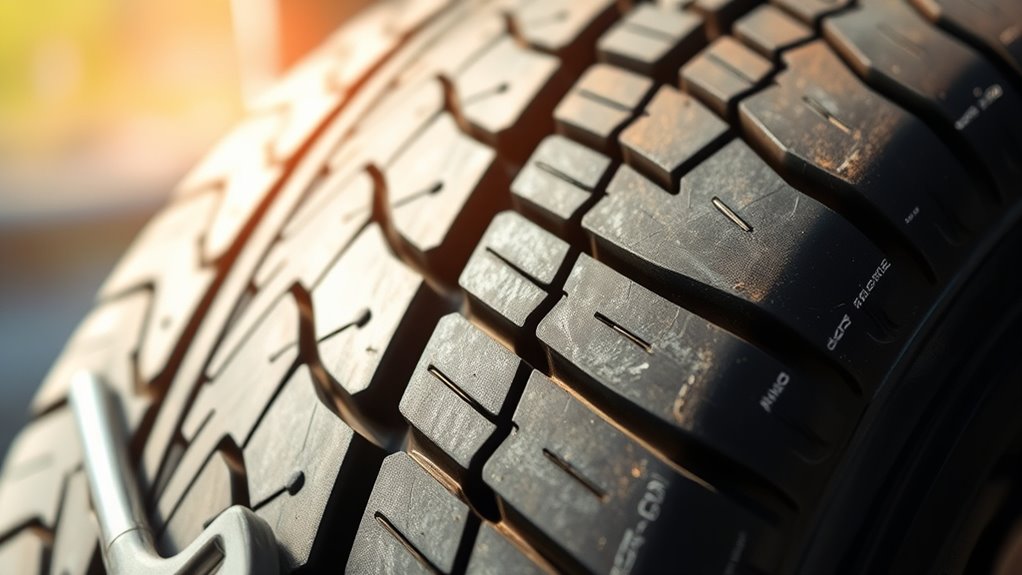
Have you ever noticed your car pulling to one side or heard a strange noise while driving? These could be signs it’s time for a tire rotation or even replacement. Pay attention to tread wear; if the tread is uneven or worn down, it’s likely affecting your vehicle’s performance. Additionally, alignment issues can manifest as vibrations or the steering wheel feeling off-center. If you spot these signs, don’t ignore them. Regularly checking your tires can save you from costly repairs down the line. It’s crucial to address any unusual behavior quickly—after all, your safety on the road depends on your tires. Keep an eye on your tires, and you’ll guarantee a smoother, safer ride.
Tire Rotation Frequency: Best Practices
To maintain ideal performance and safety, it’s essential to rotate your tires regularly. Following tire maintenance tips can help extend the life of your tires and improve your vehicle’s handling. Generally, you should aim to rotate your tires every 5,000 to 7,500 miles, but check your owner’s manual for specific rotation scheduling guidelines.
| Mileage Interval | Recommended Action |
|---|---|
| 0 – 5,000 miles | Initial rotation |
| 5,000 – 7,500 miles | Rotate tires |
| 10,000 – 15,000 miles | Check wear pattern |
| 15,000+ miles | Consider replacing tires |
How Different Patterns Affect Tire Performance
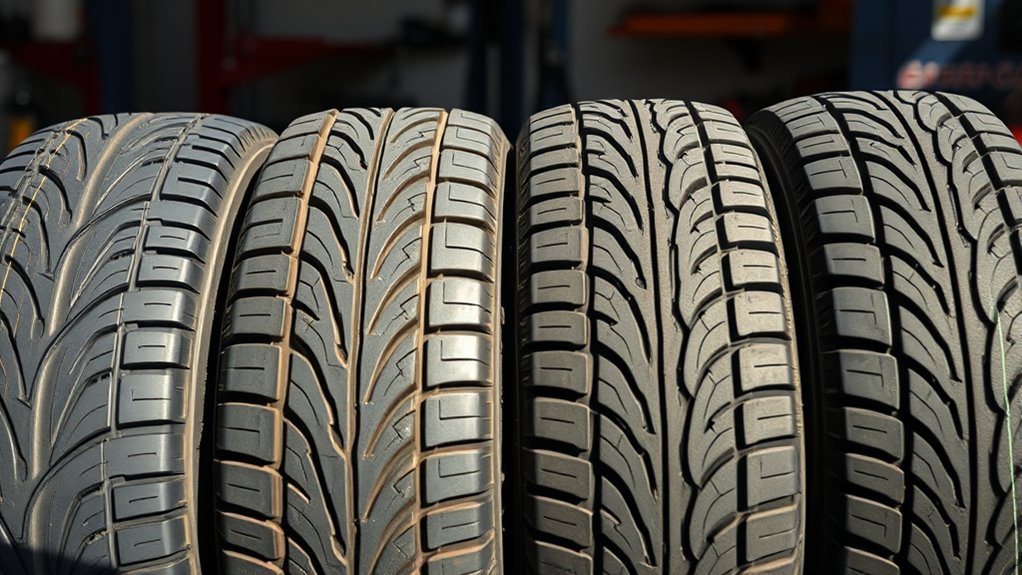
While you might not think about it often, the pattern in which you rotate your tires can greatly impact their performance and lifespan. Different rotation patterns, like front-to-back or crisscross, can help manage tire wear effectively. If you notice uneven tread wear, it might signal alignment issues that require attention. For instance, a crisscross pattern can help even out wear between the front and rear tires, extending their life. On the other hand, sticking to a single pattern could lead to faster deterioration, making your tires less efficient. By choosing the right rotation pattern, you not only enhance tire performance but also improve safety, ensuring a smooth, stable ride on the road. So, pay attention to your tire rotation method!
Frequently Asked Questions
Can Tire Rotation Prevent Uneven Wear on My Tires?
Yes, tire rotation can prevent uneven wear on your tires. By regularly switching their positions, you guarantee that each tire wears evenly, extending their lifespan. This simple maintenance tip helps distribute the weight and grip more evenly across all tires, reducing the chances of premature wear. So, if you want to keep your tires in good shape and improve your vehicle’s performance, make tire rotation a regular part of your maintenance routine.
Do All Vehicles Require the Same Tire Rotation Pattern?
No, not all vehicles require the same tire rotation pattern. The pattern you choose depends on your tire types and vehicle specifications. For instance, front-wheel-drive cars often benefit from a different rotation than all-wheel-drive vehicles. It’s important to check your owner’s manual or consult a professional to find the best approach for your specific vehicle. By matching the rotation pattern to your tires and vehicle, you’ll promote even wear and extend their lifespan.
How Do I Know if My Tires Need Rotation?
You can tell if your tires need rotation by checking tire wear and mileage indicators. Look for uneven tread wear; if one side is more worn than the other, it’s time to rotate. Additionally, most vehicles require rotation every 5,000 to 7,500 miles, so keep track of your mileage. If you notice vibrations or handling issues, it’s a good idea to inspect your tires and rotate them sooner.
Is Tire Rotation Necessary for All Types of Tires?
Yes, tire rotation’s necessary for all tire types. Regular rotation helps guarantee even wear, extends tire life, and maintains peak performance. Depending on your vehicle and driving habits, you might need to rotate your tires every 5,000 to 7,500 miles. Some tires, like all-season or performance tires, benefit even more from frequent rotation. It’s crucial to check your owner’s manual for specific rotation frequency recommendations tailored to your tires.
Can I Rotate My Tires Myself, or Should I Go to a Shop?
You can definitely rotate your tires yourself if you’ve got the tools and knowledge for a DIY rotation. However, if you’re unsure or lack the equipment, it’s wise to visit a shop for professional services. Many shops offer tire rotation as part of their maintenance packages, ensuring it’s done right. Ultimately, it boils down to your comfort level and the equipment at your disposal. Just make sure to follow the right rotation pattern!
Conclusion
In conclusion, keeping up with tire rotation is essential for your vehicle’s performance and safety. Remember, “a stitch in time saves nine”—regular rotations can prevent uneven wear and save you money in the long run. By understanding the different patterns and knowing when to rotate, you’ll extend your tires’ lifespan and guarantee a smoother ride. So, don’t wait until it’s too late; make tire rotation a part of your routine maintenance!
Columbus Day / Indigenous Peoples' Day Picks
long weekend sales
As an affiliate, we earn on qualifying purchases.