
PM2.5 are tiny particles in the air that can easily enter your family’s lungs and bloodstream, causing health issues like asthma, allergies, and long-term respiratory problems. Kids, seniors, and those with existing conditions are most vulnerable. Indoor sources like cooking, smoking, and heating can increase pollution, making your home unsafe. Protect your loved ones by understanding and controlling indoor air quality—keep exploring to learn simple ways to reduce PM2.5 and keep your family healthier.

Get the little things that make your day delivered free with Prime
- Fast, free delivery on millions of items
- Prime Video, Amazon Music and more included
- Member-only deals all year
Key Takeaways
- PM2.5 are tiny air pollutants that can deeply penetrate lungs and bloodstream, posing serious health risks to families.
- Indoor PM2.5 sources, like cooking and smoking, can cause respiratory issues and worsen existing health conditions.
- Poor indoor air quality from PM2.5 can hinder children’s lung development and trigger asthma attacks.
- Managing indoor air quality through ventilation, cleaning, and air purifiers helps reduce health risks for families.
- Monitoring and controlling indoor PM2.5 levels is essential for creating a safer, healthier home environment.

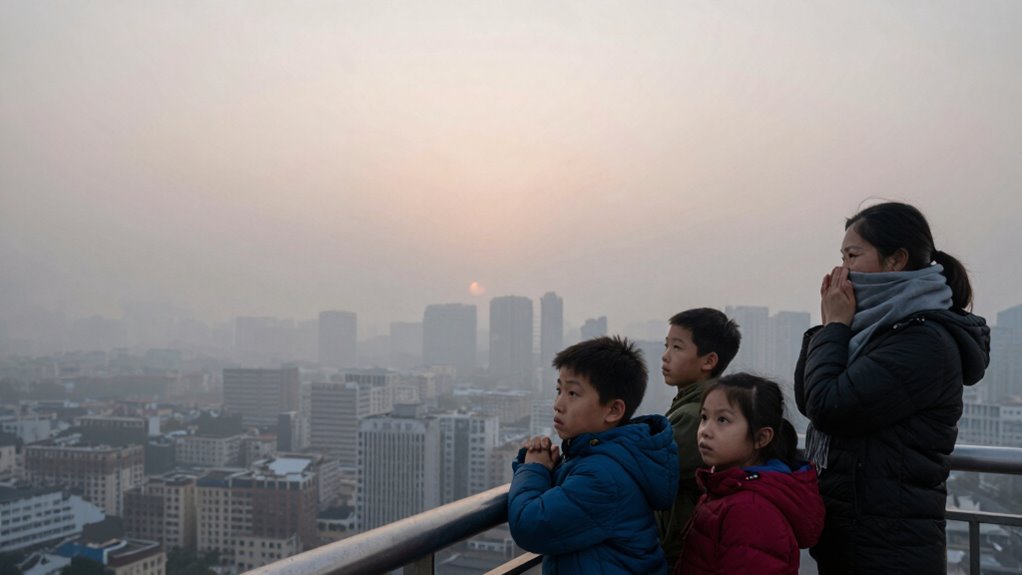
PM2.5 particles—tiny pollutants suspended in the air—pose a significant threat to family health, especially for children, the elderly, and those with existing respiratory conditions. These microscopic particles are small enough to penetrate deep into your lungs and even enter your bloodstream, causing serious health problems. When you think about air pollution, you usually picture smog outside, but the danger also lurks inside your home. Indoor air quality is just as essential because PM2.5 can originate from cooking, heating, tobacco smoke, and other household activities. If you’re not mindful, your indoor environment might become a hidden source of respiratory issues that can worsen over time, particularly in poorly ventilated spaces.
Indoor PM2.5 from cooking, smoking, and household activities can harm your family’s respiratory health over time.
Poor indoor air quality doesn’t just make the air feel stuffy; it can lead to a range of respiratory issues. For children, these tiny particles can interfere with lung development, leading to long-term health problems. For older adults or those with asthma, COPD, or other respiratory conditions, PM2.5 exposure can trigger attacks, worsen symptoms, and reduce overall lung function. If your home isn’t well-ventilated or if you rely on certain appliances that emit particles, you might unknowingly be exposing your family to dangerous levels of pollution. It’s essential to recognize that indoor air quality isn’t something you can ignore, especially when you aim to protect your loved ones from preventable health issues. Improving ventilation and understanding indoor air quality are crucial steps toward creating a healthier environment. Additionally, being aware of air quality monitoring can help you better assess and manage your home’s air pollution levels.
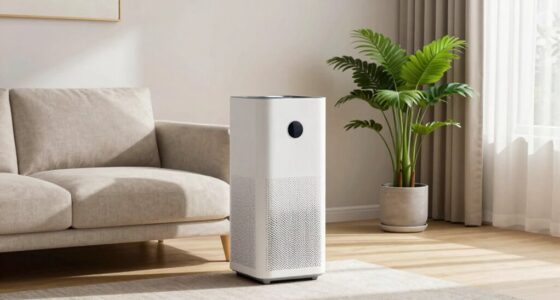
You can reduce indoor PM2.5 levels by taking simple steps. Using air purifiers equipped with HEPA filters can trap these tiny particles before they reach your lungs. Regularly cleaning and dusting minimizes the accumulation of indoor pollutants, and ensuring proper ventilation helps dilute indoor pollutants with fresh outdoor air. Additionally, air filtration systems can be an effective way to continuously improve air quality in your home. Ensuring your home has proper ventilation can significantly decrease the buildup of indoor pollutants and improve overall air quality. Proper maintenance of these systems is also vital because air filtration efficiency can decline over time if filters are not replaced regularly. Avoid smoking indoors, as tobacco smoke is a significant source of PM2.5, and be cautious with household products like aerosols and cleaning agents, which can contribute to indoor pollution. If you cook frequently, use exhaust fans or open windows to vent out smoke and fumes. These actions can dramatically improve indoor air quality and create a safer environment for everyone, especially your children and elderly family members who are most vulnerable.
Ultimately, understanding what PM2.5 means for your family involves recognizing the importance of indoor air quality and actively working to reduce exposure. It’s not just about avoiding smog outside but also about making your home a healthy space. By staying aware of potential sources and taking proactive steps, you protect your loved ones from respiratory issues linked to these tiny, yet powerful, pollutants. Your efforts can make a real difference in promoting healthier breathing and long-term well-being for your entire family.
As an affiliate, we earn on qualifying purchases.
Frequently Asked Questions
How Is PM2.5 Different From Other Air Pollutants?
PM2.5 differs from other air pollutants mainly because of its tiny particle size and unique chemical composition. These particles are less than 2.5 micrometers wide, making them small enough to penetrate deep into your lungs and even your bloodstream. Unlike larger particles, PM2.5 often contains a mix of chemicals from combustion sources, like vehicle emissions and industrial processes, making it especially harmful to your health.
Are Children More Vulnerable to PM2.5 Exposure?
Children are like delicate sponges, soaking up more of the tiny PM2.5 particles that threaten their health. Their developing lungs and immune systems make them more vulnerable to air pollution’s harmful effects. Vulnerability factors, such as age and respiratory development, increase their risk of respiratory issues and long-term health problems. As parents, you should prioritize cleaner air to protect your child’s health and future from these invisible dangers.
Can PM2.5 Affect Indoor Air Quality?
Yes, PM2.5 can considerably affect indoor air quality. You can improve this by using effective indoor air filtration and air purifiers specifically designed to target these tiny particles. Make sure to choose an air purifier with high efficiency for fine particles, and run it regularly to reduce PM2.5 levels. This helps protect your family’s health and keeps indoor air cleaner, especially during high pollution days.
What Are the Long-Term Health Risks of PM2.5?
If you’re exposed to PM2.5 long-term, you could face serious health risks. It can stunt lung development in children and increase your chances of respiratory diseases like asthma and chronic bronchitis. Over time, these tiny particles may silently damage your lungs and heart, leading to chronic health problems. Staying aware and minimizing exposure is essential—your long-term well-being depends on it.
How Can Families Reduce PM2.5 Exposure at Home?
To reduce PM2.5 exposure at home, you should invest in an air purifier with proven effectiveness, especially one with HEPA filters, to trap fine particles. Also, improve ventilation by opening windows when outdoor air quality is good or using exhaust fans in kitchens and bathrooms. Keep your home clean and avoid smoking indoors to further lower PM2.5 levels, creating a healthier environment for your family.
As an affiliate, we earn on qualifying purchases.
Conclusion
When you breathe in PM2.5, it’s like inviting tiny shadows into your home—mysterious, invisible threats that cling to your loved ones’ lungs. But by staying aware and taking steps to reduce exposure, you can clear the air and shield your family’s future. Imagine your home as a sanctuary, a place where clean air flows freely, nurturing life and hope. Together, you can turn the tide against these unseen enemies and breathe easier every day.
As an affiliate, we earn on qualifying purchases.
As an affiliate, we earn on qualifying purchases.
Halloween Picks
halloween
As an affiliate, we earn on qualifying purchases.