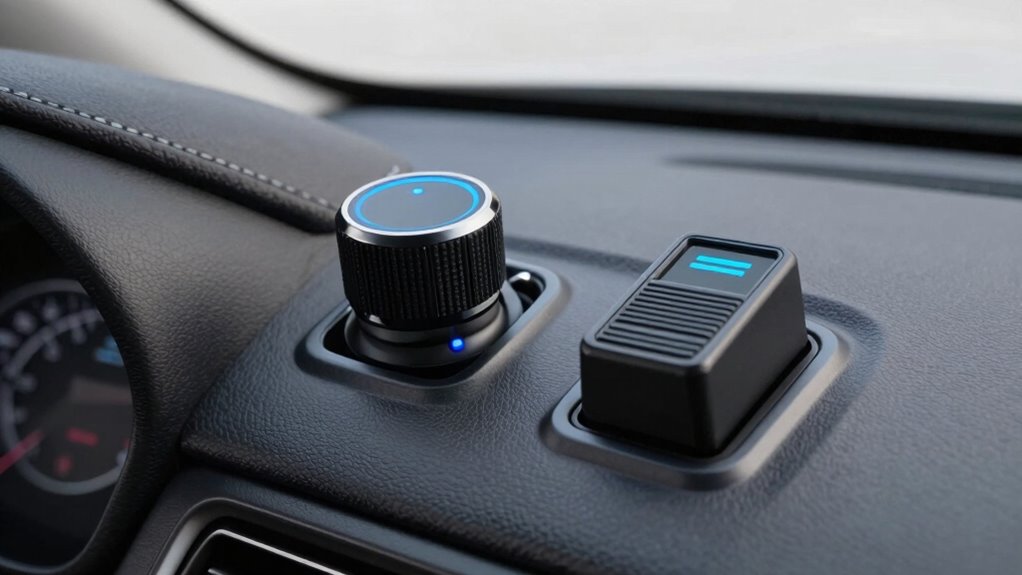

Proportional brake controllers adjust trailer brakes based on your vehicle’s deceleration, providing a smooth and responsive stop, especially during sudden or emergency braking. Time-delay controllers, on the other hand, activate brakes after a set delay with a constant force, which can cause jerky stops and sway. Choosing the right controller depends on safety and comfort preferences. To learn more about how these systems work and which might suit your towing needs, keep exploring the details.

Get the little things that make your day delivered free with Prime
- Fast, free delivery on millions of items
- Prime Video, Amazon Music and more included
- Member-only deals all year
Key Takeaways
- Proportional controllers adjust trailer braking based on vehicle deceleration, providing smooth stops and sway reduction.
- Time-delay controllers activate trailer brakes after a preset delay, offering a fixed, less responsive braking response.
- Proportional systems often include emergency boost features for enhanced safety during sudden stops.
- Time-delay controllers are simpler, typically lacking smooth modulation and advanced safety features.
- Proper installation and wiring are crucial for both types to ensure safety, performance, and reliable operation.
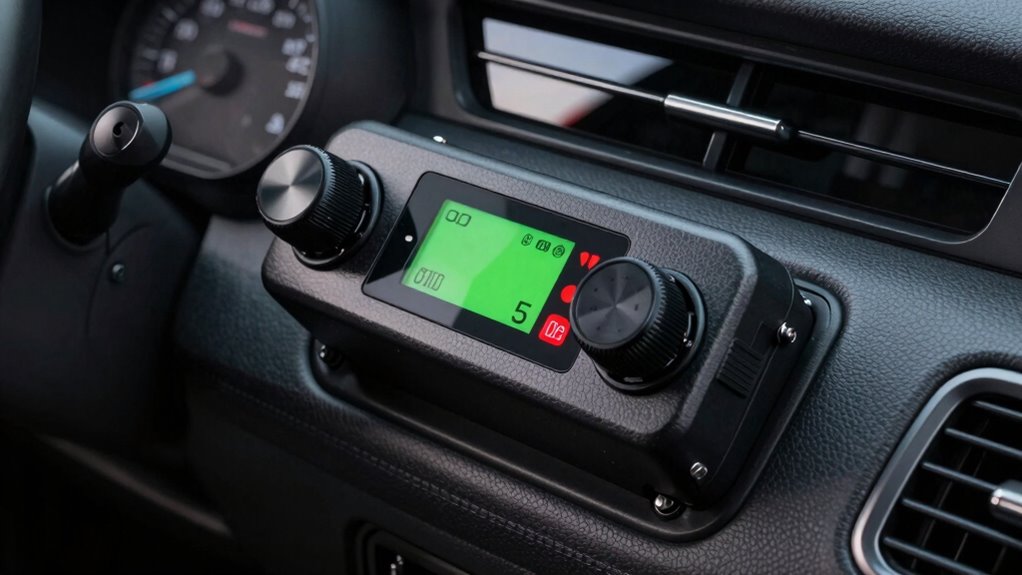
Trailer brake controllers are crucial devices that help you safely stop a trailer by synchronizing the trailer’s brakes with your vehicle’s braking system. When choosing between proportional and time-delay controllers, understanding their differences can notably impact your towing experience. Proportional brake controllers respond to how hard you brake, applying trailer brakes proportionally to your vehicle’s deceleration. This means, if you slam on the brakes, the trailer brakes engage strongly, providing smoother stops and reducing the risk of trailer sway. Time-delay controllers, on the other hand, activate the trailer brakes after a preset delay and at a constant brake force, regardless of how hard you brake. They’re often easier to install and more straightforward to operate, making them suitable for occasional towing or lighter loads.
Emergency features are crucial considerations for both types of controllers. Many modern proportional controllers include features like boost settings or override functions, which allow you to increase braking power in sudden stops or emergency situations. These features give you added control and safety, helping prevent accidents. Time-delay controllers may also have emergency boost options, but they generally lack the smooth modulation that proportional controllers offer. When selecting a controller, consider your typical towing conditions and whether emergency features are a priority for you. Additionally, understanding braking response can help you choose the right type for your driving habits. Proper installation practices are essential to ensure your brake controller works correctly and safely. Proper installation involves mounting the controller in a convenient, accessible location within reach of your dashboard. You should also follow the manufacturer’s wiring instructions carefully, ensuring that the power supply, brake signal wire, and ground connection are secure and insulated. Many controllers require a dedicated power circuit and a brake signal wire connected to your vehicle’s brake switch or ABS system. For safety, it’s advisable to use a circuit breaker or fuse to protect against electrical faults. Additionally, paying attention to electrical wiring can prevent potential malfunctions or safety hazards. Ensuring proper wiring techniques can also enhance overall safety and performance. Proper installation practices are essential to maximize safety and controller performance. If you’re unsure about installation, consulting a professional can save you time and guarantee the best performance. Proper maintenance of your brake controller can also extend its lifespan and ensure consistent operation.
trailer brake controller proportional
As an affiliate, we earn on qualifying purchases.
As an affiliate, we earn on qualifying purchases.
Frequently Asked Questions
Can Trailer Brake Controllers Be Installed DIY?
Yes, you can install trailer brake controllers yourself, but be aware of installation challenges and compatibility considerations. Make sure your vehicle’s wiring system supports the controller and follow the manufacturer’s instructions carefully. You might need to troubleshoot electrical connections or adapt your setup. If you’re unsure about the process, consulting a professional can save time and prevent issues. Proper installation guarantees safe, effective braking for your trailer.
How Often Should Trailer Brake Controllers Be Calibrated?
Think of your trailer brake controller like a finely tuned instrument—regular calibration keeps it playing smoothly. You should check and calibrate your brake controller at least once a year or after any significant towing distance or load change. Regular brake calibration and safety checks guarantee your brakes respond accurately, reducing accidents and ensuring safe stops. Don’t wait for trouble; proactive maintenance keeps your journeys safe and sound.
Are There Any Legal Requirements for Trailer Brake Controllers?
Yes, there are legal requirements for trailer brake controllers that you need to follow for safety compliance. Laws vary by state or country, but generally, you must verify your brake controller meets safety regulations regarding proper installation and functioning. You’re responsible for legal compliance to avoid penalties and ensure safe towing. Always check local regulations before installing a brake controller, and consider consulting professionals to ensure your setup adheres to all safety standards.
Which Type of Brake Controller Is Best for Heavy-Duty Trailers?
For heavy-duty trailers, proportional brake controllers are your best choice. Think of them like a skilled conductor, smoothly coordinating your trailer’s brakes for safer stops, especially under heavy loads. They respond instantly to your vehicle’s actions, providing better control and stability. Heavy-duty brake controllers are designed to handle the extra weight, ensuring your trailer brakes engage appropriately, reducing wear and maintaining safety on long, demanding trips.
Do Trailer Brake Controllers Work With Electric and Hydraulic Brakes?
Yes, trailer brake controllers work with both electric and hydraulic brakes. If you have electric brakes, a compatible brake controller provides precise control via electric signals. For hydraulic brakes, look for controllers with hydraulic integration or electric-over-hydraulic systems. Confirming electric compatibility with your trailer’s braking system is essential for safety and peak performance. Always verify your trailer’s brake type before selecting a controller to ensure proper operation.
time-delay trailer brake controller
As an affiliate, we earn on qualifying purchases.
As an affiliate, we earn on qualifying purchases.
Conclusion
In the dance of safety on the road, choosing between proportional and time-delay brake controllers is like selecting the right rhythm for a song. Proportional controllers respond smoothly, whispering “trust” like a steady heartbeat, while time-delay ones shout “pause” before action, echoing caution. As you navigate your journey, remember—your choice sets the tempo for safety’s symphony. Stay tuned, stay safe, and let your trailer’s brakes sing in harmony with your drive.
electric trailer brake controller with emergency boost
As an affiliate, we earn on qualifying purchases.
As an affiliate, we earn on qualifying purchases.
installation kit for trailer brake controller
As an affiliate, we earn on qualifying purchases.
As an affiliate, we earn on qualifying purchases.
Fall Picks
fall essentials
As an affiliate, we earn on qualifying purchases.