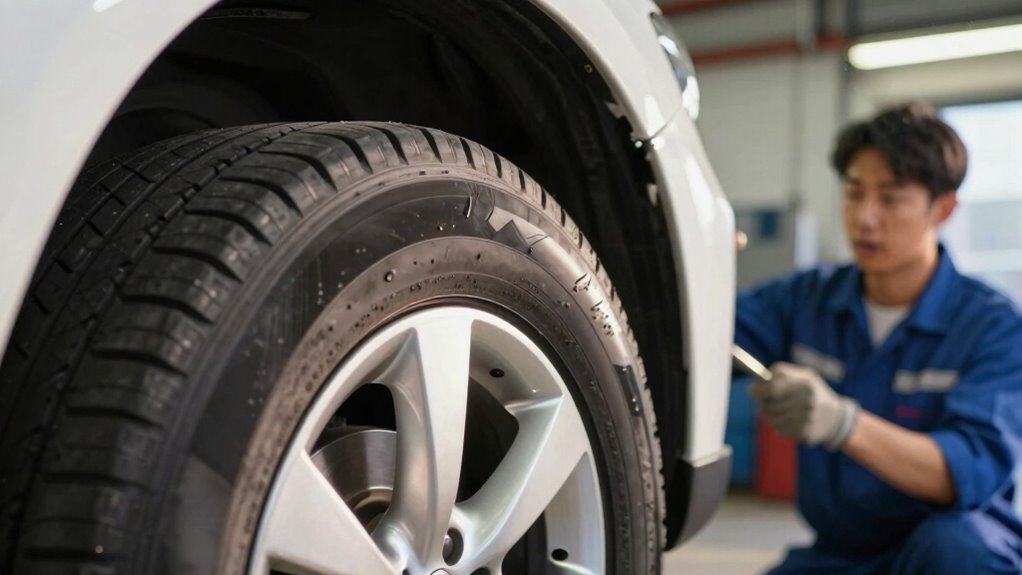

If your car drifts or pulls to one side, you might have a wheel alignment issue. Look for uneven tire wear, a steering wheel that isn’t centered, or vibrations while driving. These symptoms can compromise your safety and lead to costly repairs over time. Addressing misalignment early will not only enhance your handling but also extend your tires’ lifespan. Want to know more about how to maintain proper alignment? There’s plenty more to discover!

Get the little things that make your day delivered free — and shop member deals
- Fast, free delivery on millions of items
- Access to Prime Big Deal Days deals on October 6–7
- Prime Video, Amazon Music and more included
Key Takeaways
- Look for your vehicle drifting or pulling to one side, indicating potential misalignment issues.
- Uneven tire wear patterns can compromise steering stability and suggest misaligned wheels.
- A steering wheel that isn’t centered while driving straight is a clear sign of misalignment.
- Vibrations or shaking in the steering wheel can signal alignment problems affecting vehicle control.
- Regular checks every 6,000 miles can help catch misalignment symptoms early and prevent further damage.
As an affiliate, we earn on qualifying purchases.
Understanding Wheel Alignment: Importance and Basics

Wheel alignment plays an essential role in your vehicle’s performance and safety. Understanding wheel alignment basics is vital for keeping your car in top shape. Proper alignment guarantees that your wheels are parallel and your tires make full contact with the road. This leads to better handling, improved fuel efficiency, and a smoother ride. When your wheels are aligned correctly, you reduce tire wear and prevent unnecessary strain on your vehicle’s suspension system. The alignment importance can’t be overstated; it affects not just your comfort but also your safety on the road. Regularly checking your alignment can save you money in repairs and enhance your driving experience. Stay proactive, and keep your vehicle aligned for peak performance.
As an affiliate, we earn on qualifying purchases.
Common Symptoms of Misalignment to Watch For
When your vehicle starts to drift or pull to one side, it’s often a sign that your wheels are misaligned. You might also notice uneven tire wear, which can compromise steering stability. If your steering wheel isn’t centered while driving straight, this misalignment is another clear indicator. Additionally, pay attention to any vibrations or shaking in the steering wheel, as these may signal alignment issues. Proper tire pressure is essential, too; under-inflated tires can worsen misalignment symptoms. Keep an eye on these common signs to maintain your vehicle’s performance.
| Symptom | Description |
|---|---|
| Drifting or Pulling | Vehicle veers to one side |
| Uneven Tire Wear | Tires wear inconsistently |
| Steering Wheel Off-Center | Wheel isn’t aligned while driving |
As an affiliate, we earn on qualifying purchases.
Effects of Misalignment on Vehicle Performance
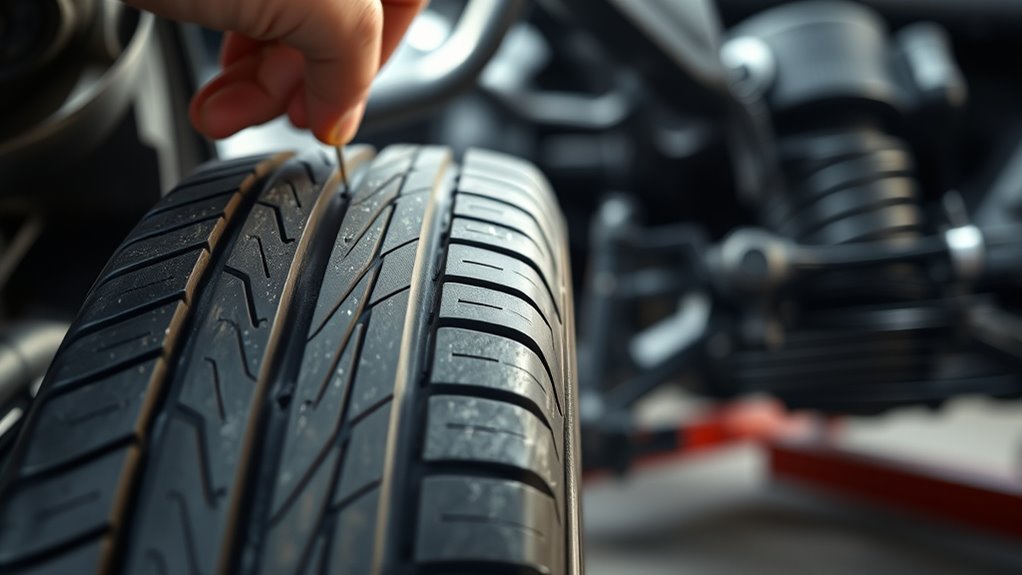
Misalignment can considerably impact your vehicle’s performance, affecting everything from handling to fuel efficiency. When your wheels are out of alignment, you may experience poor steering response, making it harder to control your vehicle, especially during turns or quick maneuvers. This can lead to increased suspension issues, as the misalignment forces your suspension components to work harder than they should. Over time, this strain can result in premature wear and costly repairs. Additionally, you might notice your vehicle pulling to one side, which not only disrupts your driving experience but can also compromise safety. Addressing alignment issues promptly can enhance your vehicle’s performance, ensuring a smoother and safer ride. Don’t ignore these signs; they can save you money and trouble down the road.
As an affiliate, we earn on qualifying purchases.
How Wheel Alignment Impacts Tire Wear
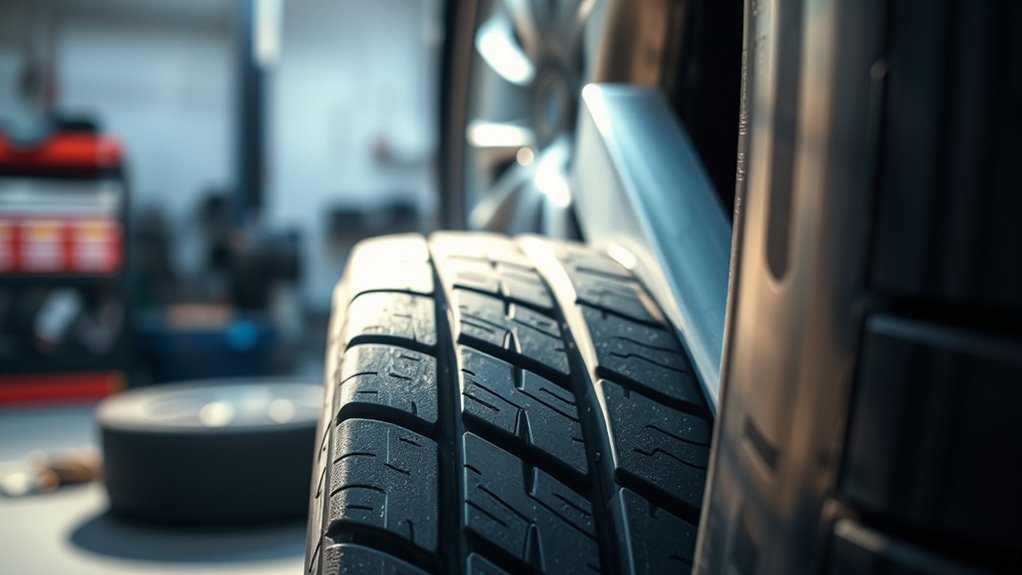
Proper wheel alignment is essential for even tire tread wear, and misalignment can lead to noticeable differences in how your tires wear down. When your wheels aren’t aligned, you might find that your tires wear out faster and require replacement sooner than expected. Additionally, misalignment can increase rolling resistance, making your vehicle less efficient on the road.
Uneven Tire Tread Wear
If you notice uneven tire tread wear, it could be a clear sign that your wheel alignment is off. Proper wheel alignment is essential for even tire wear, and neglecting it can lead to costly tire maintenance issues. Regular tread inspection can help you catch problems early. Here are some signs to watch for:
- One side of the tire wears faster than the other.
- Tread is worn more in the center or edges.
- Vibration or pulling to one side while driving.
- Increased noise while driving.
- Uneven wear patterns across multiple tires.
Addressing alignment issues promptly can improve your vehicle’s handling, enhance safety, and extend the life of your tires. Don’t overlook these signs!
Reduced Tire Lifespan
When your tires show signs of uneven wear, it often indicates that your vehicle’s alignment is off, which can greatly reduce their lifespan. Misalignment causes certain areas of the tire to wear down faster than others, leading to premature replacements. Regular tire rotation can help distribute wear more evenly, but it won’t fix an underlying alignment issue. Without making necessary alignment adjustments, you’ll continue to face rapid tire deterioration. This not only affects your wallet but also your safety on the road. To maximize your tire life, it’s essential to monitor your vehicle’s alignment and address any issues promptly. Keeping your tires properly aligned will guarantee a smoother ride and extended tire longevity.
Increased Rolling Resistance
Misaligned wheels can lead to increased rolling resistance, making your vehicle work harder to move forward. This extra effort creates increased friction, which can negatively impact your driving efficiency. When your tires wear unevenly due to misalignment, it can cause several issues, including:
- Reduced fuel efficiency
- Increased tire wear
- Poor handling and stability
- Higher likelihood of tire blowouts
- Increased repair costs
Addressing wheel alignment issues promptly is essential. By doing so, you’ll not only improve your vehicle’s performance but also enhance your overall driving experience. Regular checks can save you money in the long run and keep you safer on the road. Don’t ignore the signs—stay proactive to maintain your vehicle’s health!
Key Driving Indicators of Wheel Misalignment
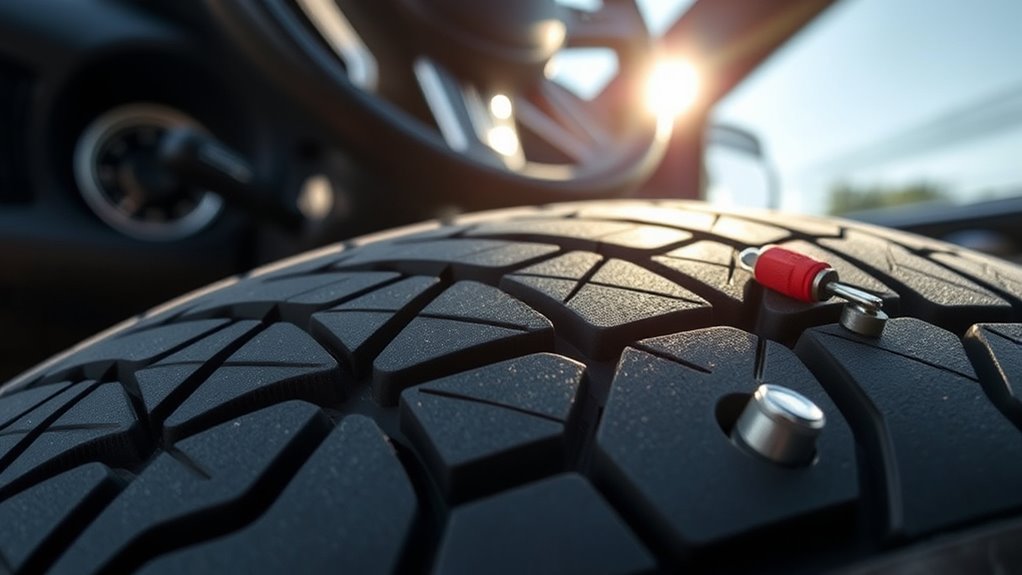
When you notice uneven tire wear, it’s a clear sign that your wheels might be misaligned. Additionally, if your vehicle pulls to one side while driving, it’s time to pay attention. These indicators can help you catch alignment issues before they worsen.
Uneven Tire Wear
If you notice your tires wearing unevenly, it’s a clear sign that your vehicle might be misaligned. Ignoring this issue can lead to decreased performance and safety risks. Here are some key indicators to watch for:
- One side of the tire is balding faster than the other.
- Tread depth varies considerably across the tire.
- You hear unusual noises while driving.
- Your vehicle feels bumpy or unstable on the road.
- Frequent need for tire rotation or replacement.
To maintain peak tire health, consider regular tire rotation and alignment services. Addressing uneven tire wear early can save you money in the long run and guarantee a smoother, safer ride. Don’t wait—get your vehicle checked today!
Pulling To One Side
Experiencing your vehicle pulling to one side while driving can be frustrating and dangerous. This symptom often indicates alignment issues, which can stem from various alignment causes, like hitting a pothole or worn suspension components. When your wheels aren’t aligned properly, it not only affects your comfort but also compromises your driving safety. You might notice that you constantly have to adjust the steering wheel to keep your vehicle straight, increasing fatigue during long drives. Ignoring this problem can lead to uneven tire wear, reduced fuel efficiency, and even accidents. If you notice your car pulling, it’s crucial to have a professional inspect your alignment and get it corrected to guarantee a safer driving experience. Don’t wait too long—address it promptly!
Frequency of Wheel Alignment Checks: How Often Is Enough?

How often should you check your wheel alignment? It’s essential to follow a regular alignment frequency to keep your vehicle running smoothly. Generally, you should consider checking your wheel alignment at the following times:
- Every 6,000 miles or as part of your maintenance schedule
- After hitting a large pothole or curb
- If you notice uneven tire wear
- During seasonal tire changes
- If your steering wheel isn’t centered when driving straight
Practical Steps if You Suspect Misalignment?

When you notice signs of misalignment, taking prompt action can prevent further damage and enhance your vehicle’s performance. First, schedule an alignment check at your trusted mechanic or tire shop. They’ll use diagnostic tools to pinpoint the issue accurately. Pay attention to any unusual tire wear patterns, as they can indicate misalignment. It’s also wise to check your tire pressure regularly, as improper inflation can exacerbate alignment problems. If you notice your steering wheel isn’t centered or your vehicle pulls to one side, don’t ignore these symptoms. Once your alignment is corrected, keep an eye on your vehicle’s handling and tire wear to guarantee everything is back on track. Regular maintenance can save you time and money in the long run.
Frequently Asked Questions
Can Wheel Alignment Be Done at Home Without Special Tools?
You can’t accurately perform a DIY alignment at home without special tools. While you can do a basic home inspection to check for uneven tire wear or steering issues, proper alignment requires precise measurements that only professional equipment can provide. If you notice any signs of misalignment, it’s best to consult a mechanic. Taking shortcuts might lead to bigger problems down the road, so it’s safer to leave it to the experts.
What Is the Average Cost for a Wheel Alignment Service?
Imagine your car’s wheels as dancers, spinning in harmony. When they’re aligned, they glide effortlessly, but misalignment causes chaos on the dance floor. The average cost for a wheel alignment service typically ranges from $75 to $100, depending on your vehicle and location. Investing in this service isn’t just about correcting angles; it’s about ensuring your ride remains smooth and safe, allowing those wheels to perform their best every time you hit the road.
How Long Does a Typical Wheel Alignment Take?
A typical wheel alignment takes about 30 minutes to an hour. However, the exact alignment duration can vary based on several service factors, like your vehicle’s make and model and the shop’s workload. If your car needs additional adjustments or repairs, that might extend the time it takes. It’s always a good idea to check with your mechanic to get a clearer estimate based on your specific situation.
Can Misalignment Affect My Vehicle’s Fuel Efficiency?
Yes, misalignment can greatly affect your vehicle’s fuel efficiency. When your wheels aren’t aligned properly, it causes uneven tire wear, which increases rolling resistance. This means your engine has to work harder, leading to higher fuel consumption. You might notice your gas mileage dropping as a result. Keeping your wheels aligned not only extends the life of your tires but also helps you save money at the pump.
Are There Specific Vehicles More Prone to Misalignment Issues?
Yes, some vehicles are more prone to misalignment issues. Sports cars, with their performance-focused designs and lower suspensions, often experience misalignment due to aggressive driving or potholes. Heavy trucks, on the other hand, can face misalignment from carrying heavy loads or traversing rough terrains. If you drive either type, staying vigilant about alignment checks can help maintain handling and tire longevity, ensuring a smoother ride overall.
Conclusion
By staying alert to the signs of misalignment, you can protect your vehicle, enhance your safety, and prolong your tires’ life. Regular checks keep your ride smooth, your handling precise, and your driving experience enjoyable. Don’t wait for the warning lights or uneven wear to intervene—take action early, stay informed, and drive confidently. Remember, a little vigilance today means a lot less trouble tomorrow. Keep your wheels aligned, and keep your journey on track!
NFL season / tailgating Picks
team gear
As an affiliate, we earn on qualifying purchases.