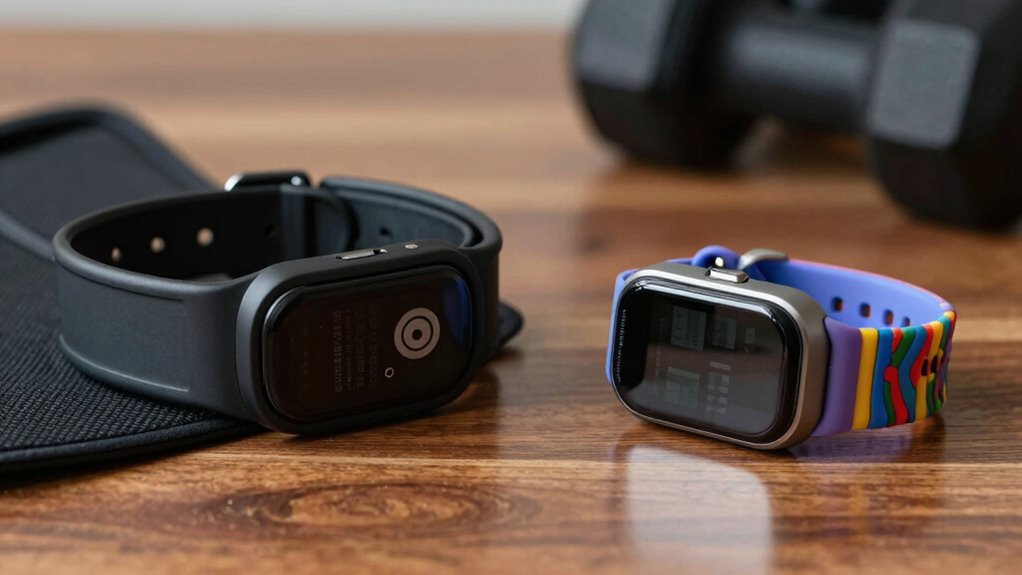

When choosing between a chest strap and wrist monitor for heart rate tracking, accuracy and comfort matter most. Chest straps offer precise readings by monitoring electrical signals, making them ideal for intense workouts. However, they can feel restrictive. Wrist monitors are more convenient and comfortable but may lack reliability during high-stress sessions. It is crucial to weigh your priorities—accuracy or ease of use. Discover more insights on selecting the right heart rate monitor for your needs.
Key Takeaways
- Chest straps provide higher accuracy by monitoring electrical signals from the heart, making them ideal for intense workouts.
- Wrist monitors offer convenience for quick checks but may lack precision during high-intensity training.
- Comfort varies; chest straps can feel restrictive, while wrist monitors provide a relaxed fit for all-day wear.
- For serious training or competitions, chest straps deliver consistent feedback essential for heart rate-based programs.
- Evaluate features such as accuracy, usability, and integration with apps to choose the right monitor for your fitness goals.
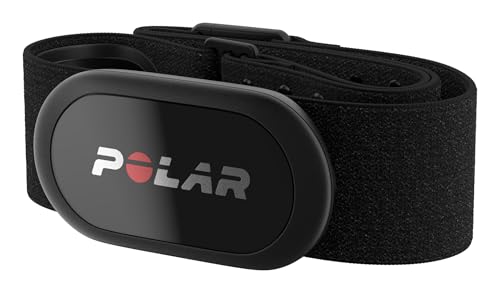
Polar H10 Heart Rate Monitor Chest Strap – ANT + Bluetooth, Waterproof HR Sensor for Men and Women, Black, M-XXL
WORKS WITH EVERYTHING: Polar HRM works with ALL HRM compatible Equipment.
As an affiliate, we earn on qualifying purchases.
As an affiliate, we earn on qualifying purchases.
Chest Straps vs. Wrist Monitors: Which Heart Rate Monitor Is More Accurate?
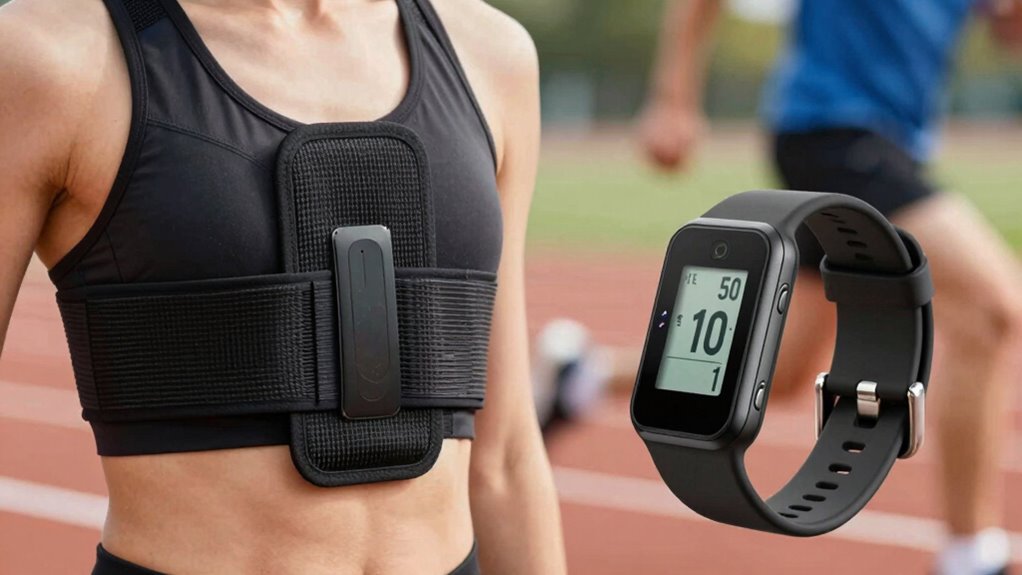
When it comes to tracking your heart rate, you might wonder which device offers better accuracy: chest straps or wrist monitors? Chest straps typically provide higher accuracy due to their measurement methods, which directly monitor electrical signals from your heart. These straps fit snugly against your chest, minimizing movement that can affect readings. On the other hand, wrist monitors rely on optical sensors that can be influenced by various accuracy factors, such as skin tone, body hair, and even wrist movement. While wrist monitors are convenient, they may not match the precision of chest straps during intense workouts. Ultimately, if accuracy is your priority, opting for a chest strap could be the better choice to guarantee reliable heart rate data.

LIVIKEY Fitness Tracker Watch with Heart Rate Monitor, Activity Tracker with Pedometer, Sleep Monitor, Calories & Step Counter, IP68 Waterproof Smart Watches for Women Men Fitness Watch for Sports
Heart Rate and Sleep Monitoring: The Fitness Tracker monitors your heart rate automatically all day, and you can…
As an affiliate, we earn on qualifying purchases.
As an affiliate, we earn on qualifying purchases.
Comparing Usability: Chest Straps vs. Wrist Monitors
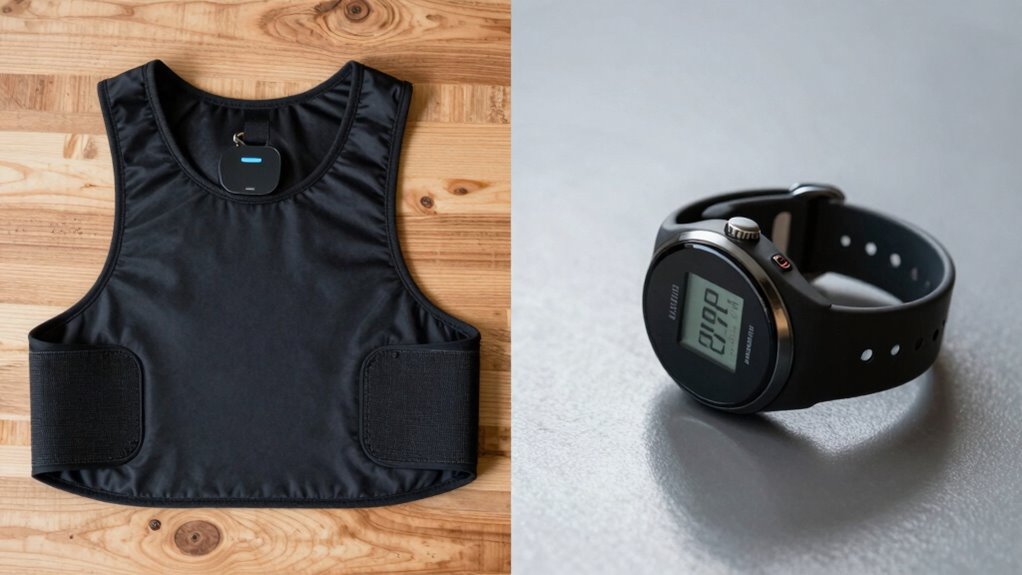
While both chest straps and wrist monitors serve the same purpose of tracking your heart rate, their usability can differ markedly. Chest straps typically feature advanced sensor technology that provides more precise readings during intense workouts, but they can feel cumbersome. On the other hand, wrist monitors offer convenience and ease of use, allowing you to check your heart rate at a glance. However, they might not always deliver the same level of accuracy, especially during high-intensity activities. When it comes to data transmission, both devices sync with your smartphone or fitness app, but wrist monitors often rely on optical sensors, which can be less reliable than the electrical sensors found in chest straps. Ultimately, your choice will depend on your specific needs.

Smart Watch Fitness Tracker with 24/7 Heart Rate, Blood Oxygen Blood Pressure Monitor Sleep Tracker 120 Sports Modes Activity Trackers Step Calorie Counter IP68 Waterproof for Andriod iPhone Women Men
【Superb Visual Experience & Effortless Operation】Diving into the latest 1.58'' ultra high resolution display technology, every interaction on…
As an affiliate, we earn on qualifying purchases.
As an affiliate, we earn on qualifying purchases.
Which Heart Rate Monitor Is More Comfortable?
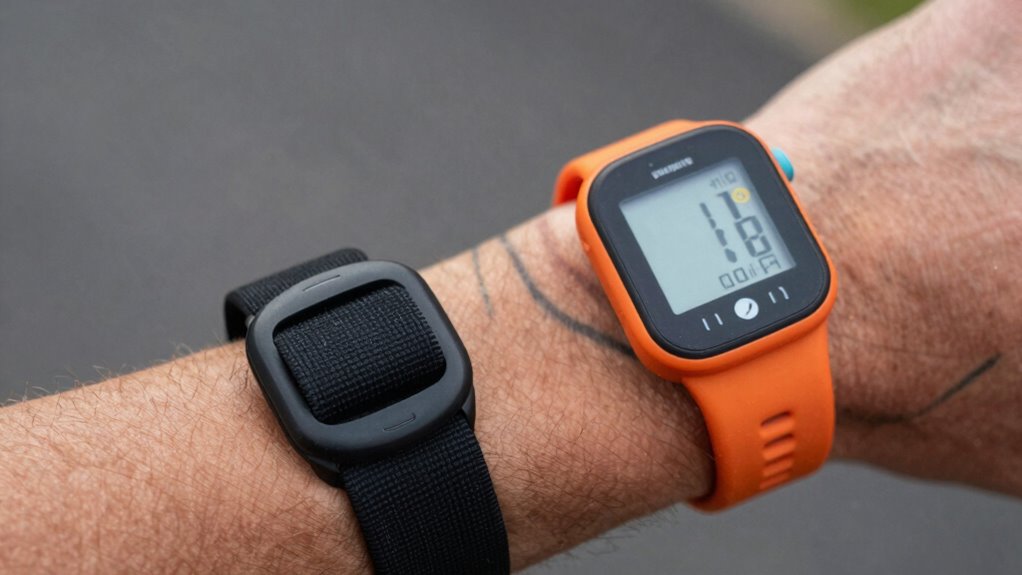
Which heart rate monitor feels more comfortable during your workouts? When it comes to comfort levels, it often depends on your user preferences. Chest straps, while known for their accuracy, can feel restrictive, especially during high-intensity sessions. You might find they dig into your skin or shift around as you move. On the other hand, wrist monitors offer a more relaxed fit and can often be worn all day without discomfort. However, some users report that the snug fit of a chest strap can sometimes provide a sense of security that a wrist monitor lacks. Ultimately, it’s about finding the right balance between accuracy and comfort, ensuring you can focus on your performance without distractions.
Smart Watch Fitness Tracker with 24/7 Heart Rate, Blood Oxygen Blood Pressure Monitor Sleep Tracker 120 Sports Modes Activity Trackers Step Calorie Counter IP68 Waterproof for Andriod iPhone Women Men
【Superb Visual Experience & Effortless Operation】Diving into the latest 1.58'' ultra high resolution display technology, every interaction on…
As an affiliate, we earn on qualifying purchases.
As an affiliate, we earn on qualifying purchases.
When to Choose a Chest Strap?
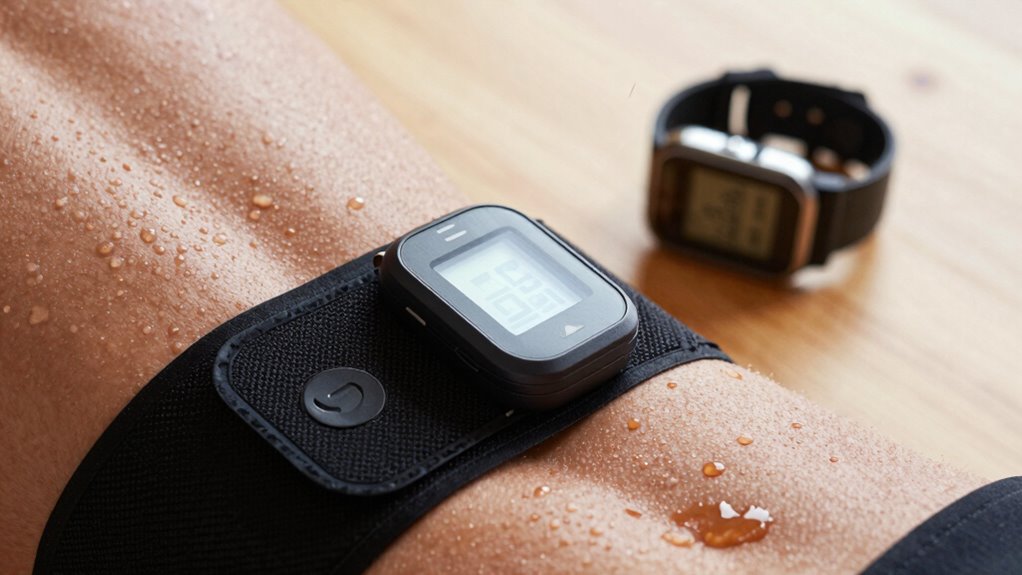
Wondering when you should opt for a chest strap over a wrist monitor? If you’re aiming for precision and accuracy in your heart rate readings, especially during high-intensity workouts, a chest strap is your best bet. Chest strap benefits include real-time data transmission and less interference, making it ideal for those pushing their limits. When you’re training for a competition or focusing on achieving your best workout, the reliability of a chest strap can help you stay in your target heart rate zone. Plus, if you’re using heart rate-based training programs, these straps provide consistent feedback essential for progress. So, if accuracy matters most in your fitness journey, don’t hesitate to choose a chest strap.
How to Choose the Right Heart Rate Monitor for You?
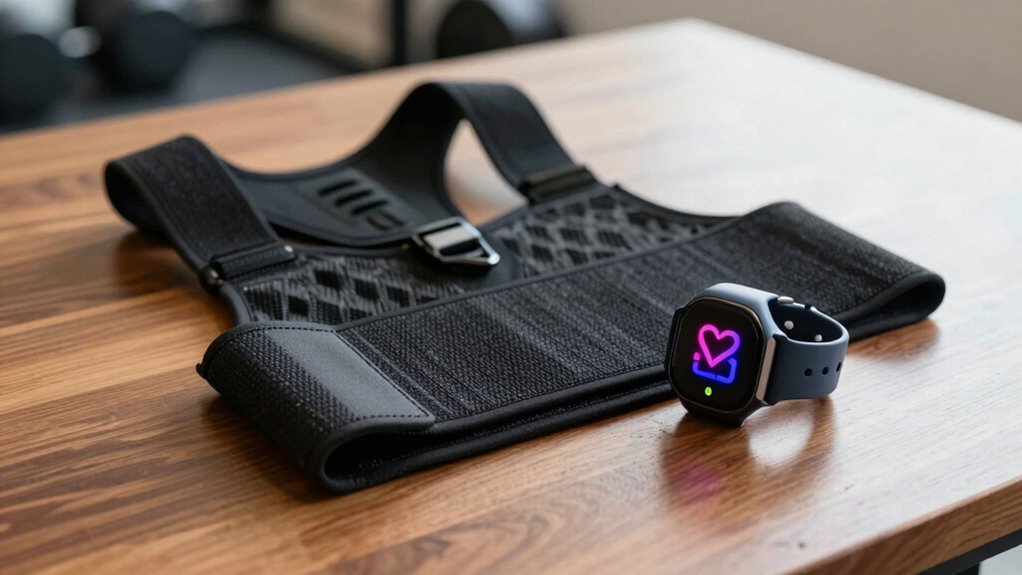
Choosing the right heart rate monitor can considerably impact your training experience and outcomes. Start by considering the features that matter most to you, such as accuracy, ease of use, and additional metrics like GPS or sleep tracking. Do a features comparison between chest straps and wrist monitors to see which aligns with your fitness goals. Additionally, think about training fundamentals like consistent use and how the device integrates into your overall routine to ensure long-term success. Don’t forget to factor in budget considerations; while some high-end models offer advanced features, there are plenty of affordable options that still provide reliable heart rate data. Think about how often you’ll use the monitor and whether you prefer a more traditional strap or a sleek wristwatch style. Ultimately, choose the one that fits your lifestyle and enhances your workouts.
Frequently Asked Questions
Can Heart Rate Monitors Be Used During Swimming Activities?
Yes, heart rate monitors can be used during swimming activities. Many modern devices incorporate underwater technology, allowing you to track your heart rate while practicing various swimming techniques. This feature helps you optimize your workouts and monitor your performance in real-time. Just make sure your monitor is designed for aquatic use, as not all wrist-based or chest strap models are waterproof. Enjoy swimming while keeping an eye on your heart rate!
How Do Heart Rate Monitors Connect to Fitness Apps?
Heart rate monitors connect to fitness apps through Bluetooth connectivity. Once you turn on your monitor, it pairs with your smartphone or tablet, allowing for seamless data synchronization. You’ll see your heart rate and workout metrics in real-time on the app, making it easy to track your progress. Just guarantee your device’s Bluetooth is enabled and that both devices are within range to maintain a strong connection throughout your workout.
Do Heart Rate Monitors Require Batteries, and How Long Do They Last?
Yes, heart rate monitors do require batteries, and their lifespan can vary. Typically, you’ll find that a monitor’s battery lasts anywhere from six months to two years, depending on usage and the model. Regular monitor maintenance, like checking the battery life and ensuring proper fit, can help extend this lifespan. So, keep an eye on those notifications; you might be surprised when it’s time for a replacement!
Can I Wear a Heart Rate Monitor While Pregnant?
Yes, you can wear a heart rate monitor while pregnant, but you should take some pregnancy precautions. Always consult your healthcare provider first to ascertain it’s safe for you and your baby. Monitoring your heart rate can help you stay active while considering fetal health, but be mindful of any discomfort or unusual readings. Listen to your body and make adjustments as needed to guarantee both you and your baby remain healthy.
Are There Any Specific Brands Recommended for Accuracy and Durability?
For accuracy and durability, you might want to evaluate brands like Garmin, Polar, and Wahoo. These brands often rank high in user reviews for their reliable heart rate monitoring. When doing brand comparisons, look for models with good battery life and comfort features. Checking online forums and customer feedback can also help you find the best option for your needs. Always prioritize models that provide consistent and precise readings during your workouts.
Conclusion
In the battle of heart rate monitors, chest straps and wrist devices each have their own strengths, like two sides of a coin. If you want pinpoint accuracy, think of the chest strap as your compass, guiding your fitness journey. However, if comfort and convenience are your priorities, the wrist monitor is your trusty sidekick. Ultimately, it’s about finding the right balance for your personal adventure—so choose the tool that aligns with your fitness goals and enjoy the ride!