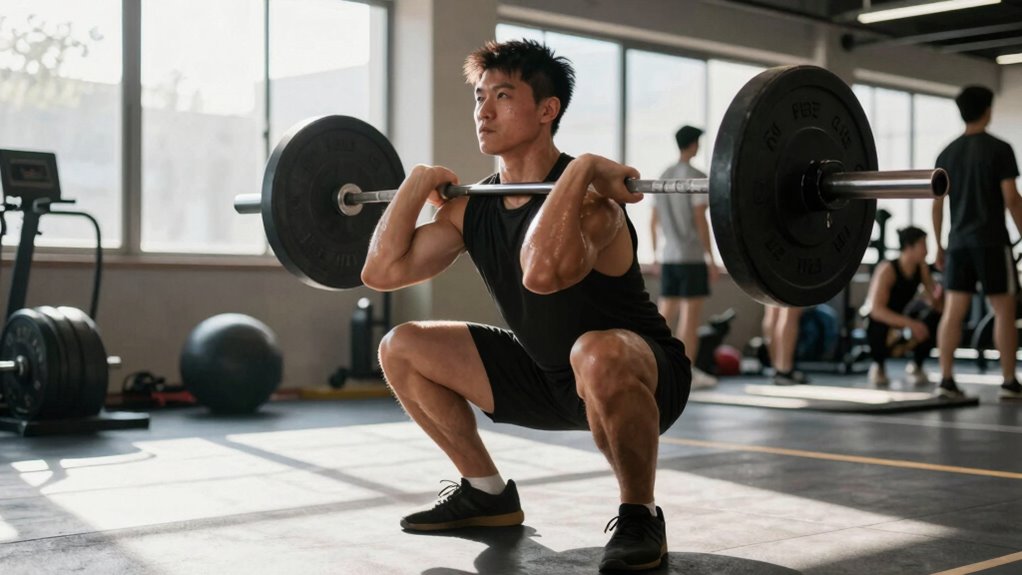

When it comes to squat depth, aim for at least parallel to your knees while keeping proper form. Your body mechanics, flexibility, and strength all influence how deep you can go. Deeper squats enhance muscle activation in your glutes and quads, leading to better strength gains, but prioritize quality over quantity to avoid injury. Stay mindful of your limits and listen to your body. Want to know how to optimize your squat depth further? There’s more to uncover.

Get the little things that make your day delivered free — and shop member deals
- Fast, free delivery on millions of items
- Access to Prime Big Deal Days deals on October 6–7
- Prime Video, Amazon Music and more included
Key Takeaways
- Safe squat depth ranges from parallel to just below, depending on individual flexibility and strength.
- Deep squats enhance muscle activation in glutes and quads, improving overall strength and flexibility.
- Proper form is crucial; prioritize technique over depth to minimize injury risk.
- Factors like body mechanics and core stability significantly influence squat depth and performance.
- Incorporate both deep and partial squats based on fitness goals for balanced development.
As an affiliate, we earn on qualifying purchases.
What Is Safe Squat Depth According to Research?
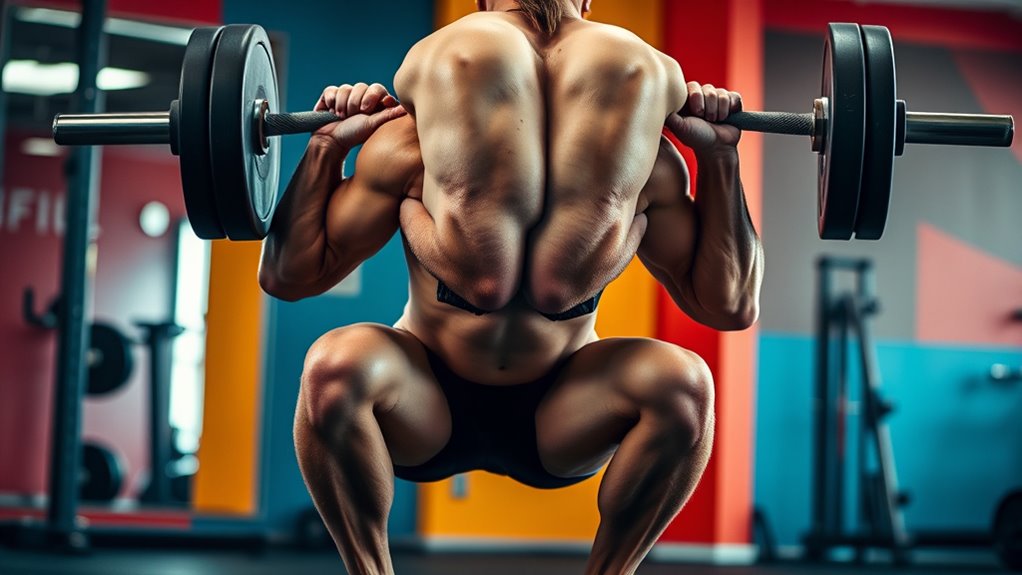
When it comes to squat depth, research suggests that a safe range typically falls between parallel and just below, depending on individual flexibility and strength. This means that you should aim to lower your hips until they’re at least parallel to your knees, while maintaining proper form. Research findings indicate that squatting deeper can enhance muscle activation, particularly in the glutes and quadriceps. However, if you can’t achieve this depth without compromising your technique or causing discomfort, it’s best to stick with a shallower squat. Always listen to your body, as your specific anatomy may influence your ideal squat depth. Remember, quality outweighs quantity; focus on executing each squat correctly to maximize benefits and minimize injury risk.
hip flexibility stretching bands
As an affiliate, we earn on qualifying purchases.
As an affiliate, we earn on qualifying purchases.
Factors Affecting Your Squat Depth

When it comes to squat depth, several factors play a vital role in what you can achieve. Your body mechanics, flexibility, and individual anatomy all influence how low you can go safely and effectively. Understanding these elements can help you optimize your squat form and performance.
Body Mechanics Influence Depth
Understanding how your body mechanics influence squat depth is vital for maximizing performance and preventing injury. Your body alignment and muscle engagement play significant roles in determining how low you can safely squat.
Here’s a quick overview of key factors:
| Factor | Description |
|---|---|
| Joint Mobility | Guarantees proper range of motion |
| Core Stability | Supports your spine during squats |
| Muscle Activation | Engages the right muscles effectively |
Flexibility and Mobility Factors
Your squat depth is noticeably influenced by flexibility and mobility. If you lack adequate hip flexibility, you might find it challenging to reach your desired depth. Tight hip flexors can restrict your range of motion, making it difficult to maintain proper form. Similarly, ankle mobility plays an essential role in squatting effectively. Limited ankle range can prevent you from properly aligning your knees and hips, which can compromise your squat depth. To improve your performance, focus on stretching your hip muscles and working on ankle mobility exercises. By enhancing both flexibility and mobility, you’ll not only achieve a deeper squat but also reduce your risk of injury. Prioritizing these factors will elevate your squatting experience considerably.
Individual Anatomical Considerations
While factors like flexibility and mobility are essential, individual anatomical considerations also play a significant role in determining your squat depth. Your unique hip anatomy and knee structure can greatly influence how low you can comfortably go. Here are four key aspects to take into account:
- Femur Length: A longer femur may require a wider stance to maintain balance during the squat.
- Hip Socket Orientation: The angle of your hip sockets can dictate how your hips rotate and affect depth.
- Knee Joint Structure: Variations in knee structure can influence flexibility and range of motion.
- Foot Position: The shape and arch of your feet can impact stability and depth.
Understanding these factors helps you find your ideal squat depth.
ankle mobility exercises equipment
As an affiliate, we earn on qualifying purchases.
As an affiliate, we earn on qualifying purchases.
Steps to Find Your Optimal Squat Depth
To find your ideal squat depth, you first need to assess your flexibility levels to see how low you can comfortably go. Next, evaluate your strength capacity, as it plays an essential role in determining how much weight you can handle at different depths. Finally, consider any joint health factors that might affect your range of motion and overall safety during squats.
Assess Your Flexibility Levels
How flexible are you when it comes to squatting? Evaluating your flexibility levels is vital for finding your ideal squat depth. You can start by performing a few flexibility tests and incorporating effective stretching routines. Here’s how to gauge your flexibility:
- Sit and Reach Test: Measure how far you can reach forward while sitting.
- Ankle Mobility Test: Check how far you can move your knee past your toes without lifting your heel.
- Hip Flexor Stretch: Hold a stretch to evaluate your hip flexibility and comfort.
- Squat Hold: Try to squat as low as possible while maintaining good form and without pain.
These tests will help you understand your flexibility and guide you toward safer squat depths. Additionally, practicing ergonomic movement habits can improve your overall joint mobility and reduce discomfort during squats. Incorporating targeted stretching routines based on your test results can further enhance your flexibility and squat safety.
Evaluate Your Strength Capacity
Strength plays an essential role in determining your ideal squat depth. To find your best depth, start with a strength evaluation. This involves testing your current lifting capabilities with various weights. Use a lighter weight to gauge how deep you can comfortably squat while maintaining good form. Gradually increase the weight until you identify the depth where your strength begins to falter or your form breaks down.
Next, conduct a capacity evaluation by performing bodyweight squats. Pay attention to how low you can go without discomfort. This evaluation helps you understand your strength limits and informs adjustments to your squat depth. By evaluating your strength and capacity, you can confidently establish a squat depth that promotes safety and effectiveness in your workouts.
Consider Joint Health Factors
Once you’ve evaluated your strength capacity, it’s time to reflect on joint health factors that impact your squat depth. Prioritizing joint stability is essential for injury prevention and guaranteeing you maintain proper form throughout your squats. Here are some key factors to take into account:
- Flexibility: Confirm your muscles and joints have adequate range of motion.
- Knee Alignment: Keep your knees in line with your toes to prevent undue stress.
- Ankle Mobility: Check that your ankles can flex properly to support deeper squats.
- Hip Strength: Strengthen your hip stabilizers to enhance overall joint stability.
- Reassess Your Joint Health Regularly to ensure your squat depth remains safe as your flexibility and strength improve.
As an affiliate, we earn on qualifying purchases.
Benefits of Deep Squatting vs. Partial Squatting
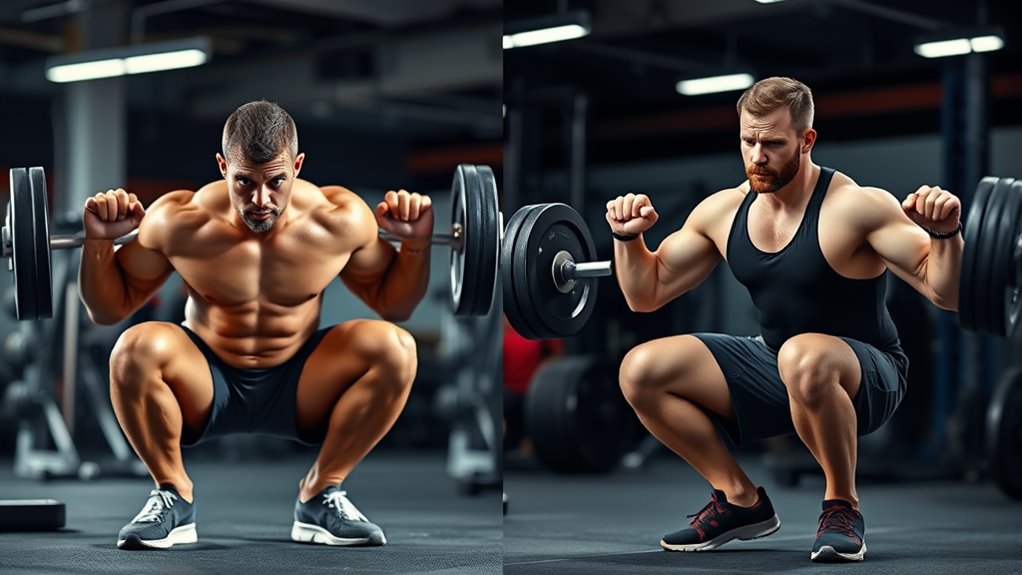
While both deep squatting and partial squatting have their places in training, understanding the benefits of each can enhance your workout routine. Deep squatting benefits include improved flexibility, greater muscle activation in the glutes and quads, and enhanced joint stability. When you squat deep, you’re engaging more muscle fibers, which can lead to better strength gains over time.
On the other hand, partial squatting advantages lie in their ability to focus on specific muscle groups and reduce strain on your joints. This can be especially useful for those recovering from injuries or looking to build strength in a controlled range of motion. Incorporating both techniques into your regimen can maximize your overall performance and guarantee balanced muscle development.
What Mistakes Should You Avoid in Squat Depth?

When you’re working on your squat depth, avoiding common mistakes can make a significant difference in your performance and safety. Many lifters fall prey to common misconceptions that can lead to depth-related injuries. Here are four mistakes to steer clear of:
Avoiding common mistakes in squat depth is crucial for enhancing performance and ensuring safety.
- Ignoring form: Always prioritize proper technique over depth.
- Going too deep too soon: Gradually increase your depth to avoid strain.
- Neglecting warm-ups: Warming up prepares your muscles and joints for deeper squats.
- Not listening to your body: Pay attention to discomfort—don’t push through pain.
Modifications for Safe Squatting Based on Your Fitness Goals
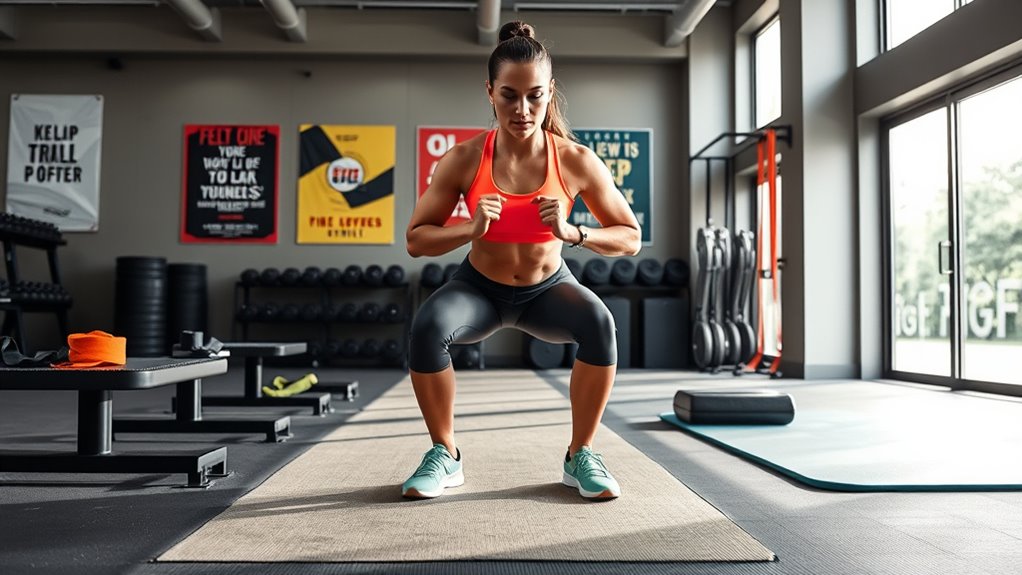
Adapting your squat technique to align with your fitness goals is essential for both effectiveness and safety. If you’re aiming for strength, consider deeper squats while maintaining proper form to engage your entire lower body. For endurance, lighter weights with higher reps can help you build stamina without compromising your technique. If mobility’s your focus, incorporate squat modifications like box squats or wall squats to improve your range of motion gradually. For injury prevention, prioritize bodyweight squats or use resistance bands to support your form. Always listen to your body and adjust your depth and weight according to how you feel. Incorporating smart programming can ensure your routine progresses safely and effectively. Additionally, understanding exercise science helps you make informed adjustments to your squat technique for optimal results. Learning about movement patterns can further improve your squat mechanics, reducing injury risk and enhancing performance. Recognizing the importance of proper form is crucial for preventing injury and maximizing benefits. By tailoring your squats, you’ll not only reach your fitness goals but also enhance your overall performance safely. Moreover, being aware of muscle engagement can help you target the right muscle groups for your specific objectives.
Frequently Asked Questions
Can Squat Depth Affect My Overall Athletic Performance?
Yes, squat depth can greatly affect your overall athletic performance. When you utilize proper squat biomechanics, you engage more muscle fibers, enhancing your strength and power. Deeper squats activate your glutes and hamstrings more effectively, which translates to better performance in various sports. You’re likely to see improvements in your explosiveness and stability, which are essential for athletic success. So, don’t underestimate the impact of squat depth on your training!
How Does Age Influence Squat Depth Safety?
Age impacts squat depth safety by affecting flexibility, strength, and joint health. As you get older, your muscles and connective tissues may become less pliable, which can increase the risk of injury if you push too hard. It’s essential to follow safety guidelines tailored for your age group. Prioritize a range of motion that feels comfortable and allows for proper form, rather than trying to achieve maximum depth. Listen to your body’s signals!
Are There Specific Shoes Recommended for Deep Squatting?
Yes, specific shoes can enhance your deep squatting experience. Squat shoes, with their raised heels and rigid soles, provide stability and better ankle mobility, which helps you maintain proper form. The footwear benefits include improved balance and weight distribution, allowing you to push deeper into your squats safely. Whether you’re a beginner or an experienced lifter, investing in quality squat shoes can make a significant difference in your performance and comfort.
Should I Consult a Trainer for Squat Depth Adjustments?
Yes, you should definitely consult a trainer for squat depth adjustments. A trainer offers personalized coaching, helping you understand your body’s mechanics and ensuring you squat safely. They can identify any limitations, correct your form, and provide tailored advice to improve your performance. With their guidance, you’ll not only enhance your squat depth but also minimize the risk of injury. Investing in professional help can be a game-changer for your fitness journey.
Can Squatting Improve Flexibility and Mobility Over Time?
Yes, squatting can greatly improve your flexibility and mobility over time. Imagine your hips opening like a blooming flower as you perform various squat variations, each one helping you reach deeper ranges of motion. With consistent practice, those mobility benefits will make everyday movements easier and more fluid. You’ll find yourself bending down to tie your shoes or picking up something off the floor with newfound ease and comfort. Keep squatting!
Conclusion
In your journey to find the perfect squat depth, remember it’s not just about the numbers; it’s about the strength you build along the way. Just like a tree needs deep roots to stand tall, your body thrives on the foundation of proper form and safety. Embrace the process, learn from your mistakes, and adjust your technique as needed. When you squat with intention, you’re not just lifting weights; you’re building resilience for life’s challenges.
NFL season / tailgating Picks
team gear
As an affiliate, we earn on qualifying purchases.