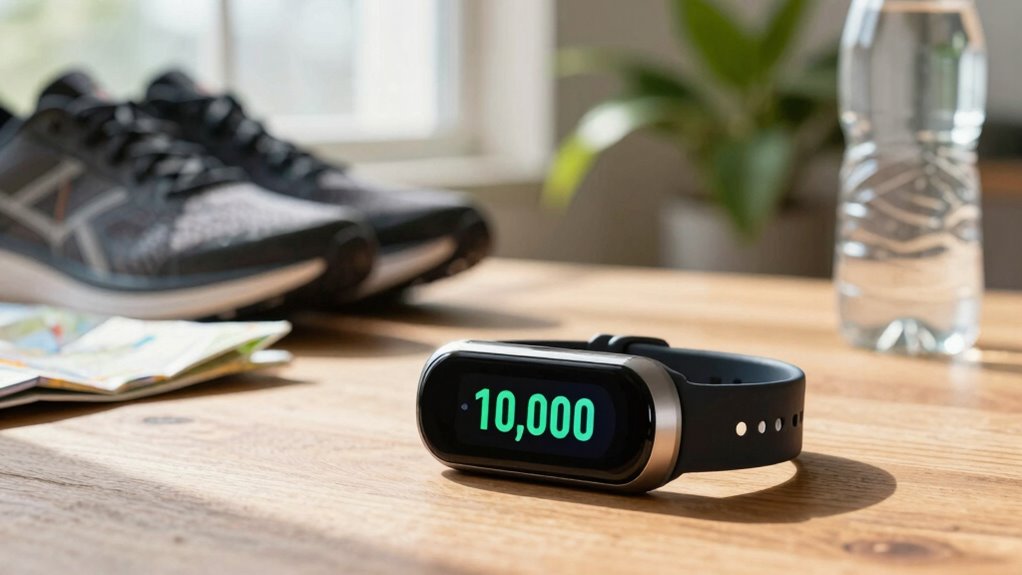

The 10,000-step goal isn’t a magic number for health; it’s a marketing strategy from 1960s Japan. While it caught on globally, research shows that fewer steps can still improve your health, especially if you’re just starting. Focusing solely on step counts can distract you from the quality of your movements and workout intensity. By considering your individual fitness level and activity variety, you can better tailor your goals and maximize your overall health benefits. Curious about what really matters?

Get the little things that make your day delivered free — and shop member deals
- Fast, free delivery on millions of items
- Access to Prime Big Deal Days deals on October 6–7
- Prime Video, Amazon Music and more included
Key Takeaways
- The 10,000-step goal originated as a marketing strategy in Japan, not from scientific research, leading to widespread adoption as a fitness benchmark.
- Significant health benefits can be achieved with lower step counts, such as 5,000 or 7,500 steps, depending on individual fitness levels.
- The focus on achieving 10,000 steps often overlooks the importance of movement quality and diversity in activities for overall fitness.
- Counting steps is just one way to measure health; incorporating heart rate, active minutes, and recovery metrics provides a fuller picture of wellness.
- Varying workout intensity and prioritizing proper body mechanics are crucial for maximizing health benefits and reducing the risk of injury.
pedometer with activity tracking
As an affiliate, we earn on qualifying purchases.
As an affiliate, we earn on qualifying purchases.
The Origins of the 10,000-Step Goal
The 10,000-step goal has become a popular benchmark for daily physical activity, but its origins might surprise you. This target emerged in Japan during the 1960s, where a pedometer called “manpo-kei,” meaning “10,000 steps meter,” was marketed to encourage a more active lifestyle. The historical context reveals that the number wasn’t based on scientific research; instead, it was a clever marketing influence designed to promote the device. As the concept gained traction worldwide, many began to adopt it as a standard measure of fitness. While it’s a motivating figure, remember that individual fitness needs vary. So, don’t feel pressured to hit that exact number; focus on what works best for your body and lifestyle.
heart rate monitor fitness tracker
As an affiliate, we earn on qualifying purchases.
As an affiliate, we earn on qualifying purchases.
Unpacking the Science of Step Counts

While the 10,000-step goal has its origins in marketing rather than science, understanding the actual benefits of step counts can help you tailor your fitness routine. Research shows that even lower step counts can provide significant health benefits. Here’s a quick breakdown of how varying step counts can impact your health:
| Step Count | Benefits | Notes |
|---|---|---|
| 5,000 steps | Improved mood | Good starting point for beginners |
| 7,500 steps | Increased cardiovascular health | Moderate target for better fitness |
| 10,000 steps | Enhanced weight management | Popular benchmark for many |
| 12,500 steps | Greater longevity | Ideal for active individuals |
The key is consistency, so find a step count that fits your lifestyle and enhances your health benefits. Incorporating step tracking into your routine can also motivate you to stay active and monitor your progress effectively. Additionally, understanding how step counts relate to overall mobility can help seniors improve their confidence and independence in daily activities. Maintaining an appropriate spinal alignment during movement can also contribute to overall back health and comfort.
activity diversity workout equipment
As an affiliate, we earn on qualifying purchases.
As an affiliate, we earn on qualifying purchases.
The Rise of the 10,000-Step Benchmark
As people began seeking ways to boost their health, the 10,000-step benchmark emerged as a catchy goal that quickly gained popularity. This number, initially based on marketing rather than science, became a standard for step tracking. You might’ve noticed how fitness devices and apps have embraced this target, using it to inspire you to move more each day. With the rise of wearable technology, step counting has transformed into a powerful tool for fitness motivation. Setting a daily goal encourages you to stay active, making it easier to integrate movement into your routine. While 10,000 steps can serve as a solid guideline, remember to listen to your body and adjust your goals as needed to suit your lifestyle and fitness level. Additionally, understanding that step count accuracy can vary across devices helps set realistic expectations for your daily activity tracking.
As an affiliate, we earn on qualifying purchases.
Individual Differences in Step Goals
Understanding that everyone’s fitness journey is unique is essential when setting step goals. Your personal fitness should reflect tailored goals based on various factors. Age differences, health conditions, and lifestyle factors play significant roles. For example, younger individuals may have higher motivation levels and activity preferences compared to older adults. Cultural influences and environmental factors, like living in a walkable area, also impact step counts. Here’s a quick overview:
| Factor | Impact on Step Goals | Example |
|---|---|---|
| Age Differences | Varies activity levels | Kids vs. seniors |
| Health Conditions | Limits or encourages activity | Arthritis vs. no health issues |
| Motivation Levels | Influences consistency | High motivation vs. low |
| Activity Preferences | Shapes daily routines | Walking vs. cycling |
| Cultural Influences | Affects perceptions of fitness | Urban vs. rural lifestyles |
Adjust your goals accordingly!
10,000 Steps and Alternative Activity Recommendations
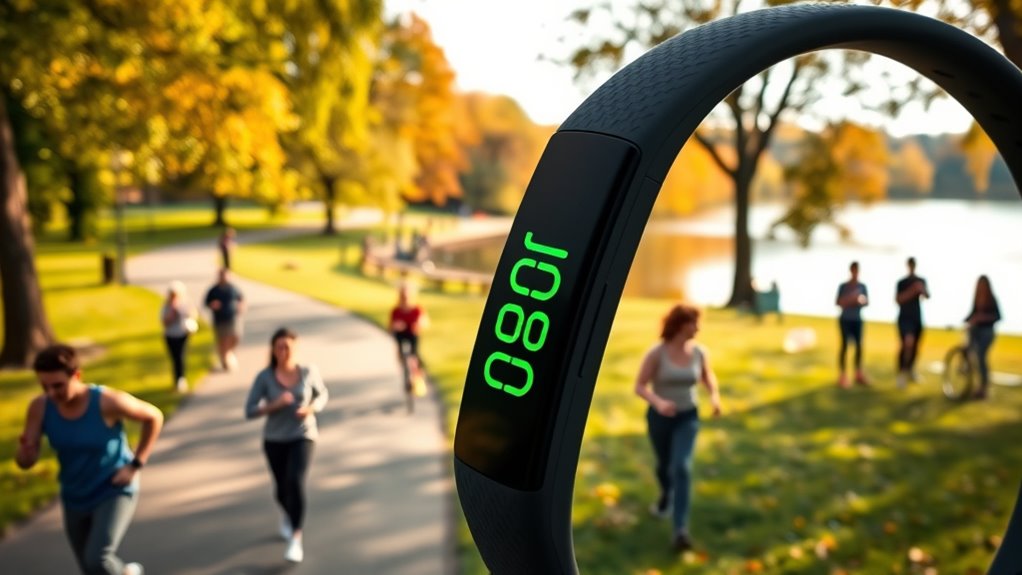
Reaching 10,000 steps a day has become a widely accepted benchmark for daily activity, but it isn’t a one-size-fits-all goal. Instead, consider alternative activities that might suit your lifestyle and fitness level better. Here are some fitness recommendations to help you stay active:
10,000 steps may be the standard, but explore activities that fit your unique lifestyle and fitness needs.
- Dancing: A fun way to get your heart pumping.
- Swimming: Low-impact and great for overall fitness.
- Cycling: Excellent for building leg strength and endurance.
- Strength Training: Helps build muscle and boost metabolism.
- Yoga or Pilates: Improves flexibility and core strength.
Being mindful of training principles can help you create balanced routines that align with your fitness goals. Incorporating movement variety into your routine can prevent plateaus and reduce the risk of injury, ensuring a sustainable approach to fitness. Recognizing that personalized activity can better suit individual health needs encourages a more adaptable and enjoyable fitness journey. Additionally, understanding physical activity guidelines from health experts can help you set realistic and effective goals for your overall wellness. Moreover, selecting activities that match your individual capacity ensures sustainable progress and motivation.
Debunking Myths About Daily Step Counts
You might’ve heard that you need to hit 10,000 steps each day for ideal health, but that number has questionable origins. Instead of fixating on quantity, it’s essential to reflect on the quality of your activities. Let’s explore how these myths can impact your fitness journey. Incorporating simple recovery techniques like foam rolling can enhance recovery and improve your heart rate variability, ultimately supporting your overall wellness. Recognizing the importance of cybersecurity tactics can also help protect your personal health data online. Being aware of remote work productivity strategies can further optimize your daily routines and health outcomes. Additionally, understanding the little choices we make daily can significantly influence our overall happiness and well-being. Focusing on personalized fitness goals rather than arbitrary numbers encourages a more sustainable and enjoyable health journey.
Origin Of 10,000 Steps
The idea that walking 10,000 steps a day is the ideal fitness goal actually stems from a marketing campaign rather than solid scientific research. It originated in Japan during the 1960s when a pedometer called “manpo-kei” (meaning “10,000 steps meter”) was introduced. This catchy number gained traction and cultural significance, but its historical context is often overlooked.
Consider these points:
- Promoted as a simple fitness target
- Not based on extensive scientific studies
- Influenced by cultural trends in Japan
- Misleading for individual health needs
- Encourages a one-size-fits-all mentality
Quality Versus Quantity
While hitting the 10,000-step mark has become a widely accepted benchmark for daily fitness, it’s important to recognize that the quality of your movement matters just as much, if not more, than the sheer number of steps. Focusing solely on quantity can lead you to overlook essential elements like activity quality and movement diversity. Incorporating smart movement techniques can help maximize your workout effectiveness and reduce injury risk. Additionally, paying attention to ergonomic movement patterns can improve overall body mechanics and prevent strain during daily activities. Developing awareness of mindful movement can help you perform activities with greater control and reduce unnecessary stress on your body. Recognizing the importance of proper body mechanics can further enhance your movement efficiency and safety. Instead of fixating on that magic number, pay attention to how you move. Engage in different activities—like walking, jogging, or dancing—to enhance your overall fitness. movement diversity can help prevent overuse injuries and keep your workouts engaging. Quality movement not only improves muscle engagement but also boosts your cardiovascular health. So, mix it up! Aim for a blend of steps and varied activities that challenge your body, ensuring that each step you take contributes meaningfully to your health journey.
Beyond Steps: How to Measure Your Activity?
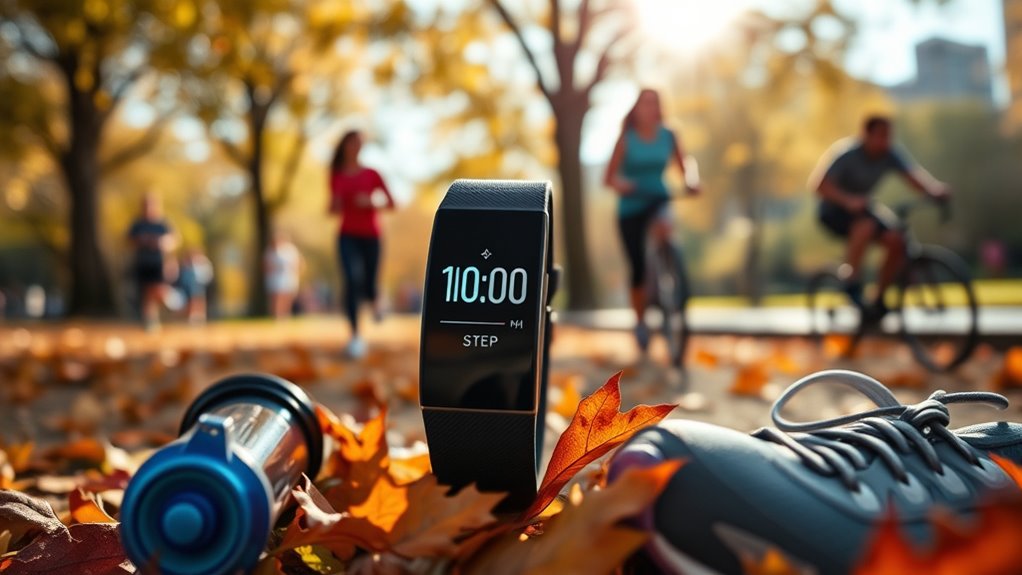
Although counting steps has become a popular way to gauge physical activity, it’s not the only metric worth considering. If you’re aiming for a well-rounded view of your activity levels, consider these alternatives alongside your step count. Fitness trackers can help you monitor various aspects of your active lifestyles:
Counting steps is just one way to assess activity; explore other metrics for a comprehensive view of your health.
- Heart Rate: Keeping track of your heart rate gives insight into your cardiovascular fitness.
- Calories Burned: Understanding calorie expenditure can help manage weight and energy levels.
- Active Minutes: Measure the time spent in moderate to vigorous activities.
- Distance Traveled: Knowing how far you go can motivate you to reach new goals.
- Sleep Quality: Recovery is essential; better sleep often correlates with better activity levels.
These metrics offer a fuller picture of your overall health.
Intensity and Variety in Physical Activity

When you focus solely on step count, you might miss out on the benefits of varying the intensity of your workouts. Incorporating different intensity levels into your routine can enhance your fitness results and keep things interesting. For example, mixing high-intensity intervals with moderate-paced activities boosts your metabolism and improves cardiovascular health. Additionally, off-road gear such as supportive pants and proper footwear can help prevent discomfort and injuries during varied activities. Using the right supportive gear can provide extra stability and reduce strain, especially when engaging in diverse workouts. Understanding how training intensity impacts your recovery is crucial for preventing overtraining and injury. Selecting appropriate outdoor and boating gear, like supportive clothing and protective footwear, can further aid in maintaining comfort and safety during your exercises. So, remember, it’s not just about hitting 10,000 steps; it’s about how you move and the variety you bring to your fitness journey.
Frequently Asked Questions
Can I Count Steps From Activities Like Dancing or Cycling?
Yes, you can count steps from activities like dancing or cycling! Dancing can burn calories effectively, offering a fun way to stay active while still tracking your movement. Cycling also provides great cardiovascular benefits, contributing to your overall fitness. While these activities might not register as steps on a pedometer, they still promote health and can be included in your daily activity goals. Just remember to enjoy what you do!
How Does Age Affect Daily Step Goals?
Age affects your daily step goals by introducing age-related limitations that can impact your mobility and endurance. As you get older, you might find it harder to maintain the same pace or distance. It’s crucial to make step goal adjustments based on your personal fitness level and capabilities. Instead of aiming for a specific number, focus on gradual improvements that align with your lifestyle and health to guarantee you stay active and engaged.
Is Walking Alone Enough for Weight Loss?
Yes, walking alone can help with weight loss, especially when you maintain a caloric deficit. It’s a straightforward way to burn calories, but don’t forget about muscle retention. Incorporating strength training into your routine can preserve muscle while you shed fat. Coincidentally, as you walk more, you might find yourself more energized, leading to healthier food choices. So, strap on those shoes and start walking; your body will thank you!
How Do I Track My Steps Accurately?
To track your steps accurately, consider using a pedometer or a fitness app on your smartphone. These tools can help you monitor your daily activity levels more precisely. Make sure the app is calibrated correctly and carries your personal data, like age and weight, for better accuracy. Additionally, wearing a fitness tracker can provide real-time feedback, ensuring you stay motivated and accountable to your step tracking goals.
What if I Can’t Reach 10,000 Steps Daily?
If you can’t reach 10,000 steps daily, don’t sweat it! Think of fitness flexibility as your best friend. You can set alternative goals that suit your lifestyle, like 7,000 or even 5,000 steps, and still stay active. Mix in other exercises too; dancing or cycling counts! The key is to stay consistent and enjoy moving. Remember, it’s about progress, not perfection, so celebrate every step you take towards your fitness journey!
Conclusion
In the end, hitting 10,000 steps isn’t the magic number it’s cracked up to be. Your body’s unique, and what works for you might not work for someone else. So, embrace movement in all its forms—whether it’s a brisk walk or dancing in your living room. Remember, it’s not just about counting steps but enjoying the journey of staying active. After all, every step you take is a step toward a healthier you!
NFL season / tailgating Picks
team gear
As an affiliate, we earn on qualifying purchases.