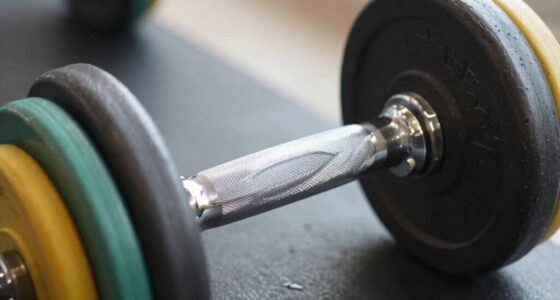

Warm-ups are essential for raising your heart rate and prepping your muscles for exercise, while stretching improves flexibility and helps prevent injuries. Together, they enhance your workout performance. A solid warm-up involves dynamic movements to get your body ready, whereas stretching focuses on lengthening your muscles post-workout. By understanding when and how to implement each, you can optimize your fitness routine. Discover more about making the best choices for your specific goals as you continue exploring.

Get the little things that make your day delivered free with Prime
- Fast, free delivery on millions of items
- Prime Video, Amazon Music and more included
- Member-only deals all year
Key Takeaways
- Warm-ups increase heart rate and blood flow, preparing the body for physical activity and reducing injury risk.
- Stretching improves flexibility and joint health, enhancing movement efficiency and preventing fatigue during workouts.
- Dynamic movements in warm-ups enhance muscle responsiveness, while static stretching is more effective when muscles are warm.
- Both warm-ups and stretching are essential for performance enhancement and injury prevention, working best when combined strategically.
- Tailoring warm-up and stretching routines to specific fitness goals optimizes workout effectiveness and helps achieve desired outcomes.
foam roller for muscle flexibility
As an affiliate, we earn on qualifying purchases.
As an affiliate, we earn on qualifying purchases.
Why Warm-Ups Matter

When you engage in physical activity, warming up isn’t just an optional step; it’s vital for preparing your body. The importance of warm-ups lies in their ability to increase your heart rate and blood flow, which primes your muscles for more intense activity. By employing effective warm-up techniques like dynamic stretches or light cardio, you enhance your range of motion and reduce the risk of injuries. These movements activate your muscles and joints, making them more responsive during your workout. Incorporating foam rolling into your warm-up routine can further improve muscle flexibility and help prevent soreness. You’ll find that a proper warm-up not only improves your performance but also helps you feel more energized and focused. So, don’t skip this vital step; it sets the tone for a successful and safe exercise session.
As an affiliate, we earn on qualifying purchases.
Understanding the Science of Stretching

When you think about stretching, it’s vital to know the different techniques and their benefits. Understanding the science behind stretching can help you avoid common myths and improve your performance. Let’s explore how various types of stretching can enhance your routine and keep you injury-free.
Types Of Stretching Techniques
Stretching techniques play an essential role in enhancing flexibility and preventing injuries during physical activities. You can choose from various methods, each with unique benefits. Here’s a quick overview:
| Stretching Technique | Description | Best For |
|---|---|---|
| Static Stretching | Holding a stretch for a period | Flexibility improvement |
| Dynamic Stretching | Moving parts of your body through a full range | Warm-up before activities |
| Proprioceptive Neuromuscular Facilitation | Combining static stretching and isometric contraction | Advanced flexibility |
| Ballistic Stretching | Bouncing movements to push limits | Athletes needing explosive power |
Incorporating active, passive, functional, and resistance stretching into your routine can further enhance your performance and reduce the risk of injuries.
Benefits Of Stretching Science
Understanding the science behind stretching reveals its numerous benefits for both physical performance and overall well-being. When you incorporate stretching into your routine, you’re actively promoting flexibility improvement, which enhances your range of motion and helps you perform better in various activities. This increased flexibility can also lead to more efficient movement patterns, making everyday tasks easier and reducing fatigue. Additionally, stretching plays an essential role in injury prevention. By preparing your muscles and joints for activity, you decrease the risk of strains and sprains. Regular stretching helps maintain muscle elasticity and joint health, ensuring that you stay injury-free and capable of engaging in your favorite sports or exercises. Embracing these benefits can make a significant difference in your overall fitness journey.
Stretching Myths Debunked Today
Many people believe common myths about stretching that can hinder their fitness progress, especially when they don’t realize the science behind it. For instance, static stretching before workouts can actually reduce performance, contrary to popular belief. Instead, dynamic stretching is more effective for warming up muscles. Flexibility training is essential but should be balanced with strength training to promote injury prevention. Another misconception is that stretching alone guarantees muscle recovery; it’s most effective when combined with proper hydration and nutrition. To enhance your performance, focus on developing effective routines that incorporate both dynamic and static stretching at the right times. Understanding these principles can help you maximize your training potential and dispel the myths surrounding stretching.
resistance training stretch bands
As an affiliate, we earn on qualifying purchases.
As an affiliate, we earn on qualifying purchases.
Key Differences Between Warm-Ups and Stretching

While both warm-ups and stretching are essential for preparing your body for physical activity, they serve distinct purposes that impact your performance and safety. Warm-ups typically involve dynamic movements that gradually increase your heart rate and promote muscle activation, preparing your body for the demands of exercise. They help enhance your overall performance by improving blood flow and flexibility. On the other hand, stretching focuses on lengthening muscles and improving flexibility, which can reduce the risk of injury. It’s crucial to recognize that stretching is more effective when your muscles are warm, so integrating both warm-ups and stretching into your routine will help you perform better and stay safe during workouts.
As an affiliate, we earn on qualifying purchases.
How to Time Your Warm-Ups for Maximum Benefit

To get the most out of your warm-ups, you need to focus on their duration and timing. Aim for about 10 to 15 minutes before you start your physical activity, allowing your body to gradually adjust. This way, you’ll enhance your performance and reduce the risk of injury.
Optimal Duration For Warm-Ups
As you prepare for a workout, the duration of your warm-up plays an essential role in maximizing its effectiveness. Ideally, aim for 10 to 15 minutes of warm-up activities to raise your heart rate and increase blood flow to your muscles. This time frame allows you to achieve peak intensity without overexerting yourself before your main workout. Start with dynamic movements that mimic the exercises you’ll perform, gradually increasing the intensity. Whether it’s jogging, jumping jacks, or bodyweight exercises, make sure these activities activate the muscle groups you’ll use. Remember, a proper warm-up not only prevents injuries but also enhances your performance, making that time investment worthwhile. So, don’t rush; give your body the time it needs to prepare!
Timing Before Physical Activity
Timing your warm-up effectively can greatly enhance your performance during physical activity. Proper pre activity timing is vital; aim to start your warm-up about 10 to 15 minutes before you engage in your workout. This allows your body to gradually increase its heart rate and prepare your muscles for action.
When it comes to warm up duration, spending around 5 to 10 minutes on dynamic stretches and light exercises is preferable. This duration strikes a balance, ensuring you’re warmed up without tiring yourself out before the main event. Remember, the goal is to elevate your body temperature and improve blood flow, so listen to your body and adjust your timing as needed for best results.
Benefits of Stretching vs. Warm-Ups Before and After Workouts

While both stretching and warm-ups play essential roles in preparing your body for exercise, understanding their distinct benefits can enhance your workout experience. Warm-ups primarily increase your heart rate and blood flow, helping your muscles become more pliable and ready for action. They often include dynamic flexibility exercises, which improve your range of motion and activate the muscles you’ll be using. On the other hand, stretching focuses on static flexibility, promoting muscle elongation and relaxation. Incorporating both into your routine can prevent injuries, enhance performance, and aid recovery. So, before your workouts, do some dynamic stretches to warm up, and save your static stretches for after to help maintain flexibility and promote muscle recovery.
Selecting Your Warm-Up or Stretching Routine Based on Your Fitness Goals

Choosing the right warm-up or stretching routine can greatly influence your fitness outcomes, especially when you align it with your specific goals. By implementing goal-oriented routines, you can enhance your performance and prevent injuries. Here’s a quick guide to help you choose:
| Fitness Goal | Warm-Up Strategy | Stretching Strategy |
|---|---|---|
| Increase Strength | Dynamic movements | Static holds post-workout |
| Improve Flexibility | Full-body dynamic stretches | Targeted static stretches |
| Boost Endurance | Aerobic exercises | Active stretching |
| Enhance Speed | Sport-specific drills | Dynamic leg swings |
| Injury Prevention | Gradual intensity increase | Gentle static stretches |
Using these fitness-specific strategies, you’ll maximize your workout effectiveness and achieve your desired results. Incorporating training concepts and understanding how gear functions can further optimize your routines.
Frequently Asked Questions
Can Warm-Ups Prevent Injuries During Workouts?
Yes, warm-ups can greatly aid in injury prevention during workouts. When you incorporate effective warm-up techniques, you increase blood flow to your muscles, enhance flexibility, and prepare your body for the physical demands ahead. By gradually raising your heart rate and loosening your joints, you reduce the risk of strains and sprains. So, don’t skip your warm-up; it’s an essential step in keeping your body safe and ready for action.
Should I Warm up Before Every Type of Exercise?
Yes, you should warm up before every type of exercise. Dynamic warm-ups get your muscles ready, increase your heart rate, and enhance flexibility, all essential for preventing injuries. The higher the exercise intensity, the more important a proper warm-up becomes. Taking just a few minutes to engage in these activities can greatly improve your performance and guarantee your body’s prepared for the demands ahead. Don’t skip this important step!
What Is the Best Time to Stretch?
The best time to stretch is right before and after your workouts. Before exercising, focus on dynamic stretching to warm up your muscles and improve your range of motion. After your workout, static stretching helps your muscles relax and recover. Incorporating both types of stretching into your routine guarantees you’re enhancing flexibility and reducing injury risk. So, make it a habit to stretch at these key moments for ideal results!
How Long Should My Warm-Up Last?
Your warm-up should last about 10 to 15 minutes for effective warm ups. This duration allows your body to gradually increase its heart rate and prepare your muscles for activity. Focus on dynamic movements that mimic the exercises you’ll be doing. Keep in mind that a well-planned warm-up can enhance performance and reduce the risk of injury, so don’t rush through it. Take the time to get your body ready for action!
Can Stretching Improve My Athletic Performance?
Yes, stretching can improve your athletic performance, but it depends on the type. Dynamic stretching, done before activity, enhances your range of motion and prepares your muscles for action. It helps increase blood flow and flexibility. Static stretching, on the other hand, is best after your workout to aid recovery and improve flexibility over time. Incorporating both effectively can boost your overall athletic performance and help prevent injuries.
Conclusion
In the world of workouts, warm-ups work wonders while stretching serves a specific purpose. By balancing both, you boost your body’s benefits and prepare for peak performance. Picture yourself powered up and poised, ready to tackle any challenge. Whether you’re warming up or stretching, aligning your approach with your fitness goals guarantees you’re not just moving, but moving mindfully. Embrace the energy of effective exercise, and let your routine radiate results that resonate with your aspirations.
NFL season / tailgating Picks
team gear
As an affiliate, we earn on qualifying purchases.