Strength training after 40 is essential for maintaining muscle mass, improving flexibility, and boosting overall health. Start by setting realistic goals and gradually incorporate exercises using dumbbells and resistance bands. Focus on core and upper body movements like push-ups and planks while ensuring proper form to prevent injuries. A structured weekly workout plan with rest days is key for progress. Keep going, and you’ll discover more tips and strategies to enhance your strength training journey.

Get the little things that make your day delivered free with Prime
- Fast, free delivery on millions of items
- Prime Video, Amazon Music and more included
- Member-only deals all year
Key Takeaways
- Begin with a fitness assessment to establish realistic goals focused on strength, balance, and flexibility tailored to your abilities.
- Structure a workout plan with three to four sessions per week, incorporating compound movements for comprehensive muscle engagement.
- Use essential equipment like dumbbells and resistance bands to create varied and effective workouts suitable for home environments.
- Focus on core and upper body exercises, starting with lighter weights to master form before increasing resistance for safety and effectiveness.
- Prioritize recovery practices, including foam rolling, stretching, and adequate sleep to support muscle recovery and overall health.
As an affiliate, we earn on qualifying purchases.
Why Strength Training Is Essential After 40

As you age, your body naturally loses muscle mass and strength, which can lead to decreased mobility and an increased risk of injury. That’s where strength training comes in. It’s essential for maintaining your muscle mass, enhancing your flexibility, and keeping your body agile. Engaging in regular strength training not only improves physical health but also offers significant mental health benefits. You’ll likely experience reduced anxiety and improved mood as you build confidence through strength gains. Plus, the importance of flexibility in your routine can’t be overstated; it helps prevent injuries and keeps you moving comfortably. Incorporating work-life harmony practices can also enhance your overall well-being and help you stay committed to your fitness goals. By prioritizing strength training, you’re not just preserving your physical abilities, but also boosting your overall well-being as you navigate the years ahead.
resistance bands set for strength training
As an affiliate, we earn on qualifying purchases.
As an affiliate, we earn on qualifying purchases.
Key Benefits of Strength Training After 40

Strength training offers a multitude of benefits that become increasingly important as you age. One of the key advantages is muscle preservation. As you reach 40 and beyond, you naturally start losing muscle mass, but strength training helps counteract this decline, allowing you to maintain your strength and functional mobility. Additionally, it plays a vital role in bone health. Weight-bearing exercises stimulate bone density, reducing the risk of osteoporosis and fractures. This is essential for maintaining a healthy, active lifestyle. By incorporating strength training into your routine, you’re not just building muscle; you’re investing in your overall well-being. Embracing these benefits can lead to a more vibrant and energetic life as you continue to age gracefully.
As an affiliate, we earn on qualifying purchases.
Starting Your Strength Training Journey: Setting Realistic Goals

Setting realistic goals is essential when starting your strength training journey, especially for those over 40. Begin by evaluating your current fitness level and identifying what you want to achieve. Think about specific goals, like improving your balance, increasing muscle mass, or enhancing overall strength. Effective goal setting involves breaking these larger aims into smaller, manageable milestones. This way, you can celebrate small victories, which keeps you motivated. Remember to set realistic expectations; progress may be slower than you’d like, but consistency is key. Consider factors like your schedule, physical limitations, and recovery time. By establishing achievable goals, you’ll build confidence and create a sustainable routine that supports long-term success in your strength training journey. Incorporating SMART goal setting can help you stay focused and track your progress more effectively.
lightweight exercise mats for seniors
As an affiliate, we earn on qualifying purchases.
As an affiliate, we earn on qualifying purchases.
Choosing Equipment for Home Strength Training Workouts
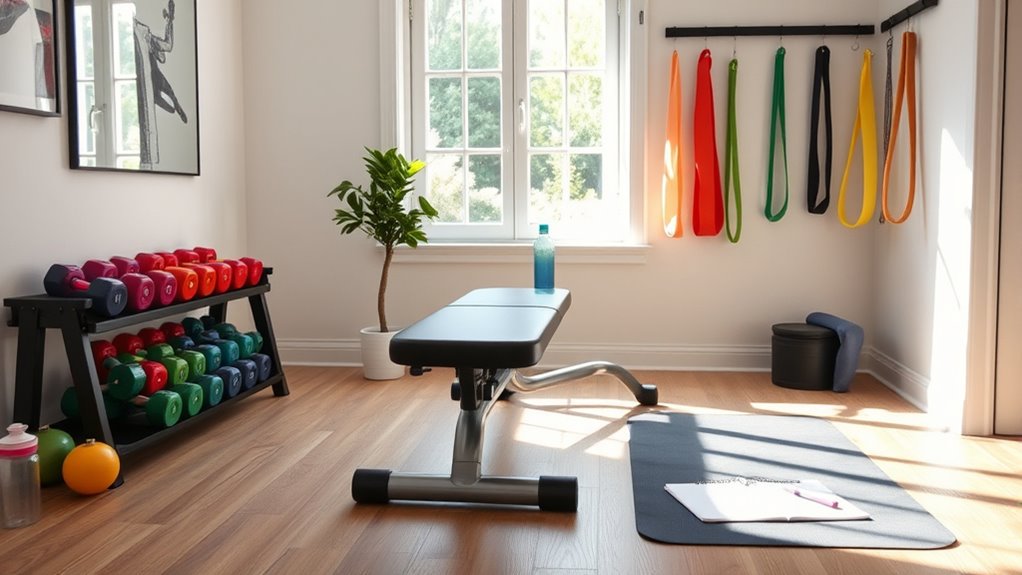
When you’re setting up your home strength training space, choosing the right equipment is key. You can find essential gear that fits your budget while ensuring safety during your workouts. Let’s explore some beginner-friendly options that will help you get started effectively.
Essential Equipment For Beginners
Choosing the right equipment for home strength training can make a big difference in your fitness journey. For beginners, investing in a set of dumbbells is a smart choice. They’re versatile, allowing you to perform a variety of exercises that target different muscle groups. Start with a light to moderate weight that you can comfortably handle.
Additionally, resistance bands are excellent for those just starting out. They’re easy to use, portable, and provide adjustable resistance levels. You can incorporate them into your workouts to enhance strength without the strain of heavier weights.
Combining dumbbell sets and resistance bands gives you a well-rounded foundation for effective home workouts, helping you build strength safely and effectively as you begin your fitness journey.
Budget-Friendly Options Available
If you’re looking to start strength training at home without breaking the bank, there are plenty of budget-friendly options available. You don’t need fancy equipment to achieve your fitness goals. Consider investing in some affordable workout gear like resistance bands or dumbbells. These items are versatile and can enhance your workouts considerably. Incorporating connected home fitness technology can also help you track your progress and stay motivated as you build strength.
Understanding training concepts and gear fundamentals can help you make smarter choices and prevent injuries. Here’s a simple comparison to help you choose:
| Equipment Type | Estimated Cost |
|---|---|
| Resistance Bands | $10 – $25 |
| Dumbbells (set) | $20 – $50 |
| Stability Ball | $15 – $30 |
These cost-effective fitness programs can help you build strength effectively while keeping your expenses low. Start small, and you’ll see great results!
Safety Considerations To Keep
Before diving into home strength training, it’s essential to reflect on safety in your equipment choices. Start with quality items that suit your fitness level and space. Consider adjustable dumbbells or resistance bands; they’re versatile and effective for beginners. Always prioritize stability—make sure your equipment is sturdy and won’t tip over during workouts. Proper use of pressure washers and cleaning tools can help maintain your equipment’s safety and longevity. Incorporating equipment maintenance routines, like regular inspections and cleaning, ensures your gear stays in safe working condition. Paying attention to off-road gear safety features, such as non-slip surfaces and secure attachments, can also enhance your workout environment. Additionally, understanding home gym safety guidelines helps create a secure exercise space. Establishing a safe workout environment by ensuring adequate lighting and ventilation can further prevent accidents. Incorporate warm-up routines before every session to prepare your muscles and joints, reducing the risk of injury. Keep your workout area clear of hazards, like loose mats or clutter. Finally, listen to your body; if something doesn’t feel right, don’t push through the pain. By focusing on these safety considerations, you’ll set yourself up for a successful and enjoyable strength training journey.
Essential Strength Training Exercises for Beginners Over 40

When you’re starting strength training over 40, focusing on core strengthening and upper body fundamentals is vital. These exercises not only build strength but also enhance your overall stability and posture. Let’s explore some effective moves that can kickstart your journey. Incorporating safety considerations and understanding how your body responds to different movements can help prevent injuries and make your workouts more effective. Additionally, paying attention to muscle activation during each exercise ensures you’re engaging the correct muscles for optimal results. Being aware of indoor air quality factors such as dust and microplastics can also contribute to maintaining overall health and well-being as you pursue your fitness goals. Regularly monitoring air quality levels in your workout space can help create a safer environment for exercise, especially for those with allergies or respiratory sensitivities. Recognizing the importance of ergonomic workspace setup can further support your physical health during recovery and daily activities.
Core Strengthening Exercises
As you commence your strength training journey after 40, incorporating core strengthening exercises is essential for building stability and enhancing overall fitness. A strong core not only supports your body but also improves your daily activities and reduces injury risk. Focus on exercises that boost core stability and core endurance. Here are three effective exercises to include in your routine:
- Planks: Hold a plank position to engage multiple core muscles and build endurance.
- Bird-Dog: This move enhances stability and coordination while working your lower back and abdomen.
- Russian Twists: Seated twists improve rotational strength and target your obliques.
Additionally, understanding sleep hygiene can help optimize recovery and overall well-being, which is vital when starting a new fitness routine. Maintaining proper muscle recovery practices is also crucial for preventing injuries and ensuring consistent progress. Incorporating core strength into your routine can also support other aspects of your health, making your fitness journey more sustainable and effective. Regularly practicing foam rolling can further enhance recovery by reducing muscle tension and improving flexibility, which is especially beneficial for beginners over 40. Developing a recovery routine that includes stretching and rest days can significantly improve your results and longevity in strength training.
Upper Body Fundamentals
Building upper body strength is essential for maintaining overall fitness and functionality, especially after 40. You’ll want to focus on key exercises that target your chest, back, shoulders, and arms. Start with push-ups to strengthen your chest and triceps. Incorporate dumbbell rows to work your back, improving posture and stability. Shoulder presses can enhance muscle tone and strength in your shoulders. Don’t forget bicep curls and tricep extensions for well-rounded arm strength. Use these strength techniques consistently, aiming for two to three sessions a week. Remember to start with lighter weights, progressively increasing as you gain confidence and strength. This approach not only boosts your upper body strength but also enhances your daily activities and overall quality of life. Prioritize proper technique & form education to prevent injuries and maximize results. Incorporating safe training practices can further optimize your progress and reduce the risk of strain or injury. Additionally, paying attention to early detection of metabolic issues can help you tailor your fitness routine for better health outcomes.
How to Maintain Proper Form and Avoid Injuries
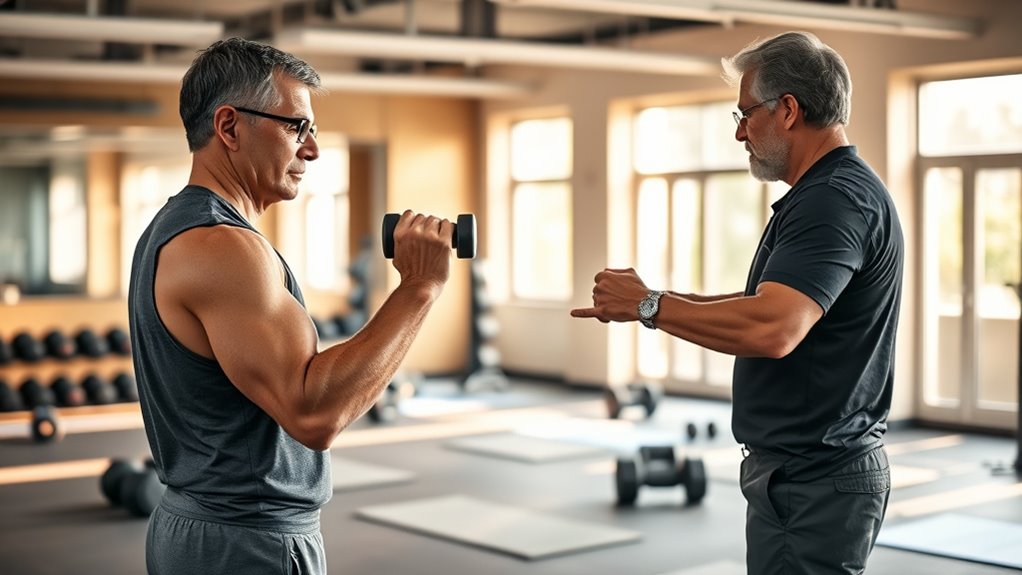
Maintaining proper form during strength training is essential for preventing injuries and maximizing effectiveness. Focusing on your body’s alignment can make a significant difference. Here are three key tips to keep in mind:
- Engage your core: A strong core supports your spine and helps maintain proper alignment throughout your exercises.
- Use a mirror: Visual feedback can help you correct any form issues, ensuring you’re maintaining the right posture.
- Start with lighter weights: Master the movements before increasing resistance; this promotes proper technique and reduces the risk of injury.
- Pay attention to body awareness: Developing awareness of your body’s position can improve your form and help prevent injuries. Additionally, understanding security zone info can give you insights into creating a safe workout environment that minimizes risks.
Crafting Your Weekly Workout Plan

Proper form is just the beginning; having a structured workout plan is key to making progress in strength training. Start by determining your workout frequency—three to four sessions per week is ideal for beginners over 40. Each workout should include compound movements targeting major muscle groups, allowing for balanced development. Don’t forget to schedule adequate recovery time between sessions; this helps prevent injuries and promotes muscle growth. Aim for at least one rest day between workouts for the same muscle groups. Listen to your body; if you’re feeling fatigued, consider adjusting your plan. By crafting a thoughtful weekly workout schedule, you’ll maximize your strength training benefits and set yourself up for long-term success.
Adapting Your Workout Plan for Continuous Progress

As you progress in your strength training journey, it’s essential to adapt your workout plan to keep challenging your body and prevent plateaus. Regular progress tracking will help you identify when it’s time for workout adjustments. Here are a few strategies to contemplate:
- Change the Rep Range: Alter the number of repetitions to shift intensity and stimulate growth.
- Switch Up Exercises: Introduce new movements targeting the same muscle groups to keep things fresh and engaging.
- Increase Weights Gradually: Incrementally add weight to your lifts, ensuring you maintain proper form for safety.
When Should You Seek Professional Guidance?

Knowing when to seek professional guidance can be vital for your strength training journey, especially as you navigate the unique challenges of working out over 40. If you’re unsure about proper techniques or feel overwhelmed by exercise choices, it’s time to take into account hiring a personal trainer. A trainer can provide you with a tailored fitness assessment, helping you identify your strengths, weaknesses, and specific goals. They’ll teach you safe lifting techniques and create a program that suits your needs. Additionally, if you experience pain or discomfort while exercising, professional advice is important to avoid injury. Remember, investing in a personal trainer can enhance your confidence and effectiveness in your strength training routine. Don’t hesitate to reach out for help when you need it!
Frequently Asked Questions
How Often Should I Strength Train Each Week?
You should aim to strength train about two to three times a week. This frequency helps you build strength without overwhelming your body. Incorporate workout variety by mixing different exercises targeting various muscle groups. This not only keeps things interesting but also guarantees balanced development and reduces the risk of injury. Listen to your body and adjust as needed, but consistency is key to seeing progress and achieving your fitness goals.
Can Strength Training Help With Weight Loss?
Sure, strength training can help with weight loss! It’s like waving a magic wand that boosts your muscle metabolism, turning your body into a fat-burning furnace. Forget about endless cardio; when you build muscle, you also create a caloric deficit without even trying! As your muscles grow, they burn more calories, even while you’re binge-watching your favorite show. So, grab those weights and watch the pounds melt away while you relax!
What Should I Eat Before and After Workouts?
Before your workouts, grab a pre workout snack that’s rich in carbs and protein, like a banana with peanut butter or Greek yogurt with berries. This’ll fuel your energy and enhance performance. After exercising, focus on post workout meals that include lean protein and healthy carbs, such as grilled chicken with quinoa or a protein shake with fruit. This’ll help repair muscles and replenish lost energy, supporting your overall fitness goals.
Is It Safe to Lift Heavy Weights After 40?
You can’t teach an old dog new tricks, but you can definitely lift heavy weights safely after 40! It’s essential to focus on proper lifting techniques and to listen to your body. Prioritize injury prevention by starting with lighter weights and gradually increasing the load. Make sure you warm up, maintain good form, and allow adequate recovery time. With the right approach, you’ll build strength and confidence while minimizing your risk of injury.
How Do I Track My Strength Training Progress?
To track your strength training progress, start by keeping a training log. Record your exercises, weights, sets, and reps after each session. This helps you identify progress indicators, like increased weights or more reps over time. You can also note how you feel during workouts to gauge your endurance. Regularly review your log to celebrate your achievements and adjust your routine as needed, ensuring you stay motivated and focused on your goals.
Conclusion
Incorporating strength training into your routine after 40 isn’t just a workout; it’s your ticket to a healthier, more vibrant life. By setting realistic goals and embracing essential exercises, you’re not just building muscle—you’re crafting a stronger, more resilient version of yourself. So, lace up those sneakers and grab that dumbbell. Remember, every rep is a step toward a future where you feel empowered and ready to conquer whatever life throws your way. Keep pushing forward!
NFL season / tailgating Picks
team gear
As an affiliate, we earn on qualifying purchases.