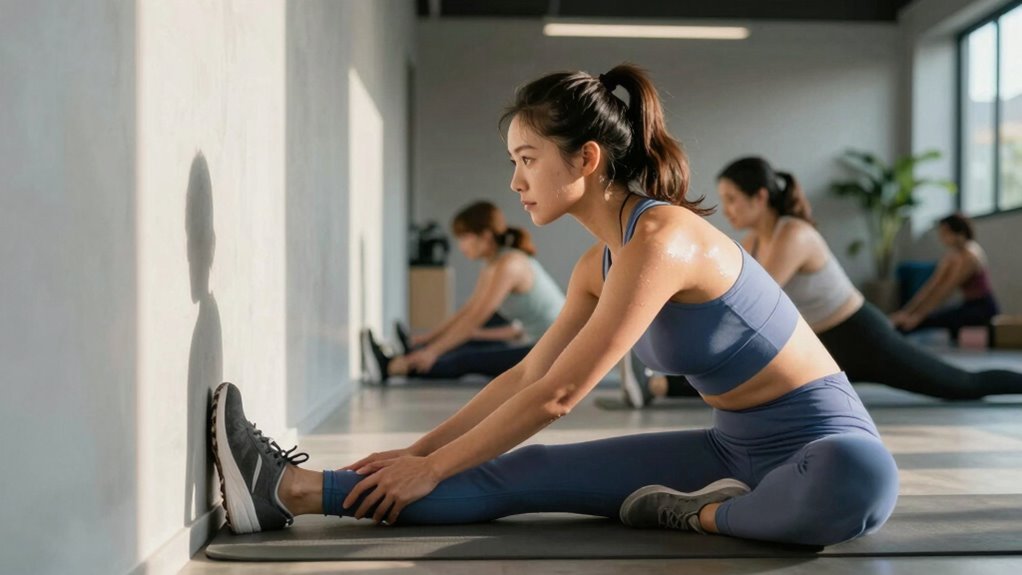

Stretching after a workout is essential for recovery and flexibility. Focus on static stretches, holding them for 15-30 seconds to relax your muscles and prevent soreness. Remember, avoid bouncing or forcing a stretch, as this can lead to injury. Listening to your body is key; if something feels painful, stop immediately. Keeping a consistent routine will maximize the benefits. Curious about specific techniques and other tips? You might find valuable insights ahead.

Get the little things that make your day delivered free — and shop member deals
- Fast, free delivery on millions of items
- Access to Prime Big Deal Days deals on October 6–7
- Prime Video, Amazon Music and more included
Key Takeaways
- Focus on static stretching post-workout, holding each stretch for 15-30 seconds to improve flexibility and aid muscle recovery.
- Prioritize major muscle groups used during your workout to effectively reduce soreness and promote relaxation.
- Avoid bouncing or forcing stretches; maintain controlled movements to prevent injuries and ensure effective stretching.
- Listen to your body; if a stretch feels painful, ease off to avoid potential injury and discomfort.
- Consistency is key; incorporate a regular stretching routine to enhance performance and recovery over time.
As an affiliate, we earn on qualifying purchases.
Should You Stretch After Exercise?

Should you really stretch after exercise? It’s a question that sparks debate among fitness enthusiasts. Many cling to stretching myths, believing it’s essential for recovery. However, not all post workout routines need to include stretching. Some studies suggest that static stretching might actually hinder performance when done immediately after intense activity. Instead, focusing on gentle movements or dynamic stretches can help maintain flexibility without risking injury. You want to prioritize your cooldown and let your body recover in its own way. By understanding the truth behind stretching, you can create a post workout routine that suits your needs better. So, think twice before diving into those stretches; your body might thank you for it later.
As an affiliate, we earn on qualifying purchases.
Why Stretching After a Workout Is Important

Stretching after your workout is essential for several reasons. It enhances your flexibility and mobility, helping you move better in daily life. Plus, it reduces muscle soreness and promotes blood circulation, making your recovery smoother and more effective.
Enhances Flexibility And Mobility
While you may be focused on achieving your fitness goals, incorporating post-workout stretching can greatly enhance your flexibility and mobility. Engaging in flexibility exercises after your workout helps lengthen your muscles, allowing for better range of motion. This is essential, especially if you’re pushing your limits during training. By dedicating time to mobility routines, you’ll notice improved performance in your workouts and daily activities. In addition, stretching helps to release tension built up during exercise, making you feel more relaxed and agile. So, make it a habit to include a variety of flexibility exercises and mobility routines after your sessions. Your body will thank you by moving more freely and efficiently, enhancing your overall fitness experience.
Reduces Muscle Soreness
Relief from muscle soreness is one of the key benefits of incorporating stretching into your post-workout routine. By focusing on muscle recovery, you can greatly reduce discomfort and enhance your overall performance. Here are four ways stretching contributes to soreness relief:
- Increases flexibility: Improved flexibility helps your muscles recover more efficiently.
- Promotes relaxation: Stretching helps to release tension in your muscles, aiding relaxation.
- Reduces stiffness: Gentle stretching can decrease muscle stiffness, improving your range of motion.
- Enhances blood flow: While we won’t explore circulation here, a good stretch can help facilitate blood flow to sore areas.
Make stretching a priority after your workouts to enjoy these benefits and support your muscle recovery effectively.
Promotes Blood Circulation
When you finish a workout, promoting blood circulation is essential for recovery and overall health. Stretching helps boost blood flow to your muscles, delivering important nutrients and oxygen while flushing out toxins. This increased circulation not only aids in muscle recovery but also plays a significant role in injury prevention. By keeping your muscles flexible and reducing tightness, you lower the risk of strains and sprains. Incorporating post-workout stretches into your routine can enhance your performance in future workouts and maintain your mobility. Remember, it’s not just about feeling good immediately after exercising; it’s about setting your body up for long-term success. So, take the time to stretch properly and reap the benefits of improved blood circulation.
As an affiliate, we earn on qualifying purchases.
Best Post-Workout Stretching Techniques

After your workout, incorporating the right stretching techniques can enhance your recovery and flexibility. Static stretching helps you cool down and lengthen your muscles, while dynamic stretching can prepare your body for future workouts. Let’s explore how to effectively use both methods for ideal results.
Static Stretching Benefits
While many people focus on the intensity of their workouts, incorporating static stretching into your post-exercise routine can considerably enhance recovery and flexibility. Understanding the benefits of static stretching techniques can help you overcome common static stretching misconceptions. Here are four key advantages:
- Increased Flexibility: Regular static stretching improves your overall range of motion.
- Reduced Muscle Tension: It helps relax the muscles, easing tightness after intense workouts.
- Enhanced Blood Flow: Static stretches promote circulation, aiding in recovery.
- Improved Posture: Consistent stretching can alleviate muscular imbalances, contributing to better posture.
Dynamic Stretching Techniques
Dynamic stretching techniques play an essential role in your post-workout routine, helping to maintain muscle elasticity and prevent stiffness. After an intense workout, consider incorporating dynamic warm-ups like leg swings and arm circles. These movements increase blood flow and improve flexibility, which can enhance your recovery. Mobility drills are also effective; they encourage joint movement and reduce tightness. For instance, try walking lunges or inchworms to target multiple muscle groups. Remember to focus on controlled movements rather than speed to avoid injury. Additionally, incorporating evidence-based exercises can optimize your recovery process. Using proper technique during these movements ensures safety and effectiveness. By integrating these dynamic techniques into your post-workout regimen, you’ll keep your muscles supple and ready for your next session, ultimately improving your overall performance. So, don’t skip these vital steps!
As an affiliate, we earn on qualifying purchases.
When to Stretch: Timing Matters

Knowing when to stretch can greatly impact your recovery and performance. You’ll want to pay attention to timing, as it can enhance your workout results. Here’s how to approach it:
Knowing when to stretch is crucial for enhancing performance and accelerating recovery. Timing can make all the difference.
- Pre workout stretching: Focus on dynamic stretches to prepare your muscles for action.
- Muscle warm up: Always warm up before stretching; this increases blood flow and reduces injury risk.
- Post workout: After your workout, engage in static stretching to help your muscles relax and improve flexibility.
- Listen to your body: If you’re feeling tight or sore, gentle stretching can aid recovery.
Avoid These Common Stretching Mistakes

After you’ve established the right timing for your stretches, it’s important to avoid common mistakes that can hinder your progress. One of the most frequent errors is bouncing during a stretch, which can lead to injuries. Instead, hold each position steadily. Another common misconception is that stretching before a workout is enough; it’s essential to stretch afterward for recovery. Additionally, don’t ignore your body’s signals; if something feels painful, stop immediately. Many people also believe that stretching should be painful to be effective, which is a myth. Focus on gentle, controlled movements instead. By steering clear of these common errors and stretching myths, you’ll improve your flexibility and enhance your overall fitness journey.
Safe Stretching Techniques to Enhance Recovery

While stretching may seem simple, using safe techniques can greatly enhance your recovery after a workout. By incorporating these recovery techniques, you’ll help your muscles relax and reduce soreness. Here are four safe stretching methods to contemplate:
- Static Stretching: Hold stretches for 15-30 seconds to improve flexibility without straining.
- Dynamic Stretching: Use controlled movements to gradually increase your range of motion.
- Active Stretching: Engage your muscles by holding a stretch using only your strength, avoiding extra force.
- Gentle Foam Rolling: Use a foam roller to release muscle tension and improve blood flow.
How Stretching Helps You Recover and Perform Better

Stretching not only aids in recovery but also enhances your overall performance during workouts. By incorporating stretching into your routine, you promote muscle recovery, allowing your body to heal and rebuild after intense exercise. This process is essential for maintaining your strength and endurance levels. Additionally, regular stretching improves flexibility, which can lead to better movement mechanics and efficiency during workouts. This efficiency plays a significant role in injury prevention, as it helps you maintain proper form and reduce the risk of strains or sprains. So, take a few minutes post-workout to stretch those muscles. You’ll not only feel better the next day, but you’ll also set yourself up for greater success in your future workouts.
Frequently Asked Questions
Can Stretching Prevent Post-Workout Soreness?
Stretching can help with soreness reduction, but it’s not a guaranteed prevention method. When you stretch after a workout, you promote blood flow and flexibility, which are key stretching benefits. This can ease muscle tightness and may lessen the intensity of post-workout soreness. However, it’s important to combine stretching with proper hydration and nutrition for the best results. So, don’t skip those stretches, but remember they’re just one part of your recovery routine!
Should I Stretch if I’m Injured?
If you’re injured, stretching might not be the best idea right away. Focusing on injury recovery should come first. Gentle stretching techniques can help once your injury starts healing, but avoid anything that causes pain. Listen to your body; if a stretch feels wrong, stop. Consult a healthcare professional to get tailored advice for your situation. They’ll guide you on when and how to safely incorporate stretching into your recovery.
How Long Should Each Stretch Be Held?
You should hold each static stretch for about 15 to 30 seconds. Coincidentally, this duration often mirrors how long it takes to take a deep breath and really relax. By holding the stretch this long, you allow your muscles to lengthen and release tension effectively. If you aim for 30 seconds, you’ll likely enhance flexibility and recovery. Just remember, listen to your body and adjust the stretch duration if needed.
Is Dynamic Stretching Beneficial After Workouts?
Yes, dynamic stretching can be beneficial after workouts. It enhances your dynamic flexibility, helping to maintain muscle elasticity and joint mobility. Incorporating dynamic stretches into your cool-down routine can aid in recovery benefits by promoting blood flow and reducing stiffness. Just keep the movements controlled and avoid overstretching. By doing this, you’ll feel more limber and ready for your next workout while minimizing the risk of injury.
What Equipment Can Assist With Stretching?
You’ll feel like a superhero with the right stretching equipment! Stretching straps can help you achieve those impossible angles, making your flexibility soar to new heights. Foam rollers, on the other hand, are like magic wands for your muscles, kneading away tension and leaving you feeling rejuvenated. Grab these tools, and watch your post-workout routine transform into an exhilarating experience that even your muscles will thank you for!
Conclusion
Incorporating post-workout stretching into your routine isn’t just a good idea; it’s essential for your body’s recovery and performance. By embracing proper techniques and timing, you can gracefully navigate the path to enhanced flexibility and reduced muscle tension. Avoiding common pitfalls will help you maintain your well-being and optimize your fitness journey. So, take a moment to indulge in those soothing stretches, and watch your body thrive as you continue to pursue your goals with vigor.
Halloween Picks
halloween
As an affiliate, we earn on qualifying purchases.