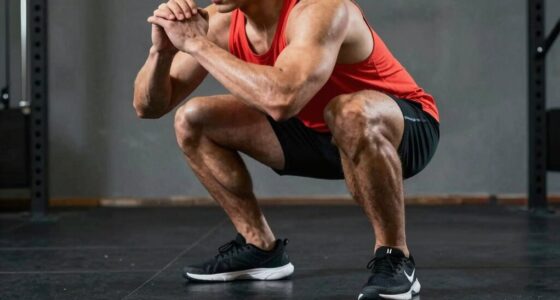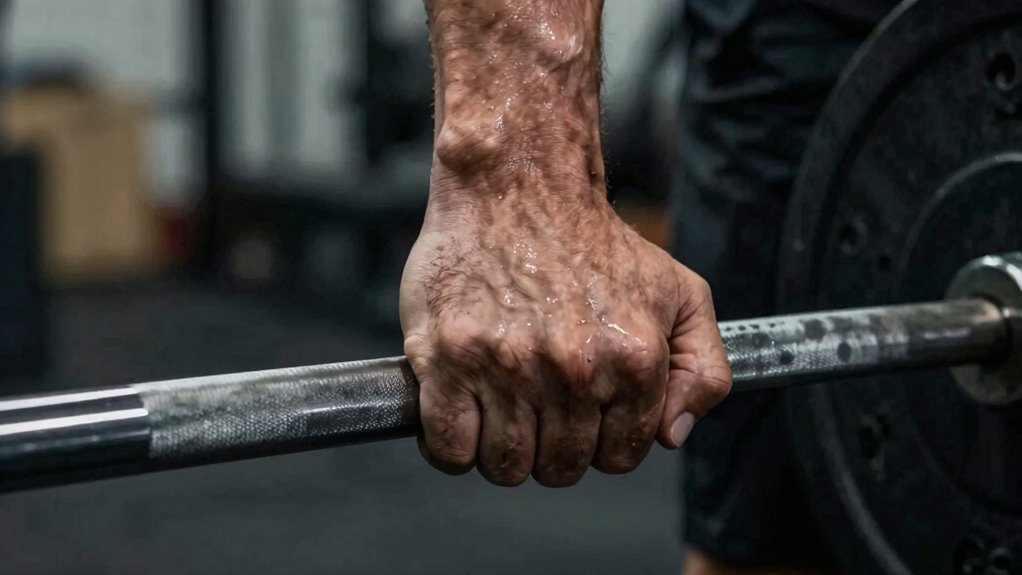
Your grip fails before your muscles do because your grip endurance is weak from lack of training or improper technique. Hand muscles tire quickly during lifts, causing early fatigue that limits how much you can lift or hold. Neglecting grip strength means your hands give out first, even if your main muscles are ready to go. Building grip endurance with targeted exercises can help you lift heavier and longer. Keep going to discover ways to strengthen your grip further.

Get the little things that make your day delivered free with Prime
- Fast, free delivery on millions of items
- Prime Video, Amazon Music and more included
- Member-only deals all year
Key Takeaways
- Hand muscles tire quickly due to inadequate grip strength training and overuse during workouts.
- Poor technique or improper grip positioning can lead to early fatigue before muscle failure.
- Lack of grip endurance limits your ability to hold weights for extended periods or repetitions.
- Neglecting hand health and recovery impairs grip performance, causing premature fatigue.
- Insufficient grip training reduces overall grip strength, making it the limiting factor in exercises.
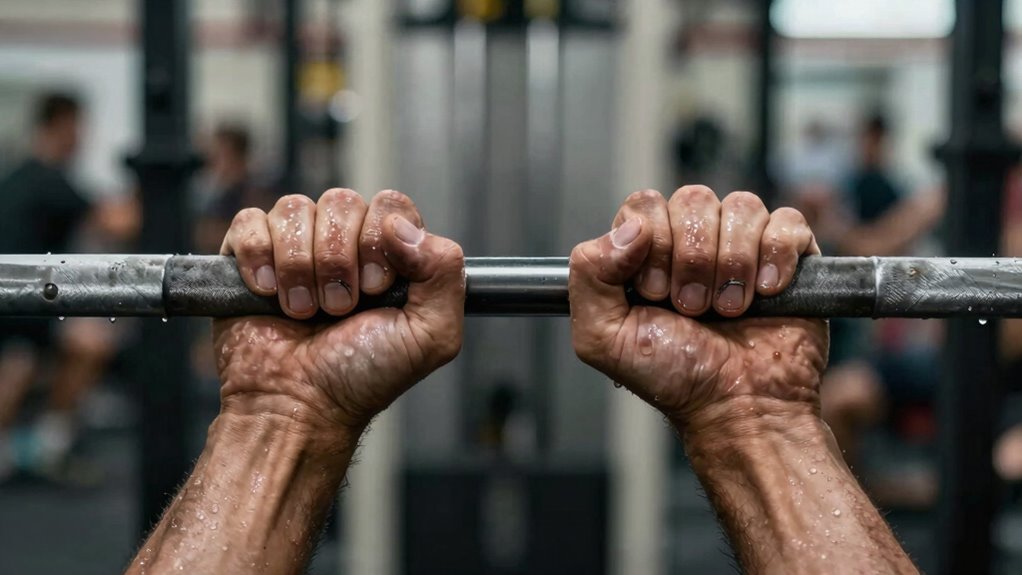
Have you ever been unable to finish a lift because your grip gave out first? It’s a frustrating experience, especially when your muscles are ready to push through, but your hands just won’t cooperate. This common issue is often rooted in hand fatigue and inadequate grip strength. When you lift weights, your grip is the first line of contact, and if it’s weak or tired, it limits your ability to hold onto the bar or dumbbell securely. No matter how strong your other muscles are, a compromised grip can cut your workout short and prevent you from reaching your full potential.
Your grip strength plays an essential role in overall lifting performance. It’s not just about how much you can lift; it’s also about how long you can hold or control the weight. When your grip becomes fatigued, your hand muscles tire quickly, and that fatigue can set in after just a few reps or minutes. This hand fatigue is often caused by overuse, improper technique, or simply not training your grip enough. Over time, your hand muscles adapt and become stronger, allowing you to hold heavier loads for longer periods. But if you neglect grip training, your grip strength remains weak, limiting your performance and increasing the likelihood of early fatigue.
Building grip endurance is key to lifting heavier and lasting longer during workouts.
To combat this, you need to focus on strengthening your grip deliberately. Incorporate exercises such as farmer’s carries, dead hangs, and grip squeezes into your routine. These help build endurance in your hand muscles, reducing hand fatigue during heavy lifts. You should also pay attention to your overall hand health—using proper grip techniques and avoiding overtraining can prevent premature fatigue. Remember, a stronger grip means less hand fatigue and more control during lifts, enabling you to push through heavier weights and longer sets. Additionally, understanding the importance of muscle endurance can help you develop a balanced approach to grip training and overall fitness.
It’s also essential to understand that grip fatigue isn’t just about strength—it’s about stamina. Even if your grip strength is solid, your hand muscles can tire if you don’t train their endurance. Consistent practice, gradually increasing resistance, and giving your hands enough recovery time can help improve both grip strength and durability. When your grip is reliable, you’ll notice fewer instances of your hands giving out prematurely, and you’ll be able to focus on the main muscles you’re targeting. Building grip endurance is crucial for sustained performance and preventing early fatigue. Developing this endurance involves not only resistance training but also paying attention to overall hand health, including proper recovery and nutrition. Ultimately, building your grip strength and reducing hand fatigue will help you lift heavier, longer, and more effectively—so don’t neglect this critical aspect of your training.
grip strength training equipment
As an affiliate, we earn on qualifying purchases.
As an affiliate, we earn on qualifying purchases.
Frequently Asked Questions
How Can I Improve My Grip Strength Quickly?
To improve your grip strength quickly, focus on exercises that boost hand endurance and target your forearm muscles. Incorporate activities like dead hangs, farmer’s carries, and wrist curls into your routine. Use grip strengtheners or squeezing a tennis ball to build endurance. Train consistently, gradually increasing weight or duration, and guarantee proper rest. This approach will help your grip improve faster, allowing you to lift heavier and perform better.
Does Grip Strength Correlate With Overall Fitness?
Yes, grip strength does correlate with overall fitness. You might not realize it, but your grip endurance and hand dexterity reveal much about your physical health. When you build grip strength, you’re improving more than just your ability to hold onto weights; you’re enhancing core muscles, coordination, and even cardiovascular health. Don’t overlook this essential link—strengthening your grip can open new levels of fitness and performance you never thought possible.
Are There Specific Exercises to Prevent Grip Fatigue?
Yes, you can prevent grip fatigue with specific exercises focused on grip endurance and hand conditioning. Incorporate activities like farmer’s carries, dead hangs, and wrist curls into your routine. These exercises strengthen your grip muscles and improve endurance, helping you sustain your hold longer during workouts. Consistent practice boosts hand strength, reduces fatigue, and guarantees your grip remains strong throughout your entire workout session.
How Often Should I Train My Grip?
You should train your grip 2-3 times a week to boost grip endurance and hand dexterity. Consistent practice helps strengthen the muscles involved, making your grip more resilient during workouts. Incorporate exercises like farmer’s carries, squeezing a grip ball, or dead hangs. Remember to rest adequately between sessions to allow recovery, and gradually increase intensity to avoid overtraining. This approach will improve your grip strength and delay fatigue during exercises.
Can Grip Failure Cause Injuries During Lifting?
Imagine a knight’s sword slipping from your grasp—grip failure during lifting can indeed cause injuries. When your hand fatigue sets in, you risk losing control, leading to strains or dropped weights. Strengthening your grip helps with injury prevention, ensuring you maintain control and stability. By training your grip, you reduce the likelihood of accidents and protect your muscles and joints from unnecessary harm.
As an affiliate, we earn on qualifying purchases.
Conclusion
Remember, your grip is the gatekeeper to releasing strength—think of it as the key to Hercules’ legendary feats. When your grip falters, it’s like losing the sword in battle before the fight is won. Strength isn’t just about muscles; it’s about holding on when it counts. So, don’t let your grip betray you—fortify it, and you’ll find that your entire workout stands stronger, ready to conquer whatever challenge you face.
As an affiliate, we earn on qualifying purchases.
As an affiliate, we earn on qualifying purchases.
Halloween Picks
halloween
As an affiliate, we earn on qualifying purchases.