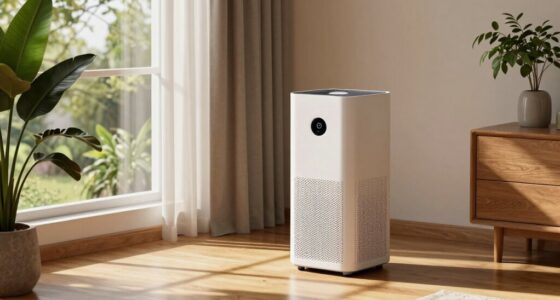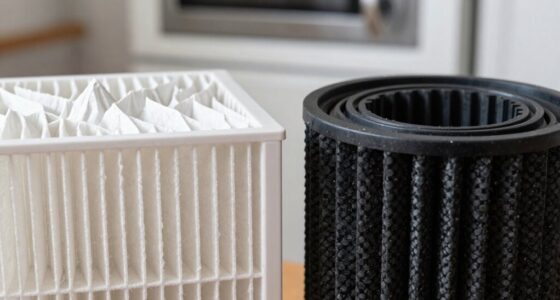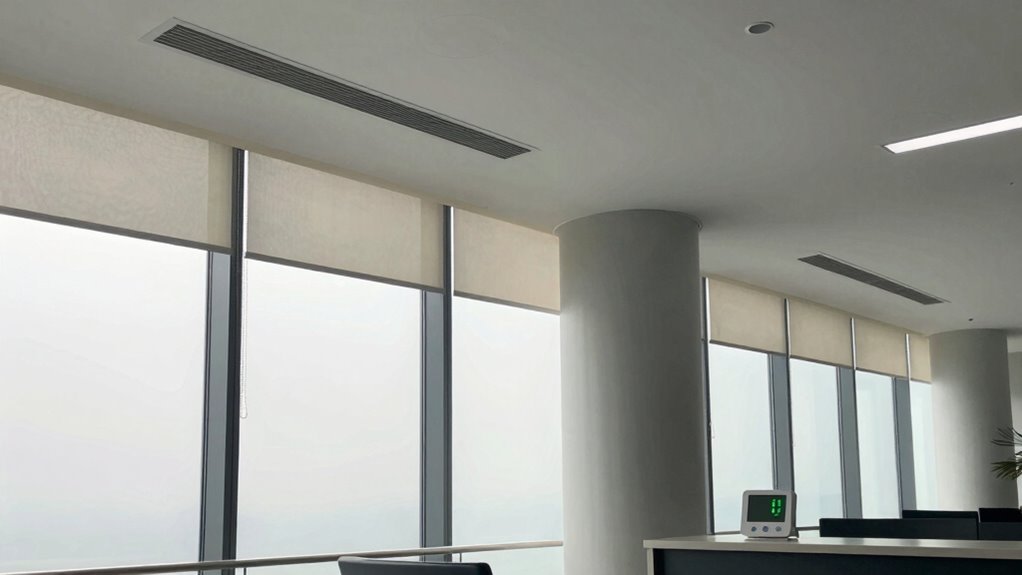

What nobody tells you about air changes per hour is that higher ACH doesn’t automatically mean better air quality. You need effective airflow management, proper filtration, and a balanced system tailored to your space. Even with high ACH, poor layout or furniture placement can cause stagnant air zones. Understanding these nuances helps you optimize your indoor environment. Keep exploring to discover how you can truly improve your air quality and comfort.

Get the little things that make your day delivered free — and shop member deals
- Fast, free delivery on millions of items
- Access to Prime Big Deal Days deals on October 6–7
- Prime Video, Amazon Music and more included
Key Takeaways
- Higher ACH doesn’t always mean better air quality without proper filtration and airflow management.
- Real indoor air quality depends on effective air exchange, not just the number of changes per hour.
- Over-ventilation wastes energy, while under-ventilation risks health issues; balance is crucial.
- Room layout and furniture placement significantly impact how well air circulates, regardless of ACH.
- Different spaces require tailored ACH standards; one size does not fit all for optimal ventilation.

Ever wondered how often the air in a room gets refreshed? If you’re like most people, you probably don’t think about it much. But understanding air changes per hour (ACH) is essential for maintaining good indoor air quality and ensuring your space feels fresh and comfortable. Many overlook the fact that ventilation efficiency plays a significant role in how effectively a room’s air is replaced. Simply opening a window might seem enough, but without proper airflow management, you’re not optimizing ventilation efficiency. This can lead to stale air lingering, odors building up, and pollutants accumulating over time.
Understanding ACH helps keep indoor air fresh, but airflow management is key for real air quality improvements.
You might assume that increasing the number of air changes per hour automatically improves indoor air quality, but that’s not always the case. ACH is a useful metric, indicating how many times the volume of air in a room gets replaced within an hour. Higher ACH values generally mean fresher air, but it’s not just about quantity; the quality of the ventilation system also matters. Poorly designed or improperly maintained systems can have high ACH rates but still fail to deliver clean, healthy air because they don’t filter out pollutants or distribute airflow evenly. So, understanding ACH isn’t just about numbers—it’s about how effectively those air exchanges translate into healthier indoor environments. Effective ventilation depends on both the ACH rate and how well the airflow is managed throughout the space. Additionally, airflow patterns can significantly influence the overall effectiveness of ventilation.
Another point nobody tells you: the ideal ACH varies depending on the space’s use. For residential rooms, a lower ACH might suffice, but in spaces like laboratories, hospitals, or crowded offices, much higher rates are required to maintain air quality standards. If you’re unaware of these differences, you might either over-ventilate—wasting energy—or under-ventilate, risking health issues or discomfort. It’s also crucial to consider ventilation standards to ensure your system meets recommended safety and health guidelines. Achieving the right balance can be complex but is essential for safety and efficiency.
Finally, don’t forget that real-world factors influence how well your ventilation system performs. Furniture, room shape, and even furniture placement can obstruct airflow, reducing ventilation efficiency. This means that even with a high ACH, poor layout can cause zones of stagnant air. To truly optimize indoor air quality, you need to think about not just how many times the air is exchanged but also how well that air circulates throughout the space. Additionally, airflow management techniques can significantly improve overall ventilation effectiveness, ensuring that the benefits of high ACH are fully realized. Understanding these nuances can help you create a healthier, more comfortable environment—one where fresh air isn’t just a number on a chart, but a real, tangible benefit.
As an affiliate, we earn on qualifying purchases.
Frequently Asked Questions
How Do Air Changes per Hour Affect Allergy Sufferers?
You might think high air changes per hour instantly improve allergy symptoms, but ventilation misconceptions can lead you to believe that more is always better. While proper air circulation helps reduce allergens, relying solely on air purifiers isn’t enough—many air purifier myths suggest they’ll eliminate all allergens. Instead, balancing air changes and proper filtration is key. Regular cleaning and ventilation, combined with the right equipment, help you breathe easier and reduce allergy triggers.
Can Increasing ACH Improve Indoor Air Quality Effectively?
Sure, cranking up air changes per hour might seem like a magic fix, but it’s not a cure-all. Increasing ACH can boost ventilation efficiency and help with air purification, reducing pollutants and allergens. However, too much airflow can cause drafts and discomfort. So, aim for a balanced approach—more air exchange improves indoor air quality, but only if you optimize ventilation efficiency without turning your home into a wind tunnel.
What Is the Ideal ACH for Different Types of Buildings?
The ideal ACH varies based on building type and ventilation standards. For residential buildings, 0.35 to 0.5 ACH often suffices, while commercial spaces or hospitals need higher rates, around 4 to 12 ACH, to guarantee proper air quality. You should consider the building’s design and purpose, aligning with ventilation standards to optimize indoor air quality. Adjusting ACH accordingly helps maintain a healthy, comfortable environment for occupants.
How Often Should Air Filters Be Replaced Based on ACH Levels?
You should replace your air filters regularly, especially if your ACH levels are high—think of it as a race against time! Typically, filters last about 3 months, but higher ACH reduces this lifespan because ventilation efficiency pushes filter wear. Keep an eye on filter performance; when airflow seems weaker or you notice more dust, it’s time for a change. Regular replacements maintain best air quality and keep ventilation running smoothly.
Does Higher ACH Always Mean Better Ventilation?
Higher ACH doesn’t always mean better ventilation. While increased air exchange improves airflow and reduces indoor pollutants, excessively high ACH can cause drafts or discomfort. It’s essential to follow ventilation standards relevant to your space, balancing air exchange with comfort and efficiency. Ideal ACH depends on your needs, space size, and use, ensuring good indoor air quality without over-ventilating or wasting energy.
energy-efficient ventilation fan
As an affiliate, we earn on qualifying purchases.
As an affiliate, we earn on qualifying purchases.
Conclusion
You never realize how vital air changes per hour really are until that unexpected power outage or sudden illness hits. It’s one of those quiet factors that sneaks up on you, shaping your air quality without you noticing. When you finally understand the importance, you’ll see how a simple number can make all the difference in keeping your space safe and fresh. Sometimes, it’s the little, overlooked details that turn out to be your biggest safeguard.
airflow management system for HVAC
As an affiliate, we earn on qualifying purchases.
As an affiliate, we earn on qualifying purchases.
As an affiliate, we earn on qualifying purchases.
Fall Picks
fall essentials
As an affiliate, we earn on qualifying purchases.