
Transmission fluid is essential for your vehicle’s performance. It lubricates moving parts, manages heat, and guarantees smooth gear shifts. Regularly checking and changing the fluid keeps it clean and at the right level, preventing costly repairs and shifting issues. Different types of fluids cater to various vehicles, so you need to choose the right one. Neglecting maintenance can lead to significant problems. Stick around to discover more tips on keeping your transmission fluid healthy.

Get the little things that make your day delivered free with Prime
- Fast, free delivery on millions of items
- Prime Video, Amazon Music and more included
- Member-only deals all year
Key Takeaways
- Transmission fluid provides crucial lubrication, manages heat, and ensures smooth gear shifts for optimal vehicle performance.
- Regularly check fluid levels and color; pink or red indicates good condition, while brown or dark suggests a change is needed.
- Different vehicles require specific types of transmission fluid; always refer to the owner’s manual for compatibility.
- Neglecting fluid maintenance can lead to overheating, shifting difficulties, and costly repairs, highlighting the importance of regular checks.
- Consider using synthetic fluids for better performance and longevity, especially in modern vehicles.
transmission fluid replacement kit
As an affiliate, we earn on qualifying purchases.
As an affiliate, we earn on qualifying purchases.
How to Check Your Transmission Fluid Level
Before you hit the road, it’s essential to check your transmission fluid level to make sure your vehicle runs smoothly. Start by parking your car on a flat surface and turning on the engine. Once it’s warmed up, locate the fluid dipstick, which is typically found near the back of the engine bay. Pull the dipstick out, wipe it clean with a cloth, then reinsert it fully. Remove it again to check the fluid level. If it’s below the recommended mark, you’ll need to add more fluid. Make certain you follow the manufacturer’s guidelines for the correct type of transmission fluid. This simple checking process can save you from costly repairs and keep your vehicle running efficiently.
synthetic transmission fluid 1 quart
As an affiliate, we earn on qualifying purchases.
As an affiliate, we earn on qualifying purchases.
What Is Transmission Fluid and Its Purpose?
Transmission fluid is vital for your vehicle’s performance, as it provides essential lubrication to keep moving parts from grinding against each other. It also plays a key role in managing heat and maintaining ideal operating temperatures. Additionally, transmission fluid helps control hydraulic pressure, ensuring smooth gear shifts and overall efficiency.
Essential Lubrication Function
While you might think of motor oil as the primary lubricant in your vehicle, transmission fluid plays an essential role in ensuring smooth gear shifts and overall transmission health. It has unique lubrication properties that reduce friction between moving parts, which helps to minimize transmission wear. This fluid keeps the components operating smoothly, preventing costly repairs and extending the life of your transmission. When the fluid’s lubrication properties degrade, it can lead to increased friction and wear, ultimately affecting performance. Regularly checking and changing your transmission fluid is important to maintaining these lubrication properties and ensuring your vehicle runs efficiently. So, don’t overlook this indispensable fluid; it’s key to your transmission’s longevity and functionality.
Heat Management Role
Maintaining smooth operation isn’t just about lubrication; managing heat is another critical function of transmission fluid. Proper heat management guarantees your transmission operates efficiently and lasts longer. Here’s how transmission fluid contributes to cooling efficiency and temperature regulation:
- Heat Absorption: The fluid absorbs excess heat generated by the transmission components, preventing overheating.
- Heat Dissipation: It carries heat away from the transmission and transfers it to the cooler, where it dissipates into the air.
- Consistent Temperature: By regulating the temperature, the fluid helps maintain ideal operating conditions, reducing wear and tear.
Hydraulic Pressure Control
Understanding how hydraulic pressure control works is crucial for grasping the role of transmission fluid in your vehicle. The hydraulic system relies on fluid to create pressure, which facilitates gear shifts. Without proper pressure regulation, your transmission might struggle, leading to poor performance or even damage.
| Component | Function | Importance |
|---|---|---|
| Hydraulic Fluid | Transmits pressure | Critical for operation |
| Pressure Regulator | Maintains consistent pressure | Guarantees smooth shifts |
| Valve Body | Directs fluid flow | Controls shifting points |
automatic transmission fluid dipstick
As an affiliate, we earn on qualifying purchases.
As an affiliate, we earn on qualifying purchases.
How Transmission Fluid Affects Gear Shifting
When you shift gears, the quality of your transmission fluid plays an important role in how smoothly that change occurs. Good transmission fluid enhances gear responsiveness and guarantees shifting smoothness. Here’s how it affects your driving experience:
The quality of your transmission fluid is crucial for smooth gear shifts and enhanced driving performance.
- Fluid Viscosity: Proper viscosity allows for efficient hydraulic pressure, guaranteeing quick gear changes.
- Contaminants: Clean fluid prevents debris buildup, which can hinder gear engagement and lead to harsh shifts.
- Temperature Control: Adequate fluid levels help maintain peak temperature, preventing overheating that can cause sluggish shifting.
As an affiliate, we earn on qualifying purchases.
Signs Your Transmission Fluid Needs Changing
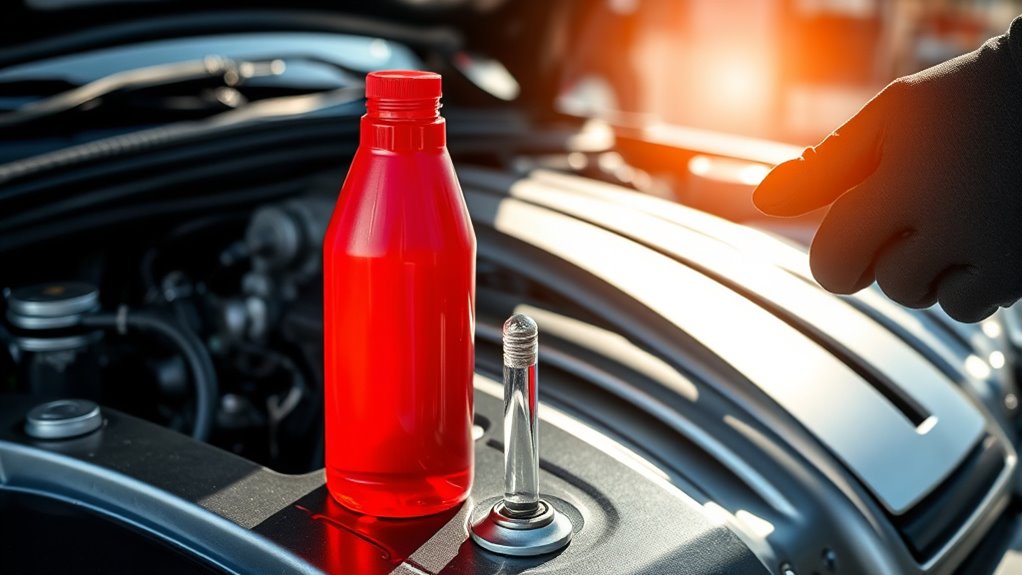
If you notice changes in how your vehicle shifts gears, it might be time to check your transmission fluid. Look out for these signs that indicate it needs changing:
| Sign | Description |
|---|---|
| Fluid Color | Healthy fluid is pink or red. If it’s brown or dark, it’s time for a change. |
| Fluid Smell | A burnt odor signifies overheating and degradation. |
| Slipping Gears | If your gears slip unexpectedly, it may be due to old fluid. |
| Unusual Noise | Grinding or whining sounds can indicate low or dirty fluid. |
Pay attention to these indicators to guarantee your transmission operates smoothly and lasts longer. Regular checks can save you from costly repairs down the road.
Types of Transmission Fluids You Should Know
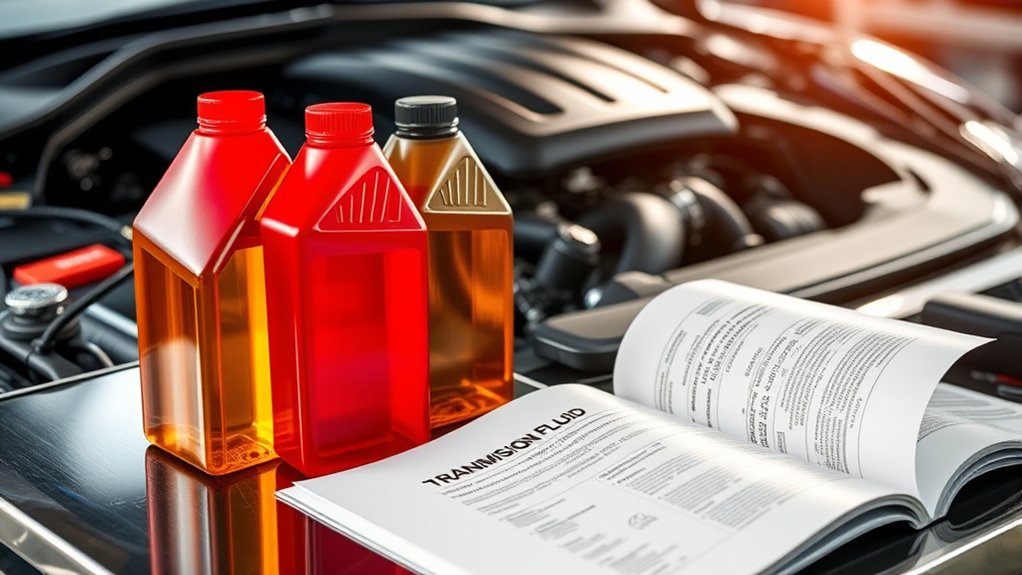
Maintaining the right transmission fluid is essential for your vehicle’s performance, so knowing the types available can help you make informed choices. Here are three main types of transmission fluids you should consider:
- Conventional Fluids: These are petroleum-based fluids typically used in older vehicles. They provide adequate performance but may require more frequent changes.
- Synthetic Fluids: These fluids are chemically engineered to offer superior protection and performance. They resist breakdown and can last longer, making them ideal for high-performance vehicles.
- Synthetic Blend Fluids: Combining conventional and synthetic properties, these fluids offer a balance of performance and cost, making them a popular choice for many drivers.
Understanding these options can help you select the best fluid for your vehicle’s needs.
When to Change Your Transmission Fluid?
Knowing when to change your transmission fluid is essential for maintaining your vehicle’s performance. Pay attention to signs of fluid degradation, like a burnt smell or dark color, and always check your owner’s manual for the manufacturer’s recommended intervals. Staying proactive can save you from costly repairs down the road.
Signs of Fluid Degradation
How can you tell when it’s time to change your transmission fluid? Recognizing the signs of fluid degradation is essential for maintaining your vehicle’s performance. Here are three key indicators:
- Fluid Color: Fresh transmission fluid is usually a bright red. If it turns brown or dark red, it’s a sign that it’s breaking down and needs replacement.
- Burnt Smell: If you notice a burnt smell when checking your transmission fluid, it indicates overheating and degradation. This smell is a clear warning sign.
- Shifting Issues: If you experience rough or delayed shifting, it may be due to degraded fluid affecting your transmission’s operation.
Keep an eye out for these signs to guarantee your transmission stays healthy!
Manufacturer’s Recommended Interval
Every vehicle comes with a manufacturer’s recommended interval for changing transmission fluid, typically ranging from 30,000 to 60,000 miles. It’s essential to adhere to this guideline to guarantee your transmission operates smoothly. Check your owner’s manual for specific manufacturer specifications, as they provide the best fluid change frequency tailored to your vehicle’s needs. Ignoring these recommendations could lead to premature wear and costly repairs. Remember, driving conditions can affect how often you should change the fluid. If you frequently drive in stop-and-go traffic or tow heavy loads, you might need to change it sooner. Staying on top of your transmission fluid maintenance will help extend the life of your vehicle and enhance overall performance.
Debunking Common Myths About Transmission Fluid

While many car owners believe they know everything about transmission fluid, several myths can lead to costly mistakes. It’s crucial to debunk these common misconceptions to keep your vehicle running smoothly. Here are three prevalent fluid myths:
Many car owners hold misconceptions about transmission fluid that can lead to expensive repairs; it’s essential to understand the truth.
- Transmission fluid never needs changing: Many think it lasts forever, but it degrades over time and needs replacement.
- All transmission fluids are the same: Different vehicles require specific types, and using the wrong fluid can damage your transmission.
- You can add fluid without checking the level: Overfilling can cause issues; always check the level before adding more.
Choosing the Right Transmission Fluid

Choosing the right transmission fluid can feel overwhelming, especially with so many options available. Start by checking your vehicle’s owner’s manual for recommended fluid specifications. You’ll find that some vehicles require specific types, such as synthetic options, which offer better performance and longevity. Make certain the fluid you choose has the right viscosity and additives for your transmission type. Fluid compatibility is essential, as using the wrong fluid can lead to poor shifting and even damage. If you’re unsure, consult with a professional or your vehicle manufacturer. Remember, investing in the correct transmission fluid now can save you from costly repairs down the road. Take the time to make an informed choice to keep your transmission running smoothly.
What Happens If You Ignore Transmission Fluid Maintenance?
Ignoring transmission fluid maintenance can lead to serious consequences for your vehicle. When you neglect this essential task, you might face several issues that can jeopardize your car’s performance. Here are three potential problems:
- Transmission Problems: Low or dirty fluid can cause your transmission to overheat, resulting in shifting difficulties or complete failure.
- Fluid Leaks: Failing to check for leaks can lead to a significant loss of transmission fluid, making it harder for the system to function properly.
- Increased Repair Costs: What starts as a simple fluid change can escalate into expensive repairs if issues are left unaddressed.
Taking care of your transmission fluid can save you from these headaches and keep your vehicle running smoothly.
Tips for Maintaining Your Transmission Fluid Health
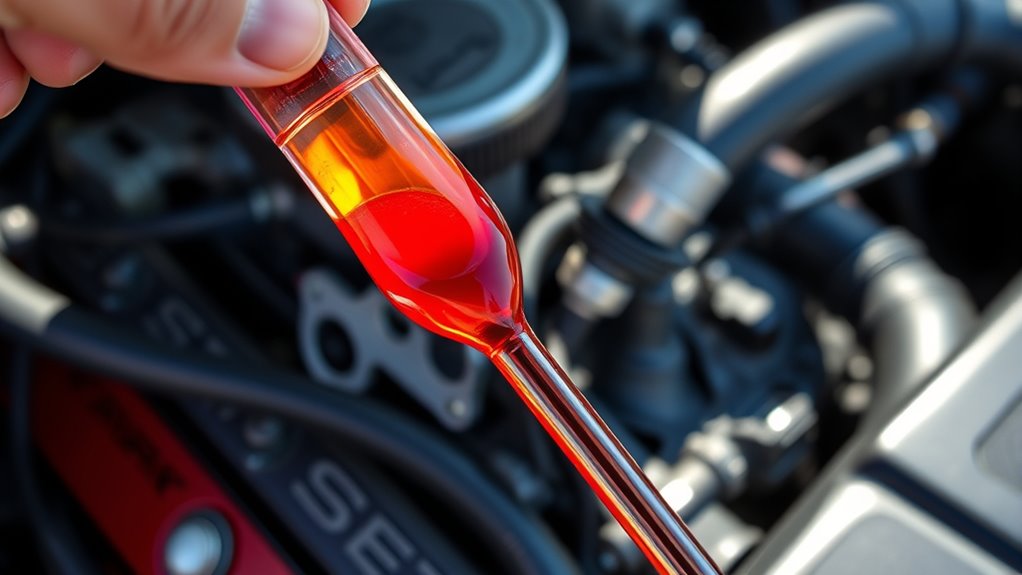
Maintaining your transmission fluid health is essential for your vehicle’s longevity and performance. Regularly check your transmission fluid levels and look for any signs of transmission fluid leaks. Addressing leaks promptly can save you from costly repairs down the line. It’s also a good idea to change your transmission fluid according to your manufacturer’s recommendations, as old fluid can lose its effectiveness. Consider using transmission fluid additives to enhance fluid performance and protect against wear. These additives can help maintain ideal viscosity and reduce the risk of overheating. Finally, don’t forget to consult your mechanic if you notice any unusual sounds or shifting problems, as these can indicate underlying transmission issues. Keeping a close eye on your fluid health will guarantee smoother rides!
Frequently Asked Questions
Can Transmission Fluid Be Mixed With Other Fluids?
No, you shouldn’t mix transmission fluid with other fluids due to fluid compatibility issues. Mixing different types can lead to mixing risks, like decreased performance and potential damage to your transmission. It’s vital to use the manufacturer-recommended fluid to guarantee peak functioning. Always check your vehicle’s specifications before adding any fluid, and if you’re unsure, consult a professional. Keeping your transmission healthy depends on using the right fluid.
How Does Driving Style Impact Transmission Fluid Lifespan?
Imagine your car’s transmission fluid as a loyal knight, defending your engine. If you drive aggressively—like a knight charging into battle—you’ll accelerate fluid degradation. Sudden stops, rapid accelerations, and heavy loads wear down the fluid faster. On the flip side, smooth, gentle driving habits help preserve that knight’s armor, extending its lifespan. So, treat your transmission fluid well, and it’ll serve you faithfully for many miles!
What Are the Environmental Impacts of Disposing Transmission Fluid?
Disposing of transmission fluid improperly can lead to significant environmental impacts, primarily through contamination risks. When you don’t recycle, harmful chemicals can seep into soil and waterways, harming wildlife and ecosystems. It’s essential to follow proper recycling practices to mitigate these risks. By taking your used fluid to a recycling center, you help prevent pollution and promote responsible waste management. Always choose eco-friendly options to protect the environment and guarantee safe disposal.
Can Transmission Fluid Affect Fuel Efficiency?
Absolutely, transmission fluid can affect fuel efficiency. Think of it as the lifeblood of your vehicle; when it’s clean and at the right level, your transmission performance improves, allowing your engine to run smoothly. If the fluid’s low or dirty, it can cause slippage, leading to higher fuel consumption. So, keeping an eye on that fluid not only enhances your ride but also helps you save at the pump.
Is There a Specific Brand of Transmission Fluid Recommended?
Yes, there are specific brands of transmission fluid that are often recommended, depending on your vehicle’s make and model. It’s essential to check your owner’s manual for fluid compatibility to guarantee peak performance. Brands like Mobil 1, Valvoline, and Castrol are popular choices, but always confirm that the fluid meets your car’s specifications. Using the right fluid can enhance your transmission’s efficiency and longevity, so don’t overlook this important detail!
Conclusion
In the world of vehicle maintenance, keeping your transmission fluid in check can make all the difference. By understanding its purpose and following the tips we’ve discussed, you’ll avoid costly repairs down the road. Remember, an ounce of prevention is worth a pound of cure! Don’t let your transmission fluid get neglected—stay proactive and guarantee smooth shifting for years to come. Taking care of your car now means fewer headaches later.
Halloween Picks
halloween
As an affiliate, we earn on qualifying purchases.