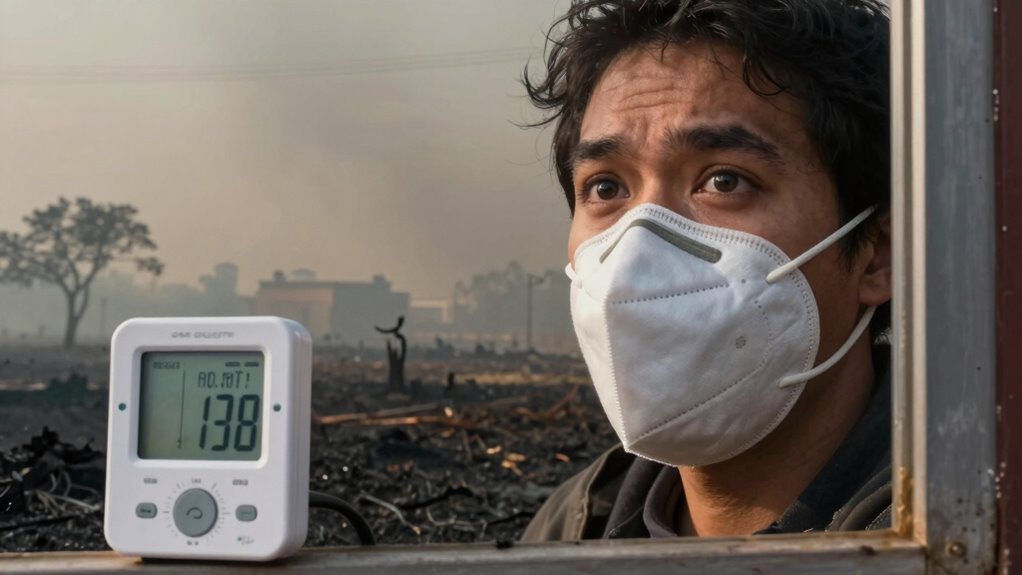

When dealing with wildfire smoke, you might make critical mistakes that jeopardize your health. Ignoring the Air Quality Index (AQI) can lead to serious respiratory issues. Misusing air purifiers—like choosing the wrong size or filter type—hinders their effectiveness. It’s vital to create a designated clean room and control humidity. Don’t forget the needs of vulnerable groups in your plans. You can avoid these pitfalls and guarantee better safety by staying informed about the risks.
Key Takeaways
- Using an air purifier that is too small for the room fails to effectively clean the air during wildfire smoke events.
- Ignoring regular filter maintenance can lead to decreased air purification efficiency, especially during high smoke levels.
- Poor placement of air purifiers hinders air circulation, reducing their effectiveness in filtering smoke particles.
- Employing standard HEPA filters may not capture the smallest smoke particles, making air quality management less effective.
- Neglecting to monitor air quality can lead to complacency and increase health risks during wildfire smoke events.

GermGuardian Air Purifier for Home with HEPA Pure Filter, for Wildfire Smoke, Pet Dander, Pollen, Odors, Large Rooms – 743 Sq. Ft., Removes 99.97% Pollutants, UV-C Light, 22", AC4825W, White
TRUE HEPA 3-LAYER PROTECTION: HEPA filter captures 99.97% of smoke, dust, pollen, and pet dander as small as…
As an affiliate, we earn on qualifying purchases.
As an affiliate, we earn on qualifying purchases.
Understanding Wildfire Smoke and Its Impact on Air Quality

When wildfires rage, understanding their smoke and its impact on air quality becomes essential for your health. Wildfire smoke contains numerous air pollutants, including particulate matter, carbon monoxide, and volatile organic compounds. These harmful substances can affect your respiratory system, aggravate existing health conditions, and even lead to serious complications. You might not realize that even brief exposure can cause irritation to your eyes, nose, and throat, while prolonged exposure can result in more severe health issues. Recognizing the signs of poor air quality can help you take immediate action to protect yourself. Stay informed about wildfire smoke levels in your area and make sure to limit your outdoor activities when air pollutants reach hazardous levels. Your well-being depends on it.

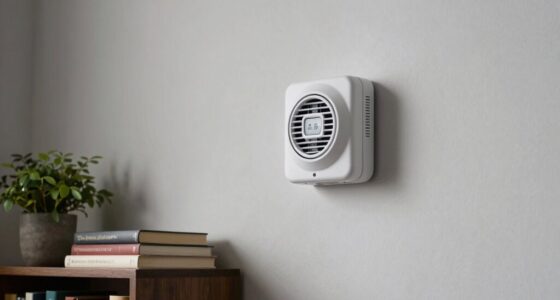
Professional Indoor Air Quality Monitor with AQI, Portable Real-Time Detector for Home Cars Plants and Pets (Taupe Black)
【Professional 16-in-1 Real-time Air Quality Monitor】: With real-time detection of PM1.0 | PM2.5 | PM10 | CO2 |…
As an affiliate, we earn on qualifying purchases.
As an affiliate, we earn on qualifying purchases.
Ignoring Air Quality Index (AQI) Levels
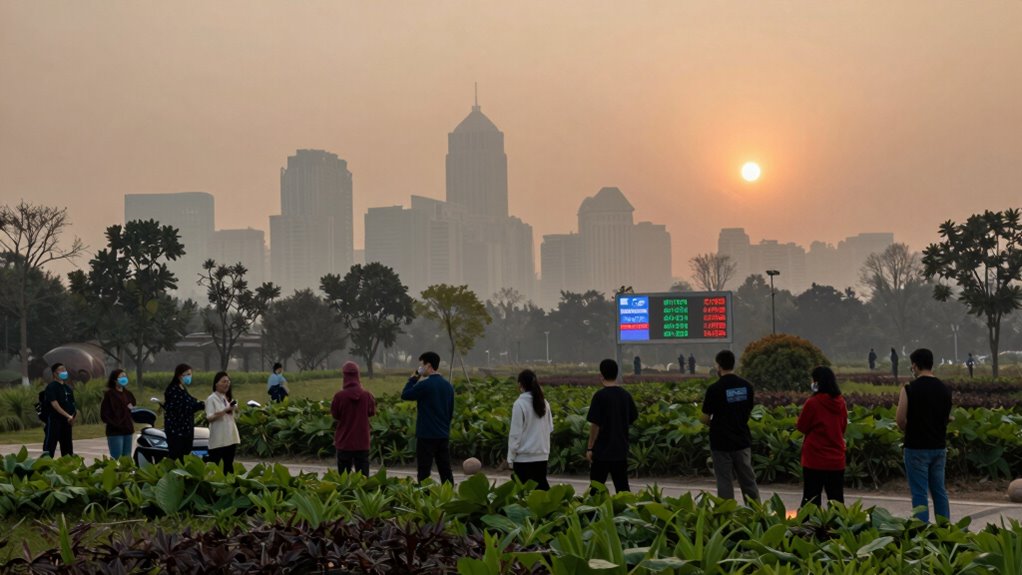
Many people underestimate the importance of monitoring the Air Quality Index (AQI) during wildfire events. Ignoring AQI levels can lead to serious health risks. It’s essential to dispel AQI misconceptions and improve public awareness. Here are three reasons why you shouldn’t ignore the AQI:
- Health Risks: High AQI levels can cause respiratory issues, especially in vulnerable individuals like children and the elderly.
- Lack of Preparedness: Without monitoring, you might not take necessary precautions, putting yourself and your loved ones at risk.
- Misjudging Safety: Many think they can handle poor air quality, but long-term exposure can have devastating effects.
Stay informed. Your health and safety depend on understanding the AQI during wildfire smoke events.

LEVOIT Top Fill Humidifiers for Bedroom, 2.5L Tank for Large Room, Easy to Fill & Clean, 28dB Quiet Cool Mist Air Humidifier for Home Baby Nursery & Plants, Auto Shut-off for Safety, 25H
𝙁𝙖𝙨𝙩 𝙃𝙪𝙢𝙞𝙙𝙞𝙛𝙞𝙘𝙖𝙩𝙞𝙤𝙣 𝘼𝙡𝙡 𝙉𝙞𝙜𝙝𝙩: Runs for up to 25 hours on low thanks to its SUPER LARGE capacity…
As an affiliate, we earn on qualifying purchases.
As an affiliate, we earn on qualifying purchases.
The Importance of Indoor Air Quality
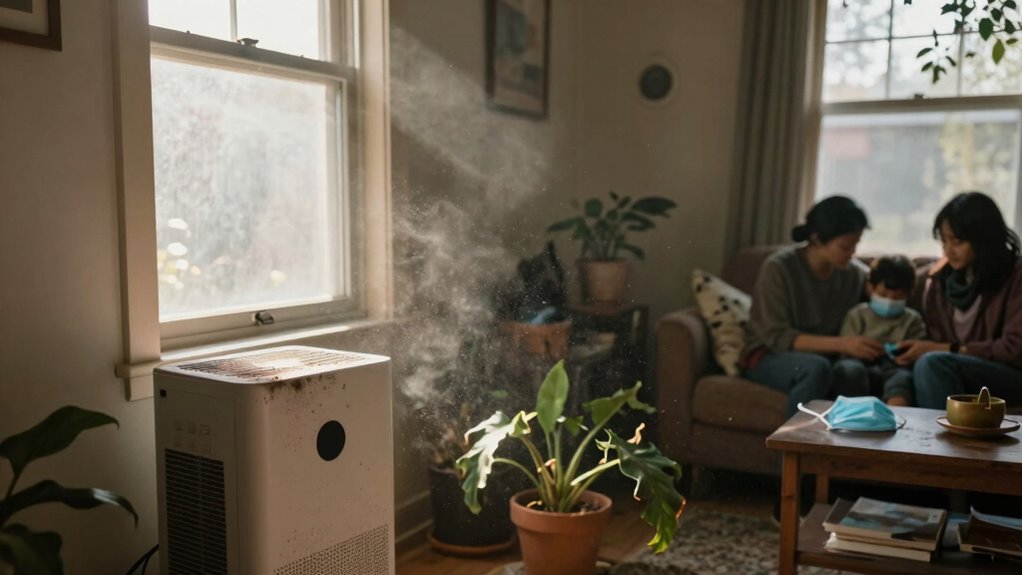
Indoor air quality greatly affects your health, especially during wildfire smoke events. Poor air can lead to respiratory issues and other health problems, making it essential to prioritize ventilation systems in your home. By ensuring proper airflow and filtration, you can create a safer environment for yourself and your family. Additionally, reducing exposure to microplastics in dust can further improve indoor air safety during these times.
Health Impacts of Poor Air
As wildfire smoke infiltrates your home, the air quality can deteriorate rapidly, leading to serious health concerns. Poor air quality poses significant health risks, especially for vulnerable populations like children, the elderly, and those with pre-existing conditions. It’s vital to recognize the impacts:
- Respiratory Issues: Smoke can trigger asthma and other chronic lung diseases.
- Cardiovascular Problems: Exposure increases the risk of heart attacks and strokes.
- Mental Health Effects: Poor air quality can contribute to anxiety and depression.
You need to understand that these health risks aren’t just statistics; they can profoundly affect your loved ones. Protecting indoor air quality isn’t just a choice; it’s essential for safeguarding your family’s well-being during wildfire season. Implementing proper indoor air quality gear, such as HEPA filters and UV-C sanitizers, can make a significant difference in reducing harmful particulates. Recognizing the importance of air filtration systems can help maintain a healthier environment for everyone inside.
Importance of Ventilation Systems
While you might think sealing your home from outdoor pollutants is enough, a well-functioning ventilation system is vital for maintaining healthy indoor air quality. Without proper ventilation, indoor air can become stagnant, trapping harmful particles and increasing health risks. Regular ventilation maintenance guarantees your system operates efficiently, helping to remove smoke and other contaminants effectively. Additionally, consider system upgrades if your current setup isn’t meeting your needs. Upgrading to a more efficient system can greatly enhance air quality and reduce the impact of wildfire smoke. Don’t underestimate the importance of fresh air circulation; it’s essential for your well-being. Proper ventilation system maintenance ensures your home remains safe and healthy during wildfire season. Investing in smart controls can optimize airflow and improve overall air quality. Ensuring your air exchange rates are adequate is crucial for effective smoke mitigation. Proper air filtration methods are also important in capturing fine particles from wildfire smoke. Regularly assessing ventilation effectiveness can help identify potential issues before they compromise your indoor air quality. Prioritize ventilation to create a safe and healthy indoor environment, especially during wildfire season.

2 Pack Core Mini Filter H13 True HEPA Filters for LEVOIT Core Mini Core Mini-P Air Purifier Replacement Filter 3-in-1 HEPA, High-Efficiency Activated Carbon, Replace Part Core Mini-RF
Compatible Model — Colorfullife Core Mini replacement filters are fully compatible with LEVOIT Core Mini Replacement Filter Air…
As an affiliate, we earn on qualifying purchases.
As an affiliate, we earn on qualifying purchases.
Misusing Air Purifiers: Size and Filter Types Matter
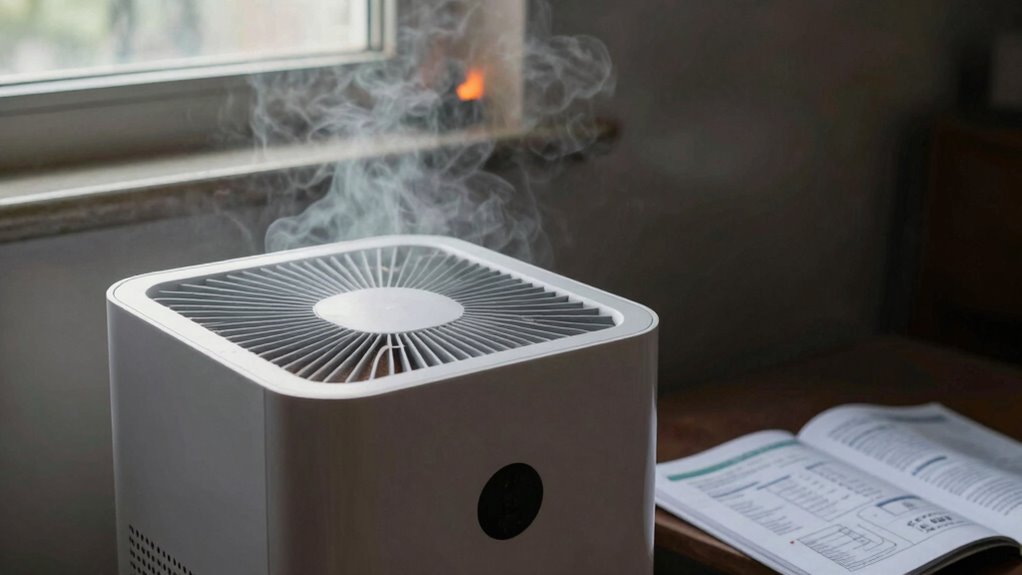
When it comes to fighting wildfire smoke indoors, choosing the right air purifier can make all the difference. Misusing air purifiers often stems from three common mistakes that can drastically affect filter efficiency and purifier placement:
- Wrong Size: A purifier too small for your space won’t effectively clean the air, leaving you vulnerable to smoke.
- Ineffective Filters: Using the wrong filter type, like a standard HEPA, may not capture the tiny particles in smoke, compromising your health.
- Poor Placement: If you place the purifier in a corner or behind furniture, it won’t circulate air properly, rendering it almost useless.
Make sure you choose wisely to guarantee your indoor air quality stays safe and clean during wildfire season.
How to Effectively Create a Clean Room for Smoke Protection
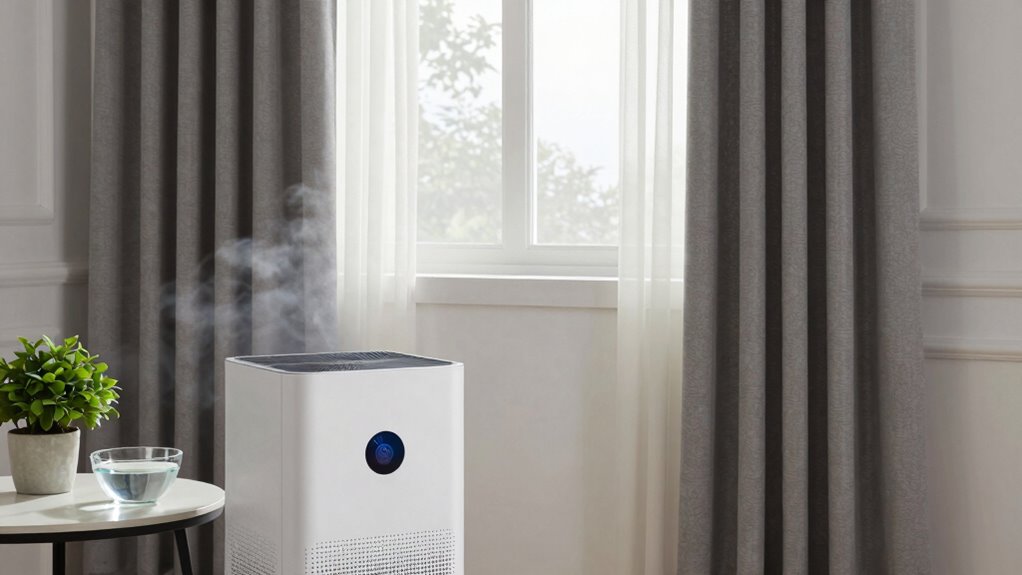
To create a clean room that effectively protects you from smoke, start by sealing off any windows and doors to prevent outdoor air from seeping in. Use weather stripping or tape to enhance your smoke barriers. Next, make certain your clean room has a high-quality air purifier with a HEPA filter to capture fine particles. Close off vents and ducts to limit airflow from other rooms. It’s also important to keep the clean room stocked with essentials, like water and medications, so you won’t need to venture outside. Finally, monitor air quality regularly to make certain your smoke barriers remain effective. By following these steps, you’ll create a safe haven during wildfire smoke events, minimizing your exposure to harmful pollutants.
The Role of Humidity Control in Air Quality
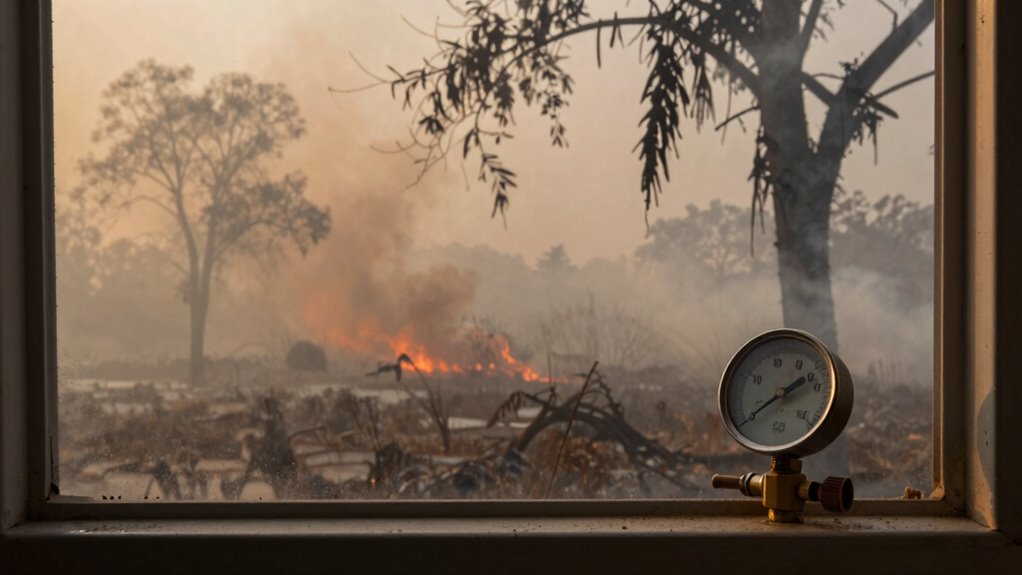
Humidity control plays an essential role in maintaining good air quality, especially during wildfire smoke events. When smoke fills the air, it’s vital to manage moisture levels effectively to minimize harmful humidity effects. High humidity can lead to mold growth, while low humidity may cause respiratory discomfort.
Effective humidity control is crucial for maintaining air quality during wildfire smoke events, reducing mold risks and respiratory discomfort.
Here are three key reasons to prioritize humidity control:
- Comfort: Proper moisture levels create a more pleasant environment, reducing dryness and irritation.
- Health: Balanced humidity helps prevent respiratory issues, keeping your lungs safer from smoke exposure.
- Air Quality: Controlling humidity improves indoor air quality, ensuring smoke particles don’t linger longer than necessary.
The Need for Regular Strategy Adjustments
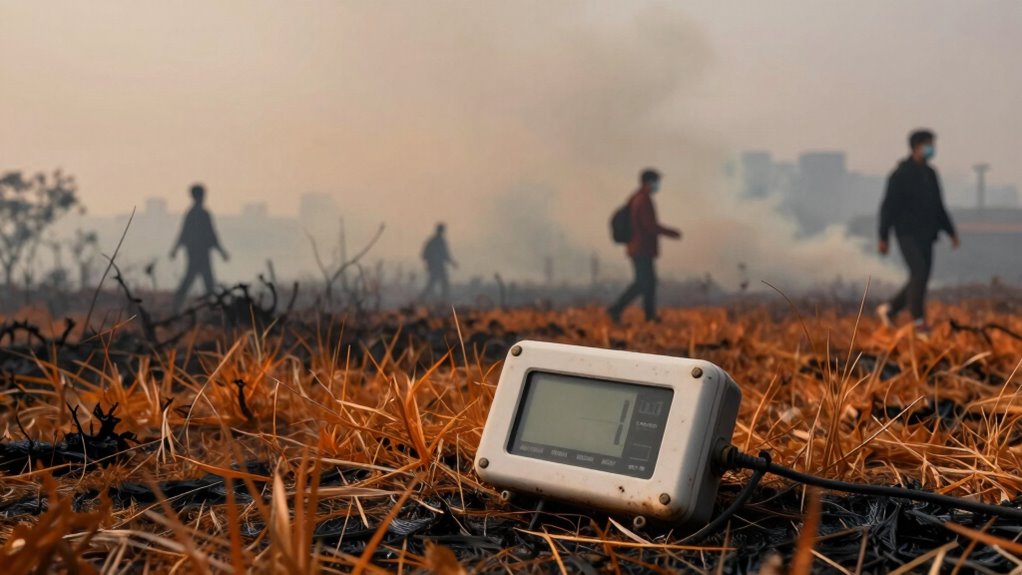
To keep your air quality in check during wildfire season, you need to monitor it regularly. Don’t forget to adjust your filters as conditions change, and always have an emergency plan ready. Staying proactive can make all the difference in protecting your health.
Monitor Air Quality Regularly
While you might think once-a-week checks are enough, monitoring air quality regularly during wildfire season is essential for your health and safety. Wildfires can cause sudden spikes in pollution that you can’t ignore. Here’s why you should stay vigilant:
- Health Risks: Poor air quality can lead to respiratory issues, especially for vulnerable populations.
- Real-Time Adjustments: Monitoring tools provide instant updates, allowing you to adapt your plans quickly.
- Informed Decisions: Regular checks empower you to stay indoors when conditions worsen, protecting yourself and your loved ones.
Don’t underestimate the importance of staying informed. By keeping tabs on air quality regularly, you can make proactive choices that safeguard your health during wildfire season.
Adjust Filters Accordingly
As air quality fluctuates during wildfire season, adjusting your filters is essential for maintaining a safe indoor environment. You’ll need to prioritize filter maintenance to guarantee your air purification systems work effectively. Regularly check your filters, as high smoke levels can clog them quickly, reducing their efficiency. Depending on the severity of the smoke, you might need to replace them more frequently than usual. It’s a good idea to have spare filters on hand so you can swap them out promptly when needed. Additionally, choosing HEPA filters designed to capture wildfire smoke particles can significantly improve indoor air quality. Proper air purifier placement can also enhance filtration performance by maximizing airflow and coverage. Considering the age of your unit is important because older systems may require more frequent filter changes or upgrades to maintain optimal performance. It’s also beneficial to understand how filtration efficiency impacts removal of smoke particles and overall indoor air quality. Being aware of filter replacement schedules tailored to wildfire conditions can help you stay ahead of potential issues. By staying proactive with filter replacement and maintenance, you can greatly enhance your indoor air quality and protect your health during wildfire events. Don’t wait until you notice a decline in air quality; act before it becomes a problem.
Create Emergency Plans
Maintaining clean air filters is just one part of preparing for wildfire smoke; having a solid emergency plan is equally important. You need to guarantee your family knows what to do when smoke fills the air. Regularly update your strategies to keep everyone safe. Here are three key components to include:
- Emergency Kit: Stock it with essentials like water, non-perishable food, and masks to filter out smoke.
- Communication Plan: Make sure everyone knows how to reach each other and where to meet if evacuation is necessary.
- Evacuation Routes: Familiarize yourself with multiple routes out of your area in case one becomes impassable.
Don’t Forget About Vulnerable Groups: Their Needs Matter

Many people overlook the specific needs of vulnerable groups during wildfire smoke events, but their health and safety are often at greater risk. Vulnerable populations, such as children, the elderly, and individuals with pre-existing health conditions, require special considerations. You need to guarantee they have access to clean air and resources to minimize exposure. Create designated safe spaces with air purification systems and stock up on necessary supplies, like masks and medications. Monitor air quality updates closely and communicate effectively to keep everyone informed. Remember, these groups may struggle to respond quickly, so proactive planning is crucial. By prioritizing their needs, you can considerably reduce health risks and help protect those who are most at risk during smoke events.
Outdoor Activities to Avoid During Smoke Events?
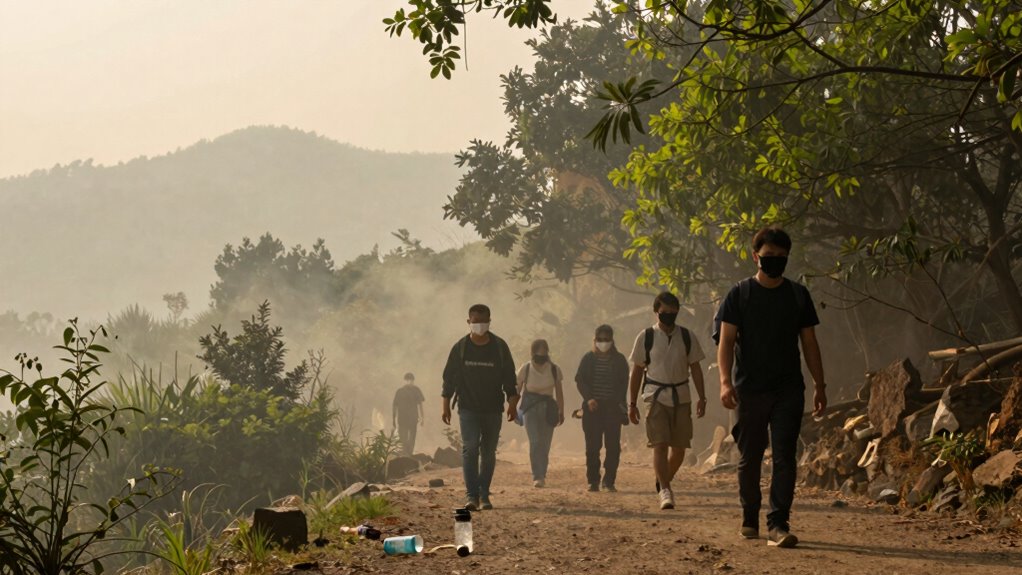
When wildfire smoke fills the air, it’s essential to steer clear of certain outdoor activities that can exacerbate health risks. Engaging in outdoor sports or recreational activities during these times can lead to serious health issues. Here are three activities to avoid:
- Running or Cycling: Strenuous exercise can increase your breathing rate, allowing more smoke particles into your lungs.
- Team Sports: Playing games like soccer or basketball exposes you to smoke while also putting your teammates at risk.
- Hiking or Camping: These activities put you in direct contact with smoky air, which can worsen respiratory problems.
Prioritizing your health means staying indoors during smoke events; your lungs will thank you later.
Frequently Asked Questions
How Can I Tell if My Home Is Still Smoky?
To tell if your home is still smoky, start by using smoke detection devices. Check for any lingering odors or visible haze. You can also conduct air testing with a specialized kit to measure particulate levels. If your air quality isn’t improving, consider using air purifiers or ventilating your space. Regularly monitoring these factors will help you maintain a healthy indoor environment and keep smoke at bay effectively.
What Are the Long-Term Effects of Wildfire Smoke Exposure?
“An ounce of prevention is worth a pound of cure.” Long-term exposure to wildfire smoke can pose serious health risks, including respiratory issues like asthma and chronic bronchitis. You may also experience decreased lung function and increased risk of cardiovascular problems. It’s important to minimize your exposure by staying indoors during smoke events and using air purifiers. Your health matters, so take proactive steps to protect yourself from lingering smoke effects.
Can I Use a Regular Fan Instead of an Air Purifier?
You can’t rely on a regular fan instead of an air purifier for improving air quality during wildfire smoke events. While fans can circulate air, they won’t filter out harmful particles effectively. Air purifiers are specifically designed to trap pollutants, ensuring cleaner air. If you’re concerned about fan effectiveness, consider using a fan in conjunction with an air purifier to help distribute the purified air throughout your space. Your health deserves the best protection!
How Does Wildfire Smoke Affect Pets and Animals?
Wildfire smoke can greatly affect your pets, as they’re often more sensitive to smoke than humans. Poor air quality can lead to respiratory issues, coughing, and even long-term health problems. If you notice any signs of distress, like sneezing or lethargy, it’s essential to keep them indoors and limit their exposure. Ensuring good ventilation and using air purifiers can help protect your pet’s health during smoky conditions. Always monitor their behavior closely!
Are There Specific Masks Recommended for Wildfire Smoke Protection?
As smoke swirls like a dark cloud, you need armor for your lungs. For wildfire smoke protection, N95 masks are a solid choice, filtering out about 95% of particles. If you want to up your game, consider P100 respirators, which offer even greater filtration. These masks create a barrier against the harmful soot and toxins carried by the wind, allowing you to breathe easier while the world around you is shrouded in haze.
Conclusion
In the face of wildfire smoke, being mindful makes a massive difference. Stay savvy with air quality, safeguard your indoor environment, and select suitable air purifiers. Strategically set up your clean room and stay aware of humidity levels. Regularly revisit your strategies and remember those vulnerable individuals who need extra care. By taking these steps, you can greatly shield yourself from smoke’s suffocating effects, ensuring a safer, healthier home during smoky situations. Stay safe, stay smart!