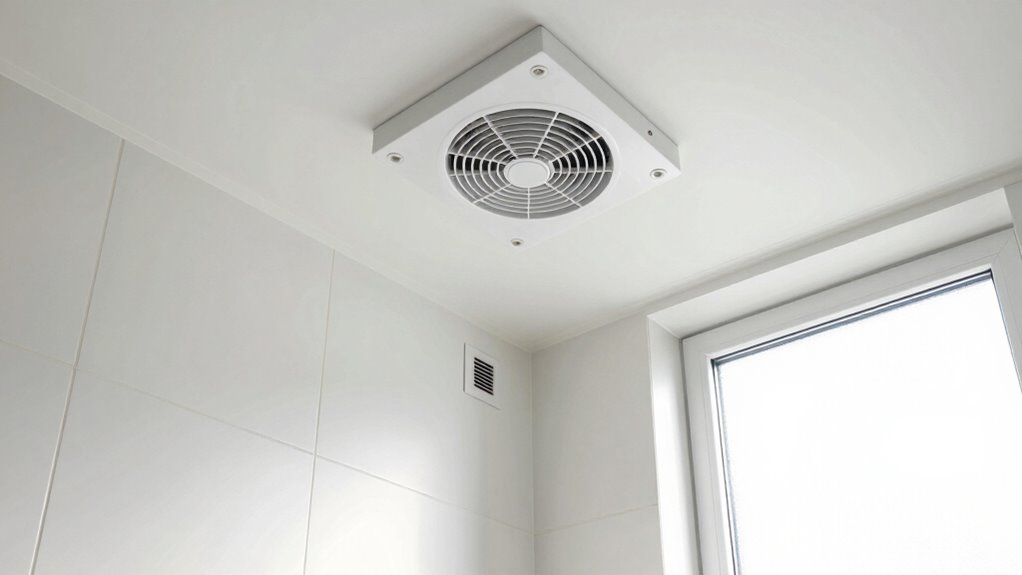

Good bathroom ventilation is key to avoiding mold by controlling humidity and removing excess moisture. Make sure your exhaust fans are properly installed, clean, and working efficiently, or use natural airflow with well-placed vents and windows. Keep humidity levels down to 30-50% and fix any signs of dampness or mold early. With proper airflow and maintenance, you can keep your bathroom fresh and mold-free—stay tuned to learn more about how to do it right.
Key Takeaways
- Use exhaust fans or passive vents to effectively remove humid air from the bathroom.
- Ensure proper installation of ventilation systems venting outside to prevent moisture buildup.
- Regularly clean and maintain vents and exhaust fans to keep airflow unobstructed.
- Monitor humidity levels with a hygrometer, aiming for 30-50% to inhibit mold growth.
- Keep surfaces dry, improve airflow, and address mold signs promptly to prevent long-term moisture issues.

Broan-Nutone L400 High Capacity Ventilator Fan, Commercial Exhaust Fan, 2.3 Sones, 434 CFM, White
HIGH-CAPACITY FAN: Ventilation fan operates on two impact-resistant centrifugal blower wheels at 434 CFM, 2.3 Sones, and 120V…
As an affiliate, we earn on qualifying purchases.
As an affiliate, we earn on qualifying purchases.
Why Proper Bathroom Ventilation Matters for Mold Prevention

Proper bathroom ventilation is vital because it helps remove excess moisture that can fuel mold growth. When moisture lingers, it compromises air quality and creates an environment where mold spores thrive. Good ventilation ensures that humidity levels stay in check, preventing damp surfaces and hidden pockets of dampness behind walls or under floors. By controlling moisture, you reduce the chances of mold developing and spreading, which can cause health problems and damage your home. Effective ventilation also improves air circulation, making the space feel fresher and cleaner. Without proper airflow, moisture accumulates, leading to poor air quality and increased mold risk. Prioritizing moisture control through proper ventilation systems is a simple but essential step in maintaining a healthy, mold-free bathroom. Ensuring proper humidity levels can further enhance your efforts to prevent mold growth and promote a healthier indoor environment. Adequate ventilation and airflow are crucial for maintaining air quality and preventing dampness that promotes mold. Using appropriate ventilation fans can help maintain consistent airflow and moisture control in your bathroom.
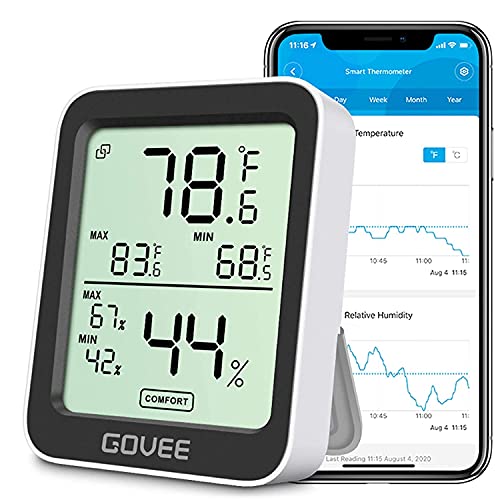
Govee Digital Hygrometer Indoor Thermometer Room H5075, Bluetooth Temperature Humidity Meter with 164ft Remote App Control, Notification Alerts, 2 Years Data Storage Export for Bedroom, Wine Cellar
Smart Features: The Govee Wireless Thermometer Hygrometer supports all basic functions as well as smart functions such as…
As an affiliate, we earn on qualifying purchases.
As an affiliate, we earn on qualifying purchases.
Types of Bathroom Ventilation Systems Explained
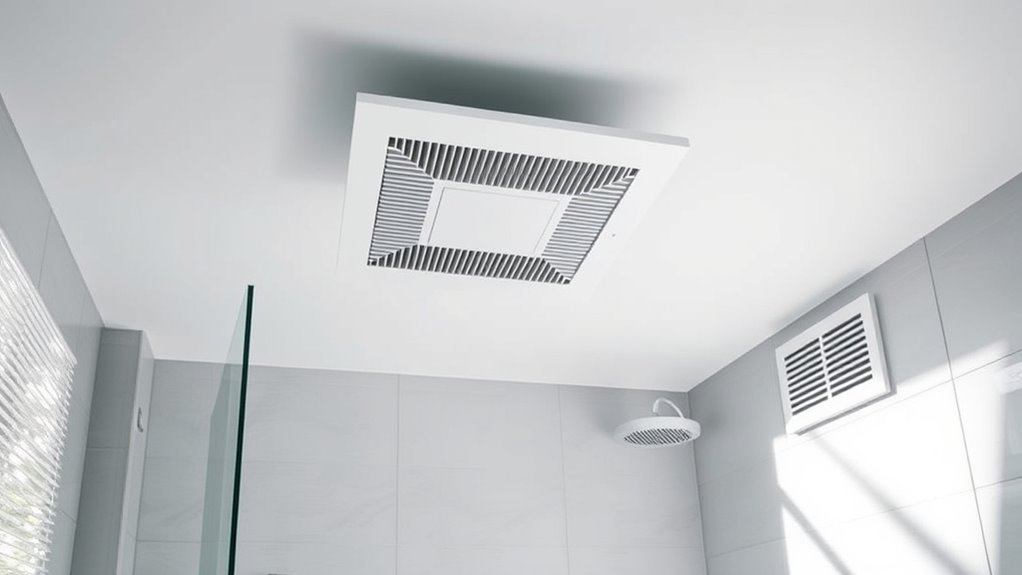
You have two main options for bathroom ventilation: exhaust fans and passive methods. Exhaust fans actively remove humid air, while passive systems rely on natural airflow through vents or windows. Understanding how each works helps you choose the best solution for your space. Incorporating proper ventilation techniques such as ensuring adequate airflow and choosing the right fan or passive system, is essential for effectively preventing mold growth. Additionally, selecting systems that promote air circulation can significantly enhance moisture control in your bathroom. Properly maintained ventilation systems are crucial for preventing the accumulation of moisture and avoiding mold development, especially when paired with high-efficiency solar-powered ventilation fans that reduce energy costs while maintaining optimal airflow. Incorporating modern wall art trends like digital frames or interactive murals can also enhance your bathroom aesthetic without compromising ventilation needs.
Exhaust Fans Overview
Exhaust fans are essential for removing excess moisture and odors from bathroom spaces, helping to prevent mold growth and maintain air quality. There are various exhaust fan types, including ceiling-mounted, wall-mounted, and inline models, each suited for different bathroom layouts. When selecting an exhaust fan, consider airflow capacity, noise level, and energy efficiency. Proper installation tips include ensuring the fan is vented directly outside, not into attics or crawl spaces, and that it’s properly sealed to prevent leaks. Also, install the fan near the shower or bathtub for maximum moisture extraction. Regular maintenance, like cleaning the grille and replacing filters, keeps your exhaust fan functioning effectively. Understanding these exhaust fan types and following installation tips helps you choose the right system to keep your bathroom dry and mold-free. Attention to detail during installation ensures optimal performance and long-term effectiveness of your ventilation system. Additionally, being aware of mold prevention strategies can further protect your bathroom environment from moisture-related issues. Using reliable ventilation systems is crucial in reducing indoor microplastics in dust, which can impact overall air quality and health.
Passive Ventilation Methods
Passive ventilation methods rely on natural airflow to remove moisture and odors from your bathroom without the need for mechanical fans. These systems use airflow patterns driven by pressure differences, such as temperature or wind, to circulate air effectively. Passive vents are common components, allowing fresh air to enter while stale air exits, creating a continuous flow. Proper placement of vents guarantees ideal airflow patterns, reducing humidity buildup and preventing mold growth. Unlike powered exhaust fans, passive vents operate silently and require minimal maintenance. To maximize efficiency, consider installing vents near the ceiling or along exterior walls, where airflow naturally moves. This approach provides a steady, reliable way to ventilate your bathroom using natural forces.
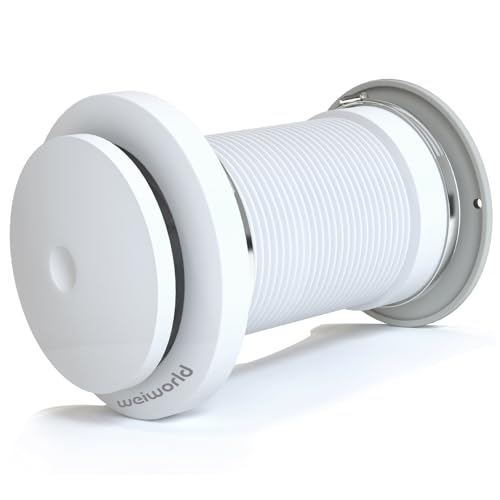
Weiworld Passive Air Vent 4 Inch Through Wall, Fresh Air Intake Vent with Filter, Adjustable Airflow, Telescopic Aluminum Duct & Stainless Steel 304 Grille for Home, Bedroom, Attic (No Power Required)
Passive Air Vent Improves Indoor Air Quality – Helps improve indoor air circulation by reducing humidity and stale…
As an affiliate, we earn on qualifying purchases.
As an affiliate, we earn on qualifying purchases.
How Poor Ventilation Can Lead to Mold Growth
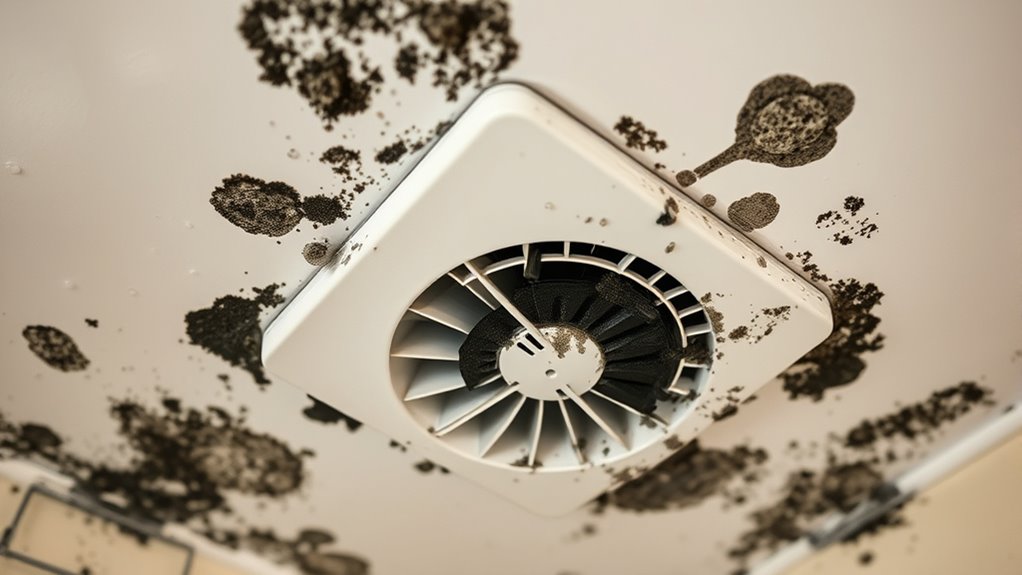
When bathroom ventilation is inadequate, moisture tends to linger and accumulate on surfaces. This humidity buildup creates the perfect environment for mold to thrive. Poor air circulation prevents moist air from escaping, trapping it inside your bathroom. As a result, walls, ceilings, and fixtures stay damp longer than they should. Over time, this persistent moisture encourages mold spores to settle and grow. You might notice black, green, or brown patches appearing on surfaces, especially in corners or behind fixtures. Without proper ventilation, these fungi can spread quickly, damaging surfaces and potentially impacting your health. Improving airflow helps remove excess humidity and reduces the risk of mold growth, keeping your bathroom cleaner, healthier, and mold-free. Proper ventilation is essential to maintaining a healthy and mold-free bathroom environment. Additionally, understanding building ventilation systems can help you optimize airflow and prevent moisture buildup more effectively. For example, ensuring your bathroom has an appropriately sized exhaust fan can significantly enhance air exchange rates and moisture removal. Regular maintenance of ventilation equipment also plays a crucial role in preventing mold development.

Gopper 12" Ultra Quiet Bathroom Exhaust Fan with 6500K LED Light, 1.0 Sone 120 CFM, 10×10 Mount, 1500 LM Ceiling Ventilation Fan, Energy Efficient (6500K LED-W)
12-inch Classic LED Light: Only bright cool white (6500K), non-adjustable color temperature.
As an affiliate, we earn on qualifying purchases.
As an affiliate, we earn on qualifying purchases.
How to Check if Your Bathroom Is Well-Ventilated
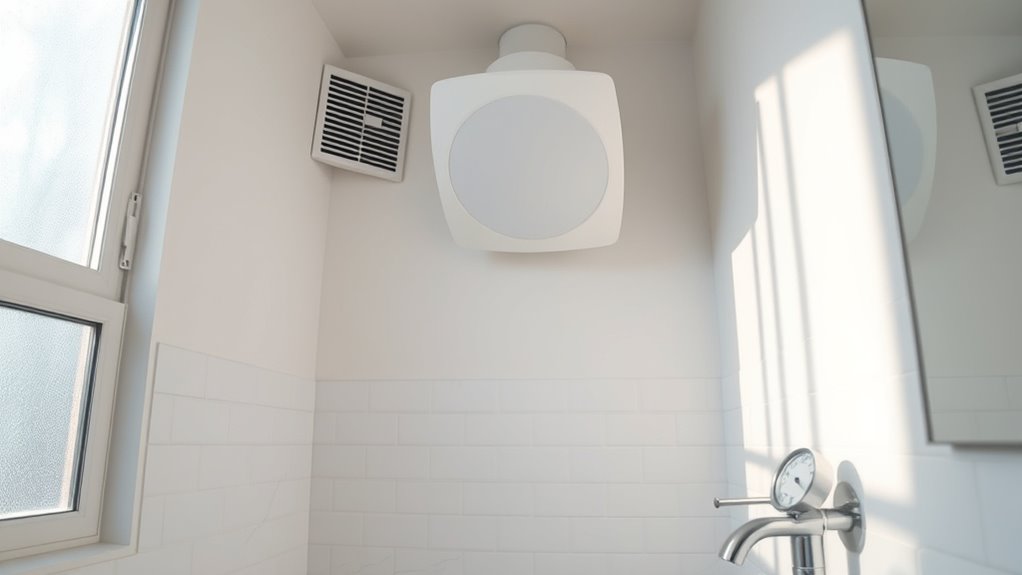
To see if your bathroom is well-ventilated, start by checking for visible signs like mold, mildew, or lingering odors. Next, test the airflow by turning on the exhaust fan or opening a window and seeing how quickly fresh air circulates. These simple steps help you determine if your ventilation system is working effectively. Additionally, ensuring your ventilation system includes proper exhaust fans or windows can significantly improve airflow. Monitoring market trends and insights related to home improvement and ventilation upgrades can help you make informed modifications. Incorporating seasonal variations and natural airflow patterns can also enhance ventilation efficiency and reduce moisture buildup. Understanding airflow patterns within your bathroom can further optimize ventilation strategies. Consulting Gold IRA markets and their trusted providers can also offer insights into maintaining a high-quality ventilation setup for long-term health benefits.
Check for Visible Signs
You can quickly assess if your bathroom is well-ventilated by looking for visible signs of poor airflow. Check for any visible mold on walls, ceilings, or around the shower area. Mold detection is vital because visible mold indicates excess moisture and inadequate ventilation. Pay attention to any discoloration or staining, especially in corners or hidden spots. Also, look for peeling paint or bubbling wallpaper, which can signal moisture buildup behind surfaces. If you notice persistent dampness or a musty smell, these are signs your bathroom isn’t ventilating properly. Addressing visible mold and moisture issues promptly helps prevent mold growth and keeps your bathroom environment healthy. Regularly inspecting these signs ensures you catch ventilation problems early before they worsen. Additionally, ensuring proper ventilation equipment can significantly reduce excess moisture and improve airflow in your bathroom. Proper air circulation techniques and equipment are essential for maintaining a healthy, mold-free environment.
Test Airflow Effectiveness
Testing how well your bathroom ventilates can reveal whether moisture and odors are effectively escaping. To perform an airflow testing, turn on your exhaust fan or open a window and observe how quickly air moves. You can also hold a piece of tissue or lightweight paper near the vent; if it flutterers or moves consistently, your ventilation is likely adequate. Conduct a ventilation assessment during and after a shower to see if moist air is being removed efficiently. If the tissue remains still or the space stays damp, your airflow might be insufficient. Regular airflow testing helps identify weak spots and guarantees your bathroom’s ventilation system is working properly. Proper airflow is essential to prevent mold growth and maintain a healthy, odor-free environment.
Simple Steps to Improve Bathroom Airflow and Keep Mold Away
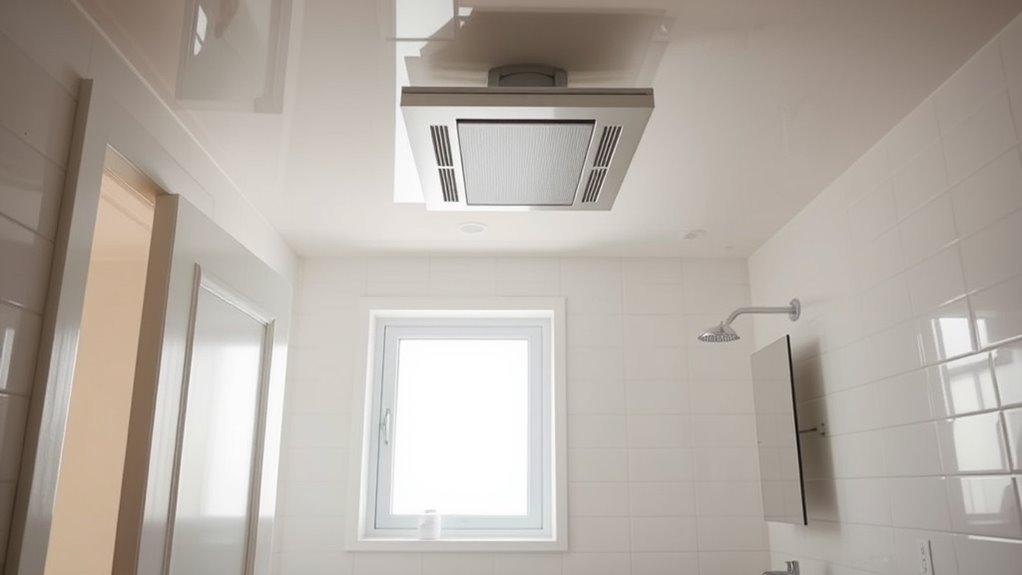
Improving bathroom airflow is essential for preventing mold growth and maintaining a fresh environment. Start by considering window placement; a well-placed window allows natural ventilation, reducing humidity after showers and baths. Keep it open when possible to let moist air escape. You can also use a humidifier wisely—set it to a lower setting or turn it off during humid conditions to avoid excess moisture. Ensuring proper airflow involves opening windows or using exhaust fans during and after use. Additionally, consider installing vents or upgrading existing ones to boost air circulation. These simple steps work together to reduce humidity levels, discourage mold growth, and keep your bathroom fresh and healthy. Consistent airflow management is key to long-term mold prevention.
Tips for Maintaining Your Bathroom Ventilation Long-Term

Maintaining your bathroom ventilation over the long term requires regular attention and proactive habits. To guarantee effective humidity control and prevent mold, prioritize ventilation maintenance. Regularly clean exhaust fans and vents to remove dust and debris that can hinder airflow. Check for any signs of wear or damage, replacing parts as needed. Keep an eye on humidity levels using a hygrometer; aim for 30-50% to prevent mold growth. Use exhaust fans during and after showers, and consider installing a timer or humidity sensor for automation. Additionally, ensure vents are unobstructed and free from obstructions like furniture or curtains. Proper ventilation maintenance and humidity control are key to keeping your bathroom mold-free and fresh over time.
- Clean vents and fans monthly
- Replace filters when dirty
- Install a humidity monitor
- Use exhaust fans consistently
- Check for duct blockages
Frequently Asked Questions
How Often Should I Clean My Bathroom Ventilation System?
You should clean your bathroom ventilation system every 6 to 12 months to maintain good ventilation and prevent mold. Regular ventilation maintenance ensures it operates efficiently, reducing humidity buildup. Follow a consistent cleaning schedule, including removing dust and debris from the fan and vents. If you notice reduced airflow or humidity issues, clean it sooner. Proper upkeep helps avoid mold and keeps your bathroom fresh and safe.
Can Natural Ventilation Be Sufficient for Mold Prevention?
A stitch in time saves nine—so yes, natural ventilation can help with mold prevention if you open windows regularly and keep air flowing. It reduces humidity, making your bathroom less inviting for mold growth. However, it’s not always enough, especially in humid climates or small spaces. To truly prevent mold, combine natural ventilation with other measures like using exhaust fans and cleaning frequently.
What Are the Signs of Inadequate Bathroom Ventilation?
You’ll notice signs of inadequate bathroom ventilation when mold growth appears on walls or ceilings, especially around the shower or sink. Persistent moisture buildup, such as condensation on mirrors or windows that won’t dry, indicates poor airflow. If your bathroom smells damp or musty and surfaces stay wet long after use, it’s a clear sign you need better ventilation. Addressing these issues helps prevent mold and keeps your bathroom fresh.
Are There Energy-Efficient Ventilation Options Available?
Yes, energy-efficient ventilation options are available. When selecting an exhaust fan, look for ENERGY STAR-rated models that use less power while providing strong airflow. You should also perform regular ventilation system maintenance, like cleaning vents and replacing filters, to keep it running efficiently. Upgrading to a smart or humidity-sensing exhaust fan can further save energy by activating only when needed, ensuring your bathroom stays fresh without wasting power.
How Does Humidity Affect Bathroom Ventilation Effectiveness?
Did you know that high humidity can reduce your bathroom ventilation efficiency by up to 50%? Humidity control is vital because excess moisture makes it harder for ventilators to clear the air effectively. When humidity levels are high, your ventilation system struggles to remove damp air quickly, increasing mold risk. To guarantee ideal ventilation, keep humidity levels below 50%, use exhaust fans during and after showers, and consider dehumidifiers for better humidity management.
Conclusion
Good ventilation keeps your bathroom fresh and mold-free, but neglecting it invites hidden problems. While a window might seem enough, poor airflow can silently cause damage, just like mold lurking behind tiles. By understanding your ventilation options and maintaining them, you protect your space and health. Don’t let the ease of neglect turn into a costly cleanup—stay proactive, breathe easy, and keep your bathroom dry and safe.