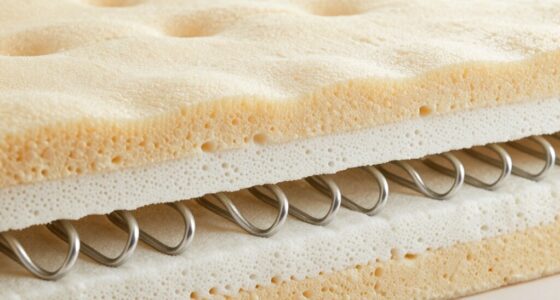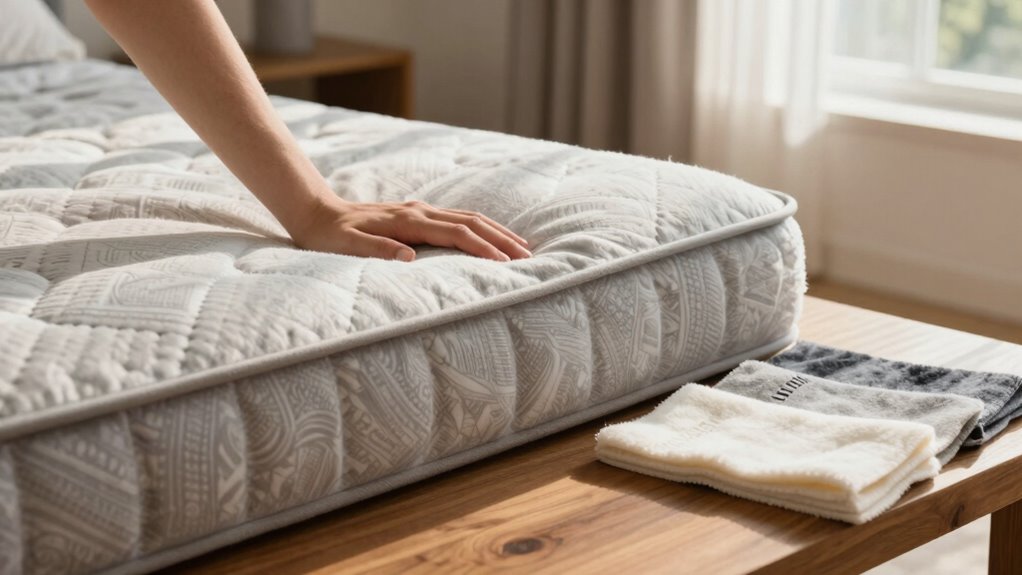

To choose the right mattress firmness, start by identifying your sleeping position: softer for side sleepers, medium-firm for back sleepers, and firmer for stomach sleepers. Next, assess your body weight; lightweight folks prefer softer mattresses, while heavier individuals need firmer options. Consider materials like memory foam for contouring or latex for support. Finally, test different mattresses to find what feels best. There’s a lot more to explore about mattress selection, so keep going!
Key Takeaways
- Identify your sleeping position to determine the ideal mattress firmness for comfort and support needs.
- Consider your body weight, as it influences firmness preferences and necessary support levels.
- Evaluate materials like memory foam for softness or latex for support to match your comfort needs.
- Test mattresses by lying down for 10-15 minutes in your usual sleeping position to assess firmness.
- Review return policies to ensure you have a trial period to adjust and confirm your mattress choice.

LETMOON 14 Inch Queen Size Mattress, Hybrid Memory Foam Mattress, Medium Firm for Side & Back Sleepers, Motion Isolation, Reinforced Edges, Targeted Back Support, No Fiberglass, Bed in a Box
Hybrid Comfort for All Sleep Positions: The Letmoon 80"×60" queen hybrid mattress blends memory foam and supportive layers…
As an affiliate, we earn on qualifying purchases.
As an affiliate, we earn on qualifying purchases.
Identify Your Sleeping Position
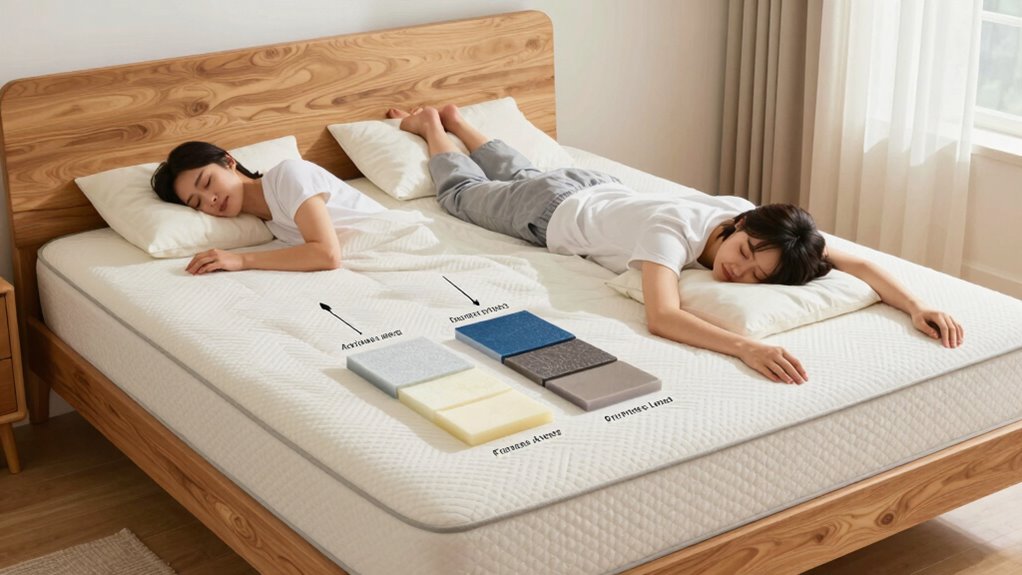
How do you usually sleep? Your sleeping position plays an essential role in determining the right mattress firmness for you. Different sleeping styles—like side, back, or stomach—demand specific support levels. If you’re a side sleeper, you’ll likely prefer a softer mattress that cushions your shoulders and hips. Back sleepers often benefit from a medium-firm mattress that provides lumbar support without compromising comfort. Stomach sleepers, on the other hand, might need a firmer surface to keep their spine aligned. Understanding your comfort preferences helps narrow down your options. Take a moment to reflect on how you feel each morning; that’ll guide you in choosing the perfect mattress firmness tailored to your unique sleeping style.
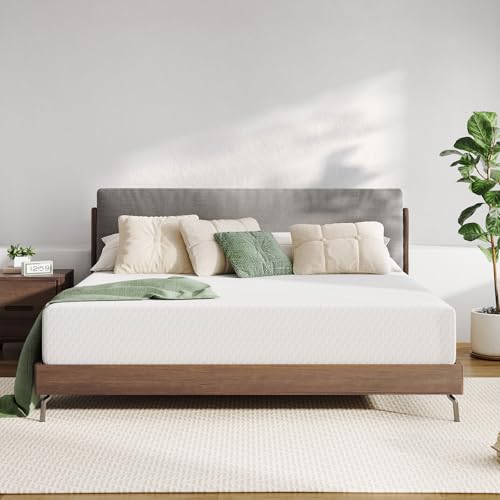
Novilla Full Mattress, 12 Inch Full Size Memory Foam Mattress with Comfort Foam for Pressure Relief & Cool Fresh Sleep,Removable Washable Cover, Medium Firm
CertiPUR-US CERTIFIED ENSURES HEALTHY SLEEP – The Novilla king mattress is designed with a 2-layer foam system for…
As an affiliate, we earn on qualifying purchases.
As an affiliate, we earn on qualifying purchases.
Why Mattress Firmness Matters for Sleep Quality
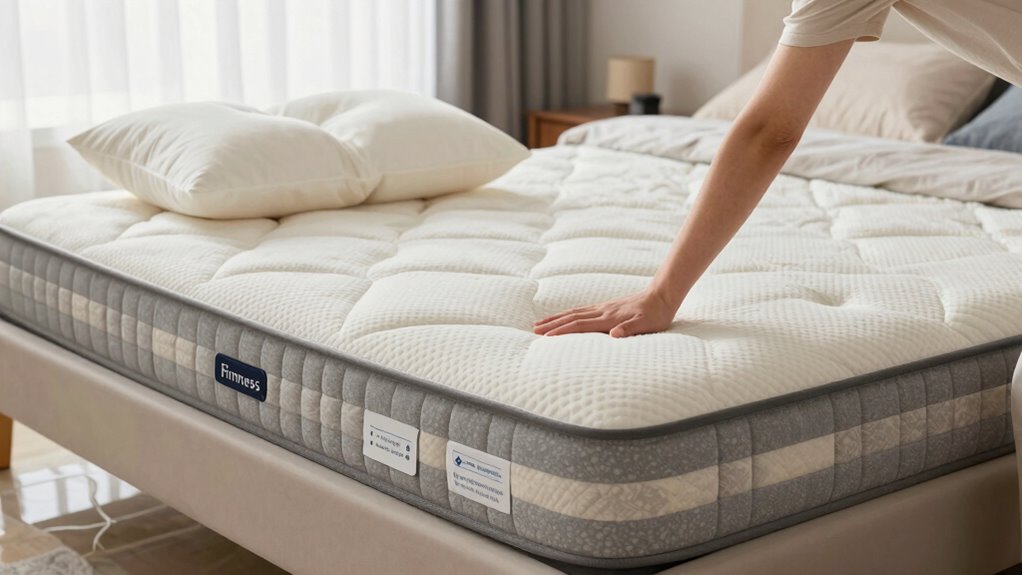
The firmness of your mattress greatly influences your overall sleep quality. When your mattress aligns with your firmness preferences, you’re more likely to wake up refreshed and pain-free. A mattress that’s too soft can lead to poor spinal alignment, while one that’s too firm might create pressure points. Finding the right balance is essential. If you often toss and turn at night, it’s a sign that your mattress may not be providing the support you need. A well-chosen firmness level can enhance your comfort, reduce interruptions, and promote deeper sleep. Ultimately, prioritizing mattress firmness tailored to your needs will help you achieve better sleep quality, allowing you to face each day with energy and focus.
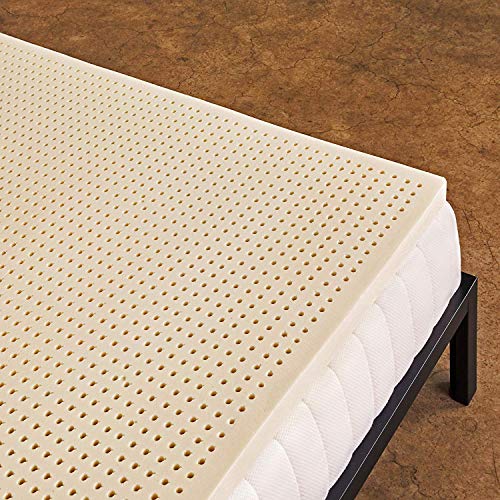
Pure Green Natural Latex Mattress Topper – Firm – 3 Inch – Queen Size (GOLS Certified Organic)
Firm – Provides Strong Pinpointed Support
As an affiliate, we earn on qualifying purchases.
As an affiliate, we earn on qualifying purchases.
Assess Your Body Weight Impact on Firmness
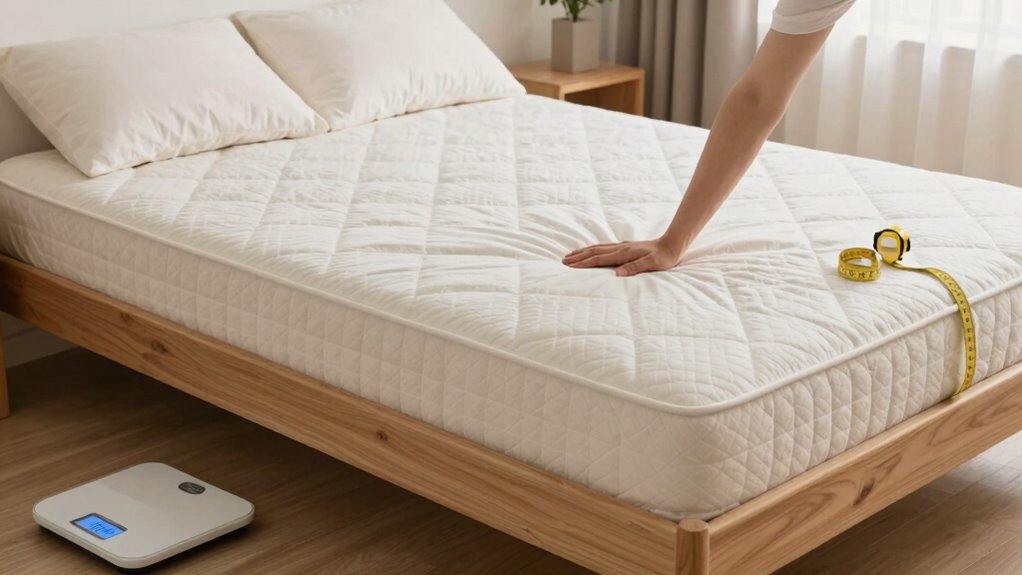
When considering mattress firmness, your body weight plays an essential role in determining the right level for you. The firmness scale typically ranges from soft to extra firm, and your weight affects how you’ll experience each type. Here’s how your body weight can guide your choice:
Your body weight significantly influences mattress firmness preferences, shaping your comfort and support needs.
- Lightweight sleepers (under 130 lbs): Prefer softer mattresses to feel more cradled and supported.
- Average weight sleepers (130-230 lbs): Benefit from medium to medium-firm options, balancing comfort and support.
- Heavyweight sleepers (over 230 lbs): Often require firmer mattresses to guarantee proper support and prevent sinking.

Celestial Aurora Adjustable Bed Base (Frame) + 12 inch Gel Memory Foam Mattress (Medium Soft), Easy Assembly, Head and Foot Lift, Zero Gravity, Memory Positions, CertiPUR-US Bed – Split King
Indulge in Economical Comfort: Adjust your legs up to 45 degrees and your back up to 60 degrees,…
As an affiliate, we earn on qualifying purchases.
As an affiliate, we earn on qualifying purchases.
Key Features: Material and Support
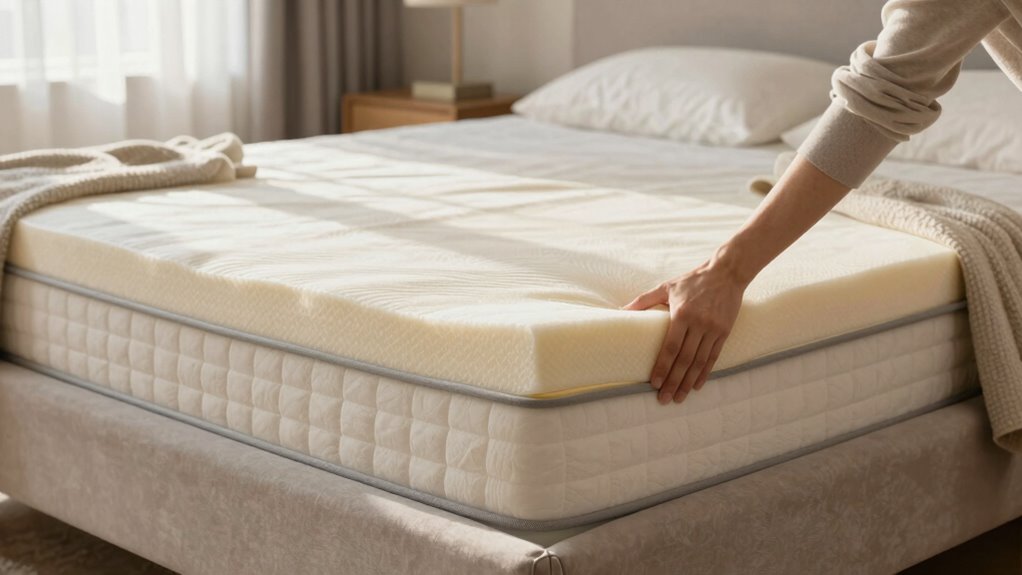
Understanding your body weight is just the starting point in choosing the right mattress firmness. You’ll want to reflect on the material types and support levels that best suit your needs. Memory foam, for instance, offers excellent contouring and pressure relief, making it ideal if you prefer a softer feel. Latex, on the other hand, provides a more buoyant, supportive experience, perfect for those who need extra support while sleeping. Hybrid mattresses combine both materials for a balanced approach. When evaluating support levels, think about how your mattress will respond to your body shape and weight distribution. A good mattress should guarantee proper spinal alignment while catering to your comfort preferences, ultimately enhancing your sleep quality. Understanding mattress firmness and support levels is essential to making an informed choice. Additionally, considering pressure point relief can help prevent discomfort and improve overall sleep quality.
Test and Compare Your Mattress Options
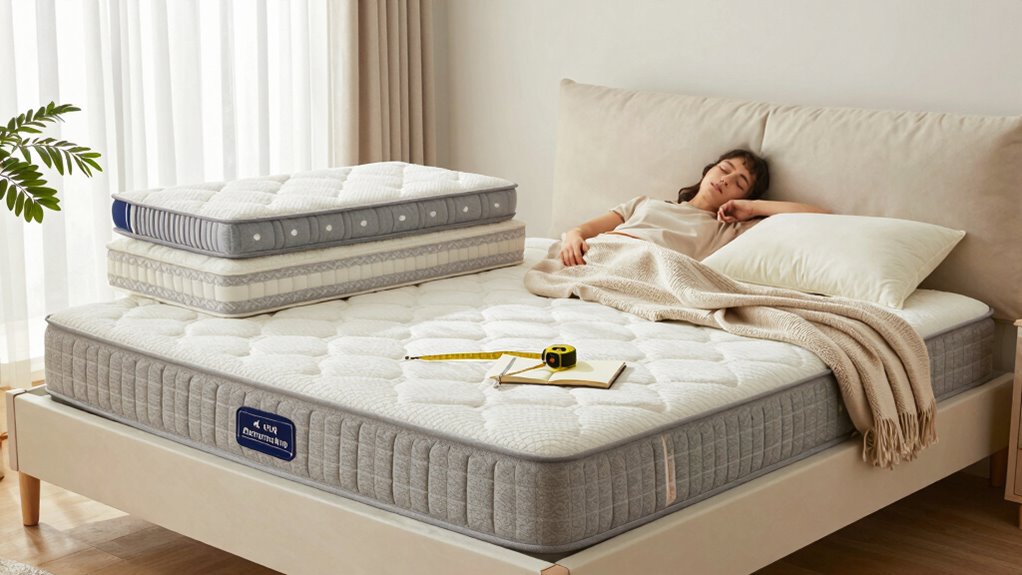
How can you be certain you’ve found the right mattress for your needs? The key is mattress testing. Here’s how to effectively test and compare your options:
To ensure you choose the perfect mattress, prioritize thorough testing to assess comfort and support.
- Lie Down: Spend at least 10-15 minutes lying on the mattress in your usual sleeping position. Pay attention to support and comfort.
- Firmness Comparison: Try different firmness levels. A medium-firm mattress may suit most sleepers, but personal preference varies.
- Check Return Policies: Confirm the store offers a generous trial period. You may need time to adjust to a new mattress and verify it fits your needs.
Frequently Asked Questions
How Often Should I Replace My Mattress?
You should replace your mattress every 7 to 10 years, depending on the materials and your sleeping position. If you sleep on your side, you might need to replace it sooner since that position can wear down softer materials faster. If you notice discomfort or sagging, it’s time for a change. A good mattress supports your body, so don’t hesitate to invest in your sleep quality when the time comes.
Can Mattress Firmness Affect My Allergies?
Yes, mattress firmness can affect your allergies. A study found that 40% of people with allergies reported improved sleep quality after switching to a hypoallergenic mattress. Firm mattresses can reduce dust mites and other allergy triggers, making it easier for you to breathe at night. If you’ve been waking up congested or itchy, it might be time to contemplate how your mattress’s firmness and materials are impacting your overall well-being.
Are Adjustable Mattresses Better for Firmness?
Yes, adjustable mattresses are often better for firmness because they offer a range of firmness options to suit your preferences. You can customize the feel, ensuring it meets your specific comfort needs. With adjustable benefits, you can easily change the firmness while sleeping or when you get up, making it perfect for couples with differing preferences. This adaptability can enhance your sleep quality and support your body in the way it needs.
What Is the Lifespan of a Mattress?
A mattress typically lasts between 7 to 10 years, but its lifespan depends on various durability factors. The materials used play a significant role; memory foam and latex mattresses often outlast innerspring ones. Regular maintenance, like rotating and cleaning, can extend its life. If you notice sagging or discomfort, it might be time to replace it. Investing in higher-quality materials can lead to a more durable mattress that stands the test of time.
Do Mattress Toppers Change Firmness Levels?
Yes, mattress toppers can definitely change firmness levels! Have you ever considered how a simple addition can transform your sleep experience? Depending on the mattress topper types you choose, like memory foam or latex, you can achieve a softness or firmness adjustment that suits your needs. A plush topper can soften a hard mattress, while a firmer option can provide added support. Experimenting with different toppers can lead to your perfect sleep setup!
Conclusion
As you sink into your new mattress, feel the gentle embrace supporting your every curve, cradling you like a soft cloud. Choosing the right firmness isn’t just about comfort; it’s about nurturing your sleep quality and waking up refreshed. Picture the perfect balance between plush and support, where your body finds its sweet spot. Trust your instincts, and let your mattress transform your nights into a serene retreat, paving the way for brighter, more energized days.