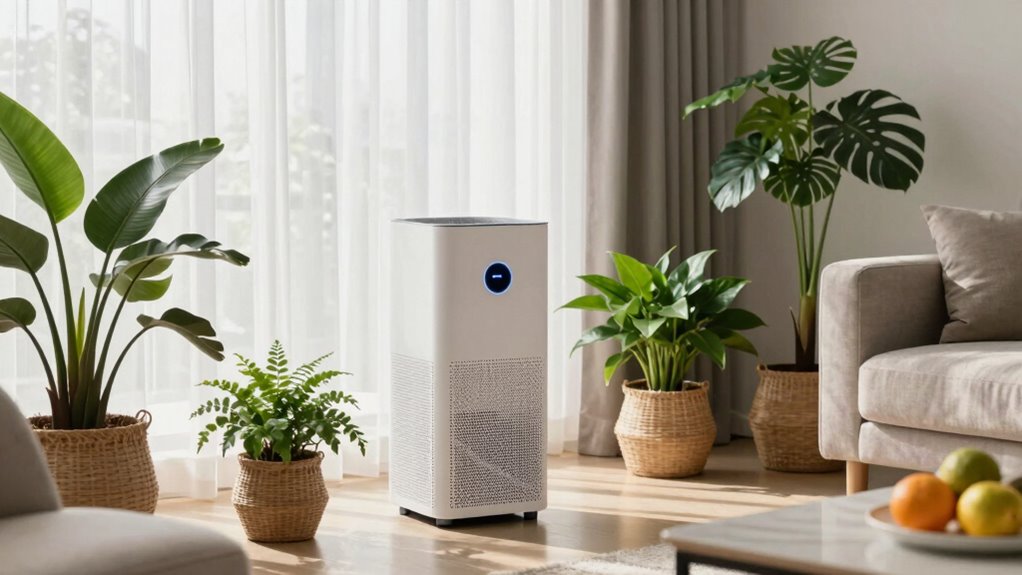
To keep your indoor air quality healthy, focus on reducing pollutants like dust, mold, VOCs, and pet dander by regularly cleaning and maintaining HVAC systems. Ventilation is key—use exhaust fans, open windows, and consider air purifiers with HEPA filters. Test your air periodically and avoid harsh chemicals. Good habits like proper cleaning and moisture control help prevent buildup. Continue exploring to discover more simple ways to create a safer indoor environment.
Key Takeaways
- Proper ventilation and air exchange prevent indoor pollutant buildup and improve air quality.
- Regular maintenance of HVAC systems and filters reduces dust, mold spores, and allergens.
- Minimizing VOCs by choosing natural cleaning products and limiting chemical use lowers indoor chemical pollution.
- Monitoring indoor air with sensors helps detect pollutants, humidity, and VOC levels for timely intervention.
- Keeping indoor spaces clean, dry, and free from mold, pet dander, and dust mites reduces allergen and pollutant concentrations.

LEVOIT Air Purifiers for Home Large Room Up to 1875 Ft² with Washable Pre-Filter, AHAM VERIFIDE, Air Quality Monitor, HEPA Sleep Mode for Allergies, Pet Hair in Bedroom, Vital 200S-P, White
𝐖𝐇𝐘 𝐂𝐇𝐎𝐎𝐒𝐄 𝐀𝐇𝐀𝐌 𝐕𝐄𝐑𝐈𝐅𝐈𝐃𝐄 𝐏𝐑𝐎𝐃𝐔𝐂𝐓𝐒: AHAM (Association of Home Appliance Manufacturers) is an ANSI-accredited organization that sets strict…
As an affiliate, we earn on qualifying purchases.
As an affiliate, we earn on qualifying purchases.
What Affects Indoor Air Quality and Why It Matters
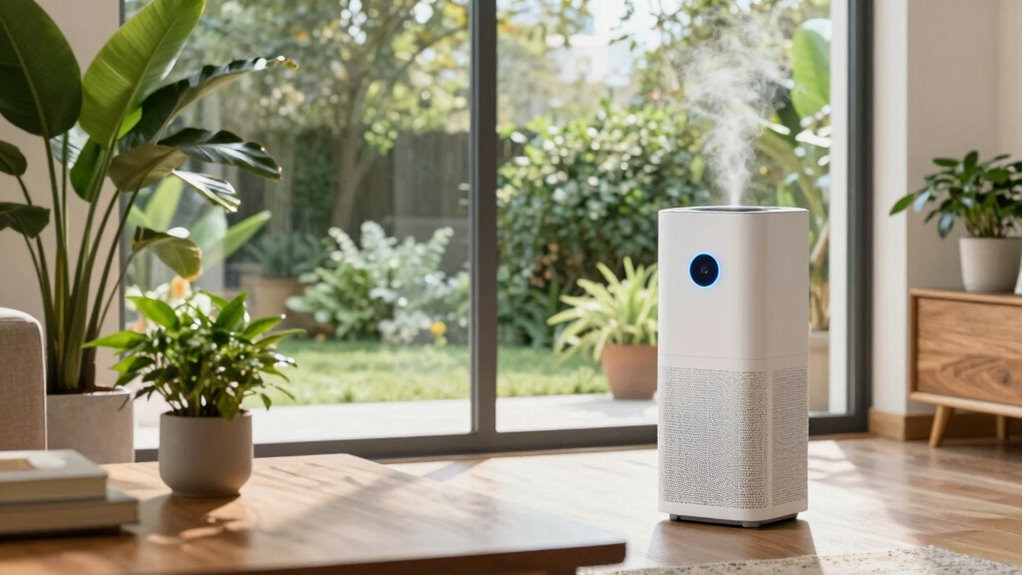
Indoor air quality is influenced by a variety of factors, many of which you can control or improve. Airborne allergens like dust mites, pet dander, and mold spores can quickly accumulate, affecting breathing and overall health. Indoor pollutants such as volatile organic compounds (VOCs) from cleaning supplies, paints, and furniture also contribute to poor air quality. Poor ventilation traps these irritants inside, making it harder for your body to filter out harmful particles. When airborne allergens and indoor pollutants build up, they can trigger allergies, asthma, and other respiratory issues. Managing these factors by cleaning regularly, reducing clutter, and ensuring proper ventilation helps create healthier indoor environments. Microplastics in dust can also be a hidden source of indoor air contaminants, impacting health over time. Taking these steps keeps your air cleaner and your health better protected.

Simply 16x25x1 Air Filter, MERV 8, 6 Pack, For Home AC Furnace & HVAC (Actual Size: 15.75"x24.75"x0.75") DUST, Pet, & Allergy Control
Universally Compatible: Measuring 16" x 25" x 1", with an actual size of 15.75"x24.75" x 0.75", Simply Filters…
As an affiliate, we earn on qualifying purchases.
As an affiliate, we earn on qualifying purchases.
How Do Pollutants Enter and Build Up in Your Home?
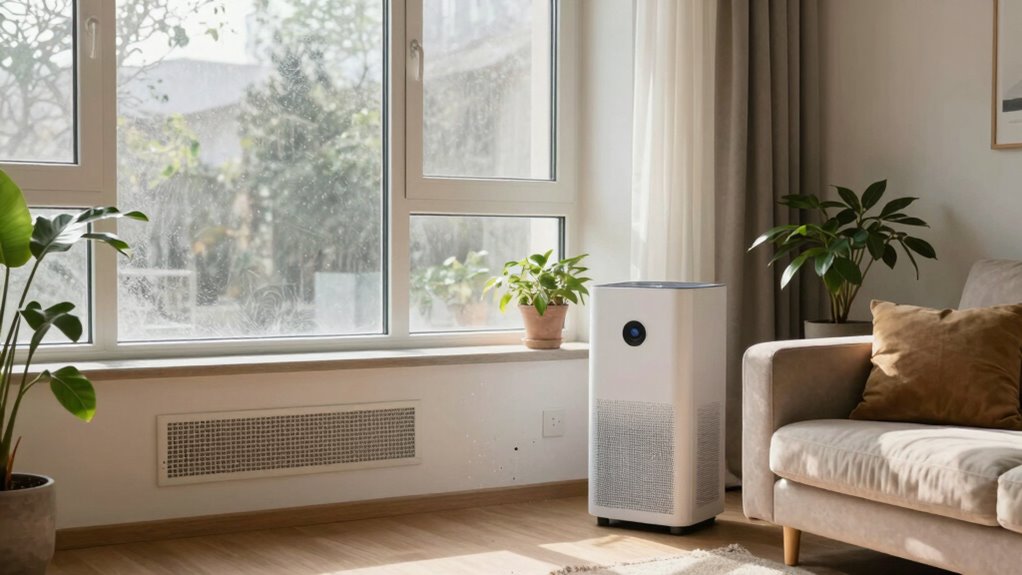
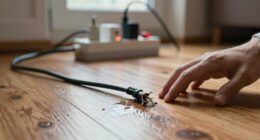
Pollutants can enter your home through open doors and windows, carried in on your clothing, or brought inside by pets and visitors. Once inside, these particles and gases can accumulate if not properly ventilated. HVAC systems play a significant role in how pollutants build up; if not maintained, they can circulate dust, mold spores, and other contaminants throughout your home. Mold growth often occurs in damp areas and can release spores into the air, adding to indoor pollution. Poor insulation or leaks can also allow outside pollutants to seep in, increasing indoor air contamination. Over time, these pollutants can reach harmful levels, impacting your health. Regular cleaning, maintenance of HVAC systems, and controlling moisture are essential to prevent pollutants from entering and building up in your home. Additionally, managing heat buildup and fumes from wiring is crucial to maintaining a safe and healthy indoor environment.

Amazon Smart Air Quality Monitor – Know your air, Works with Alexa
Know your air – Amazon Smart Air Quality Monitor makes it easy to understand what’s in your indoor…
As an affiliate, we earn on qualifying purchases.
As an affiliate, we earn on qualifying purchases.
How Can You Test Your Indoor Air Quality Easily?
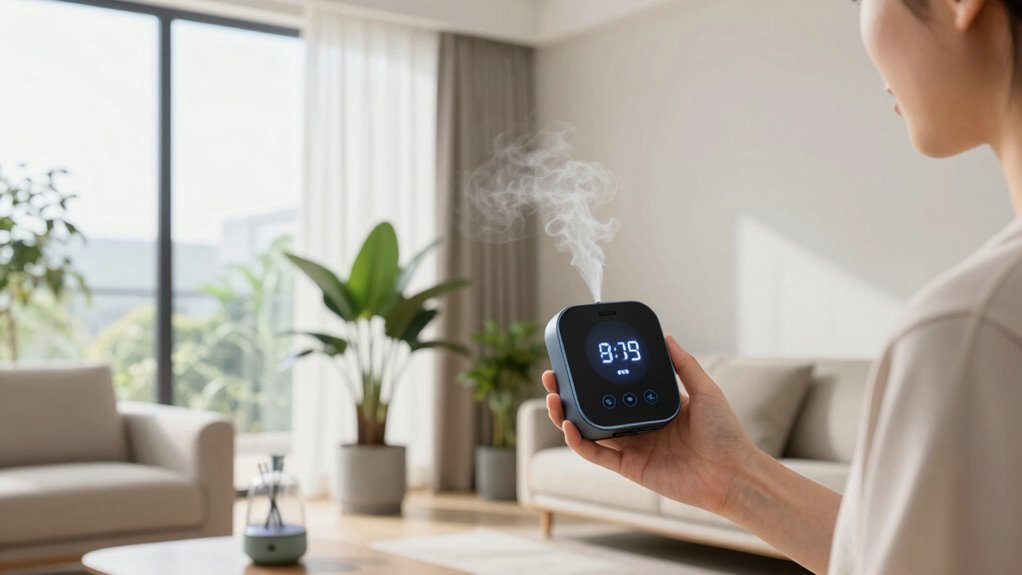
Testing your indoor air quality is easier than you might think. You can try simple DIY kits at home or hire professionals for more detailed analysis. Knowing your options helps you choose the best way to keep your air safe and healthy. Additionally, understanding the materials and craftsmanship behind air quality testing devices can ensure you select reliable products.
DIY Testing Methods
Even if you’re not a professional, you can easily check your indoor air quality with simple DIY methods. Using air quality kits, you can get an initial idea of pollutants like dust, mold spores, and volatile organic compounds (VOCs). These kits are affordable and easy to use; they typically include test strips or small sampling devices that you place in different areas of your home. After a designated period, you send the samples to a lab or analyze the results yourself, depending on the kit. While DIY testing can’t replace professional assessments, it provides valuable insights and helps identify problem areas. Regular use of air quality kits can alert you to issues early, allowing you to take steps to improve your indoor air environment. Considering factors like sensor calibration can enhance the accuracy of your DIY tests and provide more reliable results.
Professional Testing Options
While DIY methods are useful for initial assessments, professional testing provides a more accurate and thorough picture of your indoor air quality. Professionals use air sampling to collect samples from different areas, guaranteeing detailed data. These samples are then sent for lab analysis, which identifies specific pollutants like mold, VOCs, or allergens. This process helps pinpoint sources of indoor air problems that DIY tests might miss. Additionally, Free Floating techniques can be employed during testing to better understand airflow patterns that influence pollutant distribution.

Mold Test Kit for Home,7 Simple Detection Tests,Test HVAC System,Home Surfaces, Indoor Air Quality Testing,DIY Mold Detector for Home,Includes Detailed Mold Identification Guide,Black Mold Testing kit
7 Complete Mold Testing Kit – This DIY home mold test kit includes 7 individual tests, allowing you…
As an affiliate, we earn on qualifying purchases.
As an affiliate, we earn on qualifying purchases.
What Are the Best Strategies to Improve Indoor Air Quality?
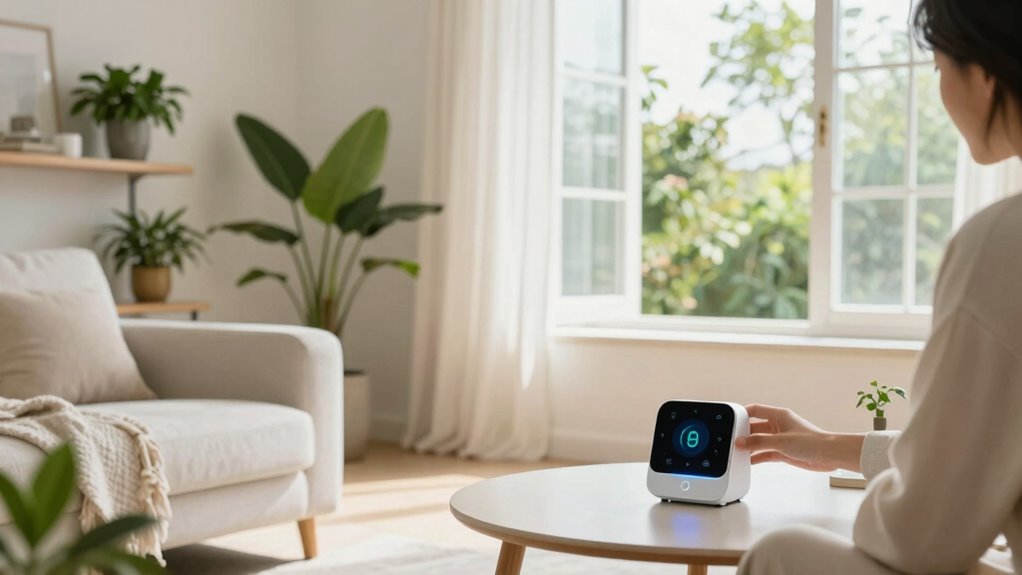
Improving indoor air quality is essential for creating a healthier living environment, and implementing effective strategies can make a significant difference. Start by exploring air purifier options that suit your needs, such as HEPA filters or models with activated carbon. These devices can help remove airborne pollutants and allergens. Additionally, adopting proper ventilation strategies is key; ensure your home has adequate airflow by opening windows when possible or using exhaust fans in kitchens and bathrooms. Regularly maintaining HVAC systems and replacing filters also enhances air quality. Keep indoor spaces clean and free of dust, mold, and pet dander. Being aware of symbolic representations like masks or circles can inspire you to think creatively about air purification and filtration methods. By combining these approaches, you create an environment that supports better breathing and overall health.
Which Air Purifiers and Ventilation Systems Should You Use?

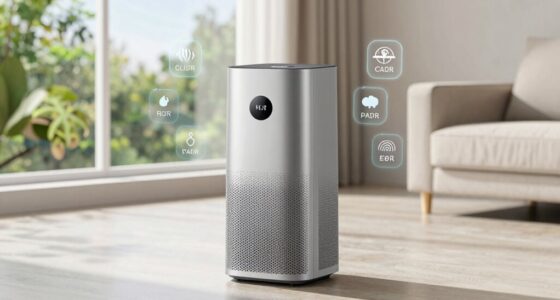
Choosing the right air purifier and ventilation system depends on your specific needs and the size of your space. For air purifier selection, consider filters like HEPA for allergens and VOC filters for chemical vapors. If you’re dealing with smoke or pet dander, choose purifiers designed for those pollutants. Ventilation system types vary from simple exhaust fans to sophisticated HVAC systems with fresh air intake. For small rooms, a portable air purifier with a high CADR rating suffices. Larger spaces benefit from whole-house ventilation systems or energy recovery ventilators that bring in fresh air without losing energy. Assess your indoor air quality concerns and room size to determine which options will effectively improve your air quality without wasting energy or resources. Additionally, understanding the importance of indoor air quality gear (HEPA, carbon, UV-C) can help you select the most effective solutions for your environment.
What Common Mistakes Lower Indoor Air Quality: And How to Avoid Them?

Ignoring your home’s ventilation needs can trap pollutants inside, making the air feel stale and unhealthy. Overusing chemical cleaners releases harmful fumes that lower air quality, so it’s best to choose safer options. Additionally, neglecting regular maintenance on filters and HVAC systems allows dust and allergens to build up, reducing air purity.
Ignoring Ventilation Needs
Many people overlook the importance of proper ventilation, assuming sealed environments are enough to maintain good air quality. But without sufficient air exchange, indoor pollutants can accumulate, causing health issues. Proper ventilation ensures fresh air enters and stale air exits, reducing allergens and airborne toxins. Neglecting this can lead to poor indoor air quality, even in well-maintained spaces. To optimize ventilation importance, regularly open windows, use exhaust fans, or consider mechanical systems. Here’s a quick comparison:
| Ventilation Method | Benefits |
|---|---|
| Natural Ventilation | Cost-effective, fresh air |
| Mechanical Ventilation | Controlled, consistent air exchange |
| Exhaust Fans | Removes moisture & pollutants |
Prioritize air exchange to keep your indoor environment safe and healthy. Incorporating air circulation strategies can further enhance indoor air quality and prevent stagnation.
Overusing Chemical Cleaners
Chemical cleaners are a common culprit in reducing indoor air quality because they release volatile organic compounds (VOCs) and other harmful chemicals into the air. Overusing these products can lead to a buildup of chemical residues on surfaces, which can continuously emit VOCs long after cleaning. Fragrance overuse is another issue, as many cleaners contain artificial scents that can irritate your respiratory system and trigger allergies. Using too many chemical cleaners or relying heavily on scented products increases indoor pollution without actually improving cleanliness. To protect your indoor air, choose natural or unscented cleaning options, and use chemical cleaners sparingly. Proper ventilation during and after cleaning also helps reduce chemical concentrations, keeping your indoor environment healthier. Being mindful of chemical residue buildup can further help in maintaining better indoor air quality over time.
Neglecting Regular Maintenance
Regular maintenance of your heating, ventilation, and air conditioning (HVAC) systems is key to maintaining good indoor air quality. When you neglect this, you risk poor filter maintenance, which allows dust, allergens, and pollutants to circulate freely. Additionally, ignoring humidity control can lead to mold growth and dust mite proliferation, worsening indoor air quality. Failing to schedule regular inspections can also cause system inefficiencies and unnoticed issues. To avoid these problems, keep an eye on:
- Regularly replacing or cleaning filters
- Monitoring and managing indoor humidity levels
- Scheduling professional HVAC check-ups periodically
Proper maintenance practices are essential for ensuring long-term indoor air quality and system performance.
How Can You Maintain Healthy Indoor Air Over Time?
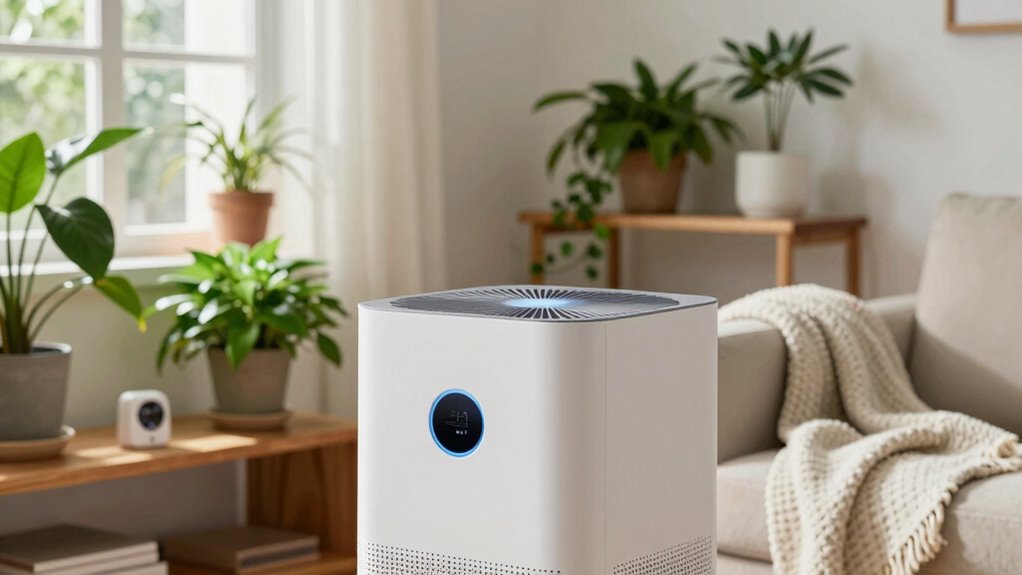
Maintaining healthy indoor air over time requires consistent effort and mindful choices. Installing air quality sensors helps you monitor pollutants, humidity, and VOC levels, allowing you to respond quickly to issues. Regularly checking these sensors ensures your indoor environment stays safe and comfortable. Incorporate indoor plants, which naturally filter toxins and increase oxygen levels, into your space. They not only improve air quality but also add aesthetic value. Keep your home well-ventilated by opening windows when possible and using exhaust fans. Avoid smoking indoors and limit the use of harsh cleaning chemicals. Consistent cleaning of carpets, upholstery, and air filters also plays a crucial role. By staying attentive to these habits, you can sustain a healthier indoor environment for you and your loved ones.
Frequently Asked Questions
How Often Should I Replace or Clean Air Filters in My Home?
You should replace or clean your air filters every 1 to 3 months, or sooner if you notice dust buildup or reduced airflow. Neglecting filter maintenance can turn your home into a dust storm. Regularly check and follow your ventilation schedules to keep indoor air fresh. Don’t wait for allergies or asthma symptoms—stay ahead by maintaining filters consistently, ensuring your home stays a healthy, breathable sanctuary.
Can Indoor Plants Improve Air Quality Effectively?
Indoor plants can considerably improve air quality through natural air purification. They absorb pollutants like formaldehyde and benzene while releasing oxygen, creating a healthier environment. To maximize benefits, choose easy-to-care-for plants like snake plants or pothos, and keep them healthy with proper watering and light. While indoor plants alone won’t completely purify your air, they’re a stylish, natural way to boost air quality and add a touch of nature to your home.
What Are the Signs of Poor Indoor Air Quality?
You might notice signs of poor indoor air quality if you experience frequent headaches, dizziness, or respiratory issues. Airborne pollutants can cause sneezing, coughing, or throat irritation, and persistent odors may signal inadequate ventilation. If these symptoms or smells linger despite cleaning, it’s a sign that airborne pollutants are building up, and odor detection becomes difficult. Addressing these signs promptly helps improve your indoor environment and overall health.
Are Air Purifiers Safe for Children and Pets?
Yes, air purifier safety is generally good for children and pets, but you should look for child-friendly air purifiers with non-toxic filters and materials. Always choose models that meet safety standards, and keep them well-maintained to avoid any hazards. When in doubt, consult product labels or manufacturers for specific safety features. Properly selected and maintained, air purifiers can improve indoor air quality safely for your family.
How Do Humidity Levels Affect Indoor Air Quality?
Think of humidity levels like a garden’s watering schedule—you need just the right amount. Too high, and mold prevention becomes tough, leading to dampness that harms indoor air quality. Too low, and you risk dry air that irritates your respiratory system. Proper humidity control keeps the air comfortable and healthy, ensuring mold doesn’t thrive and indoor air remains fresh and safe for everyone.
Conclusion
Keeping your indoor air pristine is like tending to a secret garden—constant care ensures it stays fresh and healthy. Regular testing, smart ventilation, and avoiding common pitfalls will help you breathe easier every day. Don’t let your home’s air become a forgotten relic; stay proactive and treat it like the precious treasure it is. With a little effort, you’ll create a safe haven where clean air governs, just like in the good old days of clear, crisp air.