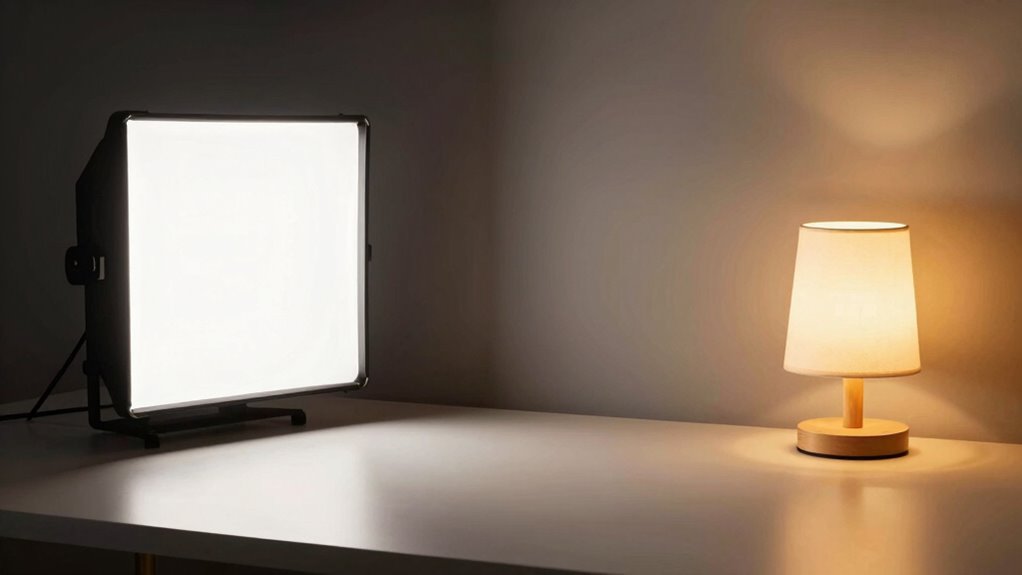

Lumens measure how bright a light bulb is, helping you choose the right level of illumination for your space. Kelvins indicate the color tone, from warm and cozy to cool and daylight-like, affecting the mood and ambiance. When selecting lighting, consider both to match your needs—brighter for task areas, warmer for relaxing spaces. Understanding these terms guarantees your lighting is functional and inviting; keep exploring to master creating the perfect atmosphere.
Key Takeaways
- Lumens measure brightness; higher lumens mean more light output, while Kelvins indicate the color or tone of the light.
- Use lumens to determine how bright a bulb should be for different rooms or tasks.
- Kelvins define the light’s appearance, from warm (2700K) to cool (6500K) tones, affecting mood and ambiance.
- Brightness (lumens) impacts visibility, while Kelvin influences the atmosphere; both should be chosen based on room purpose.
- Combining proper lumens and Kelvins creates effective lighting that enhances comfort, productivity, and energy efficiency.

Feit Electric A21 LED Light Bulb, 100W Replacement, Dimmable, Selectable Color Temperatures (2700K-5000K), 1600 Lumens, General Purpose Light Bulbs, 15,000-Hour Lifetime, OM100DM/5CCTCA/LED/6, 6 Pack
ADJUSTABLE COLOR TEMPERATURE – Transform your space with the Feit Electric Adjustable White A21 LED Light Bulb. Choose…
As an affiliate, we earn on qualifying purchases.
As an affiliate, we earn on qualifying purchases.
What Are Lumens and Why Do They Matter?

Have you ever wondered how to choose the right brightness for your space? Lumens are key to that decision. They measure the amount of visible light a bulb emits, helping you determine how bright a light will be. When planning a lighting installation, understanding lumens guarantees your space is well-lit without overdoing it. Higher lumens mean brighter light, but they can also affect bulb longevity; bulbs with higher output tend to wear out faster if used excessively. Knowing the right lumens helps you select efficient bulbs that provide enough light while saving energy and reducing replacement costs. Additionally, considering home theater projector specifications can help you optimize your viewing environment for the best experience. This balance improves your lighting experience, ensuring your space is comfortable, functional, and cost-effective.

TJOY 6 Pack A19 LED Light Bulbs, 60 Watt Equivalent LED Bulb, Soft Warm White 2700K, Efficient 9W, E26 Standard Base, Non Dimmable Energy Saving Lightbulb, 800LM, 80 CRI, 120V, UL Listed
60W Incandescent Replacement Bulb: A19 LED bulbs are more energy efficient than incandescent bulbs but generate less heat….
As an affiliate, we earn on qualifying purchases.
As an affiliate, we earn on qualifying purchases.
Understanding Kelvins: Choosing the Right Color Temperature
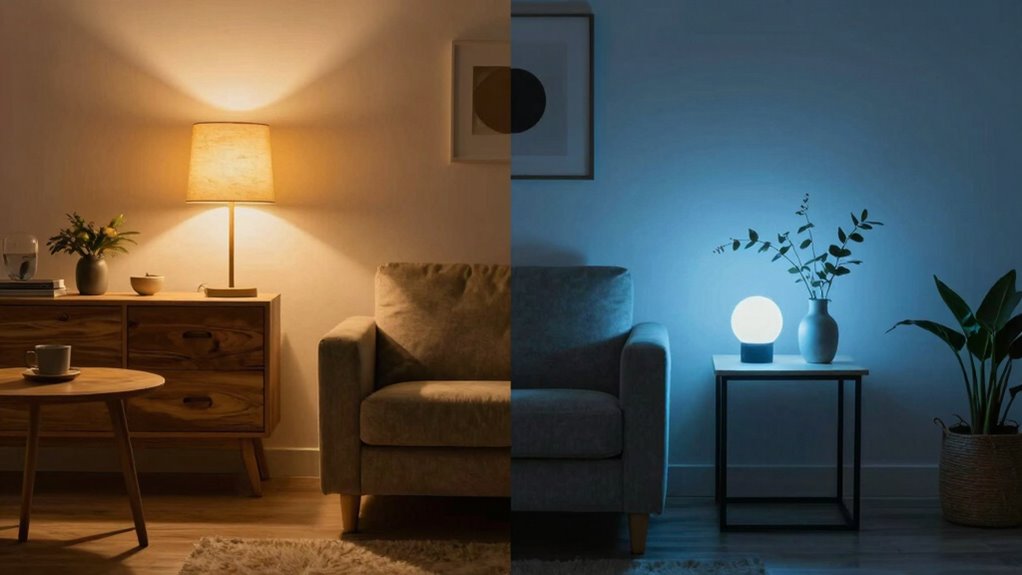
While lumens tell you how bright a bulb is, the color temperature, measured in Kelvins, determines the appearance of that light. Choosing the right Kelvin rating affects the mood and functionality of your space. Lower Kelvin values (around 2700K-3000K) emit warm, cozy light ideal for relaxing areas, while higher values (5000K-6500K) produce cool, daylight-like illumination suited for task lighting. When selecting bulbs, consider lighting durability—some color temperatures maintain their quality longer—and energy efficiency, as certain Kelvin ranges may require less power to achieve the desired effect. Understanding Kelvins helps you optimize lighting quality by balancing aesthetic appeal with practical concerns like longevity and energy savings, ensuring your lighting complements your space while remaining cost-effective and reliable over time.

evelor 6-Pack A19 LED Light Bulbs,60 Watt Equivalent Daylight 5000K with E26 Base,Efficient 9W,800 Lumens Non-Dimmable LED Bulbs,15000 Hours, Ideal for Bedroom Living Room
【Energy Efficiency】: EVELOR A19 LED light bulb is an energy-saving 9W (60W equivalent) bulb, saving up to 90%…
As an affiliate, we earn on qualifying purchases.
As an affiliate, we earn on qualifying purchases.
How to Find the Brightness You Need for Your Space
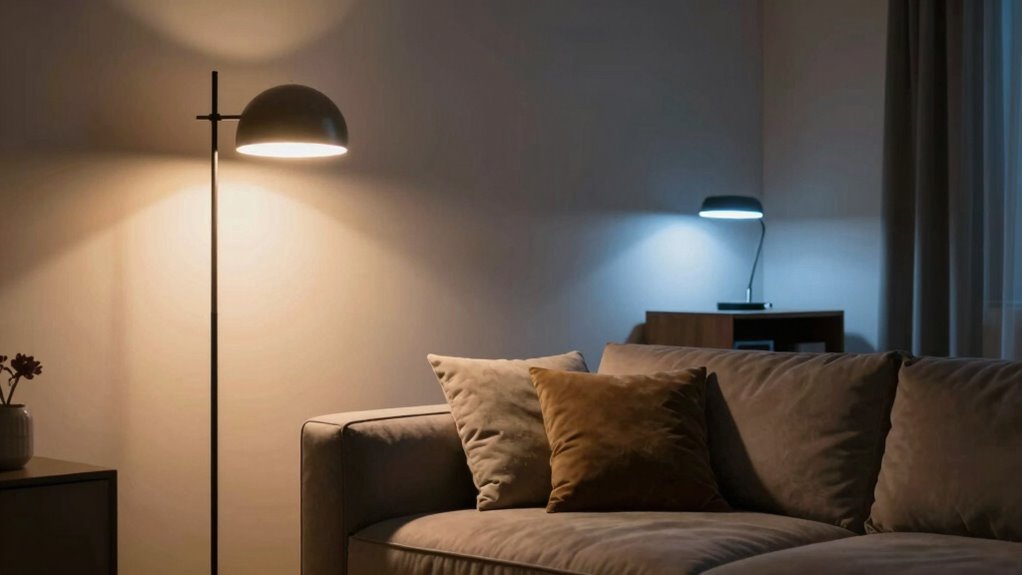
Determining the right brightness for your space guarantees you have enough light to see comfortably without wasting energy. To do this, consider the light intensity needed for different areas and activities. For example, a cozy living room might need softer, lower light, while a workspace requires brighter illumination. Think about the color ambiance you want to create, as it influences how the space feels. Use this simple guide:
| Space Type | Recommended Light Intensity | Ideal Color Ambiance |
|---|---|---|
| Living Room | 1,500–3,000 lumens | Warm, inviting |
| Kitchen | 4,000–8,000 lumens | Bright, energetic |
| Bedroom | 1,000–2,000 lumens | Soft, relaxing |
| Home Office | 3,000–6,000 lumens | Focused, neutral |
| Bathroom | 4,000–7,000 lumens | Clear, crisp |
Adjust your brightness based on these factors for suitable comfort and efficiency. Understanding lighting terminology helps you make better choices for your lighting needs.
Linkind A19 LED Light Bulbs Dimmable, 60W Equivalent, Energy Efficient 9W, 2700K, 800 Lumens, E26 Standard Base, Lighting for Bedroom Living Room Home Office, 6 Packs
✔ 2700K WARM YELLOWISH LIGHT: The A19 dimmable LED light bulbs give off 800 lumens of 2700k cozy…
As an affiliate, we earn on qualifying purchases.
As an affiliate, we earn on qualifying purchases.
Picking the Right Color Temperature to Set the Mood
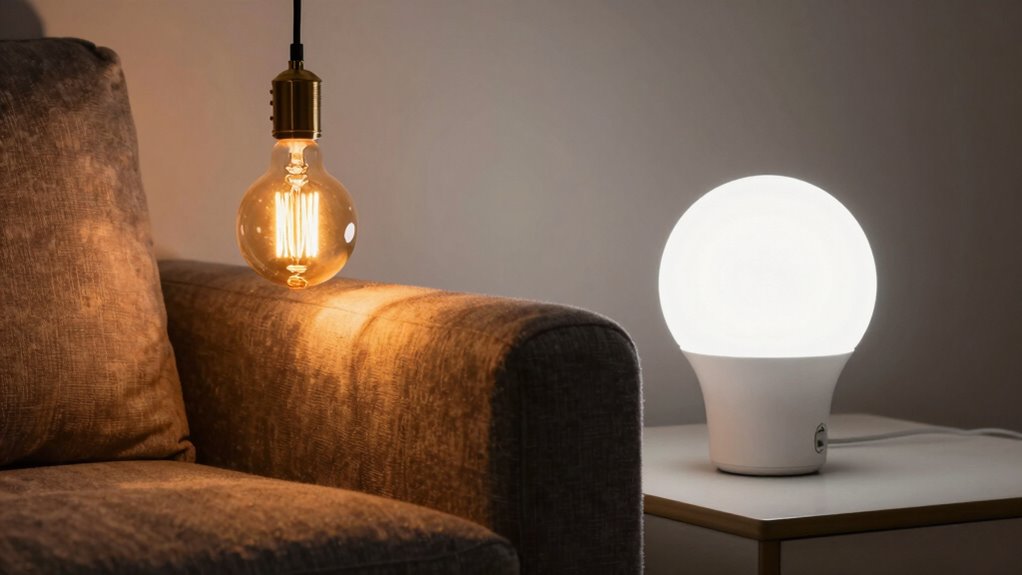
Choosing between warm and cool tones can dramatically change the atmosphere in your space. Warm tones create a cozy, inviting mood, while cool tones feel more energetic and modern. Think about the vibe you want to achieve before selecting the right color temperature. Additionally, understanding lighting terminology such as lumens and kelvins can help you make more informed decisions to perfect your environment.
Warm vs Cool Tones
Have you ever wondered how the color temperature of your lighting can influence the mood of a space? Warm tones, with a lower color temperature, create a cozy, inviting light ambiance perfect for relaxing areas like living rooms or bedrooms. They emit a soft, yellowish glow that feels comforting. Cool tones, with a higher color temperature, produce a crisp, energizing light ambiance suited for workspaces or kitchens. This light has a bluish tint that enhances alertness and focus. Choosing between warm and cool tones depends on the atmosphere you want to establish. Warm tones foster relaxation, while cool tones promote activity. Understanding how color temperature shapes light ambiance helps you select lighting that complements your space’s purpose and mood. Additionally, lighting design principles can guide you in creating harmonious environments that support your desired atmosphere.
Setting the Right Mood
The right color temperature can instantly change the feel of a room, influencing how you and others perceive the space. For a cozy, inviting atmosphere, choose warmer tones around 2700K to 3000K with lighting fixtures that emit soft, amber light. If you want a more energetic, alert vibe, go for cooler temperatures around 4000K to 5000K, which produce bright, white light. Selecting the right Kelvin helps set the mood effectively. Plus, many modern lighting fixtures are designed for energy efficiency, allowing you to enjoy the perfect ambiance without high electricity bills. Whether you’re relaxing or working, understanding how to pick the right color temperature guarantees your lighting supports your mood and saves energy at the same time. Lighting design principles can help you optimize your space for both comfort and functionality.
Practical Examples: Brightness and Color Choices for Different Rooms
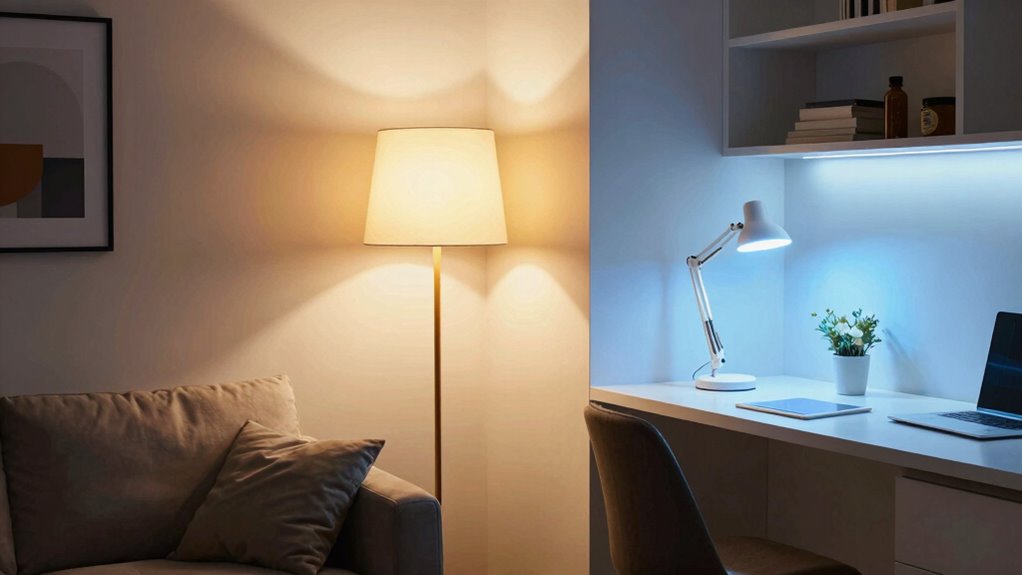
When selecting lighting for different rooms, considering brightness and color can dramatically influence the space’s atmosphere and functionality. For living rooms or bedrooms, aim for softer, warm-colored bulbs around 2700K to create a cozy vibe. Use decorative fixtures with dimming options to adjust brightness and set the mood easily. In kitchens and work areas, brighter lights around 3000K to 4000K improve visibility and focus. Opt for energy-efficient LED bulbs that deliver high lumens without wasting power. For bathrooms, choose bright, cool-toned lighting to ensure clarity and cleanliness. Incorporate energy-efficient fixtures to save on electricity and reduce your carbon footprint. Matching brightness and color temperature to each room’s purpose helps you create inviting, functional spaces that suit your needs. Lighting choices can also impact your mood and overall well-being, so selecting the right lighting is an essential part of creating a comfortable home environment.
Tips for Choosing the Best Lumens and Kelvins When Buying Bulbs
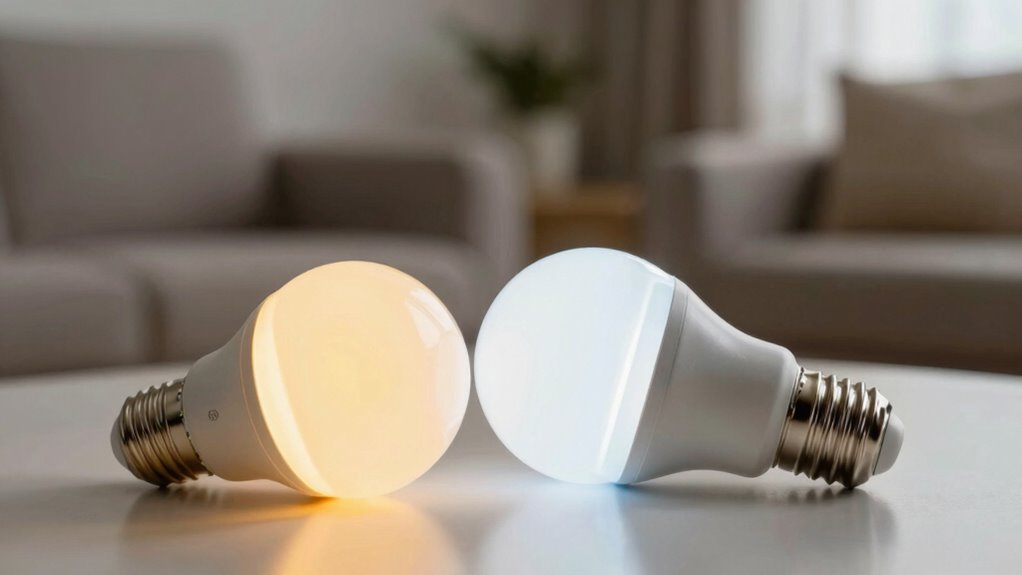
When selecting bulbs, you need to match the lumens to the size of your space to guarantee adequate brightness without overdoing it. Picking the right kelvin temperature helps create the desired atmosphere, whether warm or cool. By understanding these key points, you’ll choose lighting that perfectly fits your room’s needs.
Match Lumens to Space
Wondering how to choose the right light bulb for your space? Matching lumens to your room size is key for effective lighting design and energy efficiency. Too many lumens can create glare, while too few leave the space dull. Use the table below to estimate ideal lumens based on room size:
| Room Size | Recommended Lumens |
|---|---|
| Small (up to 100 sq ft) | 450-800 |
| Medium (100-300 sq ft) | 800-1600 |
| Large (over 300 sq ft) | 1600+ |
Keep in mind, the goal is to provide enough brightness without over-consuming energy. Selecting the right lumens ensures your space feels welcoming and functional while optimizing energy efficiency and maintaining a good lighting design.
Choose Appropriate Kelvins
Choosing the right Kelvin temperature for your bulbs is essential to create the desired ambiance and guarantee proper lighting for your space. For a warm, cozy feel, select bulbs around 2700K to 3000K, which promote color harmony in living rooms and bedrooms. If you want a brighter, more energetic vibe, go for higher Kelvins—around 4000K to 5000K—ideal for kitchens, workspaces, or task lighting. Lower Kelvin bulbs tend to produce softer light, while higher Kelvins emit a cooler, bluish tone. Additionally, choosing the appropriate Kelvin temperature can improve energy efficiency, as certain color temperatures may require less wattage for the same brightness. Understanding lighting terminology can help you make better choices when selecting bulbs. Always consider your room’s purpose and desired mood when selecting the Kelvin to ensure ideal lighting and efficiency.
Common Mistakes When Selecting Lighting Based on Lumens and Kelvins

Many people make the mistake of focusing solely on lumens or Kelvins without considering how they work together to create the right lighting. When selecting lighting for a space, ignoring this balance can lead to poor lighting installation results and reduced energy efficiency. For example, choosing high lumens without considering the color temperature can produce overly harsh or dim lighting, affecting comfort and functionality. Similarly, prioritizing brightness over color tone may not suit the room’s purpose. You need to evaluate both aspects to achieve ideal ambiance and efficiency. Overlooking how lumens and Kelvins interact can cause costly mistakes, like installing fixtures that waste energy or don’t match your needs. Always consider both factors to ensure your lighting setup is both effective and energy-efficient. Additionally, understanding the interaction between lumens and Kelvins helps in selecting the right lighting for different environments and activities.
Which Matters More: Brightness or Color Temperature?
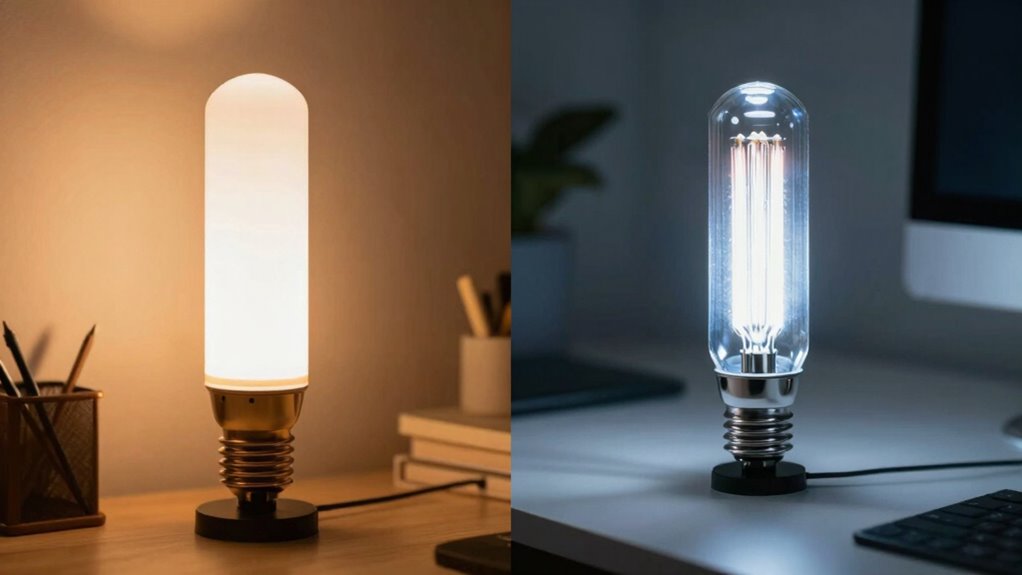
When selecting lighting, it’s important to recognize that brightness and color temperature each influence how a space feels and functions, but one may take priority depending on your needs. Brightness, measured in lumens, directly affects lighting aesthetics by making a room feel more inviting or functional. If you need clear visibility, prioritize higher lumens; for softer ambiance, lower lumens work better. On the other hand, color temperature, measured in Kelvins, shapes the mood and visual comfort. Cooler temperatures (higher Kelvins) create a crisp, energizing environment, while warmer tones (lower Kelvins) foster coziness. Consider energy efficiency alongside your choices—LEDs often deliver both high brightness and exemplary color temperatures with lower power consumption. Additionally, understanding the lighting specifications can help you make more informed decisions to optimize your space’s ambiance and functionality. Ultimately, balancing these factors aligns your lighting with your space’s purpose and your personal preferences.
How Lumens and Kelvins Impact Your Mood and Productivity
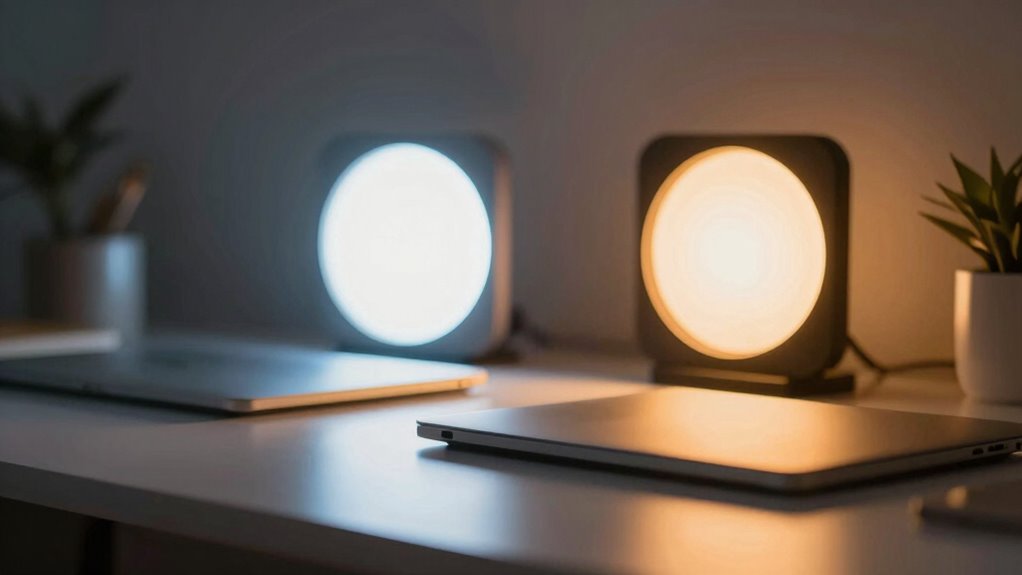
Lumens and Kelvins directly influence how you feel and perform in a space. Bright lighting with higher lumens can boost alertness and focus, improving productivity. Cooler Kelvins (around 5000K-6500K) mimic daylight, enhancing concentration and energizing you. Conversely, warmer Kelvins (2700K-3000K) promote relaxation, ideal for unwinding. Proper lighting design considers these factors to create the right mood and support energy efficiency. Here’s a quick comparison:
| Aspect | Effect on Mood | Productivity Impact |
|---|---|---|
| Lumens | Brightens space, energizes | Improves focus, reduces fatigue |
| Kelvins | Warmer = cozy, cooler = alert | Cooler enhances alertness |
| Lighting Design | Sets ambiance, influences mood | Optimizes work environment |
| Energy Efficiency | Bright but efficient lighting | Saves energy, reduces costs |
| Overall Impact | Shapes emotional response | Boosts performance |
Quick Guide: Match Lumens and Kelvins to Your Lighting Goals

Choosing the right combination of lumens and Kelvins helps you create lighting that matches your specific goals. For effective lighting design, consider your space and what you want to achieve. Higher lumens provide brightness, ideal for task lighting or large areas, while lower lumens create a cozy atmosphere. Kelvins determine color temperature: warm tones (2700K-3000K) suit relaxing spaces, and cooler tones (3500K-5000K) energize work environments. To maximize energy efficiency, select LEDs with the appropriate lumen output and Kelvin level for your needs. Here are some tips:
Choose the right lumens and Kelvins for efficient, comfortable lighting tailored to your space and mood.
- Use high lumens and cooler Kelvins for offices or kitchens.
- Opt for lower lumens and warmer Kelvins in bedrooms or living rooms.
- Balance brightness and color temperature for comfortable, efficient lighting.
- Match your choices to your mood, productivity, and energy-saving goals.
Frequently Asked Questions
Can Lumens and Kelvins Be Adjusted After Purchasing a Bulb?
You can’t directly adjust lumens or kelvins after purchasing a bulb, but you can influence the brightness and color temperature with dimming capabilities and smart lighting options. Dimmable bulbs let you lower lumens, while smart bulbs often allow you to change kelvin settings via an app for different color temperatures. So, while the actual specs stay the same, your control over lighting can be customized to suit your needs.
How Do Lumens and Kelvins Affect Energy Consumption?
Think of lumens and kelvins as the heartbeat of your lighting choices. Higher lumens mean brighter light, but they don’t directly increase energy consumption if you choose efficient bulbs. Kelvins influence lighting quality, affecting how warm or cool your space feels, without impacting energy use. Opting for energy-efficient bulbs with the right lumens and kelvins helps you save energy while maintaining perfect lighting, turning your space into a cozy or vibrant haven.
Are Higher Kelvin Ratings Always Better for Task Lighting?
Higher Kelvin ratings aren’t always better for task lighting because they produce a cooler, bluish light that may not suit every task. You should consider the color temperature to match the lighting ambiance you want, such as warmer tones for comfort or cooler ones for focus. Opt for a Kelvin rating that complements your activity, ensuring clarity without sacrificing the mood or comfort of your space.
Do Different Bulb Types Emit Different Lumens at the Same Wattage?
Yes, different bulb types emit varying lumens at the same wattage because of bulb efficiency. LED bulbs, for example, produce more lumens than incandescent bulbs with the same wattage, making them more energy-efficient. This affects color perception too; some bulbs may seem brighter or warmer, depending on their type. So, when choosing bulbs, consider efficiency and how they influence the way colors look in your space.
How Do I Convert Lumens and Kelvins Into Actual Lighting Performance?
To convert lumens and kelvins into actual lighting performance, start by understanding lighting measurement standards. Lumens tell you how bright a bulb is, while kelvins indicate its color temperature. Use lighting measurement tools or online calculators for precise results. For color temperature conversion, compare kelvin values to familiar light sources like daylight or incandescent bulbs. This helps you choose lighting that matches your desired brightness and ambiance effectively.
Conclusion
Now that you understand lumens and kelvins, imagine walking into a room where the perfect brightness and warm glow greet you—setting the mood for relaxation or focus. But which choice truly transforms your space? The secret lies in knowing when to prioritize each. As you start applying these insights, you’ll soon craft lighting that not only illuminates but also shapes your environment’s vibe. The next step? Discovering how to master it all.