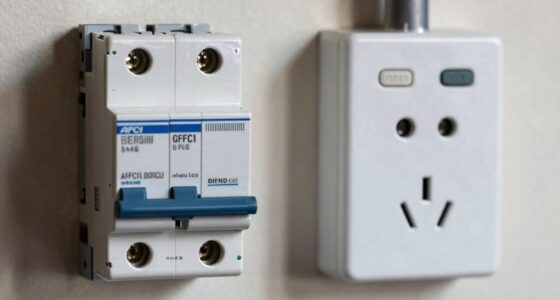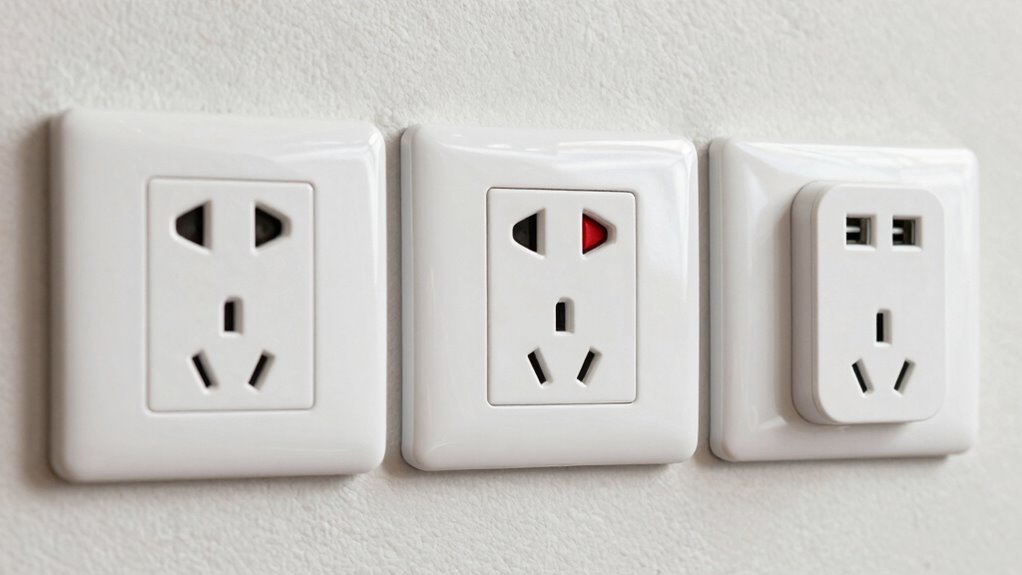

When it comes to outlet types, you’ve got three main choices: standard, GFCI, and USB. Standard outlets power everyday devices, while GFCI outlets are essential for wet areas, cutting off power to prevent shocks. USB outlets let you charge multiple devices easily without bulky adapters. Each type serves a specific purpose, ensuring safety and convenience in your home. Keep going to find out when to use each type and how to upgrade your outlets safely!
Key Takeaways
- Standard outlets provide basic power for everyday devices, commonly found in most rooms without added safety features.
- GFCI outlets protect against electrical shocks in wet areas by cutting off power during ground faults, making them essential for bathrooms and kitchens.
- USB outlets allow for direct charging of devices without bulky adapters, ideal for bedside use and often equipped with smart technology for faster charging.
- Proper outlet placement enhances functionality; GFCI outlets are crucial in moisture-prone areas, while USB outlets should be near seating for easy access.
- Upgrading outlets involves selecting high-quality materials and ensuring correct wiring connections, crucial for enhancing safety and functionality in homes.

ELEGRP GFCI Outlet 15 Amp, Self-Test GFI Electrical Outlet with Thinner Design, TR Tamper Resistant GFCI Receptacle, Ground Fault Circuit Interrupters with Wall Plate, UL Listed, Matte White, 1 Pack
✅【Innovative Dual Protection System】Features twin solenoid and double silicon controlled rectifier (SCR), ensuring an always-on GFCI protection to…
As an affiliate, we earn on qualifying purchases.
As an affiliate, we earn on qualifying purchases.
Comparing Standard, GFCI, and USB Outlets: What You Need to Know
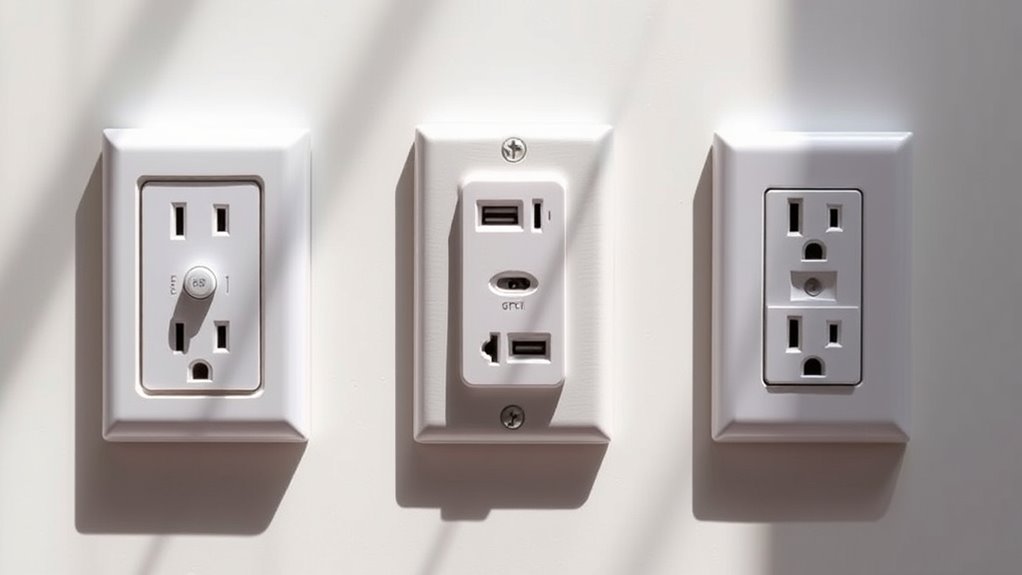
When you’re setting up your home or office, understanding the differences between standard, GFCI, and USB outlets is crucial. Standard outlets are your everyday choice, but they lack the safety features of GFCI outlets, which protect against electrical shocks in wet areas. USB outlets, on the other hand, offer convenience by allowing you to charge devices directly without an adapter.
When considering outlet compatibility issues, verify your devices align with the outlet type you choose. For effective outlet installation, pay attention to the amperage and voltage ratings for safety. Also, don’t forget to check local building codes, as they may dictate outlet types in specific areas of your home or office. Making informed choices now will save you headaches later.

4 Pack USB Wall Charger, Dual Port Plug Adapter for Wall Outlet Charging Block, USB Power Adapter for iPhone 14/13/12/11 Pro/Pro Max, XS/XR/X, Galaxy, Pixel, Moto and Android Phones (White)
Dual Port Charger: Equipped with a dual USB port configuration, this charger can simultaneously power two electronic devices,…
As an affiliate, we earn on qualifying purchases.
As an affiliate, we earn on qualifying purchases.
Why GFCI Outlets Are Essential for Safety
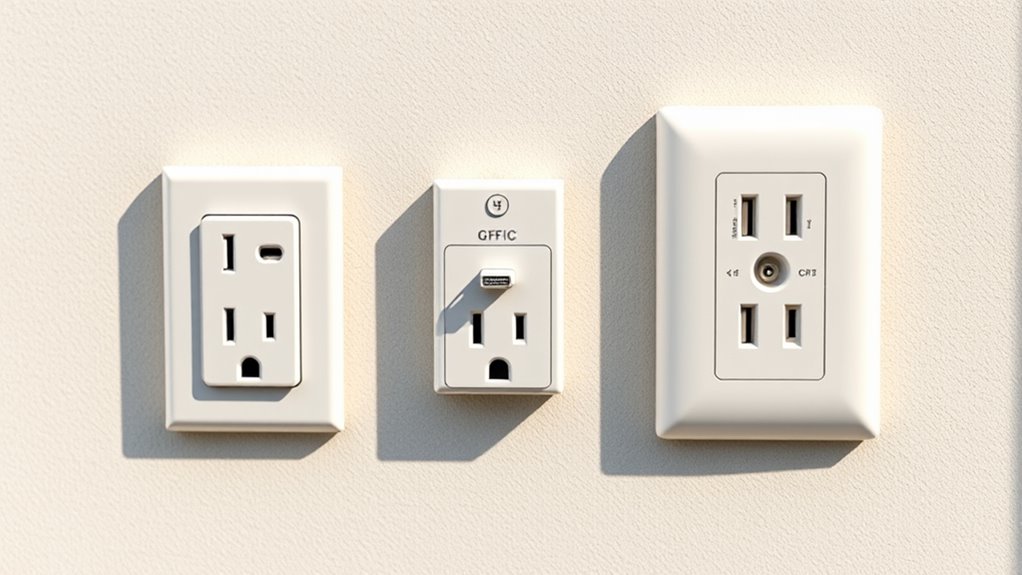
GFCI outlets are essential for your safety, especially in areas prone to moisture. They help prevent electrical shock by cutting off power when they detect a ground fault. If you have outlets in bathrooms, kitchens, or outdoor spaces, installing GFCI outlets is a smart move.
Preventing Electrical Shock
Electrical shock can pose a serious risk in any home, especially in areas prone to moisture like kitchens and bathrooms. To guarantee your safety, implementing effective safety measures is vital. GFCI outlets play a key role in preventing electrical hazards by automatically shutting off power when they detect a fault. Here are some important steps you can take:
- Install GFCI outlets in wet areas
- Regularly test GFCI outlets to verify functionality
- Avoid using electrical devices with wet hands
- Keep electrical cords away from water sources
- Educate family members about electrical safety
- Understand outlet types to ensure proper use and safety
Wet Area Protection
Moisture-laden environments, like bathrooms and kitchens, can turn everyday tasks into potential hazards without the right precautions in place. That’s where GFCI outlets come into play. These devices protect you from electrical shock by quickly shutting off power when they detect a ground fault.
Following wet area guidelines is essential for safe outlet placement. Here’s a quick overview:
| Area | Recommended Outlet Type | Outlet Height |
|---|---|---|
| Kitchen | GFCI | 15-20 inches above counter |
| Bathroom | GFCI | Above sink, 3 feet high |
| Outdoors | GFCI | 12-18 inches above ground |
Installing GFCI outlets not only meets safety standards but also gives you peace of mind while you go about your daily routines. Proper outlet placement can help prevent microplastics in dust from entering your home’s electrical system and causing potential hazards.

Safety 1st OutSmart Outlet Shield
Decoy panel fully covers unused outlets
As an affiliate, we earn on qualifying purchases.
As an affiliate, we earn on qualifying purchases.
The Rise of USB Outlets: Convenience at Your Fingertips
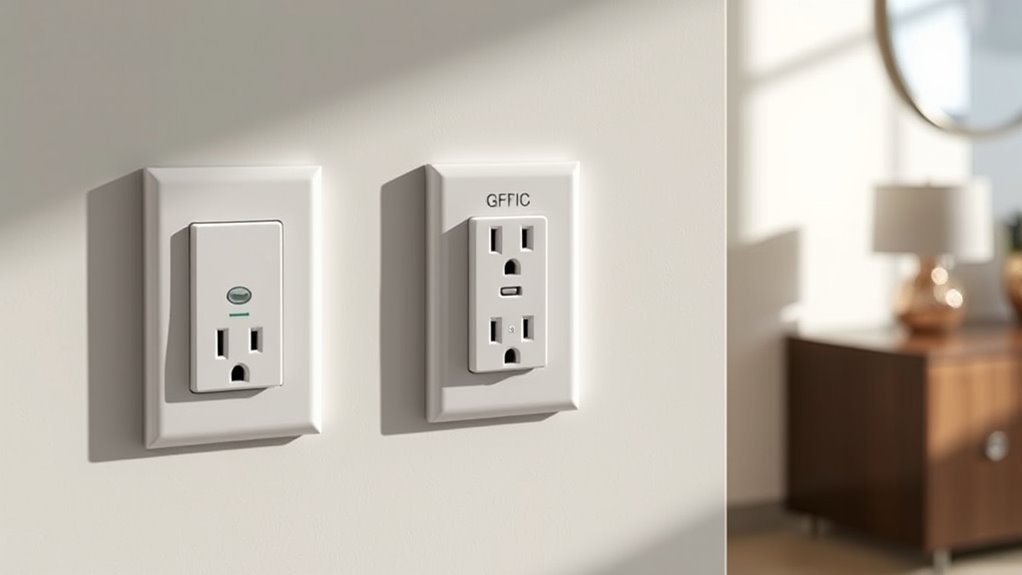
As more devices rely on USB charging, you might find yourself wondering how you ever managed without USB outlets. These outlets have quickly become essential for powering your smart devices seamlessly. With USB outlets, you can charge multiple devices without needing bulky adapters. Understanding electrical safety is important when installing or using these outlets to prevent potential hazards.
USB outlets have become indispensable for effortlessly charging multiple smart devices without the hassle of bulky adapters.
- They’re convenient for bedside charging.
- You can easily connect your smartphone, tablet, or e-reader.
- They free up standard outlets for other appliances.
- USB outlets often provide faster charging speeds.
- Some models even include smart technology for optimizing power flow.
Having USB outlets in your home enhances your charging experience, ensuring you’re always connected and ready to go. Embracing this technology means you’ll never have to fumble with cords again!

Leviton GFCI Weather-Resistant Outlet, 15 Amp, Self Test, Tamper-Resistant with LED Indicator Light, Outdoor Locations, GFWT1-W, White
Designed to improve immunity for reduced High Frequency (HF) nuisance tripping. providing increased compatibility with appliances and other…
As an affiliate, we earn on qualifying purchases.
As an affiliate, we earn on qualifying purchases.
When to Use Different Types of Outlets in Your Home?

With the convenience of USB outlets now a staple in many homes, it’s important to understand when to use different types of outlets for various needs. In areas like kitchens and bathrooms, GFCI outlets are essential to guarantee safety against electrical shocks from water exposure. For living rooms and bedrooms, standard outlets work well for general use. Consider outlet placement carefully; having USB outlets near seating areas can make charging devices easy and efficient. When you’re selecting outlets, verify outlet compatibility with your devices—some gadgets may require specific types for maximum charging. By choosing the right outlets, you create a functional and safe environment tailored to your lifestyle.
Upgrading Your Outlets: A Step-by-Step Guide
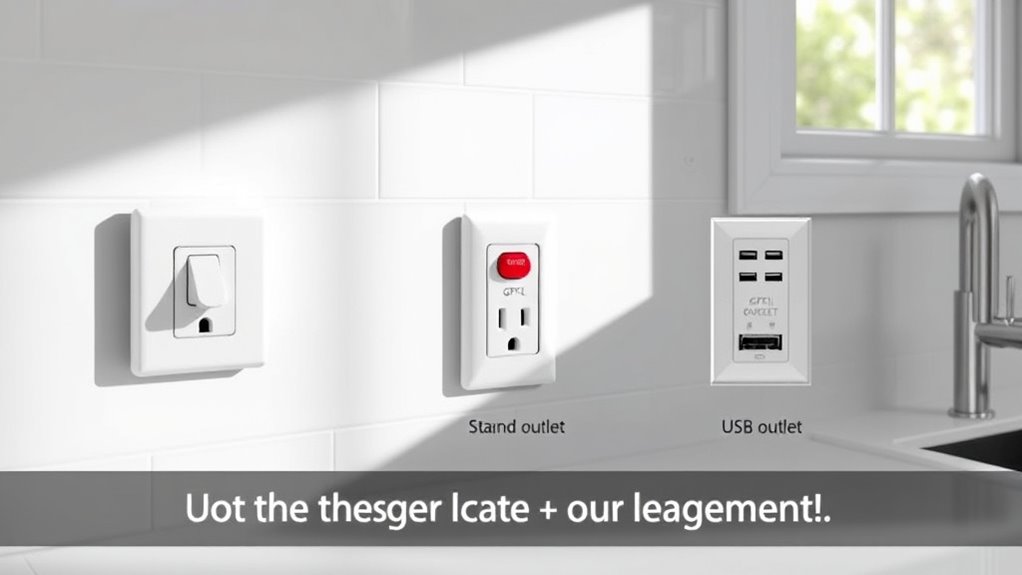
Upgrading your outlets can greatly enhance both the functionality and safety of your home, especially if you’re looking to accommodate modern devices. Start by gathering essential installation tools such as a screwdriver, voltage tester, and wire strippers. Choose high-quality outlet materials, like GFCI or USB outlets, based on your needs. Additionally, selecting the right outlet type can improve your home’s overall safety and convenience, especially since GFCI outlets are recommended for areas prone to moisture. Follow these steps:
- Turn off power at the circuit breaker.
- Remove the old outlet using your screwdriver.
- Connect the new outlet’s wires: black to brass, white to silver, and green to ground.
- Secure the outlet in the wall box.
- Restore power and test the outlet with your voltage tester.
FAQs About Electrical Outlets: Answers to Your Top Questions
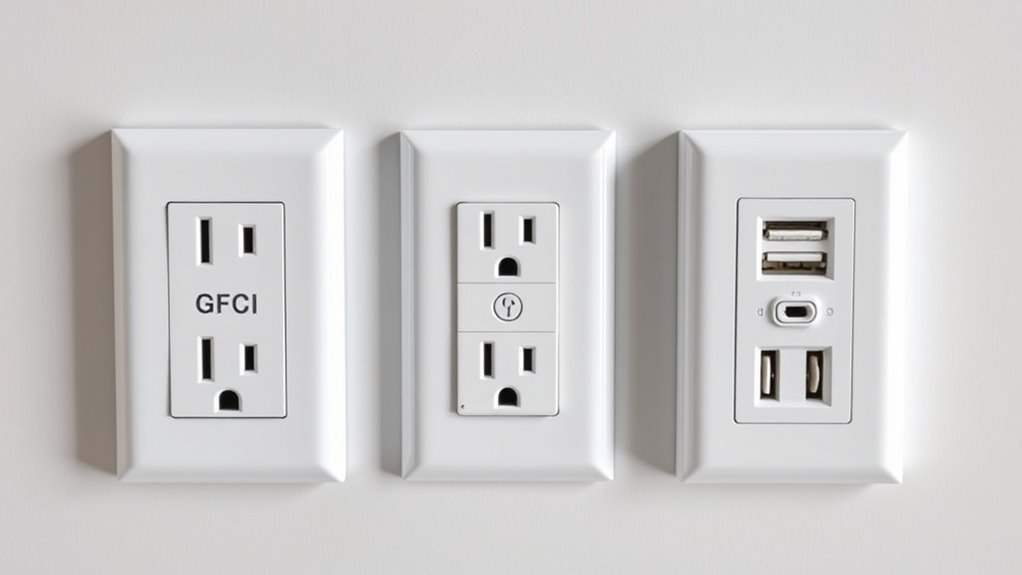
After you’ve successfully upgraded your outlets, you might have lingering questions about their functionality and safety. One common question is about outlet lifespan. Generally, outlets can last anywhere from 10 to 30 years, depending on usage and quality. If you notice signs of wear, like discoloration or sparking, it’s time to replace them.
Another frequent concern is outlet compatibility. It’s essential to verify that your devices and appliances match the outlet type you’ve installed. For instance, a standard outlet won’t work for a GFCI or USB outlet without proper adapters. Always check the specifications before plugging in devices to avoid damage. Staying informed helps you maintain both safety and efficiency in your home.
Understanding Standard Outlets: The Basics
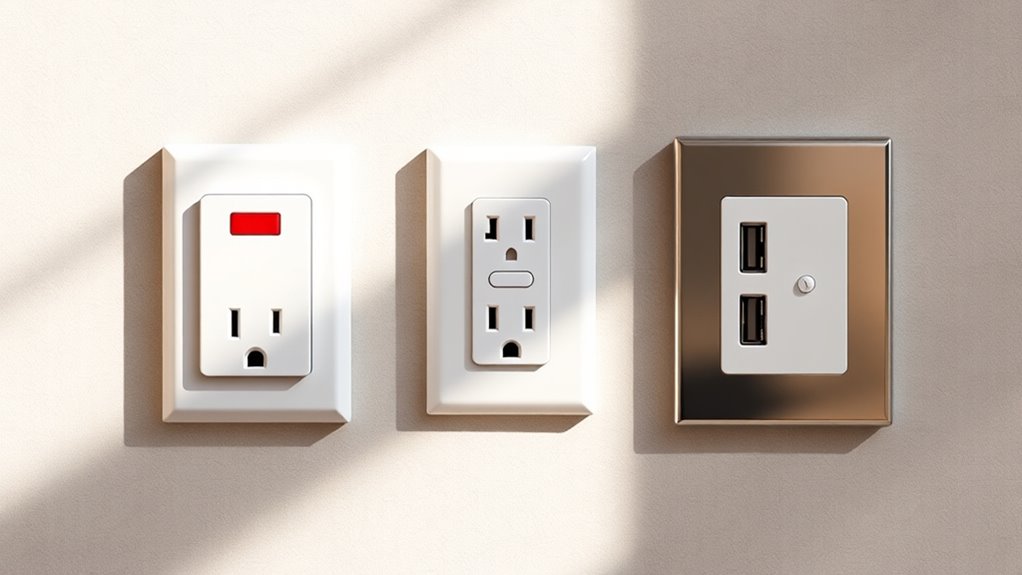
Standard outlets are essential components in your home, powering everything from lamps to kitchen appliances. Understanding their structure and common uses helps you make informed choices about your electrical needs. Let’s explore what makes these outlets so versatile and how they fit into your daily life.
Components Of Standard Outlets
When you plug in your devices, you might not consider the intricate components that make standard outlets function effectively. Understanding standard outlet components can enhance your knowledge of outlet wiring basics, ensuring you use them safely and efficiently. Here are some key components to recognize:
- Faceplate: The visible cover that protects the wiring inside.
- Receptacle: The part where you insert plugs, typically with two or three holes.
- Grounding Terminal: Provides a path for electrical current to prevent shock.
- Hot and Neutral Terminals: Carry electricity to and from the device.
- Internal Wiring: Conducts electricity from the wall to the receptacle.
Familiarizing yourself with these components can help you troubleshoot issues and understand how they work together.
Common Applications And Uses
While you might think of outlets as simple tools for powering your devices, they actually serve a variety of essential applications in everyday life. In your home, standard outlets are vital for common household uses like charging phones, powering appliances, and running entertainment systems. You rely on them for everyday tasks, making your life more convenient. Additionally, understanding different outlet types can help ensure you choose the right one for home safety and practical needs. For example, GFCI outlets are designed to prevent electrical shocks in wet areas like bathrooms and kitchens. They are equipped with ground-fault circuit interrupters that quickly shut off power to prevent shocks. Outside, standard outlets can be just as important for outdoor applications, such as powering tools for gardening or lighting up your patio for evening gatherings. They can also support outdoor decorations during the holidays. By understanding these applications, you can better appreciate how electrical safety features contribute to household safety and help you prevent accidents and protect your household.
Frequently Asked Questions
Can I Replace a Standard Outlet With a GFCI Outlet Myself?
Yes, you can replace a standard outlet with a GFCI outlet yourself, but make certain you prioritize wiring safety. First, turn off the power at the breaker. Remove the old outlet and note the wiring connections. Follow the installation tips provided with the GFCI outlet, connecting the wires correctly to avoid hazards. Once installed, test the GFCI to confirm it functions properly before restoring power. Always consult a professional if you’re unsure.
Are USB Outlets Compatible With All USB Devices?
Like a key fitting into a lock, USB outlets generally work with most USB devices, guaranteeing USB compatibility. However, the charging speed may vary depending on the outlet’s specifications and the device’s requirements. Some outlets provide faster charging options, while others might not deliver enough power for certain devices. Always check your device’s needs and the outlet’s capabilities to guarantee peak performance and avoid any surprises during your charging sessions.
How Many Devices Can I Plug Into a USB Outlet?
You can typically plug in two to four devices into a USB outlet, depending on its capacity. Each outlet has a maximum power output, so the more devices you connect, the slower the charging speed may become. If you’re using a high-capacity USB outlet, you’ll likely maintain decent charging speeds for multiple devices. Always check the outlet’s specifications to verify it can handle your devices without compromising performance.
Do GFCI Outlets Require Special Wiring?
GFCI outlets don’t require special wiring, but they do have specific wiring requirements you need to follow! Imagine having the power to protect yourself from electrical shock—GFCIs offer that! When you install one, make sure to connect the line and load wires correctly. It’s essential for proper function. For GFCI installation tips, always double-check your connections and guarantee you’re on a dedicated circuit to maximize safety and efficiency.
Can I Use GFCI Outlets Outdoors?
Yes, you can use GFCI outlets outdoors. In fact, GFCI installation is recommended for outdoor areas to enhance safety. These outlets protect against electrical shock by shutting off power if they detect a ground fault. When you install one outside, make sure it’s weatherproof and properly covered to withstand the elements. This way, you’ll guarantee outdoor safety while using electrical devices in your yard or garden without worry.
Conclusion
In the world of electrical outlets, think of standard, GFCI, and USB outlets as the different tools in a toolbox. Each serves a specific purpose, ensuring your home runs smoothly and safely. By understanding when and where to use each type, you can enhance convenience and protect your space. So, whether you’re plugging in a lamp, charging your phone, or ensuring safety in wet areas, you’re equipped to make the best choice for your needs.