Stud spacing is key to building strong, stable walls. The common 16-inch on center spacing balances support and material efficiency, while 12-inch spacing is better for heavy loads or large fixtures. Wider gaps, like 24 inches, save costs but may weaken the wall’s support. Proper spacing guarantees your wall can handle weight, resist forces, and look smooth. Keep exploring to discover the best spacing options for your project and how they affect safety and durability.

Get the little things that make your day delivered free with Prime
- Fast, free delivery on millions of items
- Prime Video, Amazon Music and more included
- Member-only deals all year
Key Takeaways
- Stud spacing affects wall strength, stability, and load-bearing capacity, with common options being 12″, 16″, and 24″ on center.
- Closer spacing (12″) offers enhanced support for heavy loads and improves attachment and finish quality.
- Wider spacing (24″) reduces material costs but may weaken support for fixtures and compromise wall integrity.
- Proper framing, aligned with building codes, ensures safety, prevents weak spots, and maintains wall durability.
- Planning stud spacing carefully balances cost, labor, and long-term stability for efficient and sturdy construction.
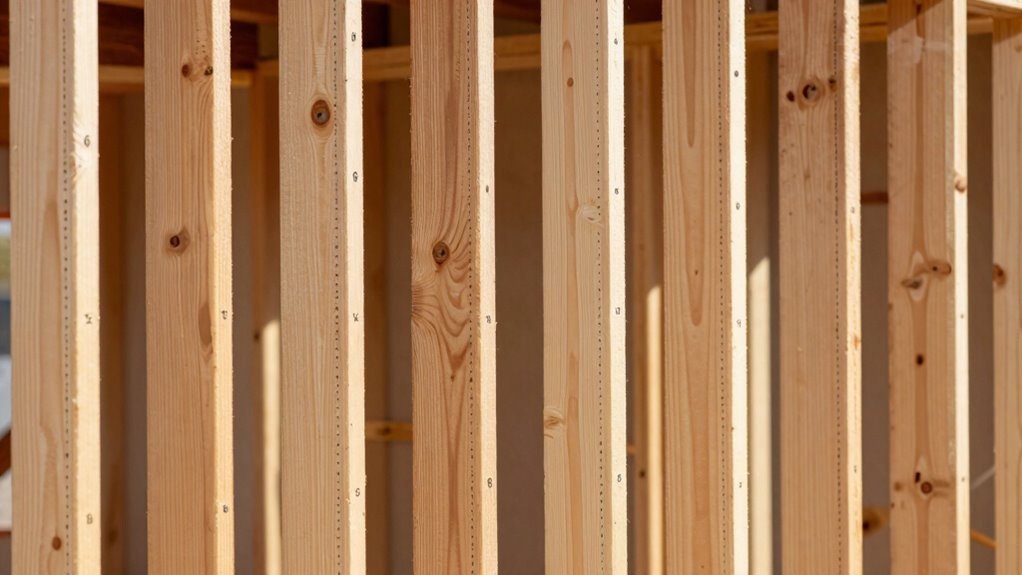
Have you ever wondered how the spacing of studs affects the strength and stability of a wall? The way you space your studs directly influences how well the wall can bear loads, resist forces, and support fixtures. When you choose the right stud spacing, you’re applying effective framing techniques that enhance overall wall reinforcement. Conventional spacing, typically 16 inches on center, offers a good balance between material efficiency and strength, making it a popular choice in residential framing. This spacing provides enough support to distribute load evenly, ensuring your wall can handle weight and stress without sagging or buckling over time.
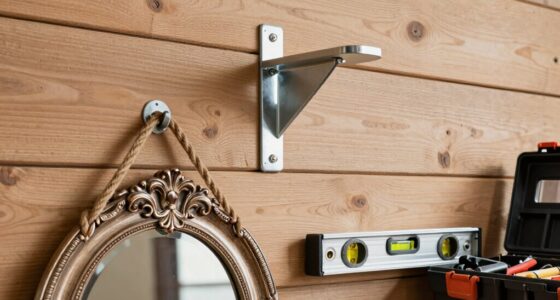
However, depending on what you’re constructing, you might consider adjusting the spacing. For heavier loads or special applications, such as supporting large windows or heavy shelving, closer spacing—like 12 inches on center—may be necessary. Closer spacing increases the number of studs, which improves wall reinforcement and load distribution. Conversely, for non-load-bearing interior partitions, 24 inches on center might suffice, reducing material costs and simplifying the framing process. But keep in mind, wider spacing can compromise the wall’s ability to support fixtures or resist lateral forces, so it’s essential to understand your specific needs.
The choice of stud spacing also impacts how you attach drywall, siding, or other wall coverings. Closer spacing provides more attachment points, resulting in a smoother finish and reducing the risk of cracks or bowing. It’s worth noting that building codes often specify minimum stud spacing to ensure safety and durability, so always check local regulations before framing your wall. Proper framing techniques, including accurate stud placement, aren’t just about aesthetics—they’re vital for wall reinforcement. Misaligned or uneven spacing can create weak spots, making your wall less stable and more vulnerable to damage. Additionally, understanding building codes helps ensure your construction meets safety standards and avoids costly modifications later.
Furthermore, the spacing of studs influences the overall cost and labor involved in construction. More studs mean more material and extra work, but skipping proper framing can lead to costly repairs down the line. When you plan your stud layout carefully, you’re ensuring your wall has the necessary strength and stability for years to come. Understanding stud spacing and its impact on structural integrity helps you make smarter decisions that lead to a safer, more durable wall that meets your specific project requirements. Proper planning of framing techniques also plays a crucial role in streamlining construction and reducing waste. Being aware of the local building codes can also prevent costly rework or violations later in the construction process.
As an affiliate, we earn on qualifying purchases.
Frequently Asked Questions
How Does Stud Spacing Affect Wall Insulation?
Stud spacing directly impacts wall insulation by influencing its effectiveness and overall energy efficiency. When studs are spaced too far apart, insulation gaps may form, reducing thermal performance and increasing heating or cooling costs. Proper spacing guarantees the insulation fits snugly between studs, maximizing its insulating properties. This helps you achieve better energy efficiency, lower utility bills, and a more comfortable indoor environment by preventing heat loss or gain through gaps in the wall.
What’s the Best Stud Spacing for Soundproofing?
For soundproofing, you should space your studs 16 inches apart to maximize the effectiveness of insulation materials and reduce sound transmission. This spacing allows you to install thicker insulation and decorative wall panels more easily, enhancing sound absorption. Using dense insulation materials like mineral wool or acoustic panels between the studs further improves soundproofing. Proper spacing guarantees your wall is both sound-resistant and visually appealing, creating a quieter, more comfortable space.
Can Irregular Stud Spacing Cause Structural Issues?
Irregular stud spacing can weaken your home’s frame, much like uneven bricks compromise a wall’s strength. Poor stud alignment affects frame stability, risking structural issues over time. I once saw a project where inconsistent stud placement caused sagging ceilings. To prevent this, guarantee proper stud spacing and alignment during framing. When studs are correctly spaced, your structure maintains its integrity and safety, avoiding costly repairs later.
How Do I Measure Stud Spacing Accurately?
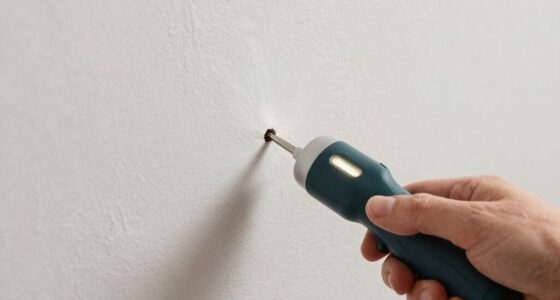
To measure stud spacing accurately, you should start by using a tape measure or a stud finder with measurement capabilities. Follow stud spacing guidelines to guarantee proper placement, typically 16 or 24 inches apart on center. Mark each stud’s position as you go, and double-check your measurements. Using a level can help confirm straight lines, ensuring your measurements are precise and your wall framing is correctly aligned.
Does Stud Spacing Impact Electrical Wiring Installation?
Yes, stud spacing impacts electrical wiring installation considerably. Research shows that 16-inch on-center spacing is common, facilitating easier wiring and reducing hazards. Proper stud spacing enhances electrical safety by ensuring wires aren’t cramped, which minimizes fire risks. It also improves wiring flexibility, allowing you to run cables smoothly and securely without unnecessary bends or stress. Correct spacing keeps your electrical system safe, efficient, and compliant with building codes.
drywall drywall screws for stud attachment
As an affiliate, we earn on qualifying purchases.
As an affiliate, we earn on qualifying purchases.
Conclusion
Understanding stud spacing is like finding the perfect rhythm in a song; it keeps everything in harmony. When you space your studs correctly, your walls become strong and stable, supporting your home’s structure effortlessly. Remember, whether you’re working on a small project or a big one, paying attention to stud spacing guarantees safety and durability. So, take your time, measure twice, and build with confidence—your walls will thank you for it, just like a well-tuned instrument.
As an affiliate, we earn on qualifying purchases.
As an affiliate, we earn on qualifying purchases.
Halloween Picks
halloween
As an affiliate, we earn on qualifying purchases.