When choosing tiles, it’s important to know the differences between porcelain, ceramic, and natural stone. Porcelain is durable, water-resistant, and ideal for high-traffic areas, while ceramic offers versatility at a budget-friendly price but isn’t as strong. Natural stone adds luxurious beauty but requires more maintenance and sealing. Each tile type shines in different applications, so consider your space’s needs before deciding. Continue exploring to get insights on durability, best uses, and cost considerations.
Key Takeaways
- Porcelain tiles are dense, water-resistant, and ideal for high-traffic areas due to their durability and low water absorption.
- Ceramic tiles are budget-friendly and versatile, suitable for various indoor applications, especially bathroom walls.
- Natural stone tiles offer unique aesthetics and longevity but require sealing and more maintenance to prevent stains and moisture.
- Porcelain excels in outdoor settings with freeze tolerance, while natural stone is weather-resistant but needs careful maintenance for optimal performance.
- Cost considerations include material price, installation expenses, and long-term maintenance, impacting overall project budgeting significantly.
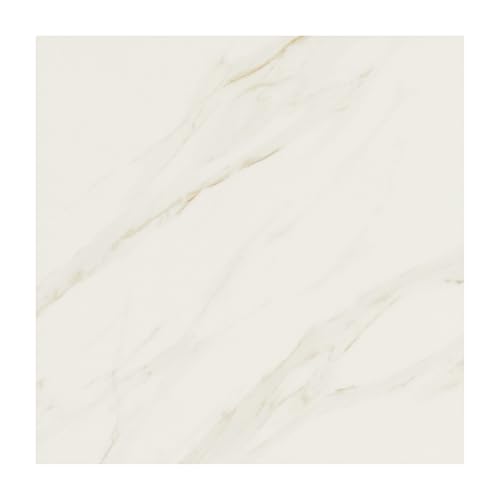
Daltile Florentine 12" X 12" Glazed Porcelain Floor Tile in Carrara (13 PC Per Carton) (12.22 SQFT Per Carton)
Each color emulates a unique and striking replication of natural marble and stone with Reveal Imaging
As an affiliate, we earn on qualifying purchases.
As an affiliate, we earn on qualifying purchases.
Porcelain vs. Ceramic vs. Natural Stone: What’s the Difference?
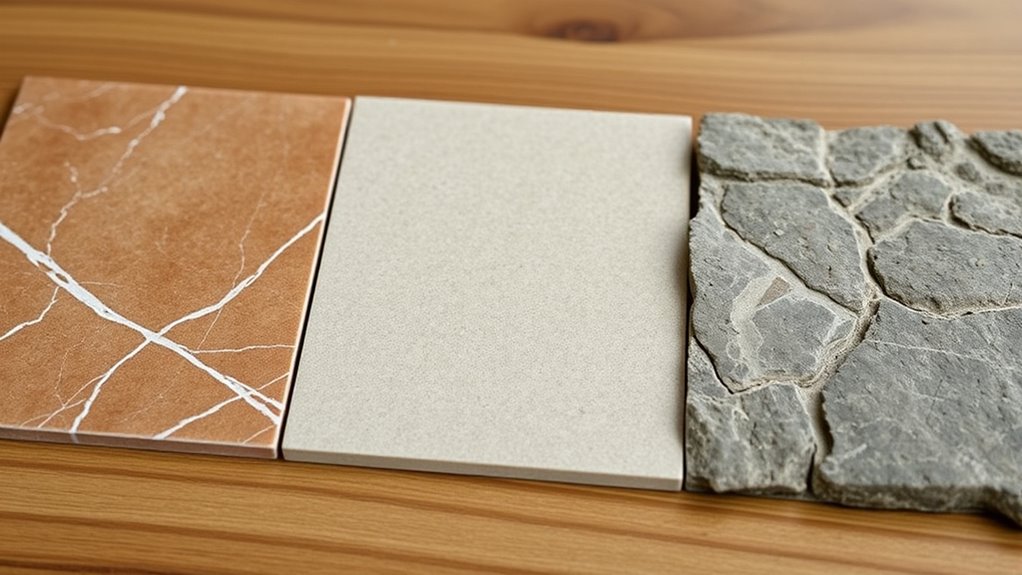
When it comes to choosing the right tile for your space, understanding the differences between porcelain, ceramic, and natural stone is essential. Porcelain characteristics include being dense and water-resistant, making it a great choice for high-moisture areas. Ceramic tiles offer a range of textures, giving you options for stylish designs while remaining budget-friendly. On the other hand, natural stone varieties, like marble and granite, add a luxurious touch but require more careful maintenance due to their porous nature. When considering tile maintenance, remember that porcelain is the easiest to clean, while natural stone needs sealing to prevent stains. By knowing these differences, you can make a more informed decision that suits your needs and aesthetic preferences.

Creative Hobbies 12 Pack of Glossy White Glazed Ceramic Tiles for Alcohol Ink Painting, Decorating, Arts & Crafts, 4.25 x 4.25 Inch Square, Ready-to-Paint Ceramics
🎨 VALUE PACK: 12 high-quality glossy white ceramic bisque tiles, perfect for a variety of decorating techniques including…
As an affiliate, we earn on qualifying purchases.
As an affiliate, we earn on qualifying purchases.
Composition and Manufacturing of Each Tile Type
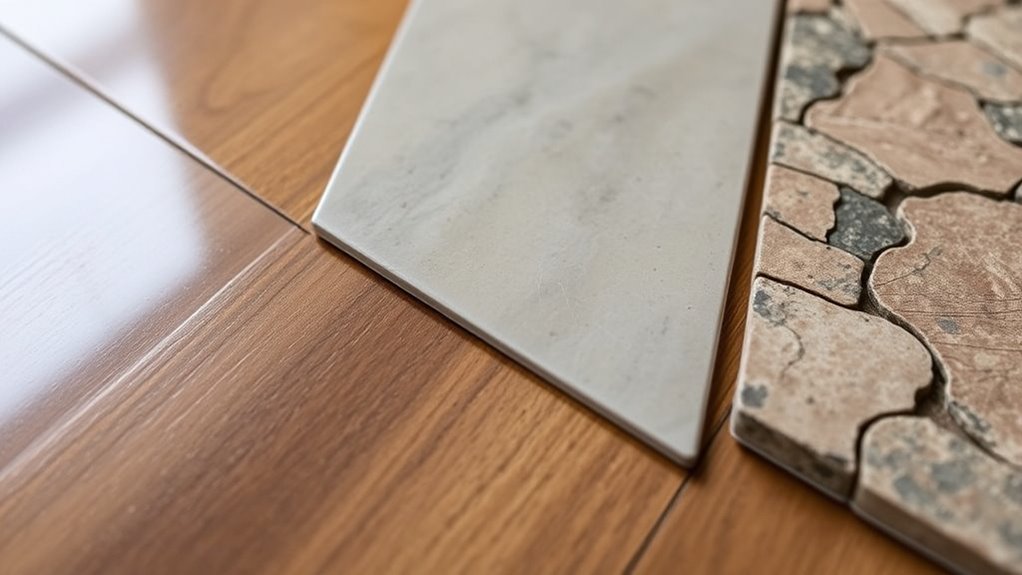
Understanding the composition and manufacturing processes of each tile type can help you make a more informed choice for your project. Porcelain tiles are made from a mixture of fine clays and minerals, fired at high temperatures, resulting in a dense, durable product. Ceramic tiles, on the other hand, use earthenware clay, which is fired at lower temperatures, making them less dense than porcelain. Natural stone tiles, like marble or granite, come directly from the earth and require cutting and finishing to create usable tiles. Each type’s tile composition influences its appearance, durability, and suitability for various applications. By grasping these manufacturing processes, you’ll be better equipped to select the right tile for your needs.

SUNWINGS 5-Sheet Peel and Stick Mosaic Natural 3D Stone Self Adhesive Marble Tiles, 11.5" x 10.7" Stick on Backsplash for Kitchen Bathroom Fireplace Vanity, Mixed Gray
Natural Stone Tile – These are peel and stick backsplash tiles, made of natural stone, fade-resistant, scratch-resistant, and…
As an affiliate, we earn on qualifying purchases.
As an affiliate, we earn on qualifying purchases.
Advantages and Disadvantages of Porcelain, Ceramic, and Natural Stone Tiles
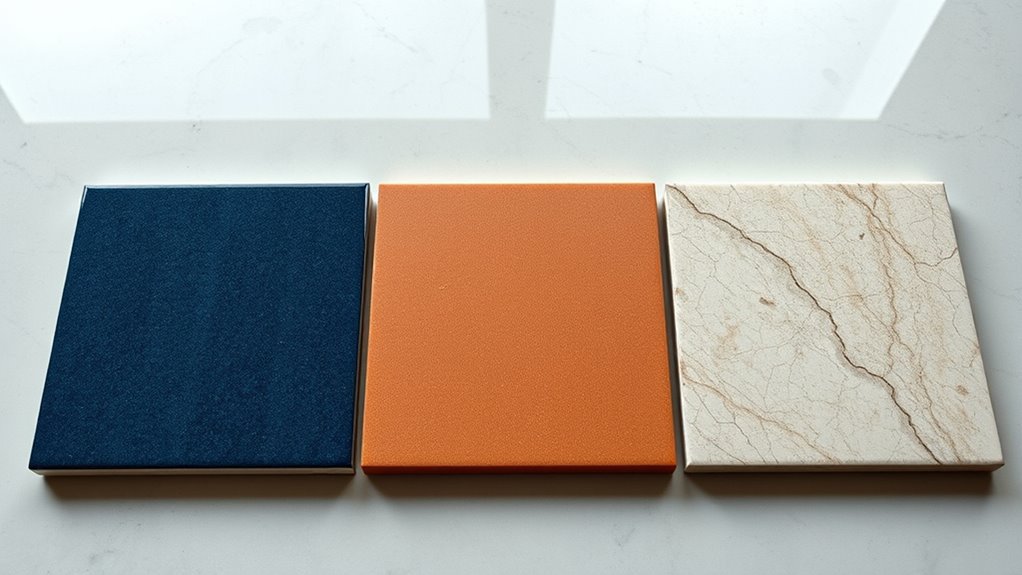
Each tile type comes with its own set of advantages and disadvantages that can impact your decision. Porcelain advantages include its durability and water resistance, making it ideal for high-traffic areas. However, porcelain drawbacks include a higher price point and potential difficulty in cutting. Ceramic disadvantages often involve lower durability, which may not suit heavy use, though ceramic applications can be versatile for walls and light floors. Natural stone benefits, such as unique aesthetics and longevity, can elevate your space, but natural stone costs can be considerably higher and require more maintenance. Weighing these factors will help you choose the right tile type for your needs and budget.

Eventile 1/8" Large Format Porcelain Tile Spacer and Natural Stone Paver Spacer 100 Units
As an affiliate, we earn on qualifying purchases.
As an affiliate, we earn on qualifying purchases.
Choosing the Right Aesthetic for Your Space
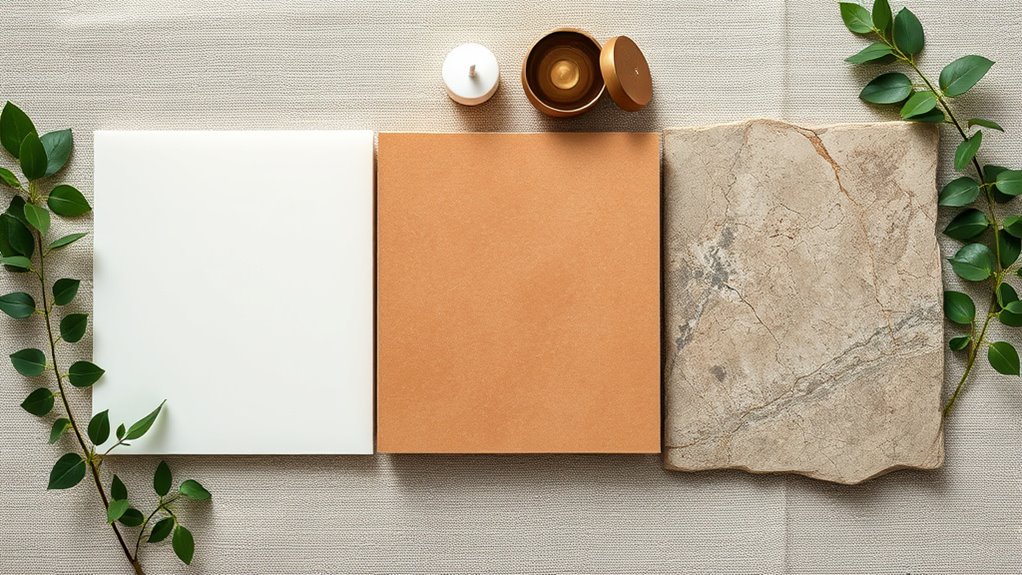
How do you envision your space transforming with the right tile aesthetic? Selecting tiles that resonate with your color schemes and design themes can elevate your environment. Think about how different hues and patterns can create moods—calming, vibrant, or sophisticated. Incorporating creative home decor ideas can further enhance your space by blending functionality with style. When you choose tiles that align with your vision, you set the stage for the atmosphere you want to create. Embracing tile material options allows you to explore various textures and finishes that can significantly impact your overall design. Exploring tile durability ensures your choices will stand the test of time, adding both beauty and longevity to your space. Considering cleaning and maintenance techniques can help preserve your tile’s appearance and extend its lifespan. Let your aesthetic reflect your personal style!
How Durable Are Porcelain, Ceramic, and Natural Stone Tiles?
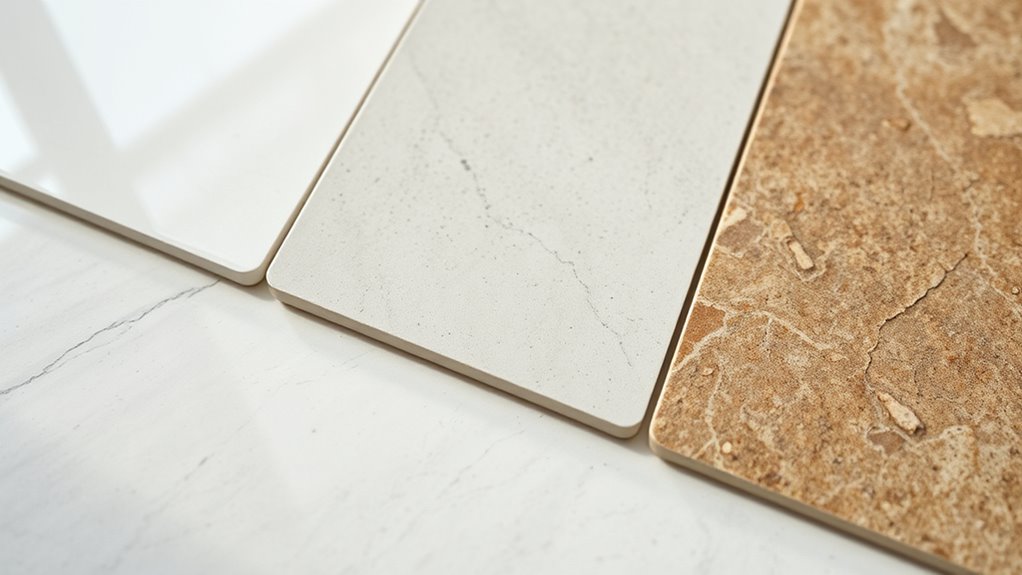
When it comes to tile durability, understanding the differences between porcelain, ceramic, and natural stone is vital. You’ll find that porcelain tiles offer impressive strength, while ceramic tiles can vary in resilience. Natural stone brings its own unique durability traits, making it essential to choose the right type for your specific needs.
Porcelain Tile Durability Factors
Porcelain tile stands out for its impressive durability, making it a popular choice for both residential and commercial spaces. Its resistance to moisture and staining stems from low water absorption rates. The various glaze types also enhance its strength, allowing it to withstand heavy foot traffic and impacts.
| Durability Factor | Porcelain Tile | Ceramic Tile | Natural Stone |
|---|---|---|---|
| Water Absorption | < 0.5% | 0.5% – 3% | 1% – 10% |
| Scratch Resistance | High | Moderate | Varies |
| Stain Resistance | High | Moderate | Low |
| Fade Resistance | High | Moderate | Varies |
Choosing porcelain tile means you’re investing in a long-lasting flooring option that maintains its beauty and functionality over time.
Ceramic Tile Strength Comparison
While selecting the right flooring, understanding the strength of different tile options can help you make an informed choice. When it comes to ceramic tile strength, it typically offers a decent balance between durability and affordability. Ceramic tiles are less dense than porcelain and, although they can withstand everyday wear, they may not hold up as well in high-traffic areas. Tile strength testing shows that ceramic tiles score lower on the PEI scale compared to porcelain, making them less ideal for heavy use. However, they’re still a solid choice for residential applications. If you want a stylish look without breaking the bank, ceramic tiles could be right for you, provided you keep their limitations in mind. Additionally, understanding tile durability factors can help you select the best material for your specific needs.
Natural Stone Resilience Insights
Choosing the right tile involves understanding how different materials stand up to wear and tear. Natural stone tiles, like granite and marble, are incredibly durable and resilient, making them suitable for various applications, from kitchens to bathrooms. They can handle heavy foot traffic and resist scratching better than many ceramics. However, you’ll need to take into account natural stone maintenance since they can be porous, requiring sealing to prevent stains and moisture penetration. Regular cleaning with pH-neutral solutions can keep them looking beautiful. Additionally, natural stone’s unique aesthetic qualities contribute to their timeless appeal and can complement various interior styles. Their weather resistance also makes them a good choice for outdoor spaces. While they may be more expensive upfront, their longevity and timeless appeal often justify the investment. Ultimately, evaluating your lifestyle and the specific demands of your space will guide you in selecting the perfect tile material.
Best Uses for Porcelain, Ceramic, and Natural Stone Tiles

When choosing tiles for your space, consider where you’ll use them. Porcelain and ceramic tiles shine in indoor settings, while natural stone offers unique beauty and durability for both indoor and outdoor applications. Understanding these characteristics will help you make the best choice for your specific needs.
Ideal Indoor Applications
Tiles can transform indoor spaces in various ways, with porcelain, ceramic, and natural stone offering distinct advantages for different applications. Choosing the right tile can elevate your home’s aesthetic and functionality. Here are some ideal uses:
- Porcelain is perfect for kitchen floors due to its durability and moisture resistance.
- Ceramic tiles work well on bathroom walls, providing a variety of styles and colors while being easy to clean.
- Natural stone can add elegance to living areas or entryways, though it may require more maintenance.
Outdoor Durability Considerations
While selecting the right tile for outdoor spaces, it’s essential to evaluate factors like durability, weather resistance, and slip resistance. Porcelain tiles are a top choice due to their high density, offering excellent weather resistance and freeze tolerance, making them ideal for areas with harsh climates. Ceramic tiles, while less dense, can still work for covered patios or mild climates, but might not withstand extreme weather as well. Natural stone tiles, like slate or granite, provide a timeless look but require sealing to enhance their weather resistance and durability. When choosing, consider your local climate and the tile’s ability to handle moisture, temperature fluctuations, and foot traffic to guarantee your outdoor space remains beautiful and functional year-round.
Cost Considerations for Your Tile Project
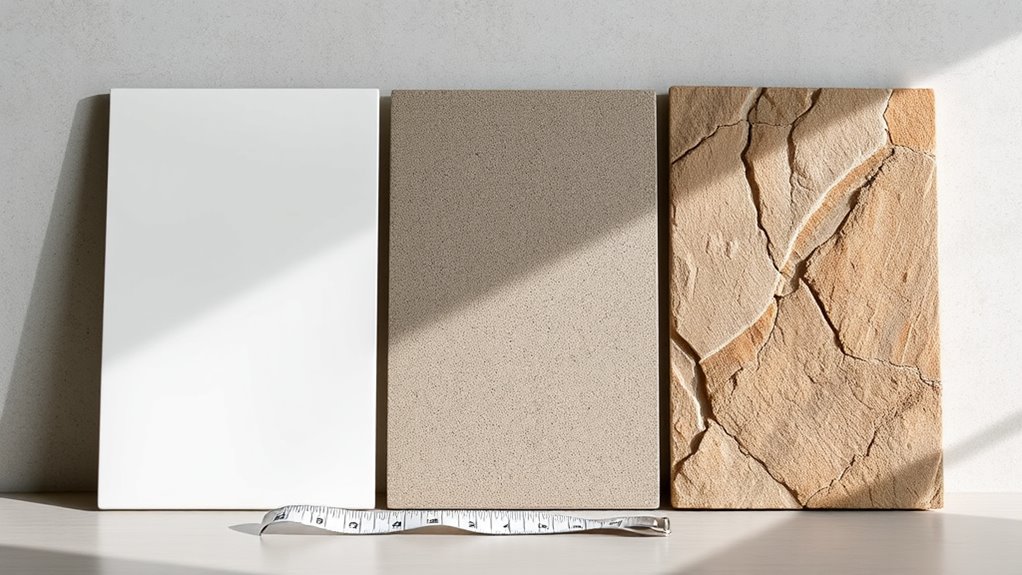
As you plan your tile project, understanding the costs involved can help you make informed decisions. Effective budget planning is essential, as it sets the stage for what you can realistically afford. Here are a few key expenses to take into account:
- Material Costs: Porcelain and ceramic tiles often have lower price points compared to natural stone.
- Installation Expenses: Hiring a professional can increase costs considerably, so weigh your options carefully.
- Maintenance Costs: Some tiles require more upkeep, impacting your long-term budget.
Frequently Asked Questions
Can I Install Tile Over Existing Flooring?
Yes, you can install tile over existing flooring, but you need to guarantee proper flooring preparation first. Check the compatibility of your existing floor with the new tile. Make sure it’s sturdy, clean, and level. Remove any loose or damaged sections and address any height differences. It’s essential to use an appropriate underlayment if needed, as this will provide the necessary support and prevent issues down the line. Always follow manufacturer guidelines for best results.
How Do I Properly Clean and Maintain My Tiles?
To properly clean and maintain your tiles, start by sweeping or vacuuming regularly to remove dirt and debris. For tile cleaning, use a mild detergent mixed with warm water, and mop the surface, avoiding excessive moisture. Rinse with clean water to prevent residue buildup. For grout, a baking soda and vinegar paste works wonders. Finally, seal your tiles periodically for added protection, ensuring longevity and keeping them looking fresh and vibrant.
Are There Eco-Friendly Tile Options Available?
Yes, there are plenty of eco-friendly tile options available! You can find tiles made from recycled materials, which help reduce waste and environmental impact. Look for products that emphasize sustainable sourcing, ensuring the materials are responsibly harvested. Brands are increasingly offering options that meet these criteria, providing stylish choices without compromising your eco-conscious values. So, when you choose your tiles, keep an eye out for those sustainable options to make a positive impact.
What Type of Grout Works Best With Each Tile?
Choosing the right grout can make or break your tile project. For porcelain tiles, opt for a polymer-modified grout that resists moisture and stains. With ceramic, you’ll want a standard grout, while natural stone typically requires a sanded grout for better adhesion. Don’t forget about grout colors; they can dramatically affect the overall look. A contrasting color can highlight the tiles, while a matching shade creates a seamless appearance. Which style speaks to you?
How Can I Prevent Tile Cracking or Chipping?
To prevent tile cracking or chipping, guarantee you properly prepare the surface during tile installation. Use a level substrate and avoid uneven spots that can cause stress. Choose tiles with high impact resistance for high-traffic areas, and use appropriate underlayment for added support. Additionally, maintain consistent temperature and humidity levels in your space, which helps reduce expansion and contraction, minimizing the risk of damage to your tiles over time.
Conclusion
In the end, choosing between porcelain, ceramic, and natural stone tiles isn’t just about looks; it’s about finding the perfect fit for your space and lifestyle. Think of it like picking a trusty pair of shoes—some are stylish, while others are built for comfort. By weighing the pros and cons of each type, you’ll not only enhance your home’s aesthetic but also create a functional environment that suits your needs. Happy tiling!