Wall anchors are essential for securely mounting items on your walls, and they come in three main types: toggle, molly, and plastic. Toggle anchors expand behind the wall for heavy items (30-50 lbs), while molly anchors offer stability for medium weights (25-40 lbs). Plastic anchors are best for lightweight fixtures (10-20 lbs). Each type has its own installation techniques and weight limits. You’ll discover more about how to choose and use them effectively.

Get the little things that make your day delivered free — and shop member deals
- Fast, free delivery on millions of items
- Access to Prime Big Deal Days deals on October 6–7
- Prime Video, Amazon Music and more included
Key Takeaways
- Toggle Anchors are ideal for heavy items (30-50 lbs) as they expand behind the wall for secure mounting.
- Molly Anchors accommodate medium-weight objects (25-40 lbs) and provide stability by collapsing the sleeve during installation.
- Plastic Anchors are suited for lightweight fixtures (10-20 lbs) and require simple drilling and direct screwing for installation.
- Each anchor type has specific installation techniques vital for effective usage and ensuring load-bearing stability.
- Regular maintenance and inspections are crucial to ensure anchors remain secure and prevent wall damage over time.
toggle wall anchors for heavy items
As an affiliate, we earn on qualifying purchases.
As an affiliate, we earn on qualifying purchases.
Types of Wall Anchors: Which One Do You Need?

When you’re hanging items on your walls, knowing which type of wall anchor to use can make all the difference. Two common types are toggle anchors and molly anchors. Toggle anchors are ideal for heavier items, as they expand behind the wall, providing sturdy support. They’re perfect for things like shelves or large pictures. On the other hand, molly anchors work well for medium-weight items. They create a secure hold by expanding when you screw them in, making them suitable for mirrors and smaller frames. If you’re uncertain which to choose, consider the weight of your item and the wall material. Using the right anchor guarantees your items stay securely in place without damaging your walls.
molly wall anchors for medium weight shelves
As an affiliate, we earn on qualifying purchases.
As an affiliate, we earn on qualifying purchases.
How to Install Wall Anchors: Step-by-Step Guide
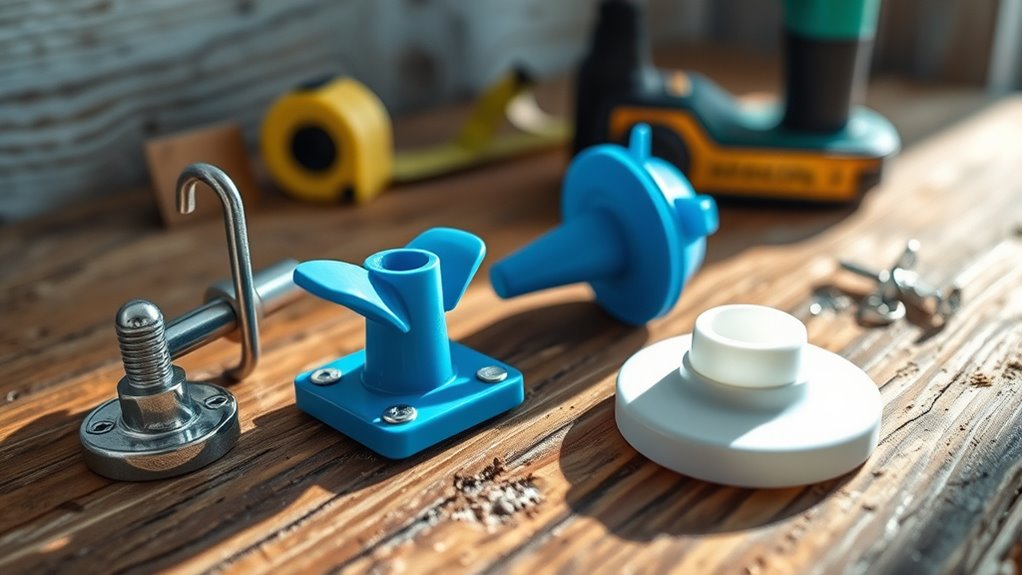
Installing wall anchors might seem challenging, but it’s a straightforward process that you can tackle with just a few tools. Here’s how to do it:
- Gather your installation tools: You’ll need a drill, screwdriver, and a level.
- Determine anchor depth: Measure the thickness of the wall to select the right anchor length.
- Drill the hole: Use the appropriate drill bit size to create a hole for your wall anchor.
Once you’ve drilled, insert the anchor and make sure it’s flush against the wall. Finally, screw in your desired fixture, ensuring it’s secure. With these simple steps, you’ll have reliable anchors ready to hold your items safely. Happy installing!
plastic wall anchors for lightweight pictures
As an affiliate, we earn on qualifying purchases.
As an affiliate, we earn on qualifying purchases.
Troubleshooting Common Wall Anchor Issues: Solutions and Best Practices
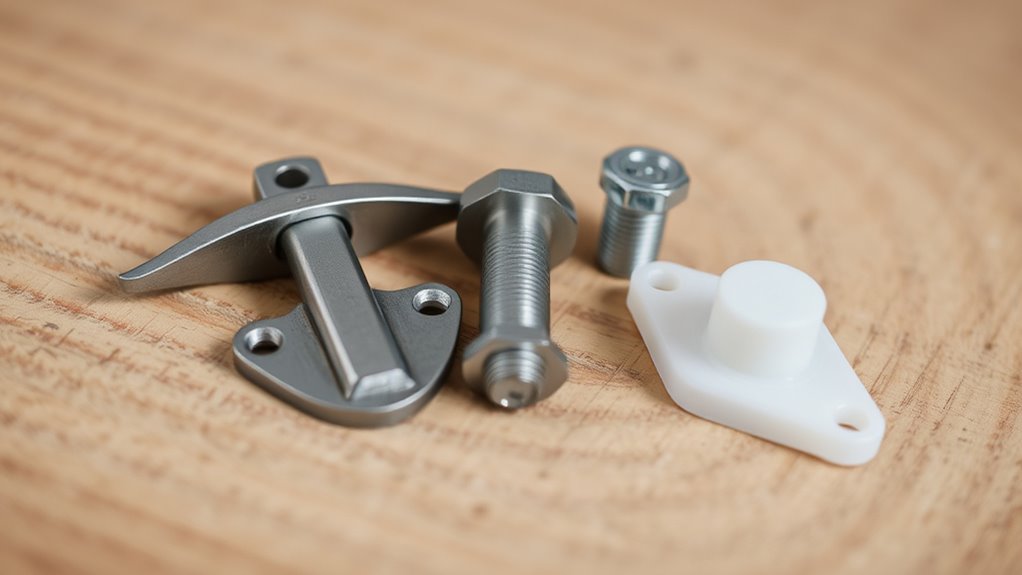
Even the most careful installations can lead to problems with wall anchors, so knowing how to troubleshoot these issues is essential. One of the most common problems is a loose anchor, which typically happens if the hole is too big or the anchor isn’t the right type for your wall. An effective solution is to replace it with a larger anchor or use a different style better suited for your wall type. Another issue is anchors pulling out under weight. To address this, verify you’re not exceeding the weight limit and consider adding more anchors for support. Finally, if your anchors spin in the wall, remove them and install new ones correctly to guarantee a secure fit.
As an affiliate, we earn on qualifying purchases.
What You Need to Know About Molly Anchors?
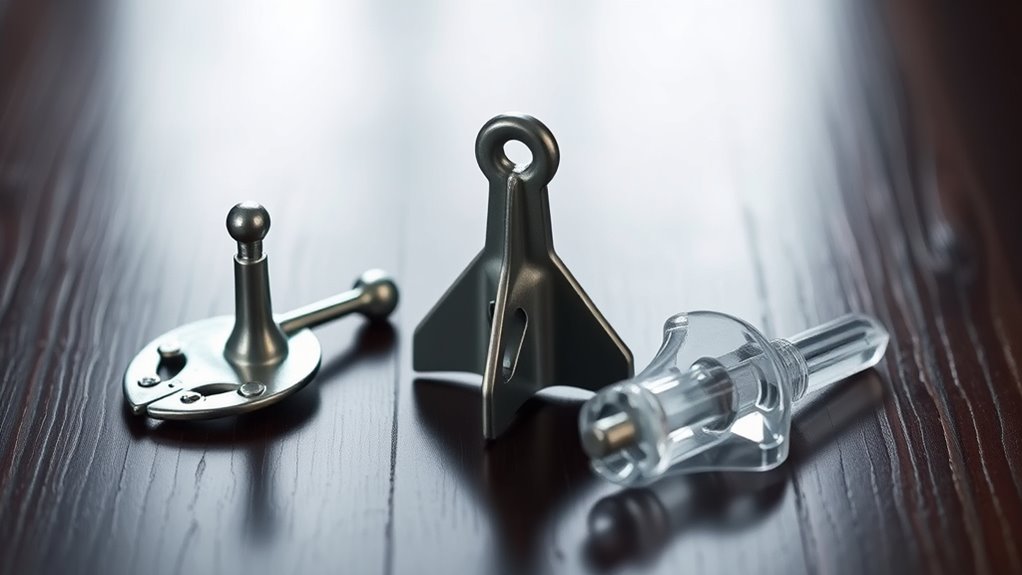
Molly anchors are a popular choice for hanging heavier items on drywall. You’ll want to understand the installation process to guarantee they’re secure, as well as their load-bearing capacity to avoid any mishaps. Let’s break down the key points you need to know.
Installation Process Overview
When it comes to securing items to your walls, understanding the installation process for Molly anchors can make a significant difference. These anchors work best when you know how to use the right installation tools and consider your wall material. Here’s a quick overview:
- Drill a hole: Start by drilling a hole that matches the size of the anchor.
- Insert the anchor: Push the Molly anchor into the hole until it’s flush with the wall.
- Expand the anchor: Use a screw to expand the anchor inside the wall, creating a secure hold.
Load-Bearing Capacity Details
Understanding the load-bearing capacity of Molly anchors is essential for guaranteeing your wall-mounted items stay securely in place. These anchors are designed to handle significant weight, with typical load capacities ranging from 25 to 50 pounds, depending on the wall material and anchor size. To maximize anchor strength, make sure you choose the right type for your specific application. For heavier items like shelves or mirrors, opt for larger Molly anchors that distribute weight more evenly. Always check the manufacturer’s specifications to understand the limits and avoid overloading your anchors. Proper installation techniques are crucial for ensuring optimal performance and safety. Additionally, being aware of wall material compatibility can help prevent damage and ensure proper anchoring. By respecting these guidelines, you’ll guarantee that your wall-mounted items remain safe and stable, preventing accidents and damage to your walls.
Choosing Between Toggle, Molly, and Plastic Anchors

When you’re deciding between toggle, molly, and plastic anchors, it’s essential to understand the strengths and weaknesses of each type. Consider the weight capacity you’ll need for your project and how easy each anchor is to install. Knowing these factors will help you make the best choice for your wall hanging needs.
Anchor Types Overview
Choosing the right anchor can make all the difference in guaranteeing your hanging items stay secure, especially since each type serves a specific purpose. Here’s a quick overview to help you decide:
- Toggle Anchors: Ideal for heavy items on hollow walls; they expand behind the wall for stability. They are particularly effective when you need to support substantial weight without risking the wall’s integrity.
- Molly Bolts: Great for medium-weight items; they provide a strong hold once installed, using minimal tools. Their versatility makes them popular for various wall materials.
- Plastic Anchors: Best for lightweight items; these are easy to install and work well in drywall. Proper installation ensures they hold securely without damaging the wall.
When selecting, consider the anchor materials and the installation tools you have on hand. Each anchor type’s effectiveness varies based on the wall’s structure, so choose wisely to guarantee your projects succeed! Wall structure can influence which anchor performs best. Additionally, understanding the anchor materials can help you select the most durable option for your specific needs. For optimal results, paying attention to the installation process is crucial to ensure the anchors function properly. Incorporating proper installation techniques can significantly enhance the holding power and longevity of your anchors, especially when considering factors like adhesion properties and compatibility with wall surfaces.
Weight Capacity Considerations
As you weigh your options for wall anchors, it’s vital to evaluate the weight capacity each type can handle. Different anchor materials offer varying weight limits, so it’s important to choose wisely depending on your project.
| Anchor Type | Weight Limit (lbs) | Best Use |
|---|---|---|
| Toggle | 30-50 | Heavy items, shelves |
| Molly | 25-40 | Medium-weight objects |
| Plastic | 10-20 | Lightweight fixtures |
Toggle anchors are ideal for heavier items, while Molly anchors serve well for moderate loads. Plastic anchors are sufficient for lighter applications. Always consider the weight limits of each type to guarantee secure installation and avoid damage to your walls.
Installation Process Differences
While each type of wall anchor serves a specific purpose, their installation processes differ considerably. Understanding these differences can help you choose the right anchor for your project.
- Toggle anchors require a hole for the wings to expand, making them ideal for hollow walls.
- Molly anchors need a pilot hole and expand once installed, offering a secure fit for heavier items.
- Plastic anchors are the easiest to install, simply requiring a drill and screw for lightweight applications.
When selecting an anchor, consider the installation techniques and the anchor compatibility with your wall type. Taking the time to understand these differences will guarantee a successful and secure mounting experience.
Installation Tips for Wall Anchors: How to Use Each Type
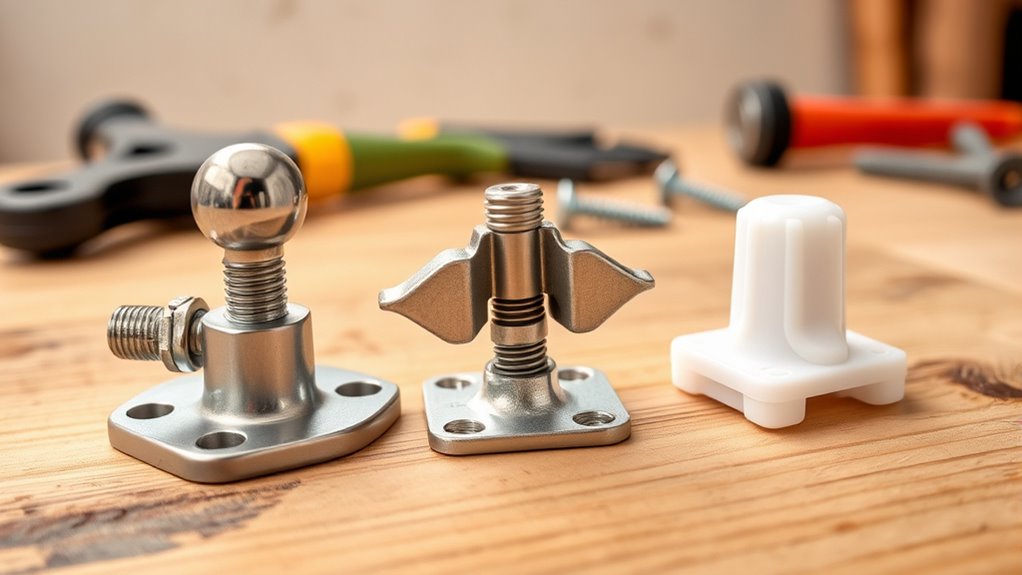
When it comes to installing wall anchors, understanding the different types can make all the difference. For toggle anchors, drill a hole, insert the anchor, and push it through the wall; it’ll expand behind the surface. With Molly bolts, use a similar technique but remember to collapse the sleeve as you tighten it. Plastic anchors are straightforward: just drill a hole, insert the anchor, and screw directly into it. Always verify you’re using the correct drill bit size for your chosen anchor. After installation, check for stability as part of your anchor maintenance routine. Regularly inspect the area to verify nothing has loosened, especially if you’re hanging heavier items. Proper installation techniques lead to secure results!
Simple Solutions for Light Loads: Understanding Plastic Wall Anchors

For lighter loads, plastic wall anchors provide a simple and effective solution. They’re perfect for lightweight applications, allowing you to hang items like pictures or shelves without much hassle. Here are some plastic anchor benefits to evaluate:
- Easy Installation: Just drill a hole, insert the anchor, and screw in your item—no special tools needed.
- Cost-Effective: Plastic anchors are inexpensive, making them a budget-friendly choice for home projects.
- Versatile: They work well in various wall types, from drywall to plaster, accommodating different needs.
- Compatibility: Plastic anchors are suitable for use with different lightweight audio and music gear, ensuring secure mounting without damage. Additionally, selecting the right wall anchor type can enhance the stability and safety of your hanging projects. Using the correct anchoring method also helps prevent wall damage and ensures your items stay securely in place. Properly understanding wall load capacity can further improve your project outcomes.
Frequently Asked Questions
Can I Reuse Wall Anchors After Removing Them?
You can’t typically reuse wall anchors after removing them. When you pull them out, they often get damaged or lose their grip, making them ineffective. If you want to reuse wall anchors, try gentle anchor removal techniques to minimize damage. However, it’s usually best to invest in new anchors, ensuring a secure hold for your next project. Remember, using reliable anchors is essential for stability and safety in your installations.
What Materials Are Wall Anchors Made From?
Wall anchors come in various materials, primarily featuring metal compositions and durable plastics. If you’re considering strength and longevity, metal anchors usually provide superior support, while plastic anchors offer flexibility and ease of installation. You might find that the choice between these materials often coincides with your specific project needs. Ultimately, understanding the strengths of each can help you select the right anchor for your wall and guarantee your fixtures stay secure.
Are Wall Anchors Suitable for Outdoor Use?
Yes, wall anchors can be suitable for outdoor use, but it depends on the material. For outdoor durability, choose anchors made from corrosion-resistant materials like stainless steel or heavy-duty plastic. These options offer better weather resistance against rain, humidity, and temperature fluctuations. Always check the manufacturer’s specifications to guarantee they’re designed for outdoor applications. Using the right wall anchors helps guarantee your fixtures remain secure despite the elements.
How Much Weight Can Each Type of Anchor Support?
Each anchor type has different weight ratings. Toggle anchors can support up to 50 pounds in drywall, while Molly bolts can hold between 25 to 50 pounds, depending on the size. Plastic anchors typically handle lighter loads, around 10 to 20 pounds. It’s important to choose the right anchor type based on what you’re hanging and make sure you don’t exceed the recommended weight ratings for safe and secure installation.
Can Wall Anchors Damage My Wall During Installation?
Yes, wall anchors can damage your wall during installation if you’re not careful. Imagine trying to plant a tree without digging the right hole; you could uproot surrounding soil. Similarly, using improper installation techniques can cause cracks or holes. If you find yourself needing wall repair afterward, it’s often due to over-tightening or incorrect placement. So, take your time, follow instructions, and your walls will stay intact while you hang those shelves.
Conclusion
When it comes to wall anchors, knowing the right type for your project is key. Did you know that using the wrong anchor can reduce its load-bearing capacity by up to 50%? By understanding the differences between toggle, molly, and plastic anchors, you can make informed choices that guarantee your fixtures are secure. Remember, proper installation is just as important—follow the guidelines for each type to avoid common issues and achieve the best results for your home improvement projects.
Halloween Picks
halloween
As an affiliate, we earn on qualifying purchases.