
Your cast iron’s seasoning layers form a durable, non-stick surface through repeated applications of oil that bond to the metal during heating. Each layer build up strengthens resistance to rust and sticking, creating a smooth, glass-like finish over time. Proper heat penetration and consistent heating help polymerize the oil evenly, making your skillet more resilient. Mastering this process takes patience, but knowing how layers develop gives you the best chance to reveal your skillet’s full potential.

Get the little things that make your day delivered free with Prime
- Fast, free delivery on millions of items
- Prime Video, Amazon Music and more included
- Member-only deals all year
Key Takeaways
- Multiple seasoning layers build a durable, non-stick, and rust-resistant surface through repeated oil application and baking.
- Proper heat penetration during seasoning ensures strong polymerization and even bonding of each layer.
- Thin, consistent oil coats and controlled oven temperatures are essential for effective layer formation.
- Overheating or insufficient heat can cause uneven or weak coatings, affecting seasoning quality.
- Patience and repeated cycles create a seamless, glass-like surface that enhances skillet performance and longevity.
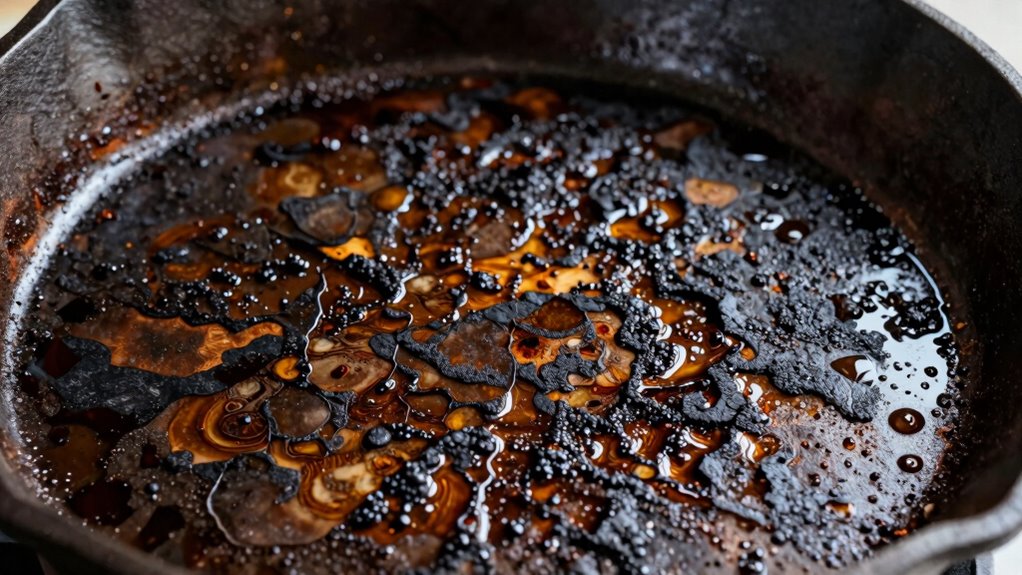
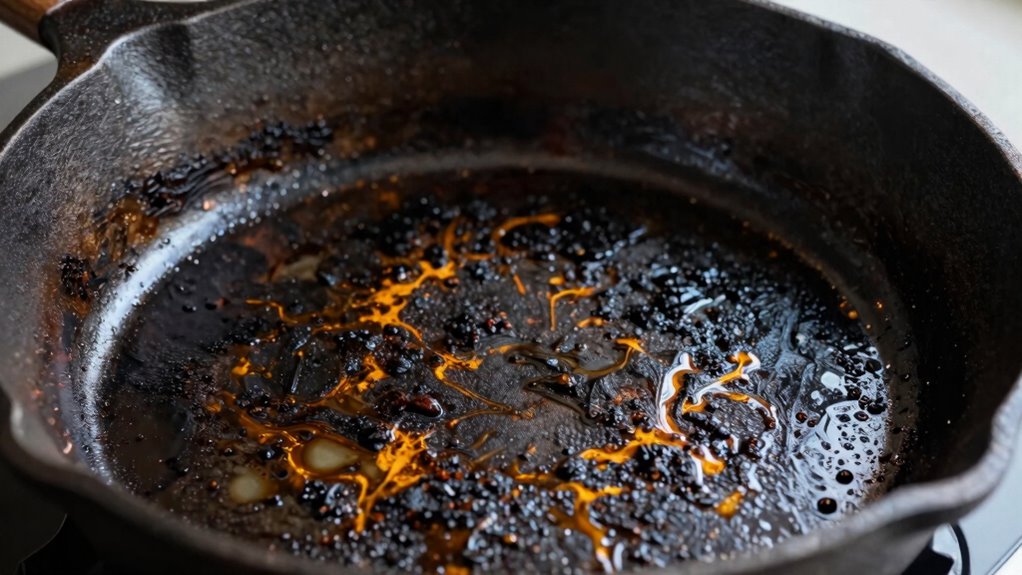
Creating multiple seasoning layers on your cast iron skillet is vital for building a durable, non-stick surface. When you apply oil and heat it, a process called polymerization occurs, creating a bond between the metal and the seasoning. This metal bonding is essential because it forms a protective layer that becomes more resilient with each additional coat. The more layers you develop, the better your skillet will resist rust and sticking. To guarantee effective metal bonding, you need to understand how heat penetration influences the seasoning process. Proper heat allows the oil to polymerize thoroughly, creating a smooth, hard surface. If you don’t heat enough, the oil won’t bond properly, leading to a weak coating that can flake or wear off over time. Conversely, overheating can cause the seasoning to become sticky or develop uneven patches, so maintaining the right temperature is key.
As you build your seasoning layers, you want to focus on consistent application and proper heating. Start by cleaning your skillet thoroughly, removing any old rust or food residue. Lightly coat the entire surface with a thin layer of oil—flaxseed, vegetable, or canola oil work well. Place the skillet in a preheated oven, typically around 450°F (232°C), and let it bake for an hour. During this process, the heat penetrates the metal, activating the oil and promoting deep, even bonding. This heat penetration is what transforms the oil into a durable, non-stick coating. Each baking cycle adds another layer, reinforcing the skillet’s surface and improving its performance. Understanding heat transfer is crucial because it directly impacts how well the seasoning bonds and develops. Additionally, controlling temperature consistency throughout the process ensures that each layer bonds correctly and uniformly. Recognizing the importance of heat distribution can help prevent uneven seasoning and ensure a more consistent coating.
It’s important to repeat this process multiple times to achieve a well-seasoned skillet. Every layer you add enhances the metal bonding and creates a more effective barrier against moisture and rust. Over time, these layers meld into a seamless, almost glass-like surface that improves with use. The development of polymerized oil is a key factor in creating a resilient, non-stick surface, and understanding how it forms can help you optimize your seasoning process. The key is patience—building up seasoning layers gradually ensures better heat penetration and stronger bonds. Don’t rush the process; instead, focus on consistent, thin applications and adequate heating. Proper seasoning involves understanding heat penetration and how it influences the bonding process. As your layers grow thicker and more integrated, your skillet will develop a natural, non-stick surface that’s easy to maintain and highly durable. Proper seasoning isn’t just about aesthetics; it’s about creating a reliable cooking surface that lasts for years.
As an affiliate, we earn on qualifying purchases.
Frequently Asked Questions
How Often Should I Re-Season My Cast Iron Skillet?
You should re-season your cast iron skillet whenever the surface starts to look dull, sticky, or rusted, which varies based on use and cleaning. For regular cast iron maintenance, a light re-seasoning every few months or after deep cleaning helps maintain its non-stick surface. Pay attention to your skillet’s condition, and re-season as needed to keep it well-seasoned and in top shape for cooking.
Can I Use Soap When Cleaning a Seasoned Cast Iron?
Yes, you can use soap when cleaning a seasoned cast iron, but it’s best to limit it. For routine cleaning, opt for warm water and a brush or scraper, which are effective cleaning methods. If you prefer soap, use a mild, small amount and rinse thoroughly. Soap alternatives like coarse salt and water work well for stubborn residue without stripping the seasoning, helping maintain your skillet’s seasoned surface.
What’s the Best Oil for Seasoning Cast Iron?
The best oil for seasoning cast iron is one that polymerizes well, like flaxseed, vegetable, or canola oil. These oils create durable seasoning layers when heated, forming a strong, non-stick surface. Avoid using thick or sticky oils, like butter or olive oil, which don’t build good seasoning layers. By choosing the right oil, you guarantee your cast iron develops a smooth, long-lasting seasoning that improves with each use.
How Do I Fix a Rusted Cast Iron Pan?
Imagine your rusted cast iron pan as a weathered treasure chest, waiting to shine again. To fix it, start with rust removal—scrub the rust fiercely with steel wool or a scrub brush. Once clean, dry it thoroughly and apply your favorite seasoning techniques, coating it with a thin layer of oil. Bake it in the oven to create a smooth, protective layer, restoring your skillet’s former glory.
Does Seasoning Improve Cast Iron’s Non-Stick Properties?
Yes, seasoning improves a cast iron’s non-stick properties. When you season your pan, you build up a durable layer that enhances non-stick performance and makes maintenance easier. Proper seasoning boosts durability, so it lasts longer and resists rust. By regularly applying thin layers of oil and heating, you create a smooth, protective surface that improves non-stick cooking and simplifies cleanup, ensuring your pan stays in great shape over time.
As an affiliate, we earn on qualifying purchases.
Conclusion
Think of your cast iron skillet’s seasoning layer as a living, breathing garden. With each use and proper care, you’re nurturing it, helping it grow stronger and more resilient. Over time, your skillet will develop a beautiful, non-stick patina that’s uniquely yours. Keep tending to it with love and patience, and it’ll serve you well for generations—an enduring legacy, like a well-tended tree standing tall through the seasons.
cast iron cleaning and seasoning kit
As an affiliate, we earn on qualifying purchases.
As an affiliate, we earn on qualifying purchases.
high-temperature oven for seasoning cast iron
As an affiliate, we earn on qualifying purchases.
As an affiliate, we earn on qualifying purchases.
NFL season / tailgating Picks
team gear
As an affiliate, we earn on qualifying purchases.