
Many meal prep routines go wrong by not storing ingredients correctly, like leaving cooked foods out or using non-airtight containers, which speeds up spoilage. Rushing to reheat without proper techniques can dry out or overcook your foods, losing flavor and texture. Fresh herbs are often added too early, and dried herbs too late, affecting taste. If you want to keep your meals fresh and flavorful, understanding proper storage, reheating, and portioning makes a big difference—more tips lie ahead.

Get the little things that make your day delivered free with Prime
- Fast, free delivery on millions of items
- Prime Video, Amazon Music and more included
- Member-only deals all year
Key Takeaways
- Using non-airtight containers allows air and moisture to spoil prepared foods quickly.
- Storing leafy greens in crisper drawers without proper packaging causes wilting and spoilage.
- Failing to refrigerate cooked grains and proteins promptly leads to bacterial growth and flavor loss.
- Adding fresh herbs before eating, instead of during storage, helps preserve their flavor and aroma.
- Over-reheating meals diminishes texture and flavor, reducing overall freshness and enjoyment.
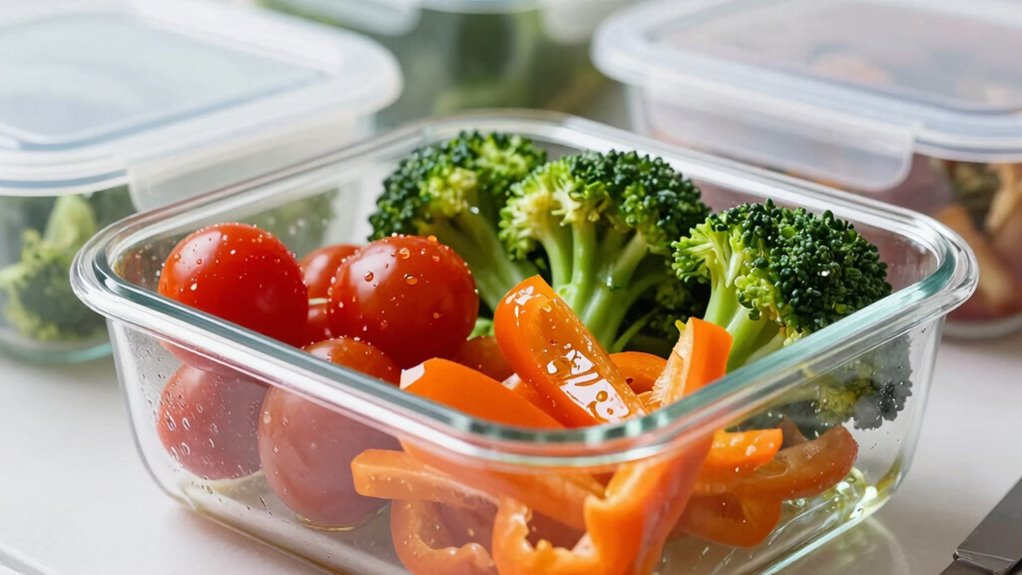
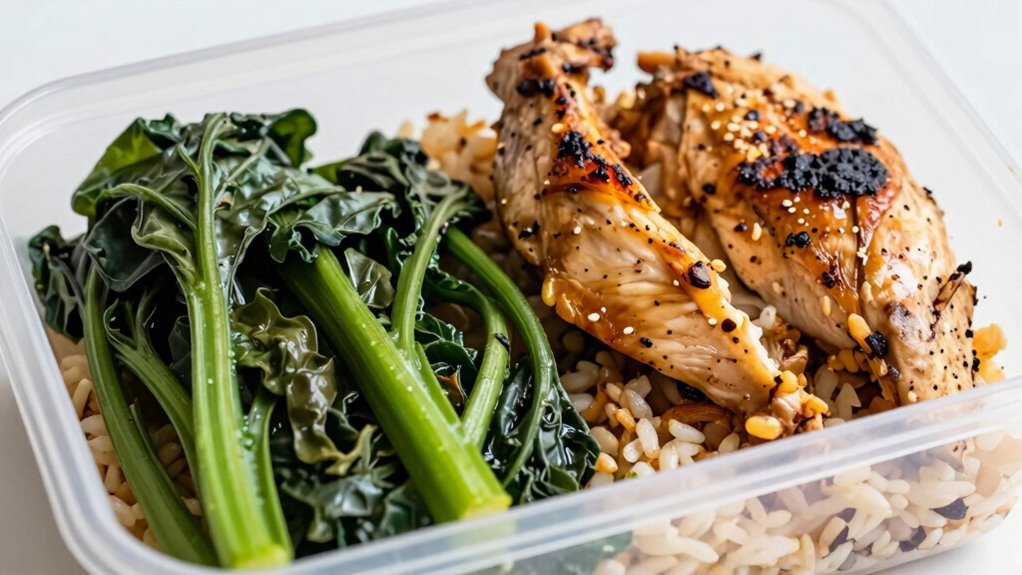
Meal prep is a popular way to save time and stay on track with healthy eating, but maintaining freshness can be a challenge. One common mistake is not paying enough attention to ingredient storage. You might prepare meals in advance, but if you don’t store ingredients properly, you risk soggy vegetables, dried-out proteins, or spoiled leftovers. To preserve freshness, it’s essential to use airtight containers and store foods at the right temperature. For example, leafy greens should go into crisper drawers to stay crisp, while cooked grains and proteins need to be tightly sealed and refrigerated promptly. Failing to do so accelerates spoilage and diminishes the quality of your meals.
Proper storage with airtight containers and correct temperatures keeps meal prep fresh and delicious.
Another mistake meal preppers often make is overlooking flavor preservation. When you prepare meals ahead of time, flavors can blend or fade, making dishes taste dull or bland. To prevent this, you need to think about how ingredients interact and how to lock in those fresh flavors. For instance, adding herbs and spices at the right time can make a big difference. Fresh herbs are best added just before eating, while dried herbs can be incorporated earlier to develop flavor. Additionally, storing acidic ingredients like lemon juice or vinegar separately and adding them just before eating keeps dishes vibrant. When you’re reheating, be mindful not to overdo it, as excessive reheating can dry out or overcook ingredients, leading to a loss of flavor and texture. Proper food storage practices are essential to keeping ingredients fresh and ensuring your meals taste their best.
Some meal preppers underestimate the importance of portioning. When you pack meals in bulk without dividing them into smaller, airtight containers, ingredients can become unevenly exposed to air or moisture, affecting freshness. Proper portioning not only helps with flavor preservation but also makes it easier to grab a balanced meal quickly. Additionally, choosing the right containers is key. Look for ones that are microwave-safe, leak-proof, and designed to maintain the integrity of the food’s texture and taste. This simple step ensures your meals stay fresh longer and taste just as good as when you first prepared them. Being mindful of timing can also help ensure that ingredients stay at their peak quality and flavor when consumed.
airtight food storage containers
As an affiliate, we earn on qualifying purchases.
As an affiliate, we earn on qualifying purchases.
Frequently Asked Questions
How Can I Tell if Meal Prepped Food Is Still Fresh?
You can tell if your meal prepped food is still fresh by checking for flavor degradation and texture changes. If the food tastes off or has a sour or stale smell, it’s time to toss it. Also, if the texture feels slimy, mushy, or overly dry, it’s a sign it’s past its prime. Always store your meals properly and consume them within 3-4 days for peak freshness.
Do Different Ingredients Spoil at Different Rates?
Think of ingredients as characters from different tales—some spoil quickly like Snow White’s stepmother, while others like a wise old oak last longer. Yes, ingredients spoil at different rates, influenced by moisture, acidity, and storage. To gauge freshness, look for clear signs like off-odor, sliminess, or discoloration. Understanding these freshness indicators helps you enjoy your meal prep at its best, avoiding spoilage and food waste.
Can Meal Prep Extend the Freshness of Cooked Vegetables?
Yes, meal prep can extend the freshness of cooked vegetables if you focus on flavor preservation and texture retention. Store them in airtight containers and cool them quickly to prevent spoilage. Reheat gently to maintain their texture. Avoid overcooking before storing, as it can cause sogginess. By following these tips, you help keep your vegetables tasting fresh and retaining their original flavor and crunch longer.
What Storage Containers Best Preserve Freshness?
You should choose storage containers with airtight seals to keep your food fresh longer. These seals prevent air from entering, slowing down spoilage. Additionally, focus on temperature control by storing containers in the fridge at consistent, cold temperatures. Use glass or high-quality plastic containers that maintain a tight seal, ensuring your cooked vegetables stay fresh, flavorful, and crisp for several days. Proper storage is key to extending freshness effectively.
How Long Can Meal Prepped Meals Safely Stay in the Fridge?
Imagine your fridge as a delicate orchestra—timing matters. Generally, meal prepped meals stay safe for 3 to 4 days if stored properly. Remember, meal prep myths often lead you astray, so prioritize food safety tips like cooling foods quickly and using airtight containers. After that, the risk of bacteria growth increases, and the meal’s freshness and safety decline—so plan your eating schedule accordingly.
microwave-safe meal prep containers
As an affiliate, we earn on qualifying purchases.
As an affiliate, we earn on qualifying purchases.
Conclusion
In the world of meal prep, chasing freshness can feel like trying to catch lightning in a bottle—you’re always a step behind. But remember, it’s not about perfection; it’s about making nutritious choices that fuel your day. Think of meal prep as a garden—you plant, nurture, and enjoy the harvest, even if some blooms fade. Embrace the journey, and let your meals be a comforting, reliable rainbow after the storm.
reusable food storage containers with leak-proof lids
As an affiliate, we earn on qualifying purchases.
As an affiliate, we earn on qualifying purchases.
As an affiliate, we earn on qualifying purchases.
NFL season / tailgating Picks
team gear
As an affiliate, we earn on qualifying purchases.