Blue light, emitted from both natural sources like the sun and artificial devices such as smartphones, can impact your sleep and eye health. It disrupts your circadian rhythm, making it harder to fall asleep, and can cause digital eye strain. While blue light has benefits, prolonged exposure raises concerns. To manage exposure, you can use filters and adopt healthy habits. There’s much more to explore about blue light’s effects and how to protect yourself.
Key Takeaways
- Blue light is a high-energy visible light that can disrupt sleep patterns by inhibiting melatonin production.
- Prolonged exposure to blue light may lead to digital eye strain, causing symptoms like dry eyes and headaches.
- While blue light can affect sleep quality, individual sensitivity plays a significant role in its impact.
- Blue light glasses can help reduce discomfort during screen use, but their effectiveness varies among individuals.
- Ongoing research aims to better understand blue light’s effects on health, sleep, and cellular health.

Gaoye Blue Light Blocking Glasses – Fashion Square Eyeglasses, Anti UV Ray Computer Gaming Glasses Blue Blockers for Women/Men
BLUE LIGHT BLOCKING GLASSES: Our blue light glasses for women boast UV400 protection, blocking harmful blue rays from…
As an affiliate, we earn on qualifying purchases.
As an affiliate, we earn on qualifying purchases.
What Is Blue Light and Where Does It Come From?
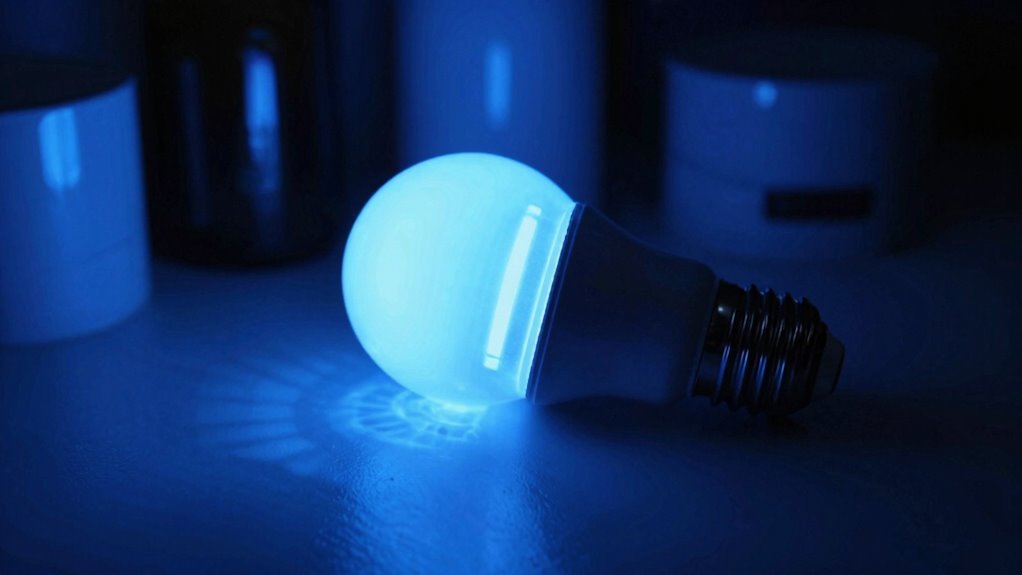
Blue light is a high-energy visible light that falls within the blue spectrum, ranging from about 380 to 500 nanometers. You encounter this light in both natural and artificial sources. The sun is the most significant natural source, emitting a broad spectrum of light, including blue wavelengths. This is why daytime sunlight can feel so vibrant and invigorating. On the other hand, artificial sources of blue light are prevalent in modern life. Devices like smartphones, tablets, and LED lights emit considerable amounts of blue light, often without you even realizing it. While natural blue light can be beneficial, it’s essential to be aware of your exposure to artificial sources, especially with the increasing amount of screen time in daily routines.
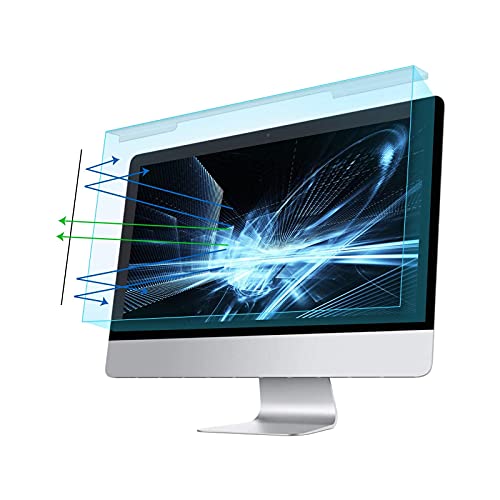
MOSISO 23-24 inch Computer Blue Light Blocking Screen Protector Anti-UV Eye Protection Filter Film Panel for Diagonal 23,23.6,23.8,24 inch 16:9 Widescreen Desktop PC LED Monitor(21.26×13.39 inch/LxW)
Dimension: 21.26 x 13.39 inch/L x W. Compatible with iMac 24 inch;compatible with Lenovo Ideacentre 23.8;compatible with HP…
As an affiliate, we earn on qualifying purchases.
As an affiliate, we earn on qualifying purchases.
How Blue Light Affects Your Sleep Patterns
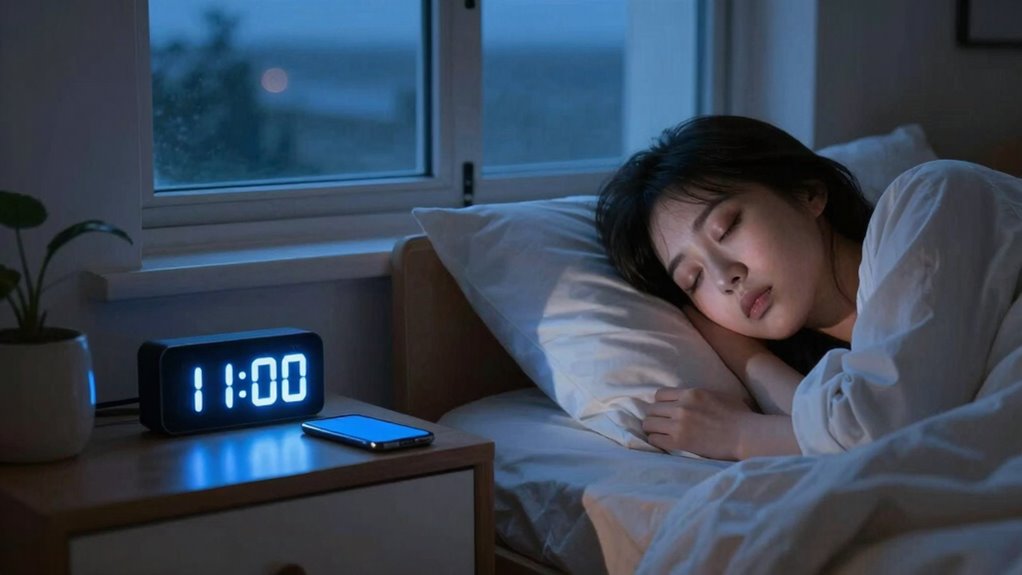
Blue light can throw your circadian rhythm off balance, making it harder for you to fall asleep. It also inhibits melatonin production, the hormone that signals your body to rest. As a result, your overall sleep quality may suffer, leaving you feeling less refreshed in the morning.
Circadian Rhythm Disruption
As you scroll through your devices late at night, the light emitted can mess with your circadian rhythm, leading to disrupted sleep patterns. Your body thrives on circadian alignment, which regulates sleep-wake cycles based on natural light exposure. When you’re exposed to blue light from screens, it tricks your brain into thinking it’s still daytime. This stimulation can delay your sleep onset, reduce sleep quality, and throw off your internal clock. Maintaining a consistent sleep schedule becomes challenging as your body struggles to adapt. To promote better sleep, consider reducing screen time before bed and limiting light exposure in the evening. By prioritizing your circadian rhythm, you can improve your overall sleep health and feel more refreshed during the day.
Melatonin Production Inhibition
Exposure to blue light in the evening doesn’t just disrupt your circadian rhythm; it also inhibits melatonin production, the hormone responsible for regulating sleep. When you’re exposed to light, especially blue light, your body suppresses melatonin synthesis, making it harder for you to feel sleepy. This interference can lead to difficulty falling asleep and poorer sleep quality overall.
| Light Condition | Melatonin Levels | Sleepiness Level |
|---|---|---|
| No Light Exposure | High | High |
| Moderate Blue Light | Moderate | Low |
| Intense Blue Light | Low | Very Low |
Being mindful of your light exposure in the evening can help maintain your melatonin levels and promote better sleep patterns.
Sleep Quality Impairment
When you spend time in front of screens emitting blue light, your sleep patterns can suffer considerably. This exposure can disrupt your circadian rhythm, making it harder for you to fall asleep and stay asleep. The reduction in melatonin production can lead to poor sleep quality, leaving you feeling tired the next day. To improve your sleep hygiene, consider adjusting your evening routines. Try to limit screen time at least an hour before bed, and instead engage in calming activities like reading or meditating. By prioritizing these changes, you can create a more conducive environment for sleep, ensuring you wake up refreshed and ready for the day ahead. Circadian rhythm disruption can be minimized by establishing a consistent sleep schedule and reducing exposure to blue light in the evening. Remember, better sleep hygiene starts with small, consistent adjustments.

Stylish Blue Light Blocking Glasses for Women or Men – Ease Computer and Digital Eye Strain, Dry Eyes, Headaches and Blurry Vision – Instantly Blocks Glare from Computers and Phone Screens w/Case
BLUE LIGHT GLASSES – Eyeglasses that protect your eyes: Blue light from computer screens can lead to eyestrain….
As an affiliate, we earn on qualifying purchases.
As an affiliate, we earn on qualifying purchases.
How Blue Light Affects Your Eye Health
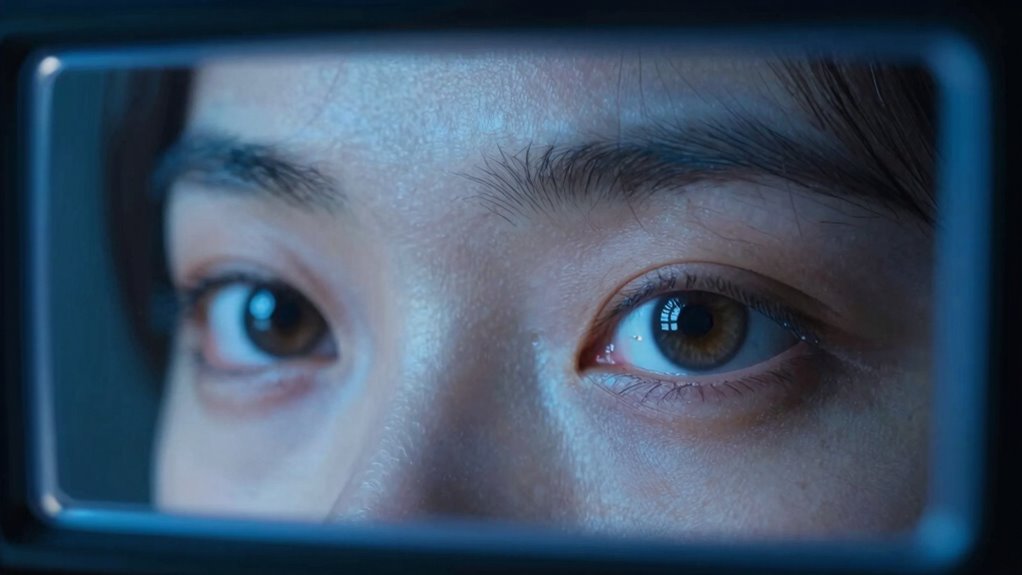
Blue light can lead to potential retinal damage and contribute to digital eye strain, especially if you spend long hours in front of screens. You might notice symptoms like dry eyes and headaches after prolonged exposure. Plus, the effects of blue light on your sleep can further impact your overall eye health.
Potential Retinal Damage
Although many people enjoy the convenience of digital screens, they might not realize the potential risks associated with prolonged exposure to blue light. Research suggests that blue light can impact your retinal health, possibly leading to cell damage and increasing the risk of age-related macular degeneration. This condition can greatly affect your visual acuity, making it harder to see fine details over time. While the exact extent of blue light’s harmful effects is still debated, it’s wise to take precautions. Consider using blue light filters on your devices, wearing protective glasses, or taking regular breaks to minimize your exposure. By being proactive, you can help maintain your eye health and safeguard your vision for the future.
Digital Eye Strain
Prolonged exposure to digital screens not only raises concerns about potential retinal damage but also contributes to digital eye strain. You might experience digital fatigue, leading to visual discomfort after staring at your devices for too long. Symptoms can include dry eyes, blurred vision, and headaches. Proper maintenance of your screens and environment can also play a role in minimizing eye strain.
To better understand these effects, check out the table below:
| Symptoms | Causes | Remedies |
|---|---|---|
| Dry Eyes | Extended screen time | Take regular breaks |
| Blurred Vision | Poor lighting | Adjust screen brightness |
| Headaches | Poor posture | Maintain ergonomic setup |
Taking proactive measures can help reduce discomfort and keep your eyes healthy. Don’t underestimate the importance of eye care in our digital age!
Sleep Disruption Effects
The light emitted from screens can considerably disrupt your sleep patterns, making it harder to fall asleep and stay asleep. When you use technology, especially before bedtime, the blue light interferes with melatonin production, the hormone responsible for regulating sleep. Poor sleep hygiene can lead to restless nights, leaving you tired and unproductive the next day. To combat this, try limiting screen time in the evening and consider using blue light filters on your devices. Establishing a relaxing bedtime routine also helps signal to your body that it’s time to wind down. By being mindful of your technology usage, you can improve your sleep quality and overall eye health, making you feel more refreshed and alert during the day.

TIJN Sleep Glasses with Blue Green Light Blocking, Red Light Lens for Computer Gaming, Screen Fatigue & UV Protection
High Blue-Light Filtering – Advanced red lenses reduce a wide range of blue green light from digital screens,…
As an affiliate, we earn on qualifying purchases.
As an affiliate, we earn on qualifying purchases.
Common Misconceptions About Blue Light’s Effects
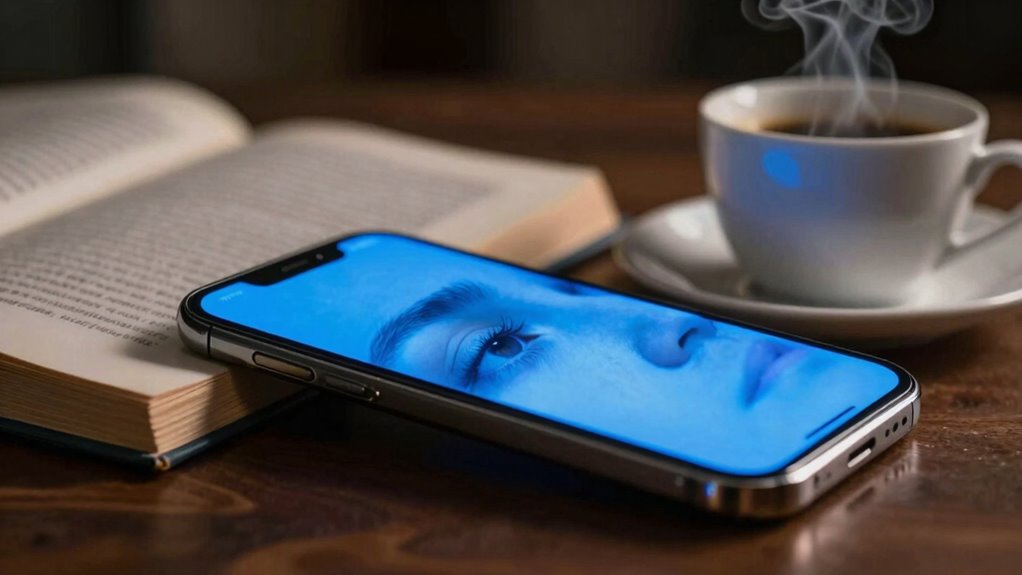
While many people worry about blue light affecting their eyesight, several misconceptions cloud the facts. First, the myth debunking that blue light causes permanent eye damage isn’t entirely accurate. Research shows that while excessive exposure can lead to digital eye strain, it doesn’t result in long-term harm. You might also hear that blue light is solely responsible for sleep disruption; however, perception differences in individual sensitivity play a significant role. Some people are more affected by screen time than others, meaning it’s not just about the blue light itself. Finally, the idea that all blue light is harmful ignores its benefits, like regulating circadian rhythms. Understanding these misconceptions helps you approach blue light with a clearer perspective.
How to Cut Down on Blue Light Exposure

Understanding the misconceptions surrounding blue light can empower you to take control of your exposure. Start by implementing screen time management strategies; limit your device usage, especially in the evening. Consider using blue light filters on your screens, which can greatly reduce your exposure during late hours. You can also adjust your device settings to enable “night mode” or “blue light reduction” features. Additionally, take regular breaks from screens—try the 20-20-20 rule: every 20 minutes, look at something 20 feet away for 20 seconds. Finally, create a relaxing bedtime routine that minimizes screen time and promotes better sleep. By being proactive, you’ll not only cut down on blue light exposure but also improve your overall well-being.
Do Blue Light Glasses Really Work?
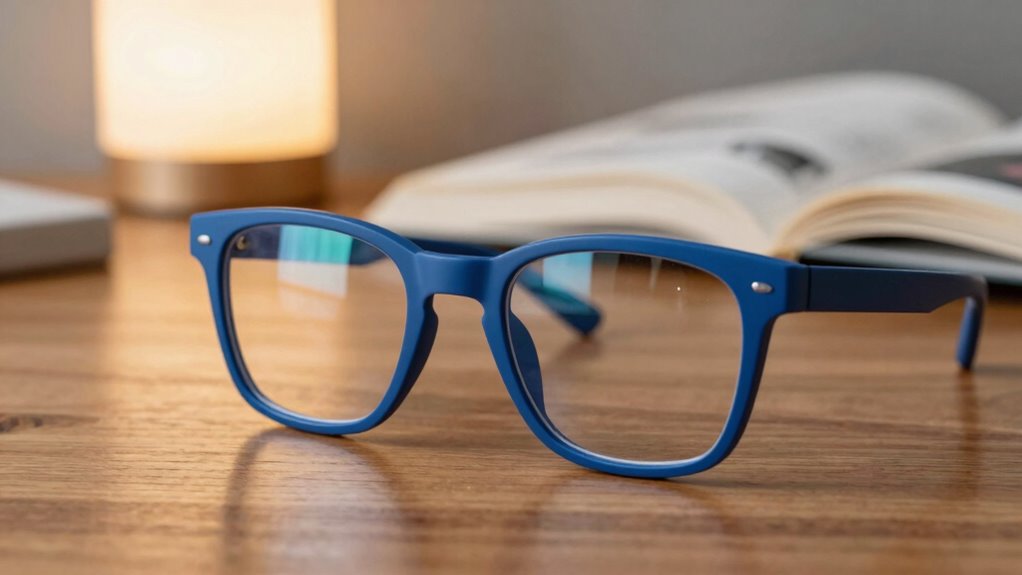
Do blue light glasses really make a difference for your eyes? While studies on blue light and its effects are ongoing, many people swear by the glasses’ effectiveness. They claim these glasses can reduce eye strain and improve sleep quality. Here are some factors to take into account:
- Lens coating: Most blue light glasses have special coatings that filter out harmful blue light.
- Comfort: Users often report less discomfort during prolonged screen time.
- Sleep quality: Some find better sleep after using blue light glasses in the evening.
- Personal experience: Individual results may vary based on your sensitivity to blue light.
- Scientific support: Research is mixed, so consult a professional for personalized advice.
Ultimately, trying them for yourself can help you decide.
What’s Next for Blue Light Research?
As researchers continue to explore the effects of blue light on our health, new studies are emerging that could reshape our understanding of its impact. Future studies are likely to investigate deeper into how blue light affects sleep patterns, mood, and even cellular health. You can expect findings that not only clarify these relationships but also suggest practical solutions for mitigating negative effects. The implications of this research could lead to changes in technology design, screen usage guidelines, and even public health recommendations. As you stay informed, consider how these developments might influence your daily habits, such as screen time management and light exposure, to optimize your well-being in a digital age.
Frequently Asked Questions
Can Blue Light Exposure Cause Permanent Eye Damage?
Blue light exposure hasn’t been definitively proven to cause permanent eye damage, but it can impact your eye health in other ways. Prolonged exposure, especially from screens, may lead to digital eye strain, causing discomfort and fatigue. While research is ongoing, it’s wise to take precautions like using blue light filters and taking regular breaks. Protecting your eyes now can help maintain your vision for the future.
Is Blue Light Harmful During Daytime?
Think of the sun’s rays piercing through a clear sky; that’s how blue light shines during the daytime. While blue light exposure from screens can disrupt your sleep cycle, it isn’t necessarily harmful during the day. In fact, daytime exposure can enhance alertness and boost your mood. Just be mindful of how much time you spend in front of screens, as too much can lead to digital eye strain. Balance is key!
How Does Blue Light Affect Mental Health?
Blue light can greatly affect your mental health. Exposure to it, especially from screens, may disrupt your sleep patterns, leading to increased stress and anxiety. If you’re using devices late at night, you might find it harder to unwind, impacting your mood the next day. On the flip side, moderate exposure during daytime can boost your alertness and mood, so it’s essential to balance your screen time wisely for better mental well-being.
Are There Benefits to Blue Light Exposure?
Yes, there are blue light benefits! Exposure to blue light sources, like sunlight and LED screens, can boost your mood and enhance alertness. It helps regulate your circadian rhythm, making it easier to stay awake during the day. Plus, it supports cognitive function and increases your ability to concentrate. Just remember to balance your exposure, as too much blue light, especially at night, can disrupt your sleep.
Can Children Be Affected by Blue Light?
Yes, children can be affected by blue light. Their developing eyes are more susceptible to blue light sensitivity, which may lead to discomfort and potential vision issues. You might notice your child’s eyes straining after prolonged screen time, affecting their sleep patterns too. Encouraging regular breaks from screens and using blue light filters can help protect their vision. It’s important to monitor their exposure and promote healthy screen habits for their overall eye health.
Conclusion
In a world where screens dominate our lives, understanding blue light‘s impact is essential. You’ve learned how it affects your sleep and eye health, and you now know how to reduce exposure effectively. While blue light glasses might seem like the latest trend, the science is still catching up. As research continues to unfold, staying informed will keep you ahead of the curve—like having a time machine for your well-being. Keep your eyes healthy, and sleep tight!