

This guide helps you craft effective motivational quotes for students. It is ideal for teachers, student leaders, or anyone aiming to inspire students through words. The process involves selecting themes, writing concise impactful statements, and tailoring messages for student audiences. Expect a straightforward, step-by-step approach suitable for beginners. Completing this task will enable you to produce a set of motivational quotes that can be used in classrooms, presentations, or social media to uplift students and foster a positive mindset.

Get the little things that make your day delivered free — and shop member deals
- Fast, free delivery on millions of items
- Access to Prime Big Deal Days deals on October 6–7
- Prime Video, Amazon Music and more included
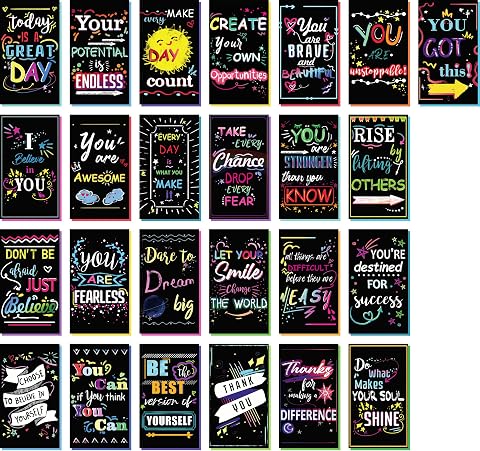
Iconikal 200-Count Inspirational Motivational Quote Cards, 3.5×2 inches, Blank Back
- ✔ Quantity: 200 cards
- ✔ Size: 3.5×2 inches
- ✔ Designs: 25 unique
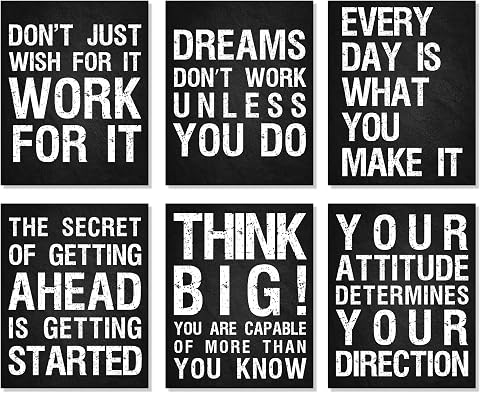
L&O Goods Motivational Wall Decor – Set of 6 | Inspirational 8×10 Poster Prints | Growth Mindset Quotes for Home, Classroom, Offi…
- ✔ Set Size: 6 posters
- ✔ Print Size: 8×10 inches
- ✔ Material: Glossy cardstock

Outus 9 Inspirational Wall Art Prints for Classroom and Office, 8×10, Unframed
- ✔ Number of Prints: 9
- ✔ Size: 8 x 10 inches
- ✔ Material: Laminated cardstock
Difficulty: Beginner | Time: 30-45 minutes
What You’ll Need
Tools & Materials:
- Pen and paper or digital writing tool
- List of student challenges or goals
- Basic understanding of motivational language
Knowledge:
- Ability to identify inspiring themes
- Basic writing skills
Iconikal 200-Count Inspirational Motivational Quote Cards, 3.5×2 inches, Blank Back
<p>The <strong>Iconikal quote cards</strong> stand out for their huge set of 200 colorful, mini cards, making them ideal for frequent use in classrooms, offices, or as gifts. Their compact size allows for easy distribution and quick inspiration, and the blank backs offer room for personal messages. Compared to other options, these cards are less about style and more about volume and customization, but some designs may feel repetitive over time. They lack information on durability, so they might need careful handling if used daily.</p>
Pros:
- Large set with 200 cards for versatile use
- Bright, colorful designs to uplift and motivate
- Blank backs allow for personalized messages
Cons:
- Some designs may become repetitive with high quantity
- No details on durability or cardstock quality
- Limited to motivational and gratitude themes
Best for: Students and educators seeking a large, customizable set for daily motivation or gifting
Not ideal for: Those wanting a polished, decorative piece to hang on a wall or with a specific aesthetic
Bottom line: This pick is perfect for those who prioritize variety and personalization over aesthetic elegance.
“This pick is perfect for those who prioritize variety and personalization over aesthetic elegance.”
L&O Goods Motivational Wall Decor – Set of 6 | Inspirational 8×10 Poster Prints | Growth Mindset Quotes for Home, Classroom, Offi…
<p>The <strong>L&O Goods posters</strong> offer an elegant, high-quality option for those who prefer a more polished look. Featuring black and white, glossy prints with inspiring quotes, they are ideal for framing and display in various spaces. Compared with the colorful cards, these posters lean toward a sophisticated aesthetic, but their limited size (8×10 inches) and absence of frames mean additional purchases are necessary. The monochrome design may not suit all decor styles, making them less versatile in certain environments.</p>
Pros:
- High-quality glossy prints with durable cardstock
- Elegant, professional look suitable for multiple environments
- Made in the USA by a small, veteran-owned business
Cons:
- Frames are not included, adding extra cost
- Black and white design may not match all decor styles
- Limited to 8×10 size, with no other options
Best for: Individuals wanting a sleek, professional motivational display suitable for framing
Not ideal for: Those seeking colorful, customizable, or tactile encouragement materials
Bottom line: Ideal for users who prioritize aesthetics and ready-to-hang quality over customization and variety.
“Ideal for users who prioritize aesthetics and ready-to-hang quality over customization and variety.”
Outus 9 Inspirational Wall Art Prints for Classroom and Office, 8×10, Unframed
<p>The <strong>Outus set</strong> provides a practical solution for those who want a mix of motivational quotes with the option to frame or mount directly. The laminated cardstock increases durability, making these prints suitable for high-traffic areas. They include 9 prints and 40 adhesive dots for easy mounting, making them versatile for classrooms and offices. While the unframed design offers flexibility, it requires additional framing for a polished look, and the size (8×10 inches) limits customization. Compared with posters or cards, these are a balanced choice for durability and display options.</p>
Pros:
- Durable, laminated cardstock for repeated use
- Includes adhesive dots for easy mounting
- Suitable for framing or direct mounting
Cons:
- Unframed design may require extra framing for a neat appearance
- Limited to 8×10 inches, may not fit all frames
- Lacks the aesthetic polish of glossy posters
Best for: Educators and professionals seeking a durable, adaptable motivational display
Not ideal for: Those wanting a ready-made, aesthetically cohesive wall setup without additional framing
Bottom line: A versatile choice for those who value durability and flexibility in motivational decor.
“A versatile choice for those who value durability and flexibility in motivational decor.”
As an Amazon Associate we earn from qualifying purchases.
Before You Start
Review the key challenges students face, such as motivation, confidence, and perseverance. Gather any inspirational sources or quotes you admire for reference. Ensure your environment is quiet and free from distractions to focus on crafting meaningful messages.Step-by-Step Instructions
Step 1: Identify core themes
List the main areas where students need motivation, such as resilience, effort, growth, or self-belief. Write down at least three to five themes that resonate with your audience.
Tip: Focus on themes that are relevant to current student challenges or goals for more impactful quotes.
Check: You have a clear list of 3-5 themes that will guide your quote creation.
Step 2: Draft short, impactful statements
Write 5-10 concise sentences or phrases that express motivation related to each theme. Use simple, positive language and focus on encouragement.
Tip: Use active voice and avoid clichés. Think about what would genuinely inspire a student in that moment.
Check: You have a set of 5-10 clear, punchy quotes or statements ready for refinement.
Step 3: Refine your quotes for clarity and impact
Edit each quote to improve readability, remove jargon, and strengthen the message. Aim for brevity and emotional resonance.
Tip: Read each quote aloud to ensure it sounds natural and motivating.
Check: All quotes are concise, clear, and emotionally engaging.
Step 4: Tailor quotes for your audience
Adjust the language or examples in each quote to better suit your specific group of students, considering their age, interests, and challenges.
Tip: Use relatable terms or references that resonate with students’ experiences.
Check: Each quote feels personalized and relevant to the students you aim to motivate.
Step 5: Compile and present your quotes
Organize the quotes into a list or visual format—posters, slides, social media, etc. Use appealing typography or images if applicable.
Tip: Ensure each quote is legible and visually engaging to maximize impact.
Check: Your quotes are neatly compiled and ready for presentation or distribution.
Common Mistakes to Avoid
- Creating generic or overused quotes — Focus on personalized, specific messages that relate directly to student experiences and challenges.
- Making quotes too long or complicated — Keep quotes short, simple, and memorable—aim for no more than two lines.
- Ignoring audience relevance — Tailor the language and themes to match the students’ age and context for greater resonance.
- Using negative or discouraging language — Ensure all quotes are positive, supportive, and forward-looking to inspire confidence.
Troubleshooting
Problem: Quotes feel flat or uninspiring
Solution: Revise the language to include stronger, more vivid words and focus on emotional appeal.
Problem: Quotes seem too generic or cliché
Solution: Personalize quotes with specific references or unique phrasing that reflect your students’ realities.
Problem: Difficulty condensing ideas into short quotes
Solution: Identify the core message and eliminate unnecessary words, focusing on clarity and punchiness.
What Success Looks Like
You will have a list of 5-10 well-crafted motivational quotes that are clear, concise, relevant, and ready to inspire students. They should evoke positive emotions and be easy to remember.
Next Steps
Display your quotes where students can see them regularly, such as classrooms, social media, or newsletters. Use them consistently to reinforce positive mindsets. Consider creating new quotes periodically as student needs evolve, or gather feedback on which quotes resonate most. You can also develop related activities or discussions around these messages to deepen their impact.
Frequently Asked Questions
How many quotes should I create?
Start with about 5-10 quotes. You can add more over time based on feedback and effectiveness.
Can I use famous quotes instead of creating my own?
Yes, but personalizing or adapting famous quotes to fit your audience enhances relevance and impact. Original quotes often resonate more strongly.
What if students find the quotes unmotivating?
Gather feedback, adjust the themes or wording, and involve students in creating or selecting quotes to boost engagement and relevance.
How often should I update or change the quotes?
Update them every few months or when you notice a shift in student needs or motivation levels to keep messages fresh and relevant.
NFL season / tailgating Picks
team gear
As an affiliate, we earn on qualifying purchases.