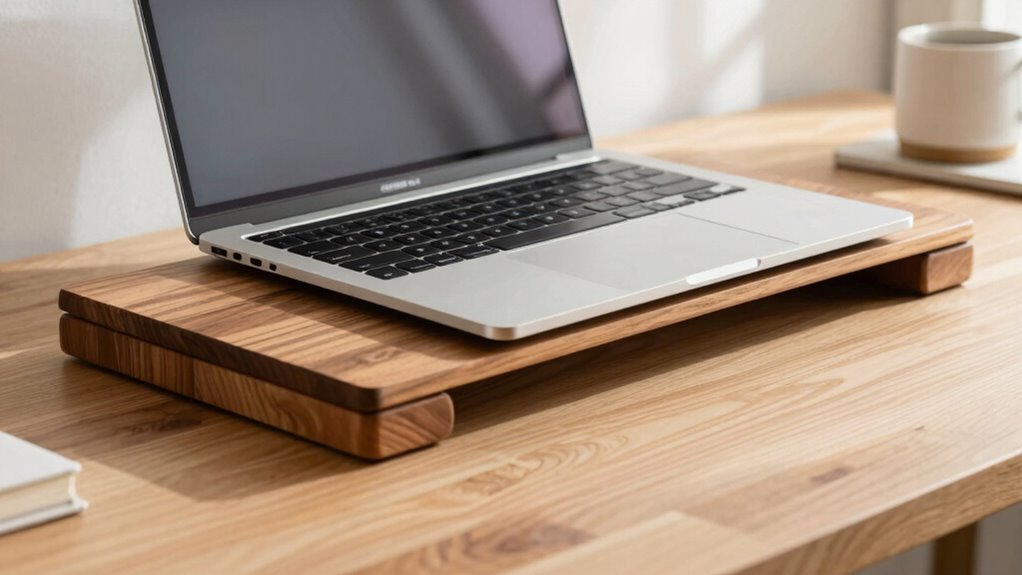

What nobody tells you about laptop riser height is how crucial it is for your health and workspace look. If your riser isn’t the right height, you might strain your neck, shoulders, or wrists over time. The perfect height lines up your screen at eye level and keeps your spine aligned, making your setup comfortable and professional. Get it right, and you’ll boost both your well-being and workspace aesthetics—if you want to discover more, keep going.

Get the little things that make your day delivered free with Prime
- Fast, free delivery on millions of items
- Prime Video, Amazon Music and more included
- Member-only deals all year
Key Takeaways
- The optimal riser height varies based on individual height and seating posture for maximum ergonomic benefit.
- Proper riser height not only improves comfort but also promotes better airflow and device cooling.
- Incorrect riser height can lead to long-term neck, shoulder, and wrist strain, impacting overall health.
- Aesthetically, a well-chosen riser enhances workspace professionalism and visual harmony.
- Balancing ergonomic function with design elevates productivity and makes your workspace more inviting.
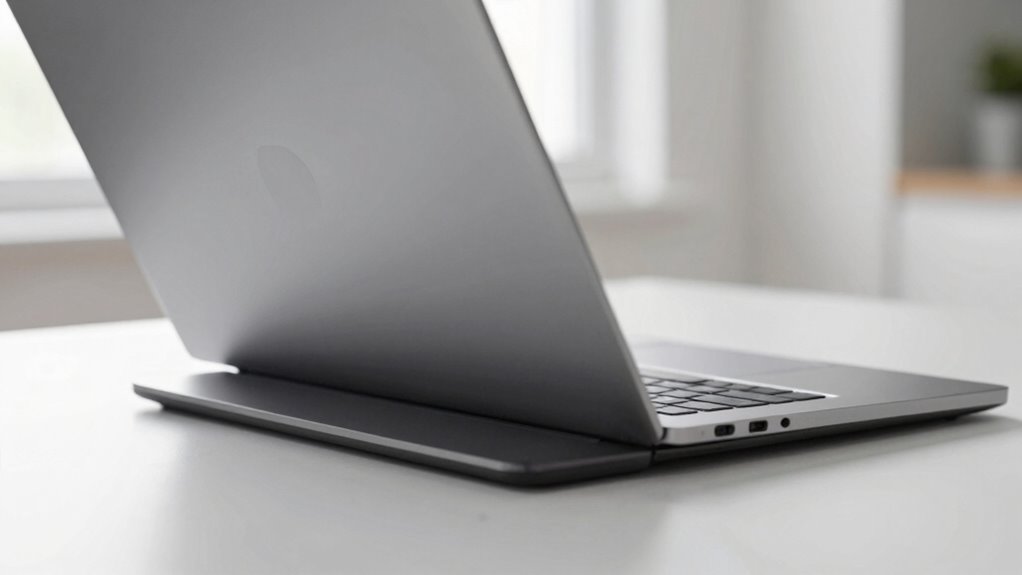
Ever wondered how high your laptop riser should be to maximize comfort and productivity? The right height isn’t just about personal preference—it’s about striking a balance that offers ergonomic benefits and enhances your workspace’s aesthetic appeal. Many people focus solely on whether a riser looks good or fits their desk, but the real secret lies in how well it supports your body during long hours of work or study. When your laptop is at the proper height, you reduce strain on your neck, shoulders, and wrists. This means fewer headaches, less fatigue, and increased focus. A riser that’s too low forces you to hunch over, leading to discomfort and potential long-term posture issues. Conversely, a riser that’s too high can cause you to strain your eyes or adopt awkward positions. Finding that sweet spot is key, and it varies based on your height and seating arrangement.
Choosing the right laptop riser height reduces strain and boosts comfort during long work or study sessions.
Beyond comfort, the ergonomic benefits of choosing the correct riser height are undeniable. An ideal setup positions your screen at eye level, which minimizes the need to tilt your head downward or upward. This not only prevents neck pain but also encourages better spinal alignment. Proper elevation can also improve airflow around your device, helping it stay cooler and operate more efficiently over time. Plus, when your workspace is ergonomically sound, you’re less likely to develop repetitive strain injuries that can sideline you for days or even weeks. Investing in a well-sized riser isn’t just about comfort; it’s about safeguarding your health, productivity, and overall well-being. Additionally, selecting the right riser height can help prevent long-term health issues associated with poor ergonomics. Being aware of ergonomic principles ensures you make informed choices that support your physical health. Recognizing correct ergonomic setup is essential for creating a sustainable and healthy workspace that adapts to your needs.
On the aesthetic front, the right riser height can elevate your workspace’s visual appeal. A clean, well-proportioned setup looks more professional and inviting. When your laptop is at an ideal height, your desk appears organized and intentional, rather than cluttered or awkwardly arranged. Many risers come in sleek designs and neutral tones that complement your decor, making your workspace look polished. It’s not just about functionality—your environment should inspire you. Aesthetically pleasing setups encourage you to spend more time at your desk and feel motivated to work. When your workspace strikes the right balance between ergonomic benefits and aesthetic appeal, it transforms from a mere work zone into a space that’s both comfortable and inspiring. Paying attention to workspace organization can further enhance the overall look and feel of your setup.
As an affiliate, we earn on qualifying purchases.
Frequently Asked Questions
Can a Laptop Riser Improve Posture Over Long Periods?
Yes, a laptop riser can improve your posture over long periods. By elevating your screen to eye level, it reduces neck and eye strain, promoting better ergonomic benefits. As a result, you’ll experience health improvements, like less discomfort and fatigue. Using a riser encourages proper sitting habits and spinal alignment, making your workspace more comfortable and helping you maintain good posture during extended work sessions.
What Materials Are Best for Adjustable Laptop Risers?
Opt for adjustable laptop risers made from sturdy, durable materials like aluminum, bamboo, or high-quality plastic. These materials offer excellent ergonomic design, ensuring stability and comfort during long work hours. Aluminum provides strength and a sleek look, bamboo adds eco-friendliness and durability, while high-quality plastic offers affordability and resilience. Choosing the right material boosts your posture, minimizes strain, and creates a reliable foundation for your workspace.
How Do I Choose the Right Height for My Specific Desk Setup?
You should choose a height that keeps your elbows at a 90-degree angle and your screen at eye level for ideal ergonomic benefits. Adjust the riser so your wrists are straight and shoulders relaxed. Consider aesthetic factors, ensuring the riser matches your desk’s style. Test different heights to find what feels comfortable and promotes good posture, reducing strain during long work sessions.
Are There Risks of Using a Riser That’s Too High?
Using a riser that’s too high can cause ergonomic issues, leading to neck and shoulder strain, and may reduce your comfort during long work sessions. It can also negatively impact aesthetic appeal, making your setup look unbalanced or awkward. To enjoy ideal ergonomic benefits, choose a height that keeps your screen at eye level and your arms comfortably at a 90-degree angle, ensuring both comfort and a sleek, professional look.
Do Laptop Risers Affect Cooling and Ventilation?
Ever wondered if your laptop riser impacts cooling and ventilation? It can, but with proper design, it often enhances airflow, preventing overheating. A well-chosen riser boosts ergonomic benefits by improving posture, while also satisfying aesthetic considerations. Just make certain your riser has sufficient space underneath for airflow; otherwise, it might trap heat. So, selecting the right height balances comfort, style, and effective cooling for your device.
As an affiliate, we earn on qualifying purchases.
Conclusion
Choosing the right laptop riser height might seem minor, but it can make a big difference in your comfort and productivity. Don’t settle for a riser that’s too low or too high—find that perfect sweet spot to keep your neck and eyes aligned. If you think it’s not worth the fuss, just remember, a small adjustment can prevent long-term discomfort. Invest in the right height now, and your body will thank you later.
As an affiliate, we earn on qualifying purchases.
As an affiliate, we earn on qualifying purchases.
NFL season / tailgating Picks
team gear
As an affiliate, we earn on qualifying purchases.