

Meeting notes are essential for stopping you from forgetting important decisions. An effective template includes key sections like agenda items, attendees, and clear action items. Use concise language and bullet points for organization. Make sure to assign responsibilities and deadlines for accountability. Sharing notes quickly and highlighting action items helps keep everyone aligned. By following these strategies, you’ll enhance communication and teamwork, leading to better outcomes. Keep going to discover more tips tailored for your needs!
Key Takeaways
- Create a structured template with sections for agenda items, decisions made, and assigned action items to enhance clarity and tracking.
- Utilize clear headings and bullet points to organize notes, making them easy to review and reference later.
- Assign responsibilities for each action item with deadlines to ensure accountability and timely follow-up on decisions.
- Share meeting notes within 24 hours to maintain relevance and encourage team members to ask questions for clarity.
- Use digital tools for real-time collaboration, allowing for quick edits and easy access to notes across the team.

S&O Large Meeting Notebook for Work – Professional Organizer Planner – Corporate and Conference Notes Journal – Project Discussion Notepad – 208 Pages Writing Pads, 8.4”x11.2”
Make the Most Out of Your Meetings — Prevent discussions from going off-topic and wasting valuable time. Establish…
As an affiliate, we earn on qualifying purchases.
As an affiliate, we earn on qualifying purchases.
How Meeting Notes Facilitate Effective Decision-Making

When you take well-organized meeting notes, you not only capture key details but also create a valuable resource for effective decision-making. These notes serve as a reference point, ensuring everyone’s on the same page regarding decisions made during the meeting. You can easily track decisions and action items, which enhances accountability among team members. Furthermore, effective communication is essential; clear notes allow you to relay important information to others who weren’t present, minimizing misunderstandings. By documenting discussions and outcomes, you facilitate a structured approach to decision tracking, ensuring follow-ups are timely and relevant. Ultimately, well-crafted meeting notes empower you and your team to make informed choices and drive projects forward efficiently.
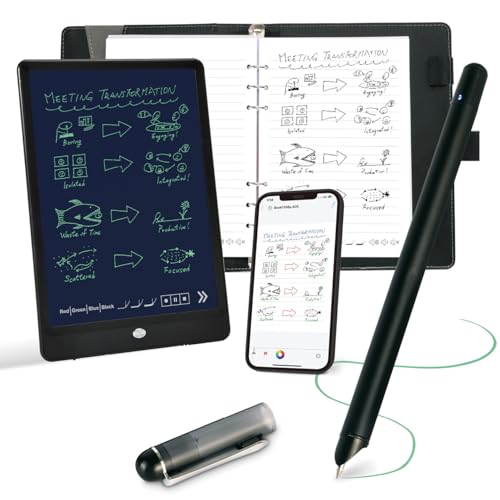
Smart Pen for Note Taking Set Real-Time Paper-to-Digital, Smart Digital Notebook with Pen for Meeting Class Creation, Convert to Text, Store, and Share Your Handwritten Notes via App(iOS/Android)
[All-in-One Kit with Instant Mobile Sync] Your paper ro writing board, now with a digital twin. This smart…
As an affiliate, we earn on qualifying purchases.
As an affiliate, we earn on qualifying purchases.
Key Components of an Effective Meeting Notes Template
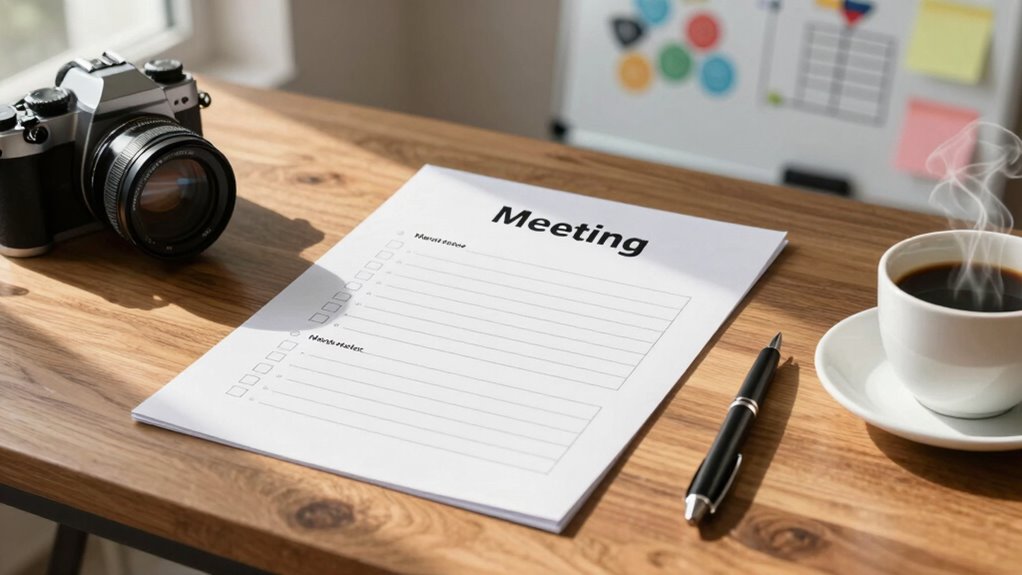
Creating an effective meeting notes template is crucial for capturing the essence of discussions and decisions made during meetings. Start by including key sections like agenda items, attendees, and action items. These components guarantee everyone knows what was discussed and who’s responsible for follow-ups. Utilize note taking strategies that emphasize brevity and clarity, like bullet points or numbered lists, to make your notes easy to read. Incorporating digital tools can enhance your template, allowing for quick edits and easy sharing. Consider integrating cloud-based applications that enable real-time collaboration, guaranteeing everyone stays on the same page. By focusing on these key components, you’ll create a meeting notes template that truly serves your team’s needs.

MERATIA 3 Pcs 36 Large Grids Clear Plastic Organizer Box with Adjustable Dividers Craft Organizers Box for Bead,Jewelry,DIY Crafts,Art,Small Items Storage (Clear-3pack-108 Grids)
VERSATILE STORAGE: Clear plastic organizer box with 36 adjustable compartments perfect for storing small items, crafting supplies, or…
As an affiliate, we earn on qualifying purchases.
As an affiliate, we earn on qualifying purchases.
Structuring Meeting Notes for Clarity

To make your meeting notes effective, you need to structure them for clarity. Start by clearly documenting key decisions, assigning action items, and setting a follow-up schedule. This way, everyone knows their responsibilities and what to expect moving forward. Incorporating clear organization techniques can also help prevent important details from being overlooked.
Key Decisions Documented Clearly
While effective meeting notes capture discussions and ideas, they must also highlight key decisions clearly to make certain everyone is on the same page. To promote decision clarity, you should organize your notes by summarizing each key decision in a dedicated section. Use bullet points or numbered lists for easy reference, and make certain to include who made the decision and any relevant context. Employing effective documentation strategies, like categorizing decisions by topic or priority, can further enhance clarity. Remember, concise language is crucial—avoid jargon and stick to straightforward terms. Incorporating clear documentation practices such as consistent formatting and labels can streamline review and follow-up. By structuring your notes this way, you create a valuable resource that keeps everyone aligned and accountable, making sure that important decisions don’t get lost in the shuffle.
Action Items Assignment Process
When you assign action items during a meeting, it’s crucial to document them clearly to guarantee everyone knows their responsibilities. This guarantees effective action item tracking and enhances assignment clarity. Use a structured format, like the table below, to keep things organized:
| Action Item | Assigned To | Due Date |
|---|---|---|
| Prepare report | Alice | March 10, 2023 |
| Update website | Bob | March 15, 2023 |
| Review budget | Charlie | March 20, 2023 |
In addition, incorporating smart automation tools can streamline this process by automatically tracking and reminding team members of their tasks.
Follow-Up Schedule Implementation
Establishing a follow-up schedule is essential for guaranteeing that action items are completed on time and that everyone stays aligned with the meeting’s objectives. Start by determining the appropriate follow-up frequency based on the urgency of tasks. For instance, daily check-ins might be necessary for critical items, while weekly reminders may suffice for less urgent tasks. Implement reminder systems to keep everyone accountable; consider using project management tools or calendar alerts. Make certain to document these schedules in your meeting notes so that all participants are aware of their responsibilities. Regularly review the progress during subsequent meetings to maintain momentum, adjust timelines if needed, and guarantee that everyone remains focused on achieving the set goals. Incorporating accountability and goal-setting strategies from remote work best practices can further enhance follow-up effectiveness.
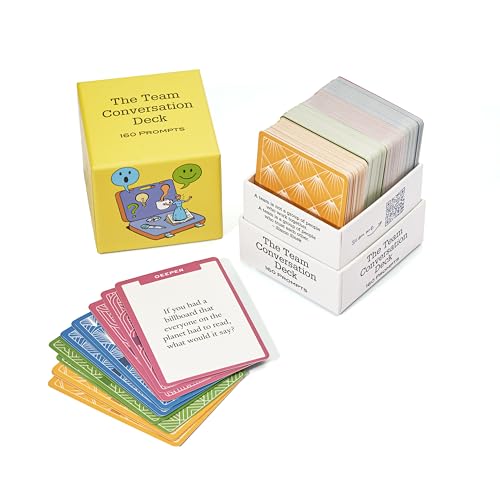
Leader Tools 160 Team Building Cards for Managers – Build Trust & Improve Team Performance – 4 Categories from Light Icebreakers to Strategic Team Questions – for Meetings, 1-on-1s & Team Offsites
100% Work-Safe, Zero Pre-Screening Needed – Every card tested with real teams across all hierarchy levels. No awkward…
As an affiliate, we earn on qualifying purchases.
As an affiliate, we earn on qualifying purchases.
Effective Methods for Capturing Action Items and Assignments

When you capture action items, it’s essential to prioritize them based on urgency and importance. Assigning clear responsibilities guarantees everyone knows their role and what’s expected. This approach not only enhances accountability but also drives your team toward achieving goals efficiently. Incorporating organization techniques can streamline your workflow and ensure nothing is overlooked.
Prioritize Action Items
Effective meetings often generate numerous action items, but capturing and prioritizing these tasks is essential for ensuring progress. To achieve effective action prioritization and item organization, consider the following methods:
- Identify urgency: Determine which tasks need immediate attention.
- Assess impact: Evaluate the potential effect of each item on your goals.
- Group similar tasks: Organize items by category for easier management.
- Set deadlines: Assign realistic time frames to keep everyone accountable.
- Review regularly: Schedule check-ins to reassess priorities and progress.
- Incorporate smart programming to structure your tasks efficiently and track progress over time.
Assign Clear Responsibilities
Prioritizing action items is just the beginning; assigning clear responsibilities is key to ensuring tasks get completed. To do this effectively, create a responsibility matrix that outlines who’s accountable for each task. This visual tool helps everyone understand their roles and avoid confusion.
Once you’ve identified responsibilities, establish an accountability framework that encourages ownership. Check in on progress regularly and provide support when needed. Encourage team members to communicate openly about challenges, so you can adjust assignments if necessary.
How to Share Meeting Notes Effectively
How can you guarantee everyone stays on the same page after a meeting? Effective note distribution is key. Use these sharing strategies to make sure your notes reach everyone promptly:
Effective note distribution ensures everyone stays aligned after a meeting, so share notes promptly and clearly.
- Send notes within 24 hours to keep them fresh.
- Use clear subject lines in emails for easy identification.
- Share notes via a centralized platform like Google Drive or Slack.
- Highlight action items and deadlines for quick reference.
- Encourage team members to ask questions for clarity.
Following Up on Meeting Decisions

Once meeting notes are shared, it’s important to assure that decisions made during the meeting are followed up on effectively. Start by implementing decision tracking methods to monitor progress on each resolution. Assign specific team members to oversee these decisions, creating accountability measures that encourage ownership. Schedule regular check-ins to discuss updates and any roadblocks that may arise. This not only keeps everyone aligned but also reinforces the importance of each decision made. If issues come up, address them promptly to maintain momentum. By actively tracking decisions and holding individuals accountable, you’ll assure that outcomes from your meetings translate into actionable results, leading to improved productivity and teamwork.
Tools to Enhance Meeting Notes
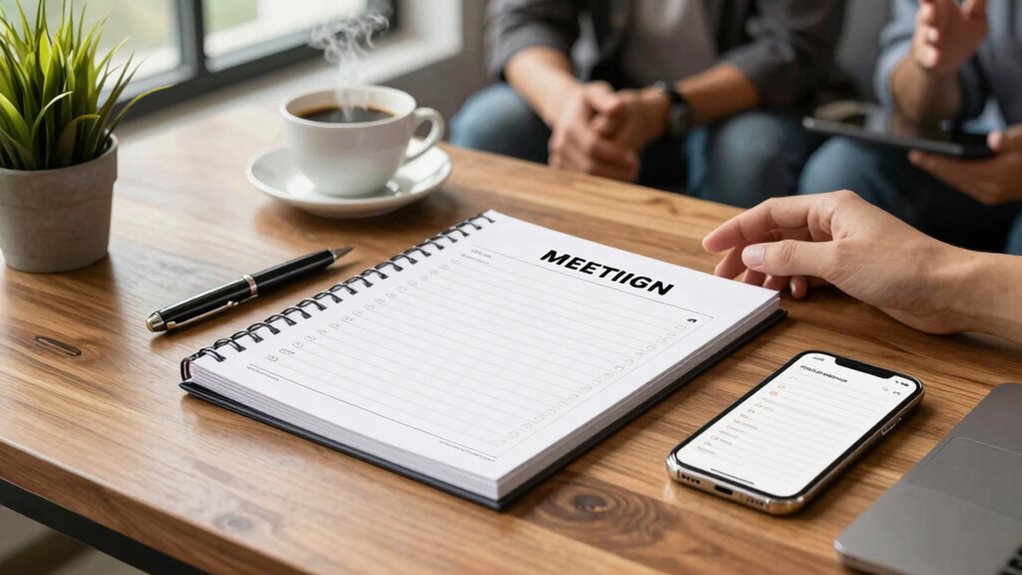
To enhance meeting notes effectively, contemplate leveraging various digital tools designed for collaboration and organization. Using the right tools can streamline your note taking strategies, ensuring you capture every essential detail. Here are some options to contemplate:
Enhance your meeting notes by utilizing digital tools that foster collaboration and organization for more effective documentation.
- Cloud-based document editors like Google Docs for real-time collaboration.
- Note-taking apps such as Evernote or OneNote to organize your thoughts.
- Task management tools like Trello or Asana to track follow-ups and action items.
- Voice recording apps to capture discussions for later reference.
- Mind mapping software to visualize ideas and connections discussed.
- Utilizing wellness technology can also support focus and mental clarity during meetings.
Customizing Your Template for Different Meeting Types
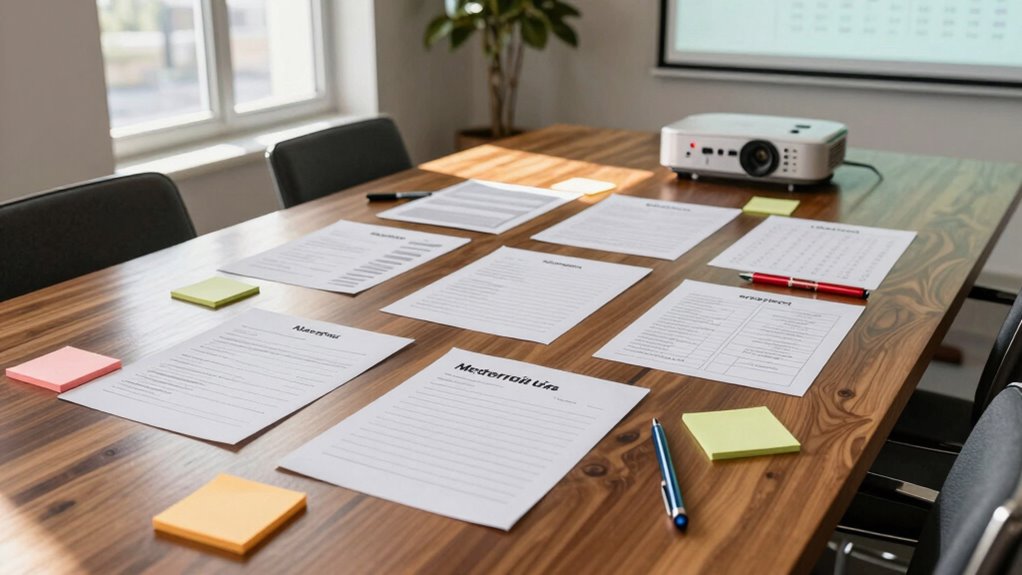
Every meeting serves a unique purpose, so customizing your notes template can greatly enhance your effectiveness. To guarantee you capture the right information, consider the specific meeting types you’ll encounter. For brainstorming sessions, focus on capturing ideas and themes, while in project updates, emphasize timelines and key deliverables. If you’re in a decision-making meeting, your template should prioritize action items and responsibilities. Template customization allows you to adapt your format based on these needs, making sure you’re organized and efficient. Don’t forget to leave space for participant feedback and follow-ups, which are essential for accountability. By tailoring your notes to fit each meeting type, you’ll find it easier to stay engaged and productive.
Common Mistakes to Avoid When Taking Meeting Notes

While taking meeting notes may seem straightforward, there are several common mistakes that can hinder your effectiveness. Avoiding these note taking errors is essential for ensuring clarity and understanding. Here are five mistakes to steer clear of:
- Skipping important details, leading to confusion later
- Writing in shorthand or abbreviations that you won’t remember
- Focusing too much on verbatim quotes instead of key points
- Neglecting to highlight action items and decisions made
- Not reviewing or organizing notes after the meeting
Frequently Asked Questions
How Can I Improve My Note-Taking Skills During Meetings?
To improve your note-taking skills during meetings, focus on active listening. Pay attention to key points and important discussions. As you listen, jot down concise summaries of what’s being said instead of trying to write everything down. Use bullet points to organize your thoughts and highlight decisions or action items. Review your notes after the meeting to reinforce your understanding and guarantee you capture all essential information. Practice makes perfect, so keep refining your approach!
What Software Is Best for Creating Meeting Notes?
When it comes to creating meeting notes, think of note-taking apps like Evernote or OneNote as your trusty sidekicks. They let you capture ideas quickly and easily. If you want to enhance collaboration, tools like Google Docs or Notion shine, allowing everyone to contribute in real-time. These platforms not only organize your thoughts but also guarantee your team’s insights are never lost. So, pick the one that suits your style and start taking those notes!
Can I Use Voice Recording for Taking Meeting Notes?
Yes, you can definitely use voice recording for taking meeting notes! It’s a convenient way to capture discussions, but make certain you prioritize voice clarity to guarantee your recordings are easy to understand. After recording, you can use transcription software to convert your audio into text. Just remember, transcription accuracy can vary, so always double-check the notes for any mistakes. This way, you won’t miss any important decisions made during the meeting!
How Often Should I Review Past Meeting Notes?
You should review past meeting notes at least once a week—it’s like a superhero’s power to keep your projects on track! Regular review frequency helps you retain important notes and decisions, preventing vital details from slipping through the cracks. If you’ve got ongoing projects, consider reviewing them even more often. This way, you’ll stay updated and make informed choices, ensuring nothing gets forgotten in the whirlwind of tasks.
What Should I Do if I Miss a Meeting?
If you miss a meeting, don’t panic! Start by reaching out to a colleague for a quick summary. They can provide insights on key discussions and decisions. Next, review the meeting notes if available; they’re often a goldmine for catch-up strategies. Consider scheduling a follow-up chat with your team to clarify any uncertainties. This way, you’ll stay informed and engaged, even after those missed meetings.
Conclusion
To sum up, using a well-structured meeting notes template can truly transform your decision-making process. Research shows that teams who document decisions are 30% more likely to follow through on action items. By capturing key points, action items, and assignments clearly, you not only enhance accountability but also foster collaboration. So, customize your template, avoid common pitfalls, and watch your team’s effectiveness soar as you stop forgetting decisions that matter. Start making your meetings count!