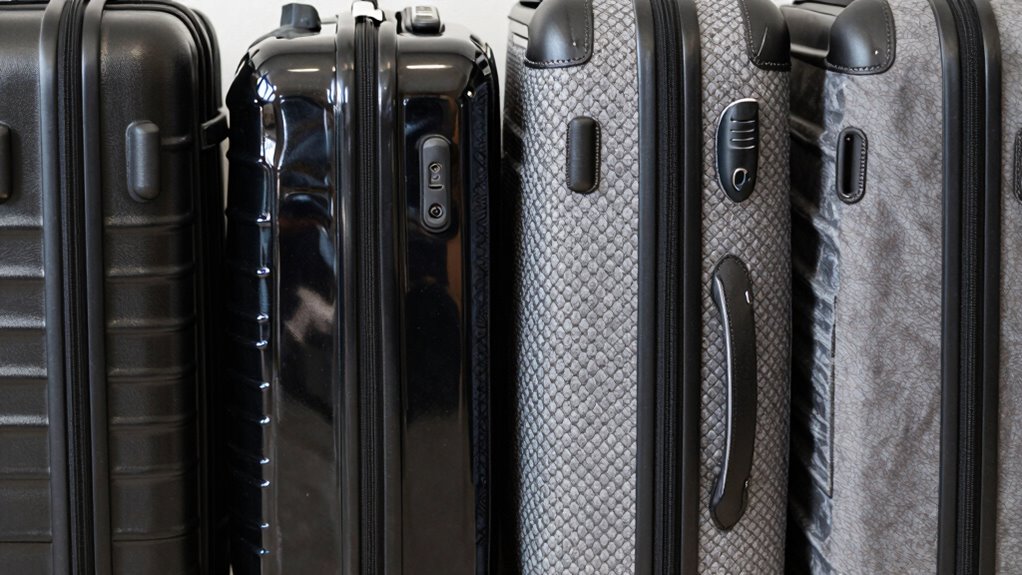

When comparing carry-on luggage materials, you’ll find that hard-shell options like polycarbonate resist impacts but come with higher environmental concerns due to fossil fuel use. Soft-sided bags made from nylon or recycled fibers are lighter, flexible, and often eco-friendlier, while leather adds durability and style but impacts the environment unless sustainably sourced. Each material balances durability and sustainability differently, so exploring your travel needs better will help you choose wisely. Keep exploring to discover more about each option.

Get the little things that make your day delivered free — and shop member deals
- Fast, free delivery on millions of items
- Access to Prime Big Deal Days deals on October 6–7
- Prime Video, Amazon Music and more included
Key Takeaways
- Hard-shell luggage offers superior impact protection but relies on environmentally intensive plastics like polycarbonate and ABS.
- Soft-sided cases, made from nylon or polyester, are lighter, more flexible, and often incorporate recycled fibers for eco-friendliness.
- Nylon provides high tear resistance and durability, while polyester offers better water resistance and UV stability.
- Leather luggage is highly durable and ages well but has a larger environmental impact due to livestock farming and tanning processes.
- Recycled fibers in soft-sided luggage balance durability with reduced ecological footprint, aligning with sustainable travel values.
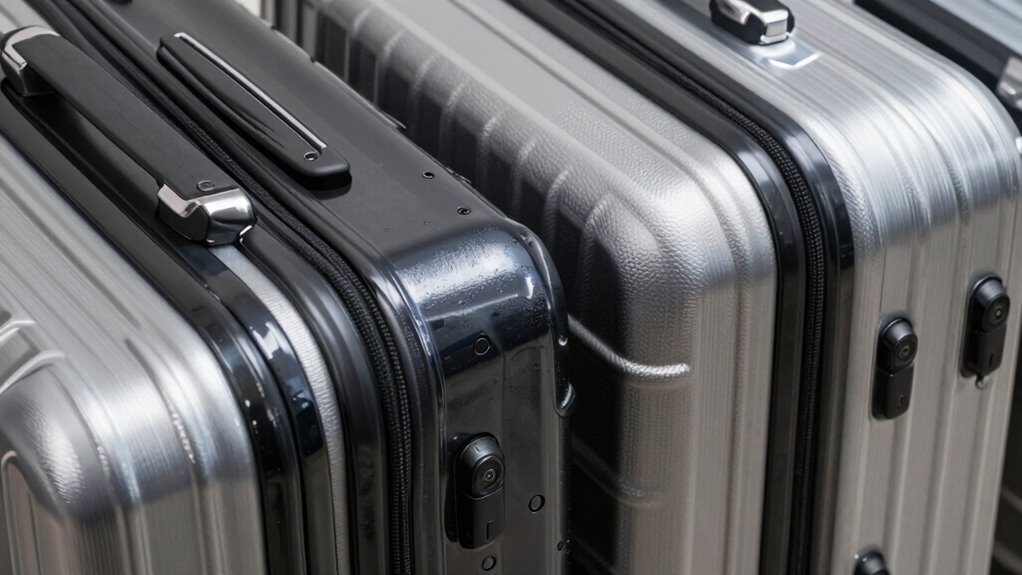
When choosing carry-on luggage, the materials used play a crucial role in determining its durability, weight, and overall performance. You want something that can withstand the rigors of travel without adding unnecessary weight, while also considering its environmental impact. Different materials offer varying levels of durability considerations, which influence how well your luggage holds up over time. Hard-shell suitcases made from polycarbonate or ABS plastic are popular for their robustness. Polycarbonate, in particular, is highly resistant to impact, so it’s less likely to crack or break if you drop it. ABS is lighter and more affordable but tends to be less durable, especially under heavy stress. If durability is your top priority, polycarbonate often strikes the best balance, but keep in mind that these plastics are derived from fossil fuels, raising concerns about their environmental impact.
Hard-shell luggage like polycarbonate offers impact resistance but comes with higher environmental costs.
Soft-sided luggage, usually made from nylon or polyester, offers a different set of advantages. These materials tend to be lighter and more flexible, making them easier to squeeze into tight storage spaces. Nylon, especially ballistic nylon, is known for its strength and resistance to tears, which enhances durability considerations. Polyester, while slightly less tough than nylon, is more resistant to water and UV damage, extending its lifespan. When evaluating durability, consider how well these fabrics resist abrasion and punctures. From an environmental perspective, both nylon and polyester are synthetic and derive from non-renewable resources, but they can be manufactured with recycled fibers, reducing their ecological footprint. Additionally, sustainable material choices are becoming more common in the luggage industry, offering eco-conscious options for travelers. Incorporating recycled fibers into production is a notable trend that helps mitigate environmental concerns associated with synthetic fabrics.
Leather is another option, often used for luxury or vintage-style luggage. It’s incredibly durable and ages well, developing a unique patina over time. However, genuine leather requires more maintenance and has a larger environmental footprint due to livestock farming and tanning processes. Faux leather or vegan alternatives, made from polyurethane or other synthetic materials, offer a more environmentally friendly choice, though they may not match the durability of genuine leather.
Ultimately, your choice hinges on balancing durability considerations with environmental impact. Hard-shells provide excellent protection but come with higher fossil fuel consumption, whereas soft-sided options can be more eco-friendly if made from recycled fibers. Leather offers durability and style but at a significant environmental cost unless you opt for sustainable alternatives. By understanding these material differences, you can select a carry-on that meets your travel needs while aligning with your values regarding sustainability.
As an affiliate, we earn on qualifying purchases.
Frequently Asked Questions
Which Carry-On Material Is Most Eco-Friendly?
You’ll find that recycled polycarbonate or recycled PET (plastic bottles) are the most eco-friendly options for carry-on luggage. These materials benefit from recycling practices and manufacturing sustainability, reducing waste and energy use. By choosing luggage made from recycled materials, you support environmentally conscious production. Not only do you get durable, lightweight luggage, but you also help decrease your carbon footprint, making eco-friendly choices easier during your travels.
How Do Different Materials Affect Luggage Weight?
Think of your luggage as a ship steering the travel seas—lighter ships sail faster. Different materials influence weight, with lightweight fabrics and polycarbonate shells helping you pack more without sinking your carry-on. Material flexibility affects how well the bag molds to your contents, impacting weight distribution and durability. Choosing lighter, flexible materials means less weight on your journey, making travel smoother and more efficient, like a well-balanced vessel ready to set sail.
Are Certain Materials More Theft-Resistant?
Certain materials are more theft-resistant, especially when combined with features like tamper-proof zippers and reinforced corners. Hard-shell cases made from polycarbonate or aluminum offer better protection against theft because they’re harder to break into and often include secure closures. Soft-sided luggage with sturdy fabric, reinforced with lockable zippers and reinforced corners, also deters theft, but less so than rigid materials. Always look for features that enhance security when choosing your luggage.
How Do Materials Impact Luggage Durability Over Time?
Think of your luggage as a trusted companion on your journeys. The materials you choose, like flexible fabrics or sturdy polycarbonate, symbolize resilience and adaptability. These materials directly impact durability over time—flexible ones absorb shocks better, while surface scratch resistance keeps your luggage looking new longer. By selecting durable, resilient materials, you guarantee your luggage withstands the rigors of travel, maintaining its strength and appearance mile after mile.
Which Materials Are Best for Extreme Weather Conditions?
For extreme weather conditions, you should choose luggage made from ultralight fabrics with excellent insulation properties. These materials keep your belongings protected from cold or heat while remaining lightweight, making travel easier. Look for options with weather-resistant coatings or reinforced outer shells, guaranteeing durability against rain, snow, or intense sun. This combination ensures your luggage withstands harsh environments and keeps your items safe and insulated during challenging weather.
recycled fiber soft-sided suitcase
As an affiliate, we earn on qualifying purchases.
As an affiliate, we earn on qualifying purchases.
Conclusion
Choosing the right carry-on luggage material depends on your travel style and priorities. Whether you prefer lightweight durability or sleek aesthetics, understanding the differences helps you make smarter decisions. Will you prioritize resilience for rugged trips or opt for a stylish, lightweight option for everyday travel? Ultimately, selecting the right material means your luggage will keep up with your adventures, making every journey smoother and more enjoyable. Isn’t it worth investing in quality that lasts?
impact-resistant hard-shell luggage
As an affiliate, we earn on qualifying purchases.
As an affiliate, we earn on qualifying purchases.
As an affiliate, we earn on qualifying purchases.
Halloween Picks
halloween
As an affiliate, we earn on qualifying purchases.


![10 Things To Do For This Saturday in L.A. [7-4-2026]](https://exactarticle.com/wp-content/uploads/2026/07/10-things-to-do-for-this-saturday-in-l-a-7-4-2026-featured-560x300.jpg)