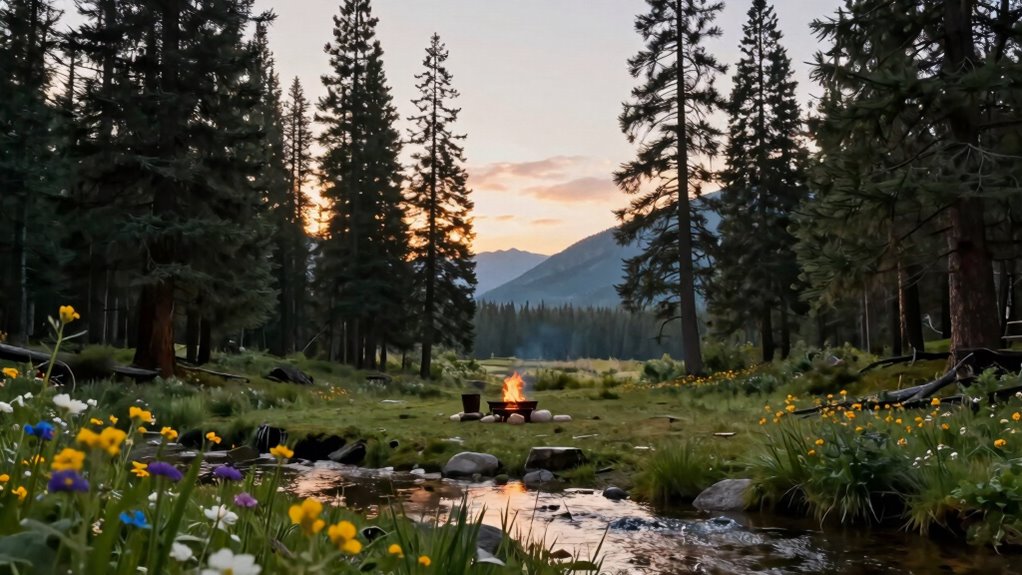
When choosing a campsite, focus on five key factors: location near trails and water, access to safe and potable water sources, safety factors regarding wildlife encounters, essential amenities like restrooms and fire pits, and the terrain along with regulations in the area. Make certain you evaluate each aspect to guarantee a comfortable and enjoyable experience. There’s plenty more to take into account that can further enhance your camping adventure.
Key Takeaways
- Choose a campsite near hiking trails and water sources while ensuring easy accessibility and scenic views.
- Verify nearby water sources for safety and ensure you have proper filtration methods for non-potable water.
- Consider wildlife safety by securing food, avoiding animal trails, and making noise while hiking to prevent surprises.
- Look for essential amenities like restrooms, fire pits, and trash disposal options to enhance your camping experience.
- Assess terrain for flatness and obstacles, and be aware of local regulations regarding fire and wildlife.
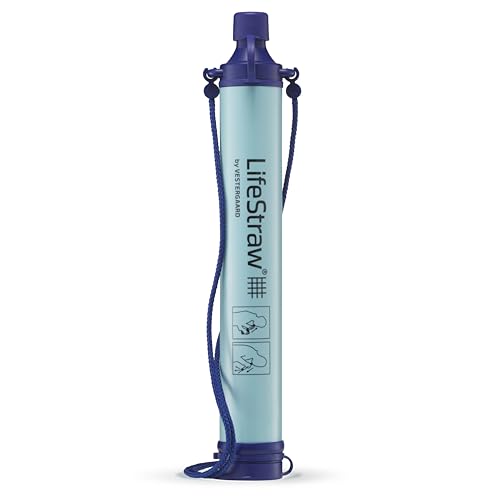
LifeStraw Personal Water Purifier for Hiking, Camping, Travel, and Emergency Preparedness
Removes Bacteria & Parasites: The Microfiltration Membrane Removes 99.999999% of Waterborne Bacteria (Including E. Coli and Salmonella), and…
As an affiliate, we earn on qualifying purchases.
As an affiliate, we earn on qualifying purchases.
What Should You Consider When Choosing a Campsite?
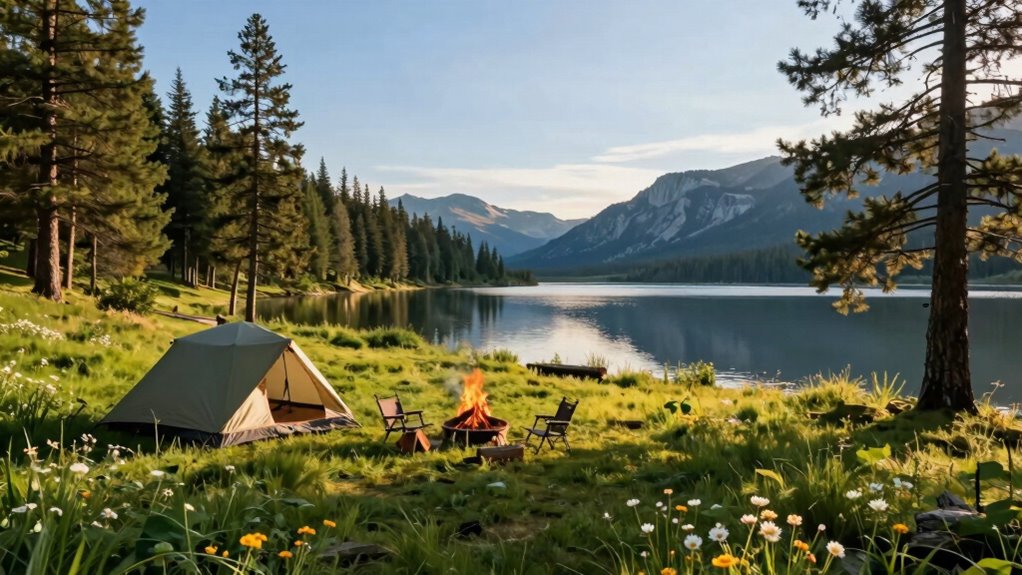
When you’re picking a campsite, what factors should you prioritize? First, consider the campsite location. Is it near hiking trails, water bodies, or scenic views? Accessibility is key, so make certain you can reach it easily. Next, think about the weather conditions. Check the forecast and choose a spot that provides adequate shelter from wind or rain. If you’re camping in a warmer season, look for shaded areas to stay cool. Also, avoid low-lying areas that might collect water during unexpected downpours. Finally, confirm the campsite is safe from wildlife and away from hazards like cliffs or dead trees. By prioritizing these factors, you’ll set yourself up for a more enjoyable camping experience.

BearVault BV500 Journey Bear Resistant Food Container – Extra Large
Every ounce matters! The BV500 excels as a high volume, lightweight bear barrel for backpacking. The most spacious…
As an affiliate, we earn on qualifying purchases.
As an affiliate, we earn on qualifying purchases.
Why Water Sources Matter When Camping?
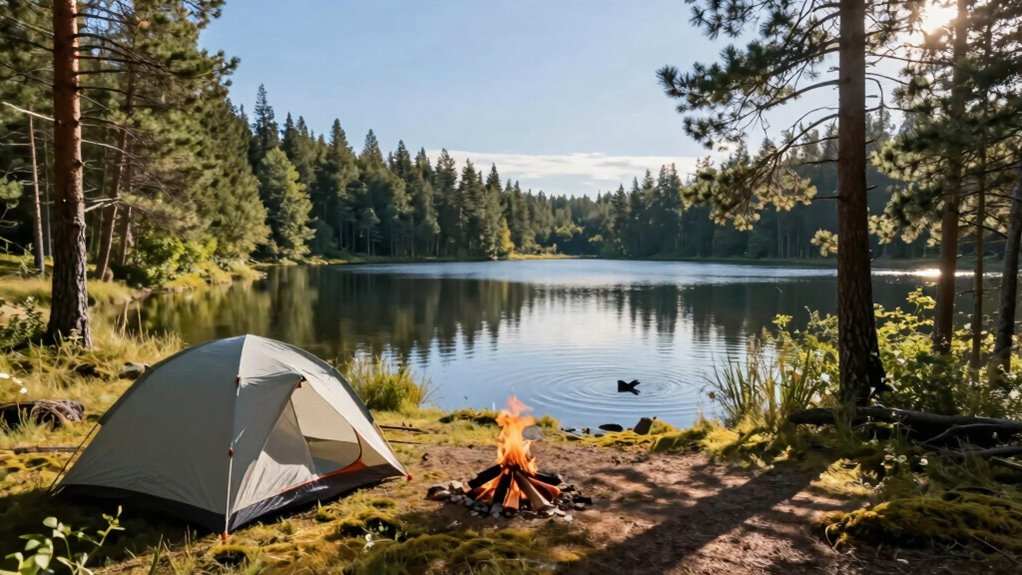
Water sources play an essential role in your camping experience. They not only meet your hydration needs but also simplify cooking and cleaning. When selecting a campsite, check for nearby water sources and verify they’re safe for consumption. Remember, you’ll need to use water filtration methods if the water isn’t potable.
Here’s a quick comparison of water sources:
| Water Source | Filtration Needed |
|---|---|
| Stream | Yes |
| Lake | Yes |
| Spring | No (usually) |

Odoland Camping Campfire Grill, Portable Folding Charcoal Grills, Backpacking BBQ Grill, Heavy Duty Firepit with Carry Bag for Outdoor Cooking, Bonfire, Patio, Backyard
【Portable & Lightweight】For space-saving storage and quick organization, the charcoal camping grill with compact size (13" x 10.5")…
As an affiliate, we earn on qualifying purchases.
As an affiliate, we earn on qualifying purchases.
Safety and Wildlife Considerations
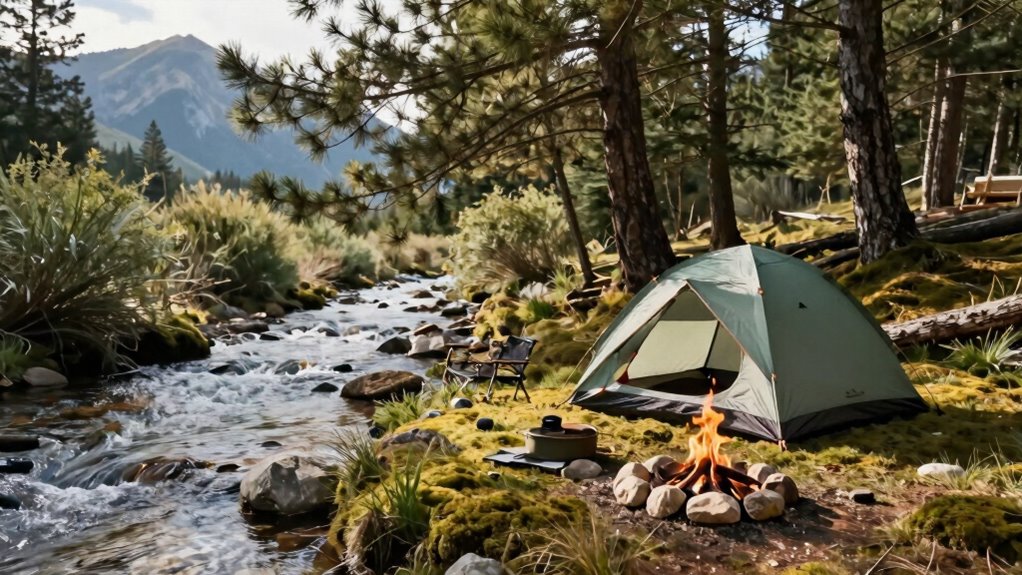
While staying hydrated is essential, safety around wildlife is equally important when choosing a campsite. You need to be aware of potential wildlife encounters and take appropriate safety measures. First, research the area for specific animals you might encounter, like bears or snakes. Store food securely in bear-proof containers and never leave scraps behind. Setting up your campsite away from animal trails and water sources can also minimize risks. Additionally, understanding how to maintain a toxin-free environment can further protect your family from potential dangers. Make noise while hiking to avoid surprising wildlife and consider carrying bear spray as a precaution. It’s vital to know how to react if you do encounter an animal; keeping calm and backing away slowly is often the best approach. Prioritizing these safety measures will help guarantee a safe and enjoyable camping experience.

Night Cat Backpacking Tent for One 1 to 2 Persons Lightweight Waterproof Camping Hiking Tent for Adults Kids Scouts Easy Setup Single Layer 2.2×1.2m
【Protect Your Hands】 Night Cat backpacking tent (ZP-10) uses the upgraded fiberglass pole that is fully covered with…
As an affiliate, we earn on qualifying purchases.
As an affiliate, we earn on qualifying purchases.
Essential Amenities to Look for in a Campsite
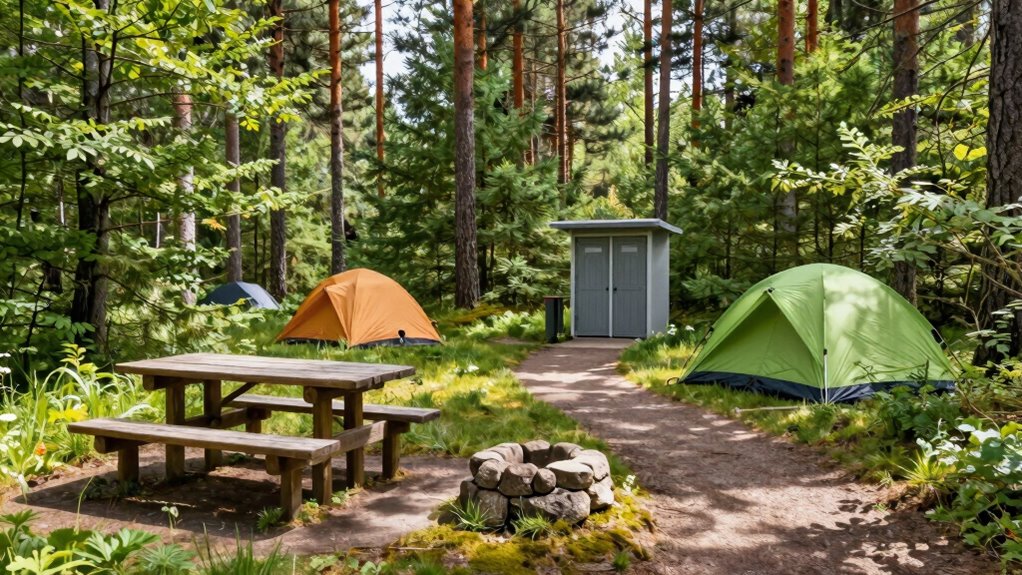
What amenities should you consider when selecting a campsite? First, check the campground facilities. Look for essentials like restrooms, showers, and picnic tables. These can make your stay more comfortable. Also, consider if there are fire pits or grills available for cooking.
Next, assess the campsite cleanliness. A well-maintained area indicates that the management cares for the environment and your experience. Trash disposal options are vital to keep the area tidy and safe. Additionally, if you plan to stay connected, you might want to verify power supply options to ensure your devices stay charged during your trip.
Finally, see if there’s access to potable water, as staying hydrated is key during your outdoor adventures. By prioritizing these amenities, you’ll set yourself up for a pleasant and enjoyable camping experience.
Understanding Accessibility, Terrain, and Regulations
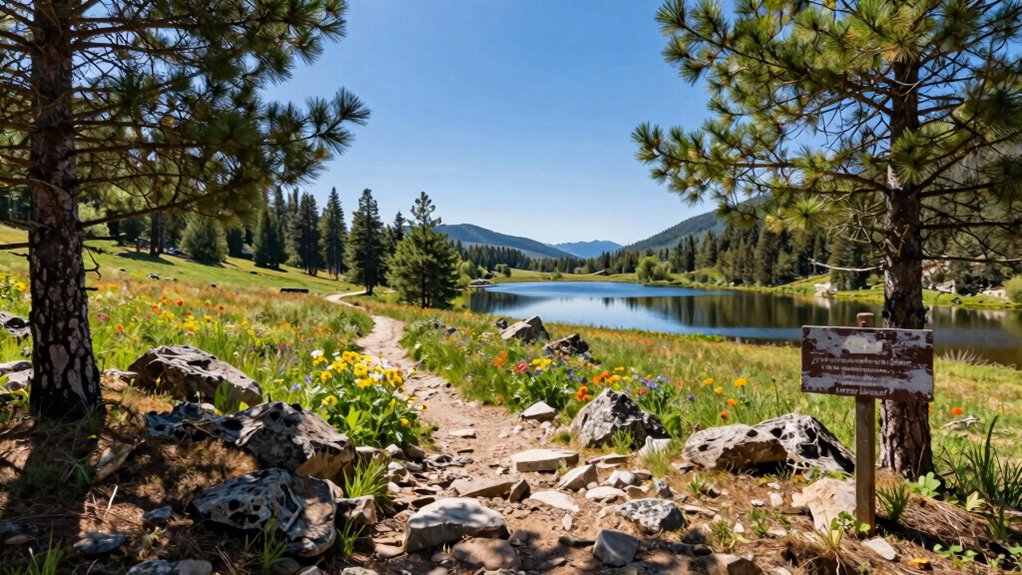
Before you finalize your campsite choice, consider the accessibility, terrain, and regulations that might impact your experience. The right site enhances your adventure, so pay attention to the campsite infrastructure and trail proximity. Is the site easy to reach? Are there any specific rules you need to follow?
Here’s a quick table to help you evaluate:
| Factor | Considerations |
|---|---|
| Accessibility | Road conditions, distance to site |
| Terrain | Flatness, obstacles, water sources |
| Regulations | Fire restrictions, wildlife rules |
| Campsite Infrastructure | Amenities, distance to trails |
Understanding these aspects guarantees you choose a site that fits your needs, allowing you to fully enjoy your camping experience.
Frequently Asked Questions
What Are the Best Times of Year for Camping?
The best times for camping are typically summer and fall. Summer camping offers warm weather, longer days, and vibrant landscapes, perfect for outdoor adventures. However, fall camping brings cooler temperatures, stunning foliage, and fewer crowds. You’ll enjoy cozy campfires under starry skies and the crisp scent of autumn. Whichever season you choose, both summer and fall provide unique experiences that can make your camping trip unforgettable. So, pack your gear and get ready to explore!
How Do I Prepare for Extreme Weather Conditions?
To prepare for extreme weather conditions, you’ll need to gather proper weather gear like waterproof jackets, insulated layers, and sturdy boots. Don’t forget to pack emergency supplies, including a first aid kit, extra food, and a reliable flashlight. Make sure your tent is sturdy enough to withstand strong winds and heavy rain. Check forecasts regularly, and always have a backup plan in case conditions worsen. Staying informed and prepared is key to enjoying your camping trip.
What Should I Pack for a Multi-Day Camping Trip?
When you’re packing for a multi-day camping trip, imagine hiking into the wilderness like Sarah did last summer, fully prepared. Start with essential gear like a sturdy tent and a warm sleeping bag. Don’t forget cooking supplies and a reliable cooler for meal planning; quick, nutritious meals can make or break your experience. Pack extra layers for warmth, a first aid kit, and plenty of water to keep you hydrated on your adventure.
How Can I Minimize My Impact on the Environment?
To minimize your impact on the environment, practice Leave No Trace principles. Always pack out what you pack in, dispose of waste properly, and stick to established trails to protect vegetation. Use eco-friendly practices like biodegradable soaps and avoid single-use plastics. Camp at least 200 feet from lakes and streams to protect water quality. By being mindful of your surroundings and respecting nature, you’ll help preserve the beauty for future generations.
What Are Common Camping Etiquette Rules to Follow?
When camping, follow common etiquette rules like Leave No Trace principles. You’ll want to pack out what you pack in, ensuring nature stays pristine. Respect quiet hours—keep noise levels down to enjoy the serenity of the outdoors and let others do the same. If you see a campsite, keep your distance and don’t intrude on others’ space. By following these guidelines, you’ll foster a friendly atmosphere for everyone.
Conclusion
When you’re choosing a campsite, remember that the right spot can make or break your experience. Did you know that nearly 60% of campers say access to water sources is a top priority for them? By considering water availability, safety, amenities, and accessibility, you can guarantee a fun and memorable trip. So, take your time in selecting the perfect campsite, and you’ll set the stage for amazing adventures under the stars!