
If you get lost hiking, stay calm and assess your surroundings. Check for recognizable landmarks and use a map or GPS to establish your location. Look for trail signs and decide if it’s safer to stay put or attempt navigation back based on time and visibility. Signal for help with three sharp whistle blasts or create large symbols on the ground. Remember, there are more strategies to enhance your hiking safety and guarantee a successful adventure ahead.
Key Takeaways
- Stay calm and assess your surroundings to gather information about your location.
- Use a map or GPS to establish your exact location and plot a course back to safety.
- Identify recognizable landmarks and trail markers to guide your navigation efforts.
- Decide whether to stay put for safety or navigate back based on visibility and time of day.
- Signal for help using whistle blasts, reflective materials, or large ground symbols to attract rescuers’ attention.

Garmin 010-02256-00 eTrex 22x, Rugged Handheld GPS Navigator, Black/Navy
Explore confidently with the reliable handheld GPS
As an affiliate, we earn on qualifying purchases.
As an affiliate, we earn on qualifying purchases.
Stay Calm and Assess Your Surroundings

When you realize you’re lost while hiking, it’s essential to stay calm and take a moment to assess your surroundings. First, breathe deeply to reduce any panic that may arise. Focus on the immediate area: look for landmarks, distinctive trees, or unusual terrain. This helps you maintain focus and gather crucial information about your environment. Take note of any sounds, like flowing water or wildlife, which might indicate nearby paths or trails. Avoid rushing; instead, give yourself time to think logically about your next steps. Remember, many hikers have felt lost but found their way back. By remaining composed and attentive, you’ll increase your chances of maneuvering safely. Trust your instincts and take control of the situation.

LuxoGear Emergency Whistles with Lanyard Safety Whistle Survival Shrill Loud Blast for Kayak Life Vest Jacket Boating Fishing Boat Camping Hiking Hunting Rescue Signaling Kids Lifeguard Plastic 2 Pack
SUPER LOUD survival whistle: double tubes emergency whistle, high pitched powerful noise maker with dual sound chambers, can…
As an affiliate, we earn on qualifying purchases.
As an affiliate, we earn on qualifying purchases.
Establish Your Location
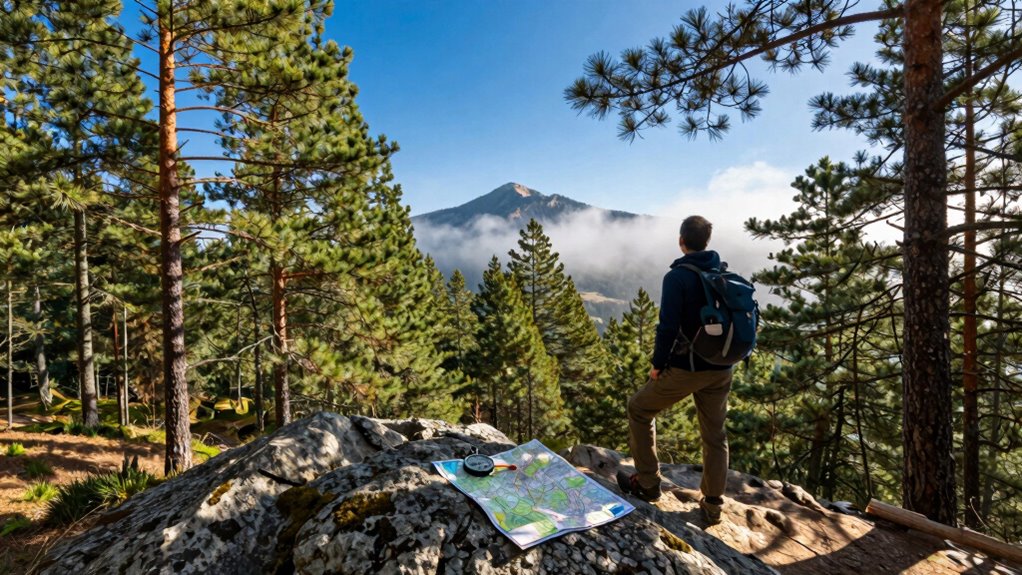
To find your way when you’re lost, start by using your map to pinpoint your location. Look for any recognizable landmarks around you that can help guide your next steps. If you have GPS technology, don’t hesitate to utilize it for a more accurate sense of where you are.
Use Your Map
A good map is your best ally when you realize you’re lost while hiking. Mastering map reading and honing your navigation skills can help you regain your bearings. Here’s how to use your map effectively:
- Identify Your Location: Look for recognizable landmarks or trail intersections on your map. Cross-reference them with your surroundings to pinpoint where you are. Utilizing topographical features on the map can provide additional clues to your precise position.
- Determine Your Route: Once you know your location, plot a course back to safety. Use the trails marked on the map to guide your path.
- Stay Aware: Continuously check your map as you hike. This guarantees you’re on track and helps reinforce your navigation skills.
Identify Landmarks Around
Identifying landmarks around you is essential for reestablishing your location when you’re lost. Start by using landmark recognition to spot key features like distinctive trees, rock formations, or water bodies. These natural navigation tools can help you orient yourself and determine your direction. If you see a mountain peak or a river, compare it with your map to verify you’re on the right track. Additionally, take note of the sun’s position; it can guide you based on the time of day. Use your surroundings—like the sound of flowing water or animal calls—to further refine your location. By actively observing and utilizing these landmarks, you can regain your bearings and confidently find your way back.
Utilize GPS Technology
As you find yourself lost, utilizing GPS technology can be a game changer in establishing your location. With the right tools, you can quickly regain your bearings. Here are three effective ways to use GPS technology:
- GPS Apps: Download popular GPS apps like Google Maps or Gaia GPS that provide real-time location tracking.
- Smartphone Features: Use your smartphone’s built-in GPS features to pinpoint your location, even in remote areas.
- Offline Maps: Before heading out, download offline maps to guarantee you have access to navigation tools without relying on cellular service.

Amylove Reflective Trail Markers Bright Trail Signs Lightweight Glow Trail Arrows Markers for Tree Marking Reflector Camping Hunting Hiking and More, Orange (48 Pcs)
Mark Your Route: these reflective trail markers can help you remember the direction and the way back, and…
As an affiliate, we earn on qualifying purchases.
As an affiliate, we earn on qualifying purchases.
Identify Landmarks and Trail Signs
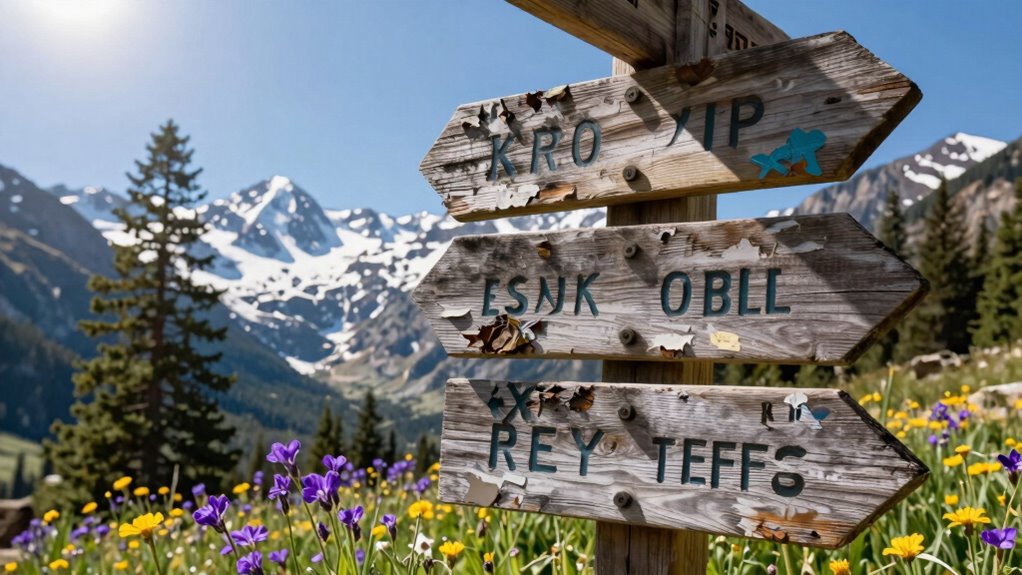
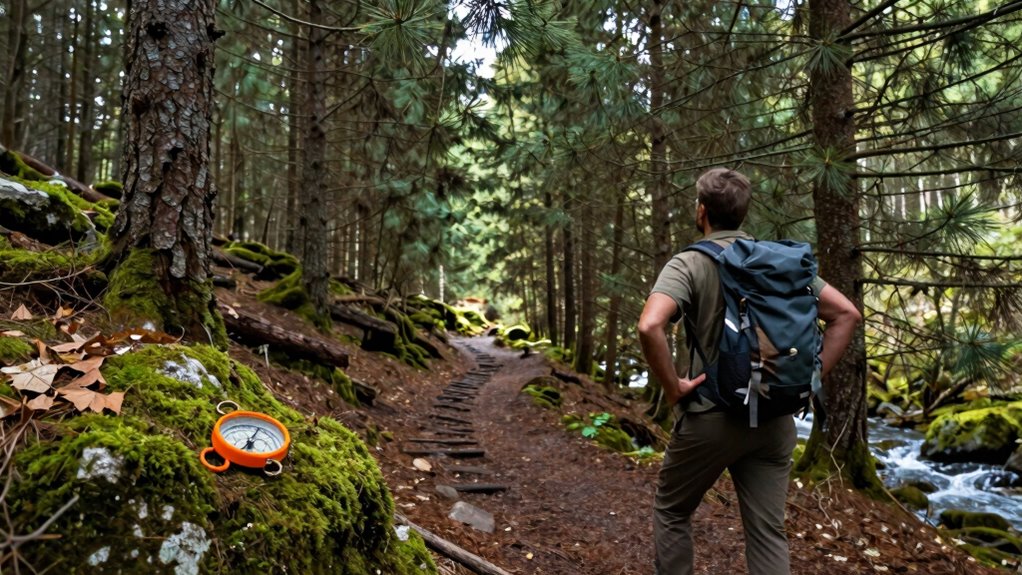
When you find yourself lost while hiking, recognizing landmarks and trail signs can be your best route to safety. Look for trail markers, as they often guide you back to the designated path. These markers can include colored blazes on trees or posts, which indicate the direction you should head. Additionally, pay attention to natural features around you, like distinctive rock formations, rivers, or hills. These features can serve as reference points to help you navigate. If you spot a familiar landmark, it might lead you back to a known trail. Trust your instincts, and use these visual cues to regain your bearings. Staying observant will greatly increase your chances of finding your way back. Understanding trail markers can help you interpret these signs more effectively.

BOSOIRSOU 12pcs Orienteering Compass Set – Waterproof, Map Compass for Hiking, Backpacking, Camping, Kids, Travelling
PACKAGE INCLUDED – The package contains 12 mountaineering compasses, the quantity is sufficient, when you are doing outdoor…
As an affiliate, we earn on qualifying purchases.
As an affiliate, we earn on qualifying purchases.
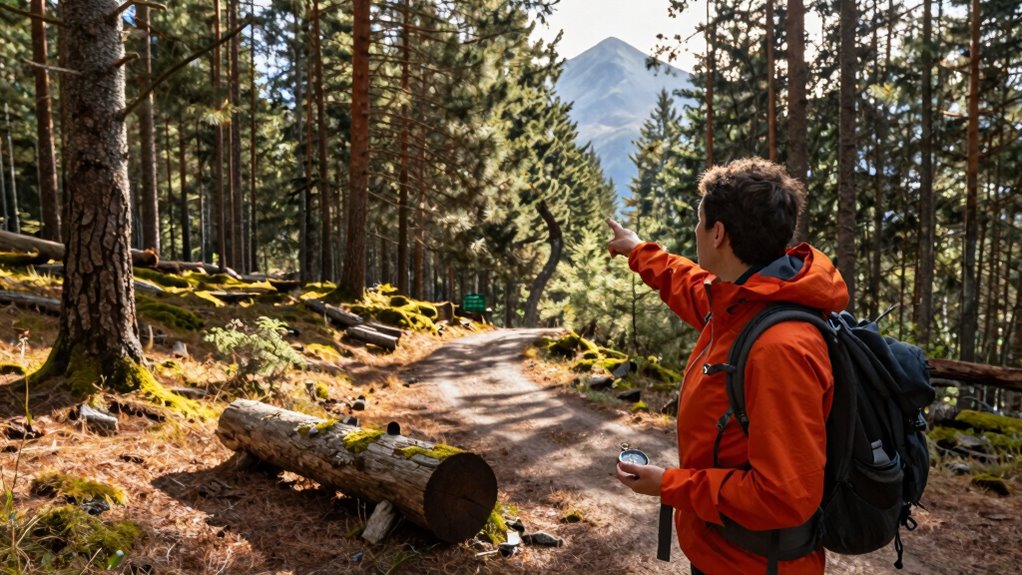
After evaluating your surroundings and spotting any recognizable landmarks or trail signs, the next step is deciding whether to stay put or attempt to navigate back. Here are some factors to take into account:
- Safety: If you’re injured or the weather is worsening, it’s wise to stay put until help arrives.
- Landmarks: If you see familiar landmarks, you may feel confident enough to move forward. However, verify you’re not heading in circles.
- Time of Day: If daylight is fading, it’s better to stay put. Hiking in the dark increases risks of injury.
Ultimately, weigh your options carefully. If you choose to stay put, make yourself visible. If moving forward seems feasible, proceed with caution and confidence.
How to Signal for Help When Lost While Hiking

If you find yourself lost while hiking, signaling for help becomes essential to guarantee your safety. Start by using whistle signals, as they carry far and can alert nearby hikers or rescuers. Three sharp blasts is the universal distress signal, so practice this before heading out. Next, utilize reflective materials, like a mirror or a shiny piece of fabric. Position these items to catch sunlight, creating a visible flash that can reach distant searchers. If it’s safe, create large symbols on the ground using rocks, branches, or even your gear, spelling out “HELP” or an SOS. Remember, staying visible and audible increases your chances of being found quickly, so make your signals clear and effective.
Learning From the Experience

Although getting lost can be a frightening experience, it’s also an opportunity to learn valuable lessons for future hikes. Embracing this chance for personal growth helps you become a more confident and prepared hiker. Here are some reflection techniques to ponder:
- Evaluate your preparation: What could you have done differently? Review your gear, navigation skills, and route planning.
- Analyze your decisions: Reflect on the choices that led to getting lost. Contemplate how you can make better decisions in the future.
- Embrace the experience: Recognize that challenges often lead to personal growth. Each adventure teaches you something new.
Tips for Future Hiking Adventures
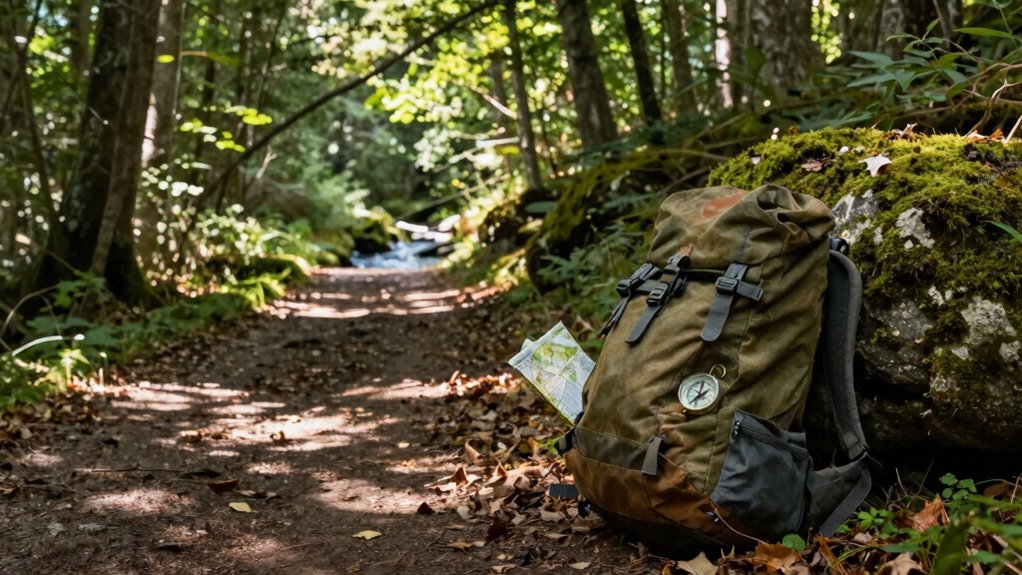
When planning your next hiking adventure, remember that preparation is key to a successful and enjoyable experience. Start by investing in quality hiking gear, including sturdy boots, weather-appropriate clothing, and a reliable backpack. Don’t forget essentials like a map, compass, and first-aid kit. Before heading out, familiarize yourself with the trail and check the weather forecast. Environmental considerations such as respecting wildlife and minimizing your impact can ensure the natural beauty remains preserved for future hikers.
Implement safety precautions by hiking with a buddy whenever possible, and always let someone know your planned route and estimated return time. Stay on marked trails to avoid getting lost, and keep an eye on your surroundings for landmarks. Finally, practice basic navigation skills to boost your confidence and guarantee you can handle unexpected situations. Happy hiking!
Frequently Asked Questions
What Should I Do if It Starts to Rain While I’m Lost?
If it starts to rain while you’re lost, find shelter options quickly. Look for overhanging rocks, dense trees, or a natural depression to shield yourself from the rain. If you’ve got rain gear, put it on to stay dry and warm. Keep your body temperature stable by staying active, but don’t exhaust yourself. Remember to stay put if conditions worsen, as wandering can make it harder for rescuers to find you.
How Can I Prevent Wildlife Encounters While Lost?
To prevent wildlife encounters while lost, stay aware of your surroundings and make noise to alert animals of your presence. Use scent deterrents like citrus peels or vinegar to mask your smell, which can help keep curious creatures away. Avoid hiking at dawn or dusk when wildlife is most active. If you spot any animals, back away slowly and calmly, ensuring you don’t startle them or provoke an encounter.
Is It Safe to Drink Water From Streams When Lost?
It’s generally not safe to drink water from streams without purifying it first. Streams can contain harmful bacteria and parasites, which can lead to illness. If you’re lost, always try to purify the water by boiling it for at least one minute or using water purification tablets. Remember, stream safety is essential for your health. Take the time to guarantee the water you drink is safe to avoid further complications on your journey.
What Items Should I Always Carry to Avoid Getting Lost?
When you’re out in the wild, think of your gear as your compass for safety. Always carry navigation tools like a map, compass, or GPS device, along with emergency supplies such as a first-aid kit, flashlight, and fire-starting materials. These essentials not only keep you oriented but also prepare you for unexpected situations. By being proactive, you can turn a potential misadventure into a memorable exploration instead. Stay safe and enjoy your hike!
How Can I Stay Warm if I Have to Spend the Night Outdoors?
To stay warm overnight, find shelter from the wind, like a tree or rock overhang. Use emergency signaling items, like a space blanket or reflective tarp, to trap heat. Insulate yourself from the cold ground with leaves or your backpack. If you have extra clothing, layer up for thermal insulation. Keep your core warm by staying active, but avoid sweating. Remember, staying dry is key to maintaining warmth throughout the night.
Conclusion
Getting lost while hiking can feel overwhelming, but remember, you’re not alone in this experience. Staying calm and evaluating your surroundings is key. Even if you think you’ll just find your way back, it’s often safer to stay put and signal for help. Don’t let fear hold you back from exploring the great outdoors; instead, learn from each adventure. Equip yourself with knowledge and skills, and you’ll be ready for whatever nature throws your way.