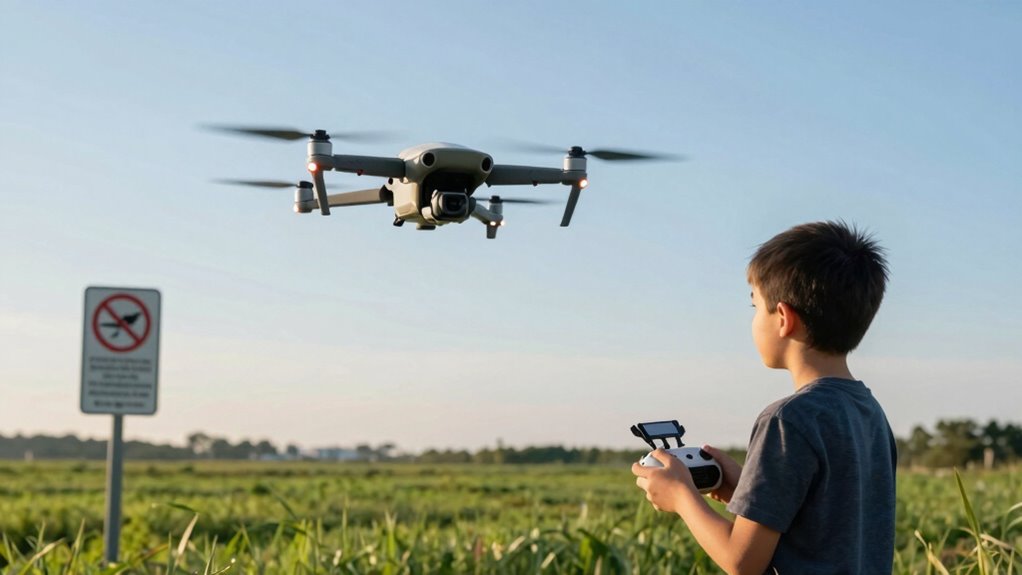

As a beginner, you need to know that drone regulations vary by category—recreational, commercial, and racing. Always register drones over 0.55 pounds with the FAA, and identify no-fly zones, like those near airports. Prioritize safety by checking conditions before flight and understanding insurance options. Familiarize yourself with local laws to fly legally. There’s a lot more to keep in mind as you explore the world of drone flying, so let’s dive deeper into each aspect.
Key Takeaways
- Understand the different categories of drones: recreational, commercial, and racing, each with unique operational guidelines.
- Register drones over 0.55 pounds with the FAA for legal compliance; registration costs $5 and is valid for three years.
- Familiarize yourself with no-fly zones, such as near airports and military bases, to avoid legal issues and fines.
- Conduct a pre-flight checklist, including battery checks and firmware updates, to ensure safe drone operation.
- Consider drone insurance options, like liability and hull insurance, to protect against potential damages and liabilities.

FAA Drone Labels (2 Sets of 3) + FAA UAS Registration ID Card for Hobbyist Pilots – Optional Battery Labels
You get 2 sets of 3 Labels, 1 FAA ID Card – All customized with your FAA information
As an affiliate, we earn on qualifying purchases.
As an affiliate, we earn on qualifying purchases.
Understanding Drone Regulations: What You Need to Know
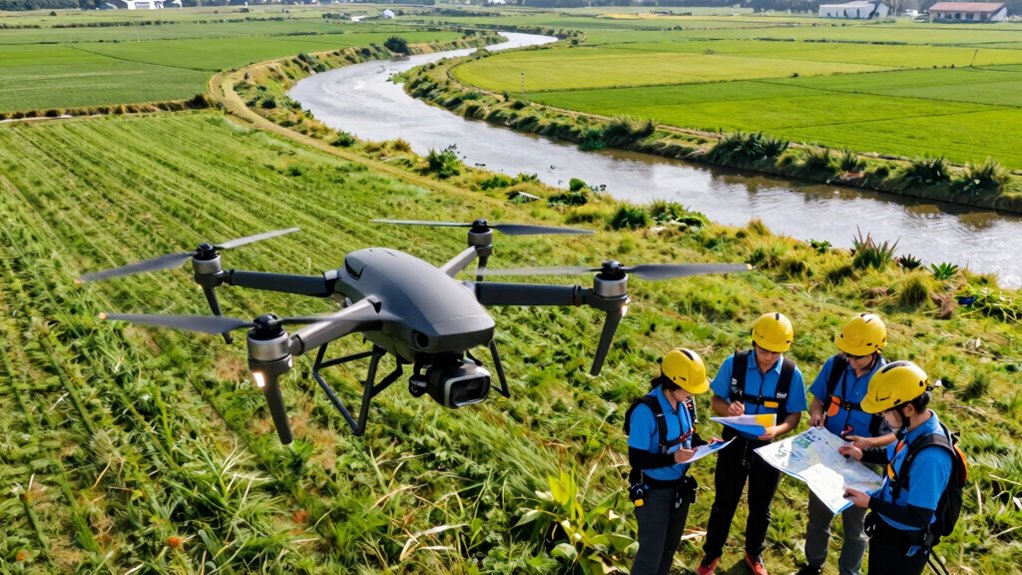
Before you take to the skies with your drone, it’s important to understand the regulations governing its use. Familiarizing yourself with drone classification types is vital, as they determine the rules you must follow. Drones are typically categorized into categories like recreational, commercial, and racing, each with specific guidelines.
You’ll need to adhere to drone operation guidelines, which include flying at or below 400 feet, staying away from airports, and maintaining a visual line of sight. Additionally, it’s necessary to respect privacy laws and avoid flying over people without permission. Knowing these regulations not only keeps you compliant but also guarantees the safety of everyone around you. So, take the time to educate yourself before launching your drone adventure!

Hover – Drone and UAV News, no-fly zone maps, and weather!
– Flight Readiness Indicator: We give you a simple to understand flight status to let you know if…
As an affiliate, we earn on qualifying purchases.
As an affiliate, we earn on qualifying purchases.
Do You Need to Register Your Drone?
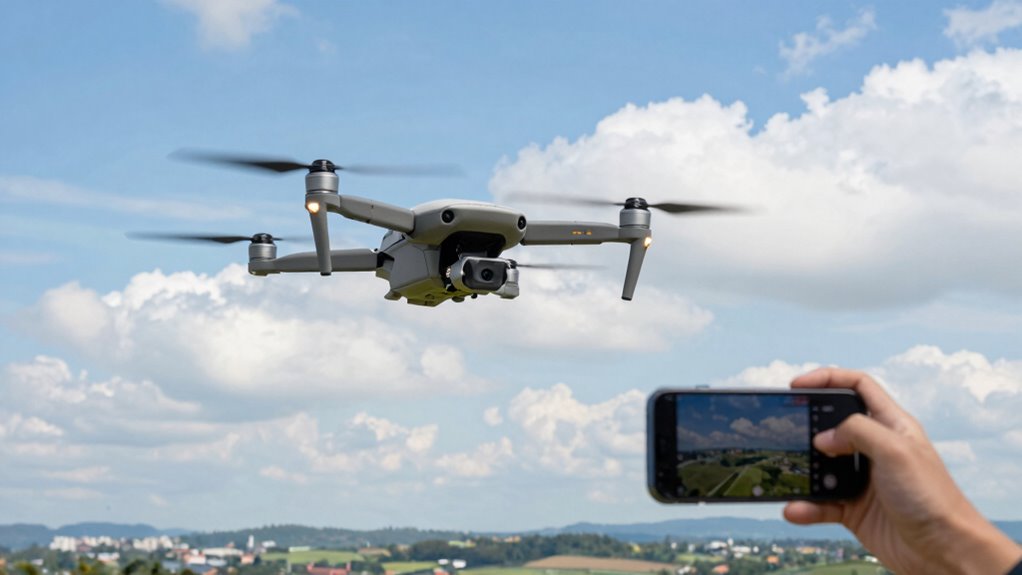
Understanding whether you need to register your drone is a key step in guaranteeing compliance with regulations. In the United States, if your drone weighs more than 0.55 pounds (250 grams), you must complete drone registration through the FAA. This process is straightforward, and it’s essential for meeting legal requirements.
| Weight Category | Registration Requirement | Cost |
|---|---|---|
| Under 0.55 lbs | No registration needed | N/A |
| 0.55 lbs – 55 lbs | Must register | $5 (valid for 3 years) |
| Over 55 lbs | Must register as a commercial drone | Varies |
Always check for changes in regulations, as compliance guarantees safe and responsible flying.

Drone Daily Inspection Checklist: Pre and Post-Flight Inspection Report Book for Pilots and Operators | 120 Pages.
As an affiliate, we earn on qualifying purchases.
As an affiliate, we earn on qualifying purchases.
Identifying No-Fly Zones and Restricted Areas
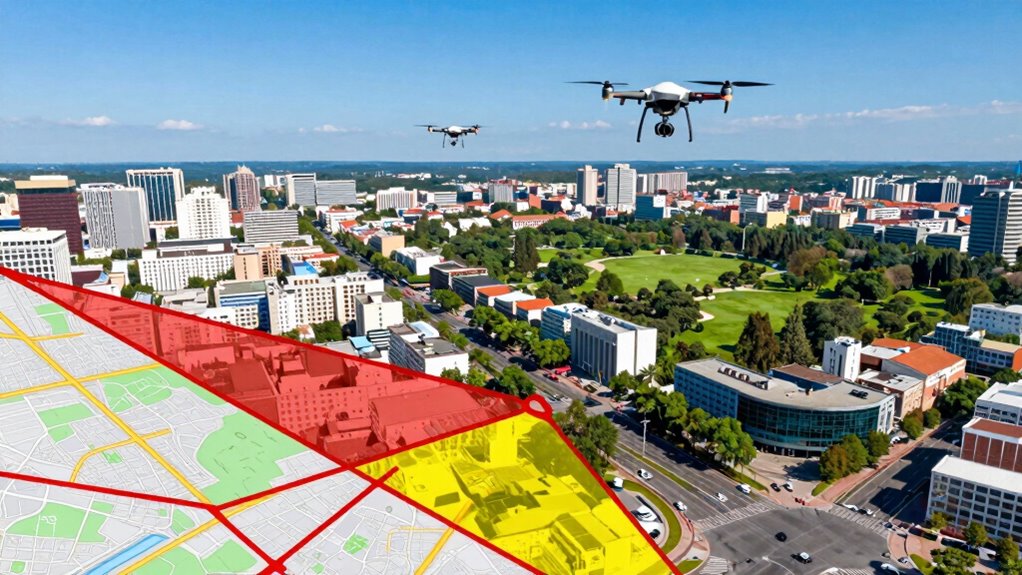
Where can you fly your drone without running into legal trouble? Identifying no-fly zones and restricted areas is vital for every drone pilot. To help you navigate these restrictions, use mapping tools and drone apps specifically designed for this purpose. Many apps provide real-time updates on no-fly zones, including areas near airports, military bases, and national parks. Before each flight, check these resources to confirm you’re aware of any temporary restrictions, like special events or emergencies. Ignoring these rules can lead to fines or worse, so stay informed. By leveraging technology, you can enjoy flying your drone while respecting the laws and keeping everyone safe. Always double-check your flight path before taking off!
Aircraft Insurance Fundamentals: A Concise Guide for Aircraft Owners and Operators: Revised and Expanded 2nd Version
As an affiliate, we earn on qualifying purchases.
As an affiliate, we earn on qualifying purchases.
Key Safety Tips for Flying Your Drone
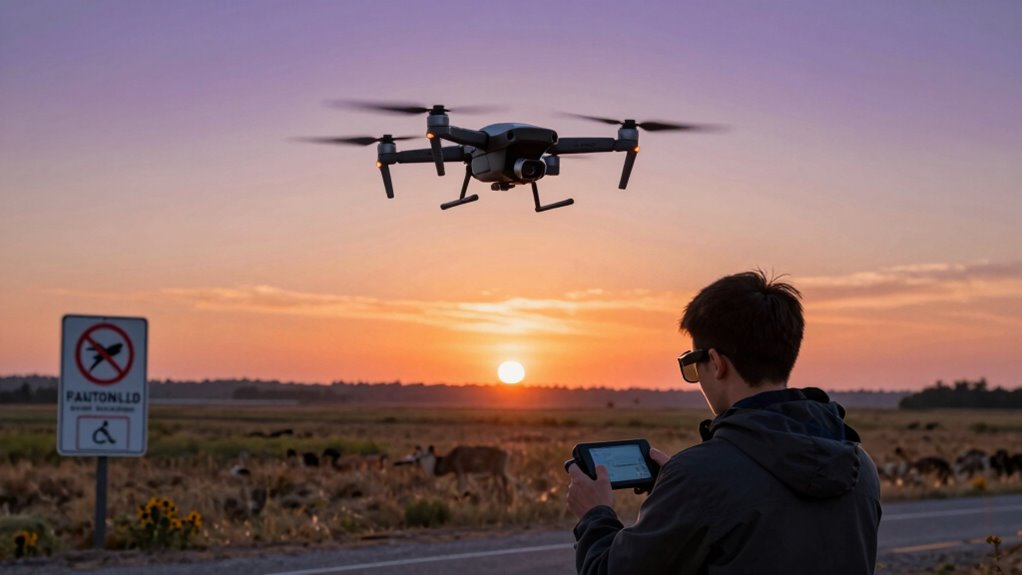
Before you take to the skies, it’s essential to have a solid pre-flight checklist in place. Always keep your drone within your line of sight and be aware of no-fly zones to guarantee a safe flying experience. These tips will help you navigate the skies responsibly and avoid potential hazards.
Pre-Flight Checklist Essentials
As you prepare to take to the skies with your drone, conducting a thorough pre-flight checklist is essential for guaranteeing a safe flight. Here are some key essentials to include in your pre-flight inspection:
| Task | Description |
|---|---|
| Battery Check | Verify your battery’s fully charged and securely attached. |
| Propeller Check | Inspect for damage and verify they’re properly fitted. |
| Firmware Update | Confirm that your drone’s software is up to date. |
Completing these checks helps you avoid potential issues mid-flight. Remember, a quick pre-flight inspection can save you from costly repairs and unsafe situations. Stay vigilant and always prioritize safety before launching your drone!
Maintain Line of Sight
Maintaining a clear line of sight with your drone is essential for safe flying, especially since it allows you to react quickly to any obstacles or changes in the environment. Always keep your drone within line visibility, ensuring you can visually track its movements at all times. This not only enhances safety but also helps you abide by legal requirements. If you lose sight of your drone, you risk collisions or accidents, which can lead to serious consequences. Make it a point to fly in open areas free from obstructions, and avoid flying too high or too far. By prioritizing line visibility and practicing good visual tracking, you’ll become a more responsible and confident drone pilot.
Respect No-Fly Zones
While you may be keen to explore new areas with your drone, it’s essential to respect no-fly zones to guarantee safety and compliance with regulations. No-fly zones are established for various reasons, including protecting sensitive areas and safeguarding public safety. Before you fly, check local regulations and obtain flying permissions if necessary. This not only shows good drone etiquette but also keeps you from potential fines or legal issues. Always stay informed about your surroundings and avoid flying near airports, military bases, or crowded events. By respecting these zones, you contribute to a safer flying environment for everyone and make certain your drone experience remains enjoyable and hassle-free. Remember, safety first!
Understanding the Need for Drone Insurance as a Beginner
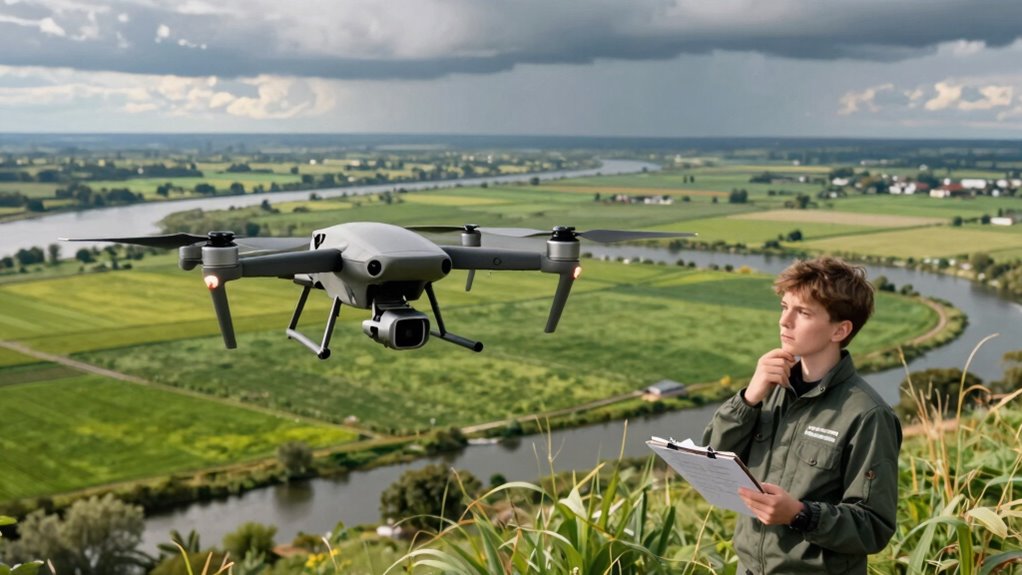
Understanding the importance of drone insurance is crucial for any beginner pilot. Insurance protects you from potential liabilities and damages that can arise while flying. There are various drone coverage types, including liability, hull, and personal injury insurance. Knowing these can help you choose the right policy for your needs.
| Coverage Type | Description | Average Insurance Costs |
|---|---|---|
| Liability Insurance | Covers damages to third parties | $200 – $600 annually |
| Hull Insurance | Covers damage to your drone | $100 – $300 annually |
| Personal Injury Insurance | Covers injuries to people | $150 – $400 annually |
Investing in drone insurance can save you from hefty expenses and guarantee peace of mind while you fly.
Local and National Drone Laws
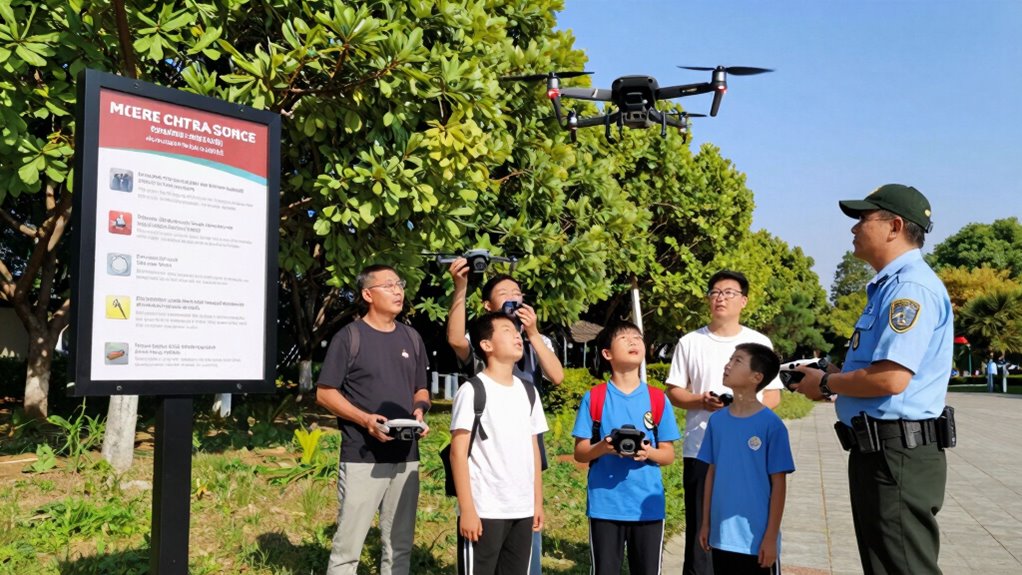
Flying a drone comes with responsibilities, and knowing the local and national laws is a key part of being a responsible pilot. Ignoring these regulations can lead to fines or worse. Here are some important aspects to keep in mind:
Understanding and adhering to local and national drone regulations is essential for safe and responsible flying.
- Local Drone Regulations: Check your city or state’s specific rules, as they can vary widely. Some areas may prohibit drone use entirely.
- National Drone Guidelines: Follow the rules set by the FAA, such as keeping your drone below 400 feet and avoiding restricted airspace.
- Registration: If your drone weighs over 0.55 pounds, you must register it with the FAA, ensuring compliance with national laws.
Stay informed and fly responsibly to enjoy the world of drones safely!
Best Practices for Aerial Photography and Videography
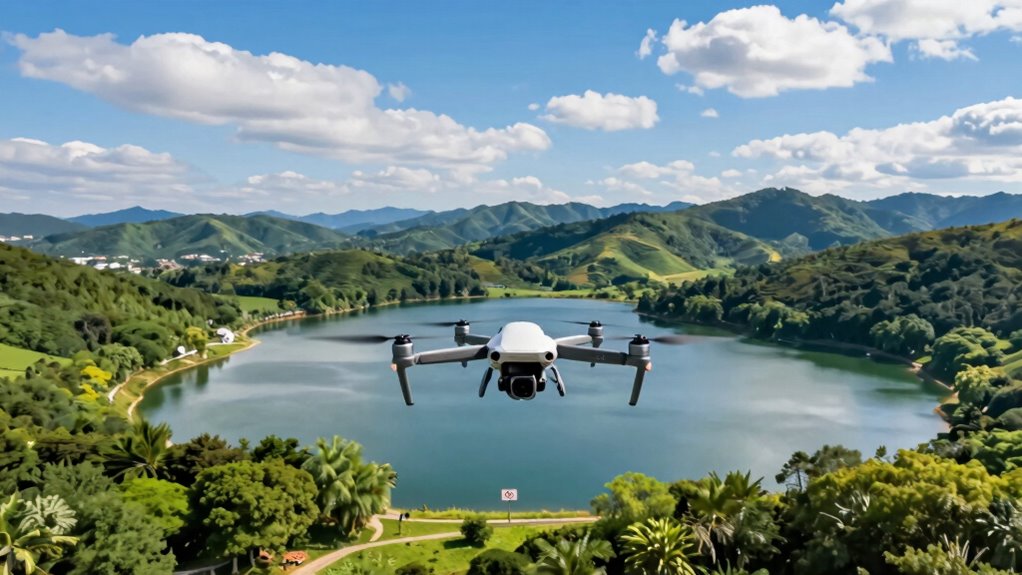
When you’re capturing stunning aerial shots, optimizing your camera settings is vital for achieving the best results. You’ll also want to master composition techniques to make your images and videos stand out. Let’s explore these essential practices to elevate your drone photography and videography skills.
Camera Settings Optimization
To capture stunning aerial photographs and videos, it’s essential to optimize your camera settings. Here are three key adjustments you should make:
- Exposure Settings: Adjust your ISO to balance light sensitivity. A lower ISO (100-200) works best in bright conditions, while a higher ISO (400-800) can help in low light.
- Shutter Speed: Use a faster shutter speed (1/500 or higher) to freeze motion, especially in windy conditions or when your drone’s moving quickly.
- Frame Rates: For smooth video, set your frame rate to 30fps or higher. If you’re capturing slow-motion footage, consider 60fps or more.
- Additionally, understanding how sensor size and lens quality influence image clarity can help you choose the right equipment for your needs.
Composition Techniques Essentials
While optimizing your camera settings is essential, mastering composition techniques can elevate your aerial photography and videography to new heights. Start by exploring various composition styles, like the rule of thirds, which helps create balanced and engaging images. Use framing techniques to draw attention to your subject, whether it’s through natural elements or architectural lines. Experiment with different perspectives and angles; high altitude shots can provide breathtaking landscapes, while lower angles can emphasize foreground details. Don’t forget about leading lines; they guide the viewer’s eye through your scene. Finally, keep an eye on the light, as it can dramatically change the mood of your shots. Additionally, understanding your projector’s contrast ratio can help you better evaluate how well your images will display in different lighting conditions. With these techniques, you’ll capture stunning visuals that stand out.
What to Do If You Encounter a Drone Incident?
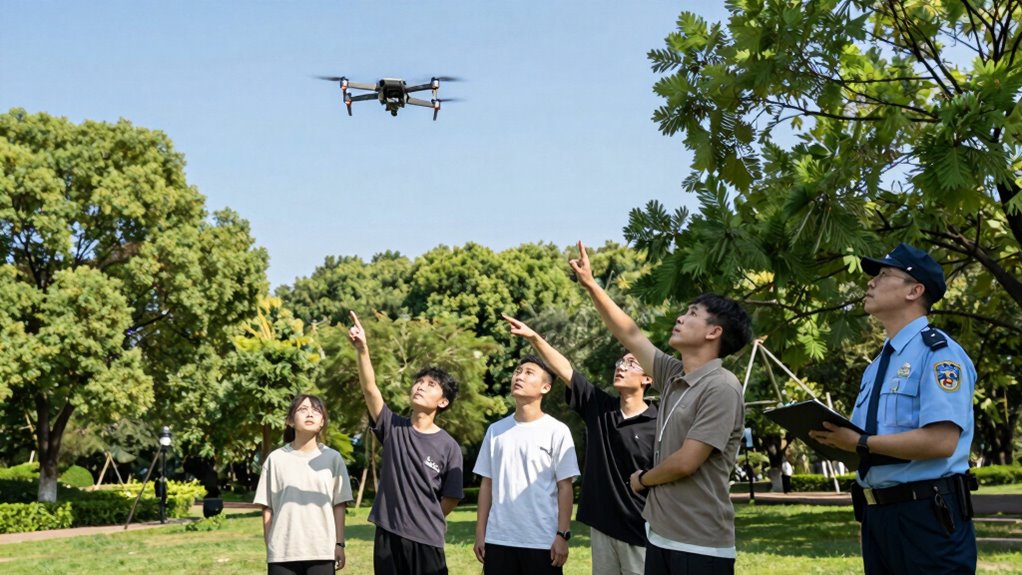
If you find yourself in a situation involving a drone incident, it’s crucial to stay calm and assess the scenario before taking action. Here’s a quick guide for effective drone incident response:
In a drone incident, remain calm and evaluate the situation before proceeding with your response.
- Identify the Situation: Determine if there’s a safety risk, such as the drone flying dangerously close to people or property.
- Document the Incident: Take notes or photos, capturing details like the drone’s location, time, and any other relevant information.
- Follow Reporting Procedures: If necessary, report the incident to local authorities or the FAA. Provide them with the documentation you’ve gathered.
Frequently Asked Questions
Can I Fly My Drone at Night?
Yes, you can fly your drone at night, but you must follow specific night flying regulations. To comply, your drone needs proper lighting to guarantee visibility. This includes having anti-collision lights that are visible from a distance, typically at least three statute miles. Also, make sure you maintain visual line-of-sight while flying. Always check local laws as they may have additional restrictions for nighttime operations. Stay safe and enjoy your night flights!
What Are the Penalties for Violating Drone Laws?
If you violate drone laws, you could face significant fines and penalties. Depending on the severity of the infraction, you might get hit with monetary fines that can range from hundreds to thousands of dollars. There are also legal consequences like criminal charges or loss of your drone privileges. To keep flying safely and legally, it’s best to stay informed about regulations and avoid any actions that could lead to these repercussions.
Are There Age Restrictions for Flying Drones?
You can’t fly a drone if you’re under 13 without adult supervision. Imagine a 12-year-old excitedly preparing for a birthday drone flight, only to learn about age restrictions. Legal requirements dictate that you must be at least 16 to operate drones commercially. For recreational use, while kids can fly with their parents, drone ownership becomes a shared responsibility. Always check local laws to guarantee compliance, as regulations can vary widely.
How Do I Choose the Right Drone for Beginners?
To choose the right drone as a beginner, start by identifying your budget. Drones vary in price, so set a limit that works for you. Next, look for essential drone features like stability, ease of use, and battery life. A camera might be a priority if you want to capture photos or videos. Don’t forget to read reviews to guarantee you’re making an informed decision that fits your needs and skills.
Can I Fly a Drone Near Airports?
You can’t fly a drone near airports due to strict airport regulations. For instance, if you launch your drone near a busy airport, you risk causing dangerous situations, like a near-miss with an aircraft. Always check for no-fly zones and respect airspace rules to guarantee drone safety. Remember, staying away from airports not only keeps you compliant but also helps protect lives. So, gear up and fly responsibly!
Conclusion
Maneuvering the skies with your drone can feel like soaring through uncharted territory, but understanding the rules keeps you grounded. By knowing the regulations, registering your drone, and respecting no-fly zones, you’re not just a pilot; you’re a responsible steward of the air. Embrace safety and best practices, and you’ll capture breathtaking moments while avoiding trouble. So, gear up, stay informed, and let your creativity take flight—just remember to keep your feet on the right side of the law!