
Many people don’t realize that smart home latency often comes down to preventable network and device issues, not just poor Wi-Fi or device limits. You might experience delays because of network congestion, interference, or outdated software. Improving your setup by prioritizing bandwidth, keeping devices updated, and optimizing placement can make a big difference. If you want to uncover the hidden factors causing lag and how to fix them effectively, there’s more to explore.

Get the little things that make your day delivered free with Prime
- Fast, free delivery on millions of items
- Prime Video, Amazon Music and more included
- Member-only deals all year
Key Takeaways
- Poor device configuration and unclear commands often cause unexpected delays in smart home responses.
- Network congestion from multiple devices or heavy bandwidth usage significantly increases latency.
- Interference and improper device placement weaken Wi-Fi signals, leading to slower device reactions.
- Outdated firmware and software hinder device performance and responsiveness over time.
- Optimizing voice commands and managing network traffic are crucial for reducing smart home latency.
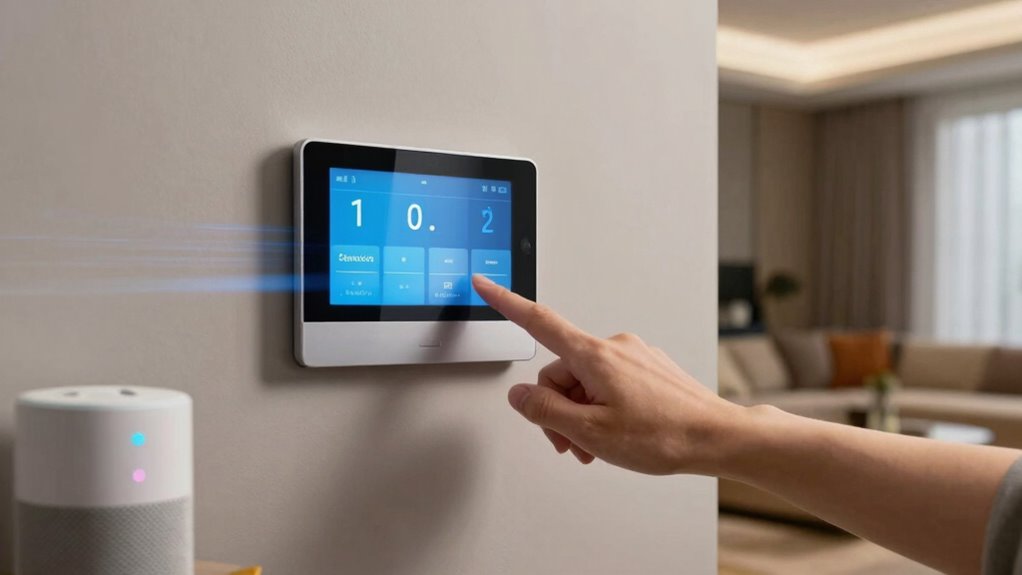
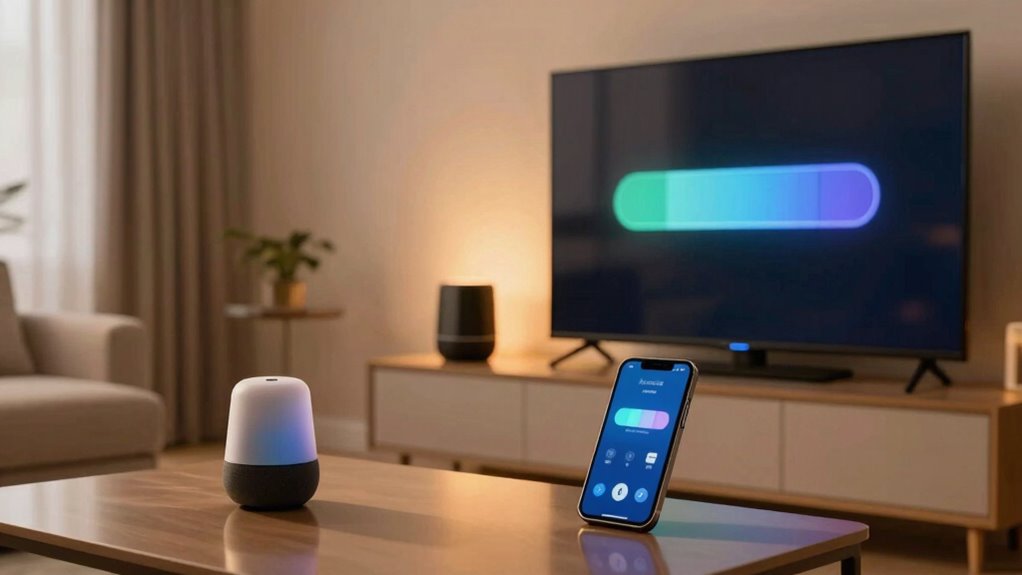
Have you ever noticed your smart home devices lagging just when you need them most? It’s frustrating, especially when you’re trying to turn on the lights or adjust the thermostat, and everything slows down unexpectedly. The truth is, a lot of this delay comes down to how well your devices process commands and the strength of your network. To improve your experience, understanding voice command optimization and network bandwidth management is crucial.
Voice command optimization is all about making sure your voice assistant understands you quickly and accurately. If your commands aren’t clear or if your device isn’t configured properly, it takes longer for the system to process what you want. Simple steps like using clear, concise language, avoiding background noise, and ensuring your device’s software is up to date can significantly reduce response times. Additionally, customizing wake words or training your voice assistant to recognize your voice can make a big difference. When voice command optimization is effective, your commands are recognized faster, and your smart devices respond without that annoying lag.
Optimize voice commands by speaking clearly, updating devices, and training your assistant for faster, lag-free responses.
However, even the best voice command setup won’t help if your network isn’t up to the task. Network bandwidth management plays a vital role in reducing latency. When multiple devices are connected to your Wi-Fi, they compete for bandwidth, leading to slower responses. Streaming videos, online gaming, or downloading large files can hog bandwidth, leaving less available for your smart home devices. To combat this, you should prioritize smart home traffic through Quality of Service (QoS) settings on your router. By giving your smart devices higher priority, you ensure they get the bandwidth they need to operate smoothly.
Another tip is to limit the number of devices connected at once or create dedicated networks for your smart devices. This reduces congestion and minimizes interference, which can cause delays. Additionally, placing your router in a central location and upgrading to a higher-bandwidth plan can help improve overall network stability. Remember, a fast and reliable Wi-Fi connection is the backbone of a responsive smart home. A strong, stable network is essential for minimizing latency and ensuring your devices perform optimally. Regular monitoring of your network can help identify and troubleshoot potential issues before they impact device responsiveness. Keeping your network optimized can also help prevent unexpected lag and improve overall device performance. In fact, understanding and managing your network traffic is key to creating a seamless smart home experience.
Furthermore, understanding biodiversity and its importance can inspire environmentally conscious choices for your smart home setup, such as opting for energy-efficient devices and sustainable networking solutions. In essence, reducing smart home latency involves fine-tuning both how your devices interpret commands and how your network handles data traffic. Voice command optimization ensures your commands are understood quickly, while smart network bandwidth management guarantees your devices have the resources they need to respond promptly. When both are working together, you’ll enjoy a smarter, more efficient home where everything responds just when you want it to.
As an affiliate, we earn on qualifying purchases.
Frequently Asked Questions
How Does Wi-Fi Congestion Affect Smart Home Device Responsiveness?
Wi-Fi congestion causes significant delays in your smart home devices’ responsiveness. When multiple devices compete for bandwidth, network interference increases, leading to slower response times. Poor signal strength worsens this effect, making devices struggle to communicate effectively. To improve responsiveness, reduce network congestion by limiting connected devices, upgrade your router, or place your devices closer to the Wi-Fi source, ensuring a stronger signal and smoother operation.
Can Smart Home Latency Vary Between Different Brands?
Smart home latency is like a symphony, and different brands are the conductors. It can vary because of device compatibility issues and how each brand manages network security. Some brands prioritize security over speed, causing delays, while others optimize for faster responses. Your network’s quality and how well your devices work together play a significant role. So, expect some variation depending on the brand you choose and your setup.
What Is the Impact of Firmware Updates on Latency?
Firmware updates can impact your smart home latency considerably. When updates improve firmware stability, they often reduce lag, making your devices more responsive. However, frequent updates might temporarily increase latency during installation or cause compatibility issues. You should monitor how each update affects your system’s performance, balancing update frequency with the need for stability, to guarantee your smart home remains quick and reliable without unnecessary delays.
How Do Distance and Obstacles Influence Device Response Time?
About 50% of smart home delays stem from poor device placement. Distance and obstacles considerably slow response times because they cause signal interference, weakening communication between your hub and devices. When you place devices far apart or behind thick walls, response times increase, sometimes by several seconds. To improve responsiveness, keep devices closer to the hub and avoid placing them behind obstacles that block or weaken the signal.
Are There Ways to Test and Measure Smart Home Latency Effectively?
You can test and measure smart home latency effectively by using network optimization tools like ping tests and latency meters. These tools help you assess response times between devices, ensuring they’re synchronized. Regularly monitoring your network’s performance allows you to identify bottlenecks or delays, enabling you to make adjustments for improved device synchronization and reduced latency, ultimately creating a smoother, more responsive smart home experience.
mesh Wi-Fi system for smart home
As an affiliate, we earn on qualifying purchases.
As an affiliate, we earn on qualifying purchases.
Conclusion
Dealing with smart home latency can feel like steering through a maze — frustrating and unpredictable. But understanding the causes and solutions helps you regain control, making your smart devices feel more like trusted allies than unreliable gadgets. With patience and a few tweaks, you’ll find the rhythm that keeps your home running smoothly. Remember, overcoming latency is like tuning an orchestra; once in harmony, everything plays beautifully together.
smart home device firmware updater
As an affiliate, we earn on qualifying purchases.
As an affiliate, we earn on qualifying purchases.
Wi-Fi signal booster for smart home
As an affiliate, we earn on qualifying purchases.
As an affiliate, we earn on qualifying purchases.
NFL season / tailgating Picks
team gear
As an affiliate, we earn on qualifying purchases.