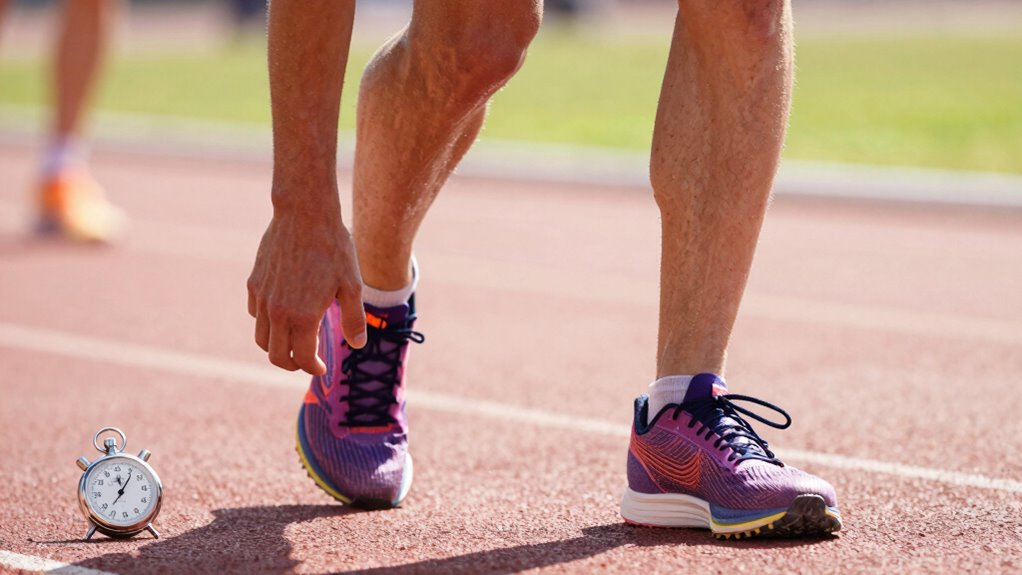

Proper running form is essential for enhancing your performance and minimizing the risk of injuries. Start by aligning your body from head to toe, keeping your gaze forward and shoulders relaxed. Focus on maintaining a natural stride length and landing softly on your midfoot for better shock absorption. Pay attention to your arm movement, ensuring they swing naturally without crossing your body. Small adjustments make a big difference, so discover more tips to transform your running experience.

Get the little things that make your day delivered free with Prime
- Fast, free delivery on millions of items
- Prime Video, Amazon Music and more included
- Member-only deals all year
Key Takeaways
- Prioritize proper posture by aligning your head, shoulders, and hips to enhance running efficiency and reduce injury risk.
- Focus on maintaining a natural arm swing with elbows bent at 90 degrees to promote balance and conserve energy.
- Aim for shorter, quicker strides to improve foot strike and efficiency, landing closer to your center of gravity.
- Conduct regular form assessments and practice drills to reinforce proper running mechanics for long-term improvement.
- Stay relaxed during runs, especially in the shoulders and core, to enhance performance and recovery.
As an affiliate, we earn on qualifying purchases.
Why Proper Running Form Matters for All Runners
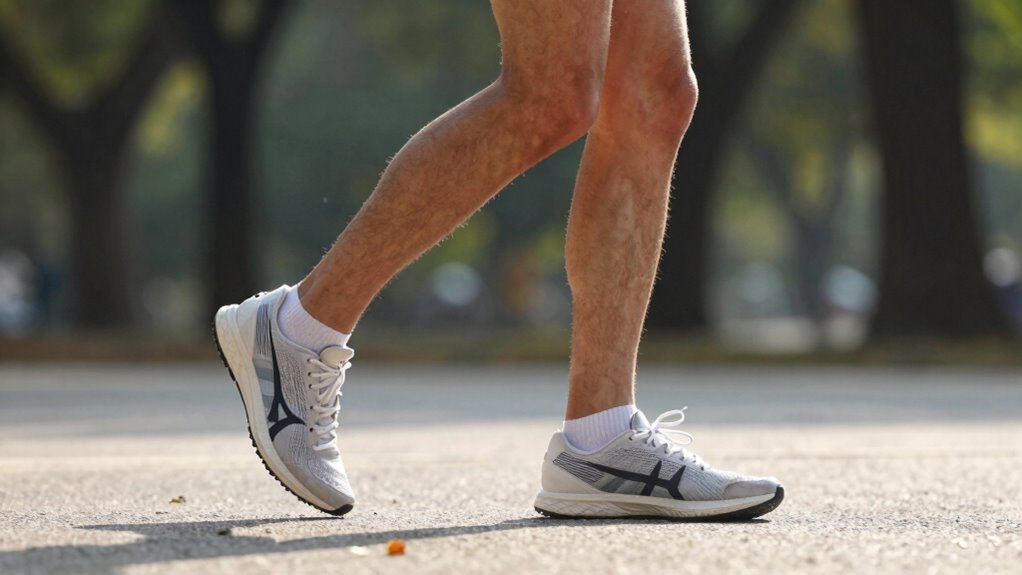
When you focus on proper running form, you not only enhance your performance but also reduce the risk of injury. By paying attention to your posture, stride, and foot placement, you create a more efficient running technique. This efficiency allows you to conserve energy, helping you run longer and faster. Incorporating technique & form education into your training can lead to lasting improvements. Additionally, improper form can lead to overuse injuries, which can sideline you for weeks or even months. By prioritizing injury prevention through good form, you guarantee a healthier running experience. You’ll notice improvements in your speed and endurance as you become more in tune with your body. Ultimately, mastering your running form is essential for both performance enhancement and maintaining your running longevity.
running posture correction brace
As an affiliate, we earn on qualifying purchases.
As an affiliate, we earn on qualifying purchases.
Key Elements of Proper Posture While Running

To maintain proper posture while running, focus on aligning your body from head to toe. Start with your head alignment; keep your gaze forward, not down, allowing your neck to remain relaxed. Your shoulders should be back and down, avoiding any tension. Engaging your core stability is essential; a strong core supports your spine and helps prevent slouching. Your hips should be level, with a slight forward lean to promote efficiency. Keep your arms relaxed, bent at about 90 degrees, and let them move naturally without crossing your body. Finally, make sure your feet land beneath your hips to maintain balance. By concentrating on these key elements, you’ll enhance your running form and reduce the risk of injury.
As an affiliate, we earn on qualifying purchases.
Maintaining Arm Movement for Balanced Running

When you run, your arm movement plays a vital role in maintaining balance and efficiency. Focusing on proper arm swing technique and positioning can help you run more smoothly. Plus, keeping your arms relaxed allows for better overall performance and reduces fatigue.
Proper Arm Swing Technique
A proper arm swing is essential for maintaining balance and efficiency while running. Your arms should move naturally, coordinating with your legs to enhance your overall stride. Keep your elbows bent at about 90 degrees, allowing your arms to swing forward and back, not across your body. This motion helps stabilize your core and maintains momentum. Practice coordination drills, like running with a focus on arm movement, to develop muscle memory. Pay attention to your arm swing during runs, as it can greatly impact your speed and energy efficiency. Remember, a relaxed and fluid arm swing contributes to better posture and less fatigue, so keep it natural and let it flow with your running rhythm.
Arm Position and Relaxation
While running, keeping your arms in the right position and relaxed is essential for maintaining balance and efficiency. Proper arm movement can considerably reduce arm tension and enhance your overall performance. Here are three tips to help you achieve this:
- Relax Your Shoulders: Focus on shoulder relaxation to prevent stiffness, which can lead to wasted energy.
- Keep Your Elbows Bent: Maintain a 90-degree angle at your elbows. This allows for a natural swing that complements your stride.
- Swing Your Arms Forward and Back: Avoid crossing your arms over your body. Instead, keep them moving in a straight line to promote stability and balance.
As an affiliate, we earn on qualifying purchases.
How Stride Length Affects Your Running Form and Efficiency

Understanding how stride length impacts your running form and efficiency is essential for maximizing performance. Your stride length affects both stride mechanics and overall stride efficiency. If your strides are too long, you might overextend, leading to increased energy expenditure and a higher risk of injury. Conversely, short strides can hinder your speed and momentum. Finding the right balance is key; aim for a stride length that feels natural and allows for smooth shifts between steps. Focus on maintaining an upright posture and a consistent cadence to improve your efficiency. By refining your stride length, you can enhance your running form, conserve energy, and ultimately boost your performance on the track or trail. Additionally, paying attention to your stride mechanics can help identify and correct inefficiencies in your gait.
Optimizing Your Foot Strike for Enhanced Performance

To enhance your running performance, it’s essential to focus on your foot strike. Aiming for an ideal foot strike angle and landing midfoot can greatly improve your efficiency and reduce the risk of injury. Let’s explore how these adjustments can make a real difference in your stride.
Ideal Foot Strike Angle
The angle at which your foot strikes the ground plays a crucial role in your running efficiency and overall performance. An ideal foot strike can reduce impact forces and improve your speed. Here are three tips to help you achieve the perfect foot strike angle:
- Stay Relaxed: Tension in your muscles can alter your foot strike. Keep your body relaxed for a smoother landing.
- Shorter Strides: Focus on taking shorter, quicker strides. This can help you land closer to your center of gravity, enhancing your foot strike angle.
- Lean Forward: A subtle forward lean from the ankles encourages a more natural foot strike, reducing braking forces with each step.
Importance Of Midfoot Landing
While many runners focus on their pace or endurance, optimizing your foot strike with a midfoot landing can greatly enhance your performance. Adopting this technique offers numerous midfoot benefits, such as improved shock absorption, better stability, and reduced risk of injury.
Here’s a quick overview of landing techniques:
| Technique | Benefits | Key Considerations |
|---|---|---|
| Forefoot Landing | Fast acceleration | Increased calf strain |
| Heel Landing | Comfort on flat surfaces | Higher injury risk |
| Midfoot Landing | Balanced impact | Ideal for endurance runs |
Breathing Techniques to Improve Your Running Form

Breathing plays an essential role in your running form, as it directly impacts your endurance and efficiency. To enhance your performance, focus on these key breathing techniques:
- Establish a Breathing Rhythm: Coordinate your breath with your steps. Try inhaling for three steps and exhaling for two. This helps maintain a steady rhythm that supports your pace.
- Practice Diaphragmatic Breathing: Instead of shallow chest breathing, engage your diaphragm. This technique allows for deeper breaths, maximizing oxygen intake and minimizing fatigue.
- Breathe Through Your Nose and Mouth: Use both to optimize airflow, especially during intense runs. This can help you maintain stamina and keep a steady pace.
Incorporating these techniques will help you run more efficiently and comfortably. Proper breathing is also key to preventing fatigue and enhancing overall performance.
Avoid These Common Running Form Mistakes

Many runners unknowingly develop bad habits that can hinder their performance and lead to injuries. One common mistake is overstriding, where your foot lands too far in front of your body. This not only slows you down but also increases the risk of injury. Another issue is heel striking, which occurs when your heel hits the ground first during your stride. This can create excessive impact forces that stress your joints and muscles. Both of these habits can disrupt your natural running form, making you less efficient and more prone to discomfort. By being aware of these pitfalls, you can take steps to refine your technique and enhance your running experience.
How Can I Fix My Running Form?

To improve your running form, start by focusing on your posture and alignment. A few small adjustments can lead to big changes in your performance. Here are three steps to help you fix your running form:
- Conduct a form assessment: Record yourself running or ask a coach for feedback. Identify any areas that need improvement.
- Incorporate running drills: Engage in drills like high knees, butt kicks, or strides to reinforce proper mechanics and strengthen your muscles.
- Practice mindful running: Pay attention to your body as you run. Focus on keeping your shoulders relaxed, hips stable, and feet landing beneath your body.
With consistent practice, you’ll see noticeable improvements in your running form.
The Long-Term Benefits of Enhancing Your Running Form

Improving your running form doesn’t just enhance your immediate performance; it can also bring long-lasting benefits that extend well beyond your current training cycle. By focusing on proper mechanics, you can achieve significant long-term gains and guarantee injury prevention. Here’s how these benefits stack up:
| Benefit | Description | Long-Term Impact |
|---|---|---|
| Improved Efficiency | Ideal energy use | Faster race times |
| Reduced Injury Risk | Better biomechanics | Fewer injuries |
| Enhanced Recovery | Less strain on muscles | Quicker recovery periods |
| Increased Enjoyment | More comfortable runs | Sustained motivation |
Frequently Asked Questions
How Can I Tell if My Running Form Is Correct?
You can tell if your running form is correct by doing a form analysis. Record yourself running and watch for any irregularities in your posture, stride, and foot strike. Get technique feedback from a coach or experienced runner who can identify any flaws. Pay attention to how your body feels during and after runs; discomfort often signals issues in your form. Making small adjustments can lead to significant improvements in your overall performance.
Are There Specific Shoes That Improve Running Form?
Yes, specific shoes can improve your running form. Studies show that up to 80% of runners experience injuries, often linked to improper footwear. Modern shoe technology focuses on foot biomechanics, providing support where you need it most. Look for shoes that offer stability and cushioning, which can help maintain your natural stride and reduce impact. Investing in the right pair can make a significant difference in how you run and feel.
Can Running on Different Surfaces Affect My Form?
Yes, running on different surfaces can definitely affect your form. Trail running introduces terrain variation, which challenges your balance and engages different muscles. On the other hand, asphalt provides more surface stability, allowing for a smoother stride. However, the impact from asphalt can lead to stiffness if you’re not careful. By varying the surfaces you run on, you’ll improve your adaptability and overall running efficiency, enhancing your performance in the long run.
How Often Should I Check My Running Form?
How often do you think professional athletes assess their form? You should check your running form regularly, ideally every few weeks or after significant changes in your routine. Regular monitoring helps you spot any issues early and make necessary adjustments. Consider a form assessment during long runs or after switching surfaces. This proactive approach not only enhances your performance but also reduces the risk of injury, keeping you on track toward your goals.
Is Running Form Different for Beginners Versus Experienced Runners?
Yes, running form differs for beginners and experienced runners. As a beginner, you’ll focus on foundational techniques, like maintaining an upright posture and landing softly. As you gain experience, you can adopt advanced strategies, such as optimizing your stride length and cadence. These improvements can enhance efficiency and reduce injury risk. Regularly evaluating your form will help you shift from beginner techniques to more advanced strategies as you progress in your running journey.
Conclusion
Improving your running form isn’t just about speed; it’s about enjoying every step you take. By making small adjustments, like refining your posture or tweaking your foot strike, you’ll notice a big difference in how you feel on the run. Coincidentally, as you get more in tune with your body, those long runs might just become your favorite part of the day. So lace up, embrace these changes, and watch your running journey transform!
Halloween Picks
halloween
As an affiliate, we earn on qualifying purchases.