
Using email filters and labels can transform your chaotic inbox into an organized, efficient workspace. Filters automatically sort incoming emails, while labels help prioritize them based on urgency and relevance. This not only saves you time but also boosts productivity by making important emails easier to find. Plus, a well-organized inbox reduces clutter and helps you focus on what matters. Stick around to discover tips and techniques for maximizing the benefits of your email organization.
Key Takeaways
- Implementing email filters automatically sorts incoming messages, reducing clutter and saving time on email management.
- Creating labels allows for easy prioritization and quick access to essential emails based on projects or urgency.
- Regularly reviewing and updating filters and labels ensures they remain relevant to your evolving needs.
- Dedicate time each week to declutter your inbox by unsubscribing from unneeded newsletters and archiving outdated emails.
- An organized inbox enhances productivity, enabling faster responses and a more effective workflow for professional success.
As an affiliate, we earn on qualifying purchases.
Why Use Filters and Labels for Email Organization?
Email filters and labels can transform your inbox from chaotic to organized in no time. By using these tools, you can streamline your email management, freeing up valuable time for more important tasks. Imagine not having to sift through countless messages daily; filters automatically sort incoming emails based on your preferences. This kind of organization isn’t just about tidiness—it’s a major productivity boost. When you know exactly where to find important emails, you can focus better and respond faster. Plus, with less clutter in your inbox, you’ll spend less time managing emails and more time on your actual work. Ultimately, implementing filters and labels is a smart strategy for effective time management and improved efficiency.
label management system for emails
As an affiliate, we earn on qualifying purchases.
As an affiliate, we earn on qualifying purchases.
What Are Email Filters and Labels, and Why Do You Need Them?
While managing your inbox might feel overwhelming at times, understanding email filters and labels can make a significant difference. These tools are essential for effective email management, helping you streamline your workflow and achieve a productivity boost.
Mastering email filters and labels can transform your inbox management, enhancing your productivity and streamlining your workflow.
Here’s why you need them:
- Automatic sorting: Filters can sort incoming emails into designated folders.
- Prioritization: Labels help you prioritize messages based on urgency or projects.
- Reduced clutter: Keep your inbox tidy by filtering out less important emails.
- Time-saving: Quickly find emails without sifting through hundreds of messages.
- Improved focus: Spend less time on email, allowing for more time on essential tasks.
As an affiliate, we earn on qualifying purchases.
Step-by-Step Guide to Setting Up Email Organization Filters

Setting up email organization filters can transform your inbox into a well-structured space, making it easier to find what you need. Start by identifying the filter types you want to use. Common options include sender, subject, and keywords. Next, navigate to your email settings and create a new filter. Specify your criteria, like who the email is from or specific words in the subject line. Once you’ve set the filter, you can apply it to existing emails or future ones. Don’t forget to establish a label hierarchy, organizing your labels so they reflect your priorities. By doing this, you’ll streamline your email management, ensuring a clutter-free and efficient inbox experience.
email sorting and labeling software
As an affiliate, we earn on qualifying purchases.
As an affiliate, we earn on qualifying purchases.
Tips for Creating Effective Email Labels

When creating effective email labels, start by identifying key categories that reflect your needs. Consider using color coding to make it easier to spot specific labels at a glance. Remember, keeping it simple is essential; too many labels can lead to confusion.
Identify Key Categories
Creating effective email labels can greatly enhance your organization and productivity. By identifying key categories relevant to your needs, you’ll streamline your inbox and focus on what truly matters. Consider these essential categories for your labels:
- Personal Projects
- Client Correspondence
- Team Communication
- Subscription Management
- Urgent Reminders
With these labels, you can easily track follow-up tasks, important notifications, and project deadlines. Each category allows you to filter emails quickly, ensuring you never miss vital messages. Remember, the goal is to create a system that works for you, making it easier to manage your day-to-day tasks and interactions. Start labeling today, and experience the benefits of a well-organized inbox! A well-structured inbox can significantly improve your overall productivity and reduce stress. Incorporating principles from fitness training fundamentals, such as consistency and progressive overload, can help you develop a sustainable email management routine that adapts as your needs evolve. Developing simple systems for your inbox can make ongoing maintenance easier and more effective. Additionally, understanding filtration and suction basics can help you optimize your email filtering process for better organization.
Use Color Coding
Once you’ve identified key categories for your email labels, adding color coding can take your organization to the next level. Color psychology plays a vital role here; different colors evoke specific emotions and associations. For instance, green can signify growth or success, while red may indicate urgency or important issues. By using colors strategically, you create a visual hierarchy that makes it easy to prioritize and locate emails quickly. This not only enhances your workflow but also reduces the cognitive load when scanning your inbox. Remember to keep it consistent—assign specific colors to categories so that you can instantly recognize them. With effective color coding, your email organization will be intuitive and efficient.
Keep It Simple
Simplicity is key when it comes to creating effective email labels. By focusing on email simplicity, you can enhance your inbox clarity and make organization effortless. Here are some tips to keep your labels straightforward:
- Use clear, descriptive names: Avoid jargon; stick to terms everyone understands.
- Limit the number of labels: Too many options can overwhelm you. Aim for 5-10 key labels.
- Group similar emails: Create labels that categorize similar topics for quick access.
- Be consistent: Use a uniform naming convention to avoid confusion.
- Review periodically: Assess your labels regularly to guarantee they still serve a purpose.
Top Labeling Practices for Your Inbox
While managing a busy inbox can feel overwhelming, implementing effective labeling practices can transform it into an organized space. Start by creating a few key labels that reflect your priorities, like “Urgent,” “Follow-Up,” and “Read Later.” Use color coding to visually distinguish different categories, making it easier to spot important emails at a glance. Regularly review your labels to verify they’re still relevant; don’t hesitate to merge or eliminate ones that clutter your inbox. Additionally, consider using nested labels for more detailed inbox management, allowing you to organize related emails under a main category. With these labeling strategies, you’ll streamline your email experience and reduce stress, making it easier to focus on what truly matters.
Automate Your Workflow: How Do Filters Work?

Filters can be a game changer for managing your email efficiently. With effective filter creation, you can streamline your workflow and save time. Here’s how filters work:
Filters revolutionize email management, helping you streamline communication and save valuable time.
- Automatically sort incoming emails into designated folders
- Flag important messages based on keywords or senders
- Delete or archive unwanted spam before it hits your inbox
- Forward specific emails to other accounts or team members
- Mark messages as read or unread based on your preferences
- Understand the importance of high-impact recommendations to prioritize your email management effectively
How to Keep Your Email Organized Over Time

Once you’ve set up filters to manage your incoming emails, it’s important to maintain that organization over time. Regularly review your email filters and labels to guarantee they still serve your needs. Implement effective email maintenance strategies, like dedicating a few minutes each week to sort through your inbox. Use email decluttering techniques, such as unsubscribing from newsletters you no longer read and archiving old emails instead of deleting them. Consider creating a “Follow Up” label for important messages that need action. By staying proactive and adjusting your system as your needs change, you’ll keep your inbox tidy and make email management less overwhelming. Consistency is key to enjoying the long-term benefits of an organized email system.
Common Problems With Email Filters and Labels and How to Fix Them

When using email filters and labels, you might run into issues like overlapping filters that conflict with each other or misapplied labels that confuse your organization system. These problems can make it tough to manage your inbox effectively. Let’s explore some common pitfalls and how to resolve them.
Overlapping Filters Issues
While managing your email, you might encounter issues with overlapping filters that can complicate your organization efforts. Filter conflicts can arise when multiple filters target the same emails, leading to confusion in your label hierarchy. To fix these issues, consider the following steps:
- Review all your existing filters for overlaps.
- Prioritize filters based on importance and specificity.
- Adjust filter conditions to minimize conflicts.
- Test changes to verify emails are sorted correctly.
- Regularly update your filters as your needs change.
- Understanding how email filters function can help you design more effective and conflict-free sorting rules.
Misapplied Labels Confusion
Overlapping filters can lead to another common issue: misapplied labels. When you set multiple filters that address similar criteria, emails can end up with labels that don’t accurately reflect their content. This misalignment creates confusion, making it tough to locate important messages. To resolve this, regularly review your filters and labels. Identify any overlaps, and adjust the criteria so that each filter serves a distinct purpose. You might also consider simplifying your labeling system; fewer, well-defined labels can reduce the chances of misapplied labels. Finally, test your filters after changes to verify they’re working correctly. With these steps, you’ll achieve effective confusion resolution and keep your inbox organized.
Advanced Techniques: Nested Labels and Multiple Filters
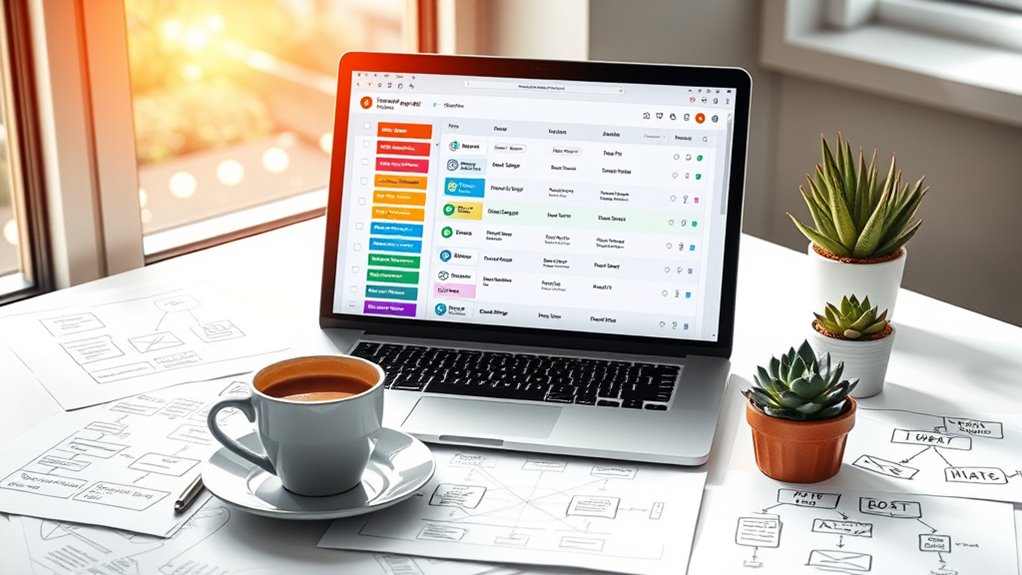
Although managing your inbox can feel overwhelming, mastering advanced techniques like nested labels and multiple filters can greatly streamline your email organization. By implementing nested label strategies, you can create a hierarchy that keeps similar topics together, making it easier to locate important emails. Combine this with multiple filter applications to automate your sorting process.
Here are some tips to enhance your email organization:
- Create main labels for broad categories (e.g., Work, Personal)
- Use nested labels for subcategories (e.g., Work > Projects)
- Set filters to automatically label incoming emails
- Use keywords in filters to catch specific topics
- Regularly review and adjust your labels and filters for efficiency
These techniques will help you maintain a clutter-free inbox effortlessly.
The Long-Term Benefits of an Organized Email Inbox
An organized email inbox not only improves your daily productivity but also offers long-term benefits that enhance your overall digital experience. When you maintain a tidy inbox, you save time searching for important messages, allowing you to focus on critical tasks. This streamlined approach boosts your email productivity, helping you respond faster and manage projects efficiently. Additionally, consistent inbox maintenance prevents the accumulation of unnecessary clutter, making it easier to prioritize and follow up on important conversations. Developing effective email management habits over time can lead to increased efficiency and reduced digital clutter, contributing to a more productive and satisfying work routine. Incorporating smart organization strategies inspired by other successful workflows can further optimize your email management system. With a well-organized inbox, you’ll feel less stressed and more in control, ultimately improving your communication skills. Regularly reviewing and adjusting your filters and labels ensures your system adapts to changing priorities, making your workflow even more effective. Building habits that promote space planning within your digital environment can help you maintain clarity and reduce overwhelm. Over time, these habits contribute to a more effective workflow, leading to greater professional success and satisfaction in your daily tasks.
Frequently Asked Questions
Can I Apply Filters and Labels to Existing Emails?
Yes, you can definitely apply filters and labels to existing emails. First, create a filter based on your criteria, like sender or keywords. Once you’ve set it up, apply it to your existing emails, and they’ll get organized instantly. This makes label organization much easier. You’ll see your inbox transform as those emails get sorted automatically, saving you time in the future and helping you stay organized effortlessly.
Will Filters and Labels Work on Mobile Email Apps?
Yes, filters and labels work on most mobile email apps, making email organization strategies more effective. In fact, studies show that people who use labels are 30% more productive in managing their inboxes. With mobile app functionality, you can easily apply and adjust these filters on the go. This helps you prioritize important messages and keep your inbox tidy, ensuring you never miss essential communications while staying organized.
How Can I Delete or Modify Existing Filters and Labels?
To delete or modify existing filters and labels, start by opening your email settings. Navigate to the filter management section where you’ll see a list of your filters. Select the one you want to change or delete, then follow the prompts to modify it or hit the delete button. For label management, go to the labels section, select the label, and choose to edit or remove it as needed.
Are There Any Limits on the Number of Filters or Labels?
You might wonder if there’s a limit to your organization skills. Fortunately, most email services let you create a substantial number of filters and labels. While the exact number varies, you can typically use hundreds of filtering techniques and label organization methods without hitting a ceiling. This flexibility means you can tailor your email management to suit your needs, ensuring you stay organized and efficient without worrying about running out of options.
Can Filters and Labels Be Shared With Other Users?
You can’t directly share filters with other users, but you can collaborate on labels. When you create a shared label, others can access and use it, making teamwork easier. For filter sharing, you’ll need to manually guide your team on how to set up similar filters. This way, everyone stays organized and on the same page. Embrace label collaboration to enhance productivity, even if filters aren’t shareable.
Conclusion
By implementing email filters and labels, you’re not just organizing your inbox—you’re boosting your productivity. Did you know that the average person spends about 28% of their workweek managing emails? Imagine reclaiming that time by creating a streamlined system! With the right strategies in place, you’ll find it easier to stay focused and efficient. So, take the plunge and start organizing your email today; the benefits will last far beyond your initial effort!