
Running cadence is simply the number of steps you take in a minute while running. It’s key to improving your performance and cutting down injury risks. Most experts recommend aiming for 170 to 180 steps per minute for better efficiency. A higher cadence usually means shorter, quicker steps, which can enhance your running form. Curious about how to measure and improve your cadence? There’s more to explore that can really elevate your running game.

Get the little things that make your day delivered free with Prime
- Fast, free delivery on millions of items
- Prime Video, Amazon Music and more included
- Member-only deals all year
Key Takeaways
- Running cadence is the number of steps taken per minute, crucial for enhancing performance and reducing injury risk.
- An ideal cadence typically falls between 170 to 180 steps per minute for optimal efficiency.
- Higher cadence promotes shorter, quicker steps, improving running form and decreasing joint impact.
- Measuring cadence can be done using apps, GPS watches, or manual counting for better tracking and improvement.
- Adjusting cadence can lead to faster race times, reduced fatigue, and lower chances of common running injuries.
As an affiliate, we earn on qualifying purchases.
What Is Running Cadence and Why Does It Matter?
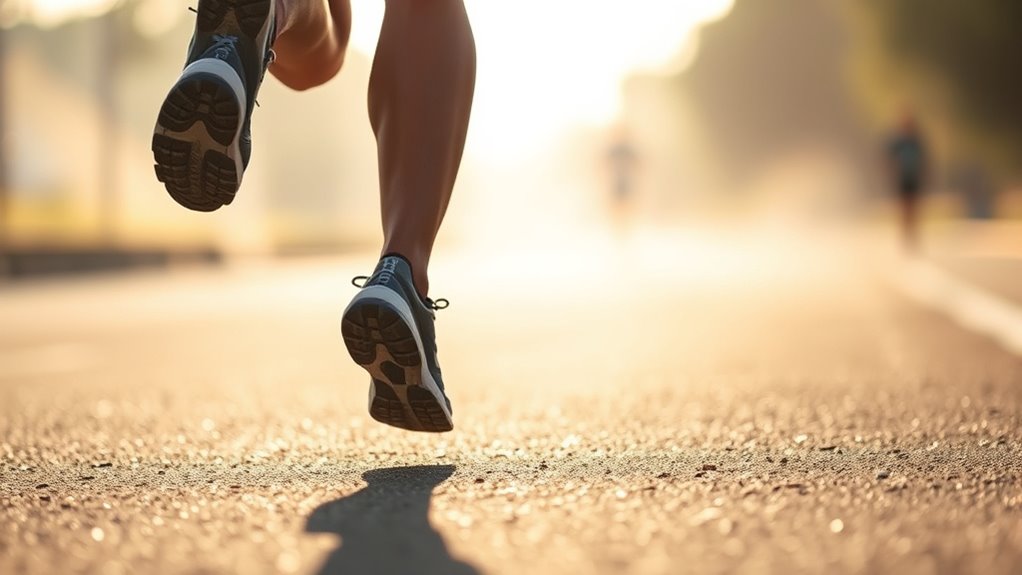
Running cadence refers to the number of steps you take per minute while running, and it plays a crucial role in your overall performance. By focusing on your cadence, you can reap significant cadence benefits, such as improved efficiency and reduced risk of injury. Finding your ideal pace often starts with developing a consistent rhythm in your strides. A higher cadence generally means shorter, quicker steps, which can help you maintain better form and reduce the impact on your joints. As you work on your cadence, you’ll likely notice an increase in speed and a more comfortable running experience. So, pay attention to your steps, and you’ll see how tweaking your cadence can elevate your running game.
As an affiliate, we earn on qualifying purchases.
What Research Says About Ideal Running Cadence?

Research has shown that an ideal running cadence typically falls between 170 to 180 steps per minute for many runners. These research findings suggest that maintaining this cadence can help improve running efficiency and reduce the risk of injury. When you run within this range, you’ll likely experience a smoother stride and better overall performance. It’s essential to recognize that individual factors like height, fitness level, and running style can influence your ideal cadence. However, aiming for this range can serve as a useful guideline. If you find yourself consistently running below this threshold, consider making adjustments to your form or pace. Aspiring for a prime cadence can greatly enhance your running experience and outcomes.
As an affiliate, we earn on qualifying purchases.
How to Measure Your Running Cadence Effectively

How can you effectively measure your running cadence? One of the simplest methods is using a cadence app. These apps track your steps per minute and provide a detailed stride analysis, helping you identify patterns in your running. You can also manually count your footfalls for 30 seconds and multiply by two for an estimate.
| Method | Pros | Cons |
|---|---|---|
| Cadence Apps | Accurate, real-time data | Requires smartphone |
| Manual Counting | No equipment needed | Less precise |
| GPS Watches | Tracks pace too | Battery dependent |
As an affiliate, we earn on qualifying purchases.
How Optimizing Your Cadence Can Boost Performance
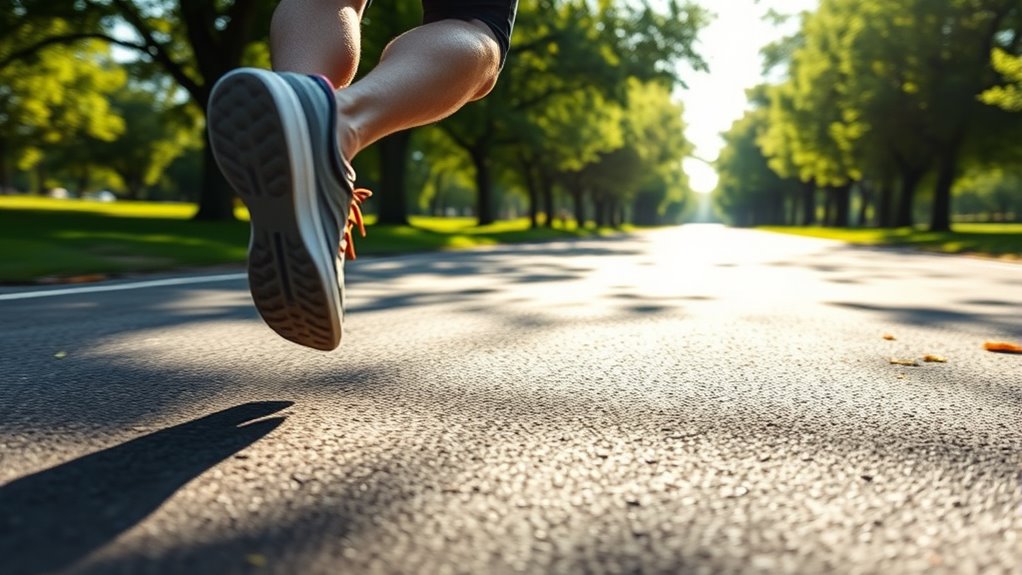
Maximizing your cadence can greatly enhance your running performance, as it helps improve efficiency and reduce the risk of injury. By focusing on maintaining an ideal cadence, you’ll experience significant cadence benefits. A quicker turnover can lead to a more effective stride, minimizing energy waste and allowing you to sustain your pace longer. You’ll also notice improved biomechanics, as a higher cadence encourages better posture and foot strike. This performance enhancement translates to faster race times and less fatigue during your runs. Additionally, by reducing the impact on your joints, you lower your chances of common running injuries. Ultimately, refining your cadence can transform your running experience, making each run smoother and more enjoyable.
Top Mistakes Runners Make That Impact Cadence
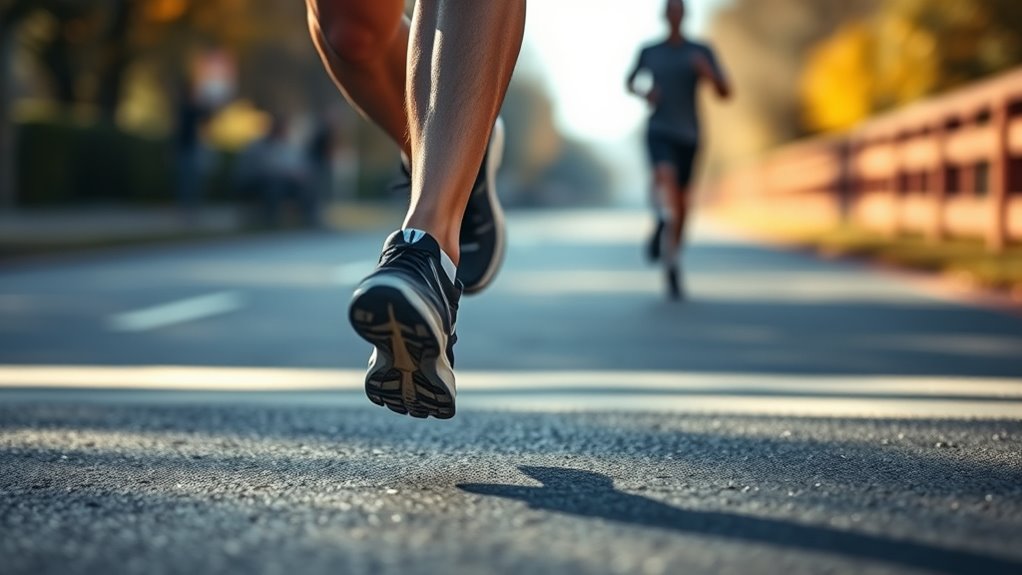
As you work on improving your running cadence, it’s easy to overlook key factors like your foot strike pattern and overstriding. Ignoring these aspects can lead to inefficiencies and even injuries. Let’s explore how these common mistakes can impact your overall running performance.
Ignoring Foot Strike Pattern
While many runners focus on their cadence, they often overlook the importance of their foot strike pattern. Your foot strike greatly impacts running efficiency. If you land too heavily on your heels or toes, it can disrupt your cadence and lead to unnecessary energy expenditure. A midfoot strike tends to be more efficient, allowing for smoother shifts and better acceleration. By paying attention to how your foot strikes the ground, you can improve your overall performance. Experiment with different foot strikes during training to see what feels best for you and enhances your cadence. Remember, a harmonious relationship between cadence and foot strike can lead to better endurance and faster times on the track or trail. Incorporating connected fitness technology can help you analyze and optimize your running form more accurately.
Overstriding During Running
Overstriding can greatly hinder your running cadence, leading to inefficiencies and potential injuries. When you overstride, your foot lands too far in front of your body, increasing braking forces and wasting energy. This misstep can negatively impact your overall pace and create unnecessary strain on your joints. The overstriding effects include reduced speed and heightened risk of injuries like shin splints and knee pain. Instead of focusing on a longer stride length, aim for quicker, shorter strides that keep your foot landing beneath your center of gravity. By adjusting your technique, you’ll improve your cadence, enhance your running efficiency, and reduce the risk of injury. Remember, it’s about quality over quantity when it comes to your stride. Incorporating anti-fatigue mats and standing desk gear into your routine can promote better posture and reduce fatigue during training and recovery. Additionally, maintaining proper running posture can help prevent overstriding and improve overall efficiency.
Easy Steps to Improve Your Running Cadence

To improve your running cadence, start by analyzing your current pace and stride. Once you identify areas for change, try incorporating shorter strides to boost your rhythm. You might also find it helpful to run with a metronome or music that matches your desired cadence.
Analyze Your Current Cadence
As you set out to improve your running performance, analyzing your current cadence is an essential first step. Start by conducting a cadence analysis during your next run. Use a running watch or app to track your steps per minute (SPM). Aim for a comfortable 160 to 180 SPM, but remember that everyone’s ideal cadence may vary. Take note of your current measurements; this will give you a baseline to work from. Pay attention to how your body feels at different cadences and adjust accordingly. You might also consider counting your steps for a minute while running at a steady pace. This simple exercise will help you gain insight into your running rhythm and prepare you for further improvements.
Incorporate Shorter Strides
Incorporating shorter strides into your running can greatly enhance your cadence and overall efficiency. By focusing on taking quicker, smaller steps, you’ll reduce the risk of injury and improve your speed. Start by shortening your stride length, aiming for a cadence of around 170-180 steps per minute. This adjustment allows your feet to land beneath your body, promoting better balance and control.
As you practice, pay attention to how shorter strides can feel more natural and less taxing. You might find it easier to maintain a consistent pace without overexerting yourself. Remember, the goal is to create a rhythm that feels comfortable while boosting your performance. With time, you’ll notice improved efficiency and greater enjoyment in your runs.
Use Metronome or Music
Building on the idea of shorter strides, using a metronome or music can further enhance your running cadence. The rhythmic beats help you maintain a consistent pace, making it easier to achieve that ideal stride frequency. Here’s how you can benefit from each option:
| Metronome Benefits | Music Motivation |
|---|---|
| Keeps a steady tempo | Boosts your mood |
| Improves focus on cadence | Helps you push through |
| Offers precise beats | Creates a fun atmosphere |
| Supports cadence adjustments | Inspires longer runs |
Try experimenting with different tempos or your favorite playlists. You’ll find that with a little rhythm, your running cadence will improve, making your runs feel smoother and more enjoyable.
Cadence’s Role in Preventing Injuries
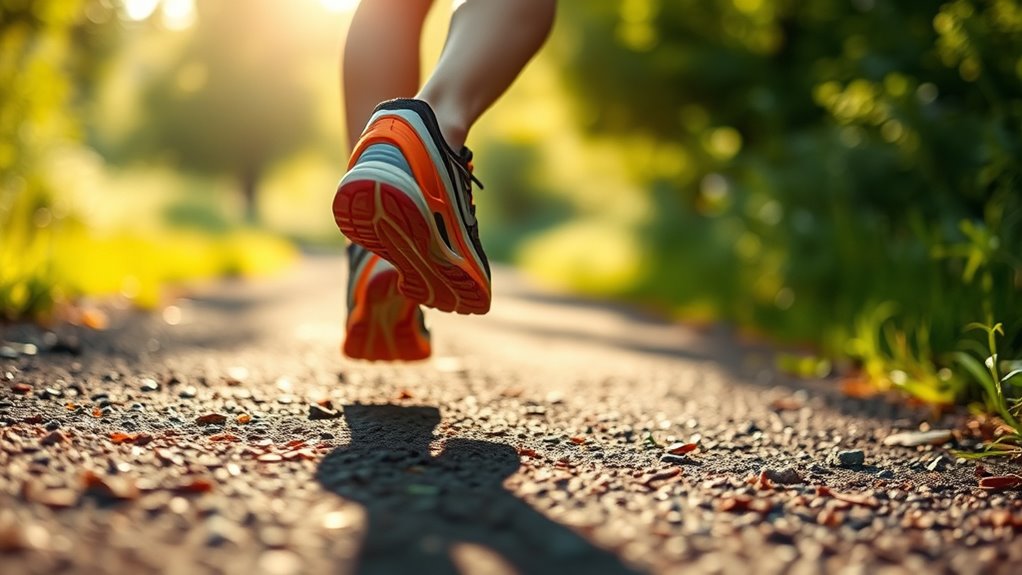
When you pay attention to your running cadence, you’re not just improving your speed; you’re also taking proactive steps to prevent injuries. A higher cadence helps reduce the impact on your joints by encouraging shorter, quicker steps. This adjustment in your running form can minimize the risk of common injuries like shin splints or runner’s knee. Through biomechanics analysis, you can identify your natural stride pattern and make necessary tweaks to align your movements better. By focusing on cadence, you optimize your running mechanics and distribute your body weight more evenly, thereby enhancing your overall stability. Ultimately, a mindful approach to cadence not only boosts performance but also serves as a key element in your injury prevention strategy.
Tools and Resources for Tracking Your Running Cadence
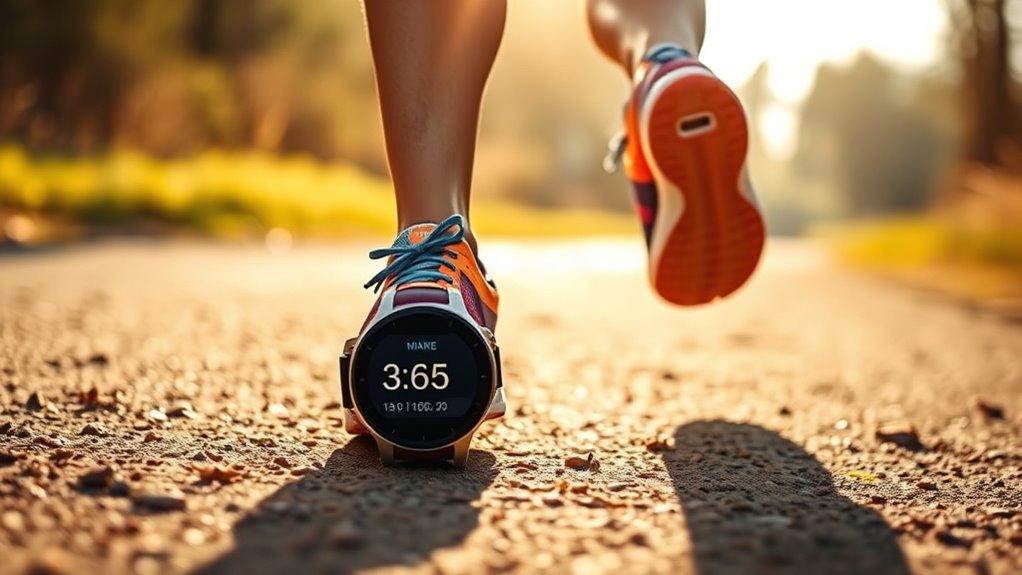
To effectively monitor your running cadence, leveraging technology can make a significant difference in your training. Various cadence apps are available that offer real-time feedback on your steps per minute, helping you stay on track. Look for apps that feature customizable settings and provide historical data so you can see your progress over time. Additionally, consider using tracking devices like smartwatches or fitness bands. These devices often come equipped with built-in sensors that accurately measure your cadence alongside other metrics, such as heart rate and distance. By combining cadence apps and tracking devices, you’ll gain valuable insights into your running form, allowing you to make necessary adjustments and improve your overall performance. Incorporating training metrics into your routine helps you understand how your cadence impacts your efficiency and injury risk.
Frequently Asked Questions
Can Running Cadence Vary by Terrain or Environment?
Yes, your running cadence can definitely vary by terrain and environmental factors. When you’re on a flat surface, you might maintain a quicker pace, but rough or uneven terrain could slow you down. Hills require more effort, often leading to a lower cadence. Additionally, wind resistance or altitude can impact your rhythm. Paying attention to these changes helps you adjust your stride and improve your overall running efficiency in different conditions.
How Does Running Cadence Affect Breathing Patterns?
Running cadence directly impacts your breathing patterns by influencing your breathing efficiency. When you synchronize your cadence with your breath, you create a rhythm that helps maximize oxygen intake. For instance, if you match your steps to your inhales and exhales, you’ll find it easier to maintain a steady flow of air, reducing fatigue. By focusing on this cadence synchronization, you can improve your overall performance and endurance during runs.
Is There an Ideal Cadence for Sprinting Versus Distance Running?
Think of your legs as a well-tuned engine. For sprinting, you want a quicker cadence that boosts sprint efficiency, allowing you to explode off the blocks. Aim for 180 steps per minute or more. In contrast, distance running’s a marathon, not a sprint; here, a steadier pace suits your distance strategy, typically around 160-170 steps per minute. Adjust your rhythm, and you’ll find the sweet spot for both sprinting and long runs!
Do Different Shoe Types Influence Running Cadence?
Yes, different shoe types can influence your running cadence. Shoes with flexible soles allow for a more natural foot movement, often leading to a quicker cadence. In contrast, highly cushioned shoes may alter your stride and result in a slower cadence due to their cushioning effect. Experimenting with various shoe types can help you find what feels best, allowing you to optimize your cadence for both comfort and performance during your runs.
Can Age Impact a Runner’s Optimal Cadence?
Yes, age can impact your ideal running cadence. As you age, age-related adaptations and biomechanical changes often affect your stride and rhythm. You might notice a natural shift in your cadence due to decreased muscle elasticity and strength. It’s important to listen to your body and adjust your cadence accordingly, ensuring it feels comfortable and efficient for your current fitness level. Finding that balance can help you maintain your running performance over the years.
Conclusion
Incorporating an ideal running cadence can transform your runs from a slog through molasses to a smooth glide across a sunlit path. Picture yourself effortlessly bounding forward, each step in rhythm, as your heart races with joy. By focusing on your cadence, you not only enhance your performance but also protect your body. So, lace up your shoes, embrace the beat of your feet on the ground, and watch your running journey flourish like a blooming flower in spring.
NFL season / tailgating Picks
team gear
As an affiliate, we earn on qualifying purchases.