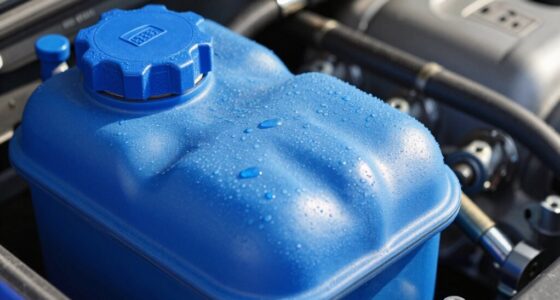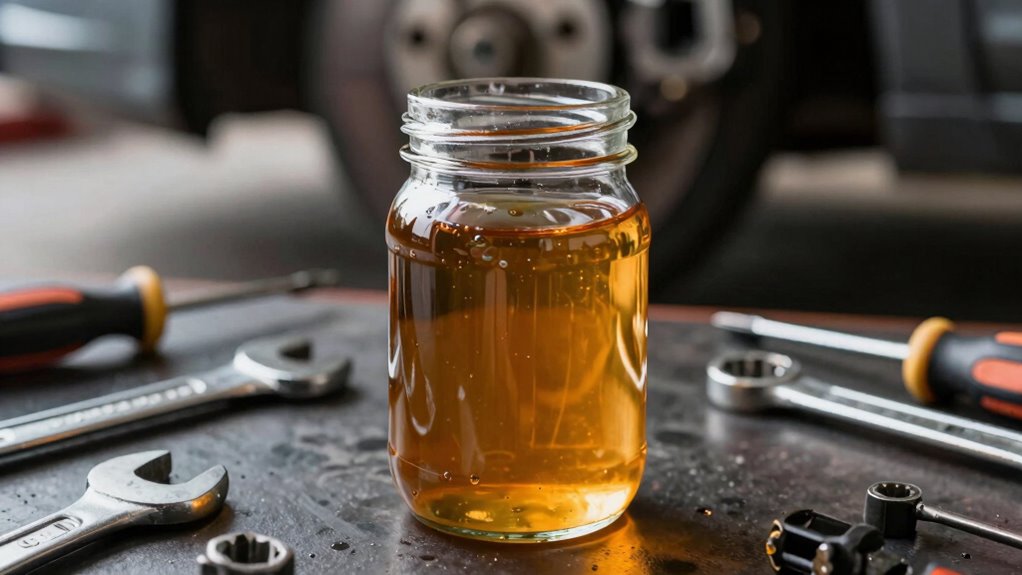

Brake fluid is essential for your vehicle’s braking system, transferring force from the pedal to the brakes. It’s vital for safety, as the right fluid guarantees peak performance and reduces the risk of brake failure. Regular checks help prevent issues like low fluid levels or contamination, which can lead to dangerous situations. Understanding its significance can keep you safe on the road. If you want to know more about brake fluid care, stay tuned for the details ahead.

Get the little things that make your day delivered free — and shop member deals
- Fast, free delivery on millions of items
- Access to Prime Big Deal Days deals on October 6–7
- Prime Video, Amazon Music and more included
Key Takeaways
- Brake fluid is essential for transferring force from the brake pedal to the braking components, ensuring effective stopping power.
- Different types of brake fluid, like synthetic and mineral, have unique properties that affect vehicle performance and safety.
- Regular brake fluid management prevents issues such as decreased braking efficiency and increased risk of brake failure.
- Signs of brake fluid problems, like a spongy pedal or dark fluid, indicate the need for immediate checks and potential replacement.
- Maintaining proper brake fluid levels and using the recommended type is crucial for optimal vehicle safety and reliable performance.
As an affiliate, we earn on qualifying purchases.
What Is Brake Fluid and How Does It Work?
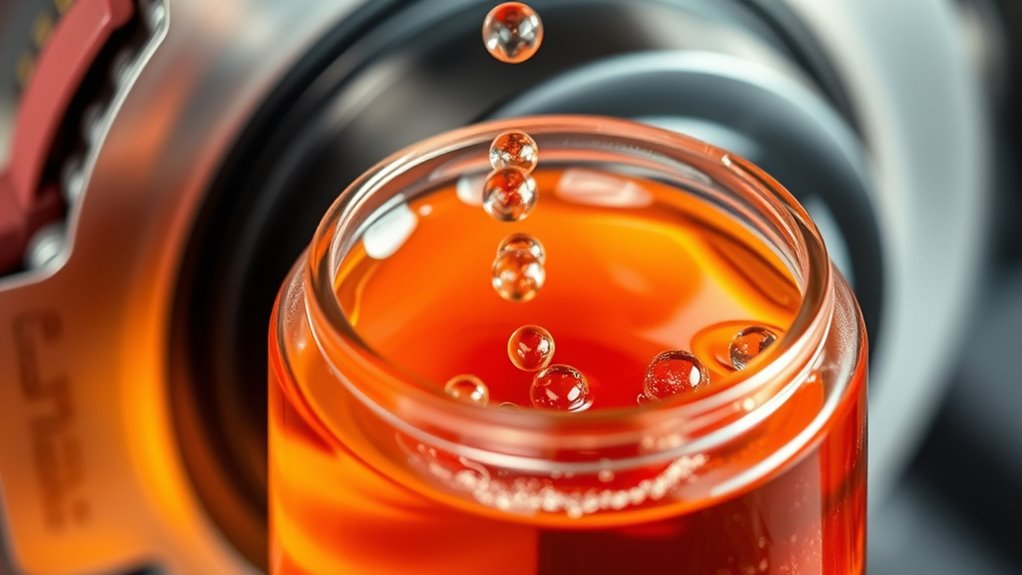
Brake fluid is an essential component of your vehicle’s braking system, working behind the scenes to guarantee safe stops. Its primary role is to transfer force from your foot on the brake pedal to the brake components, allowing your vehicle to slow down or stop effectively. The brake fluid composition typically includes glycol-ether or silicone-based fluids, each designed to withstand high temperatures and resist moisture absorption. This is critical because the hydraulic system relies on the incompressibility of the fluid to function properly. When you press the brake pedal, the fluid’s pressure travels through the lines, activating the brakes at each wheel. This seamless operation guarantees that your vehicle responds promptly when you need to brake, keeping you safe on the road.
As an affiliate, we earn on qualifying purchases.
Which Brake Fluid Should You Use?
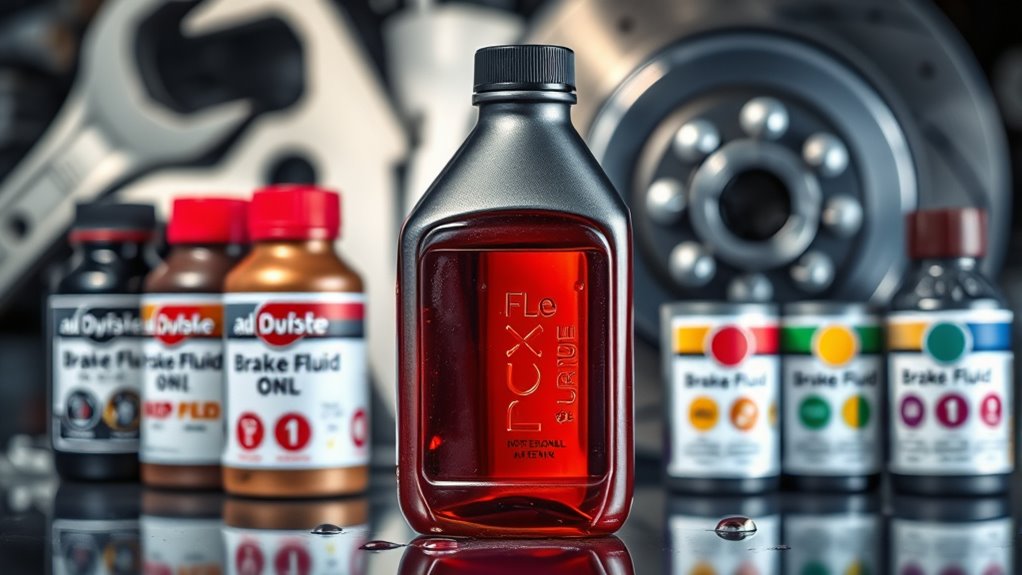
When it comes to choosing brake fluid, you need to understand the different types available and their specifications. Each type has unique properties that can affect your vehicle’s performance and safety. Make sure you select the right one to keep your braking system in top shape.
Brake Fluid Types Explained
Selecting the right brake fluid is crucial for your vehicle’s safety and performance. You’ve got two primary types to take into account: synthetic brake fluid and mineral brake fluid. Each serves different needs, and picking the wrong one can lead to serious issues. Here’s what you should know:
- Synthetic brake fluid offers higher boiling points and better performance in extreme conditions.
- Mineral brake fluid is often used in classic cars but may not handle modern demands well.
- The right fluid helps maintain braking efficiency and safety.
- Choosing wisely can save you from costly repairs and accidents.
Always check your vehicle’s manual to verify you make the best choice for smooth and reliable braking!
Choosing The Right Specifications
Understanding the different types of brake fluid is just the beginning; knowing which specifications to follow is essential for ideal vehicle performance. When selecting brake fluid, always refer to your vehicle’s owner manual. It typically lists the required brake fluid specifications, which can include DOT ratings like DOT 3, DOT 4, or DOT 5.1. Each type has unique properties that affect performance, boiling points, and compatibility with your braking system. For instance, if you’re driving a high-performance vehicle, you might need a fluid with a higher boiling point to prevent vapor lock. Always verify you’re using the correct fluid to maintain safety and efficiency. Remember, using the wrong specifications can lead to brake failure and costly repairs.
As an affiliate, we earn on qualifying purchases.
Signs It’s Time to Change Your Brake Fluid?
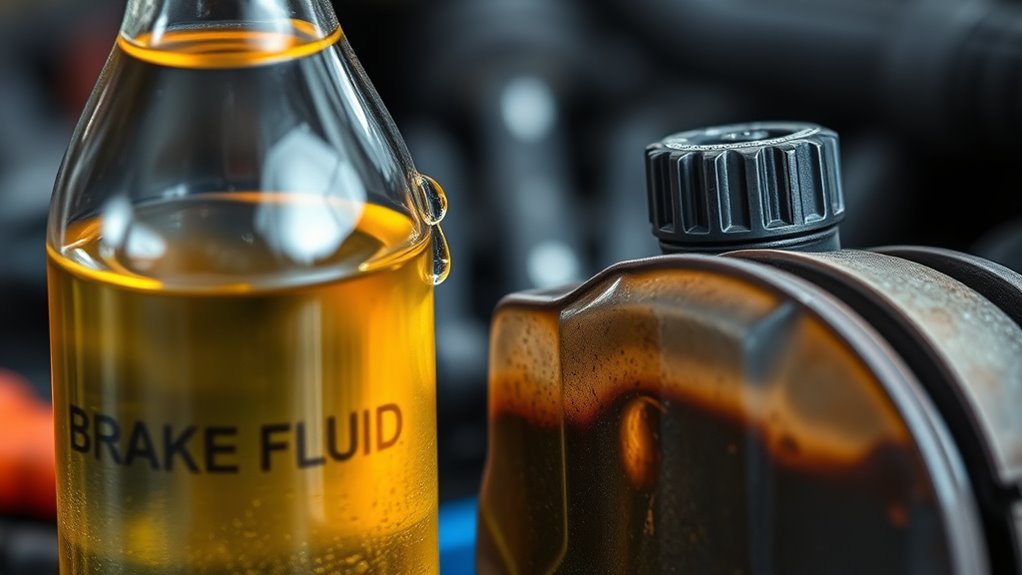
How do you know it’s time to change your brake fluid? Paying attention to brake fluid symptoms is essential for your vehicle’s safety. Here are some signs you shouldn’t ignore:
- Brake Warning Light: If it lights up, it’s a clear signal that something’s wrong.
- Spongy Pedal Feel: A soft brake pedal means your fluid might be contaminated or low.
- Visible Contamination: If your brake fluid looks dark or dirty, it’s time for a change.
- Unusual Noises: Grinding or squeaking sounds when braking could indicate fluid issues.
Following these maintenance tips not only enhances performance but also keeps you safe on the road. Don’t wait—check your brake fluid regularly!
As an affiliate, we earn on qualifying purchases.
What Happens If You Don’t Change Brake Fluid?
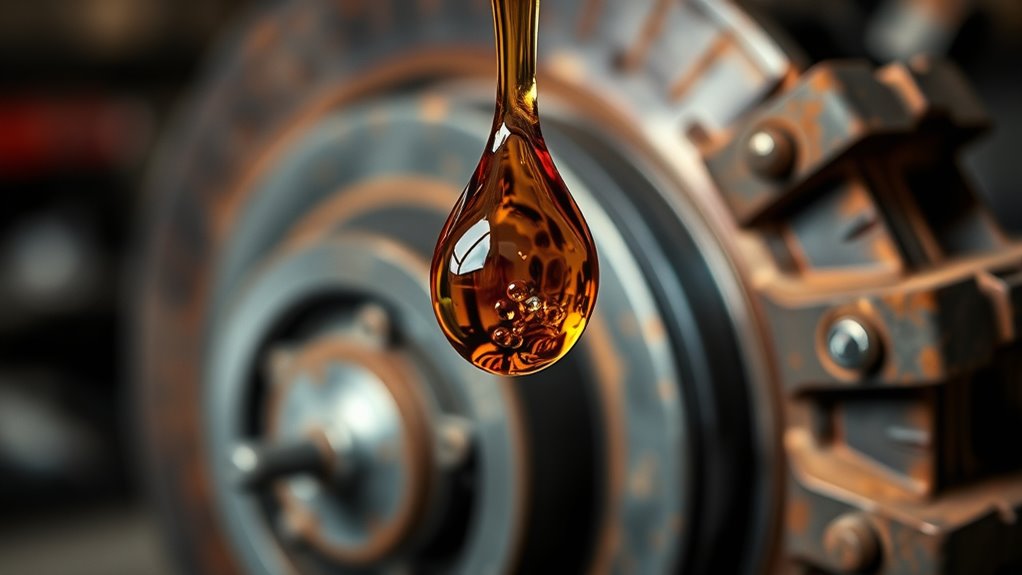
If you neglect to change your brake fluid, you risk serious consequences for your vehicle’s braking system. Over time, brake fluid degradation occurs, leading to decreased performance and responsiveness. As the fluid ages, it can absorb moisture from the air, which lowers its boiling point. This moisture absorption creates a risk of vapor lock, where the fluid can vaporize under heat, causing your brakes to fail temporarily. Additionally, contaminated fluid can corrode internal brake components, resulting in costly repairs. Ignoring brake fluid maintenance not only jeopardizes your safety but also compromises the overall integrity of your brakes. Regularly changing your brake fluid is crucial to guarantee peak performance and longevity of your braking system.
Checking and Maintaining Brake Fluid
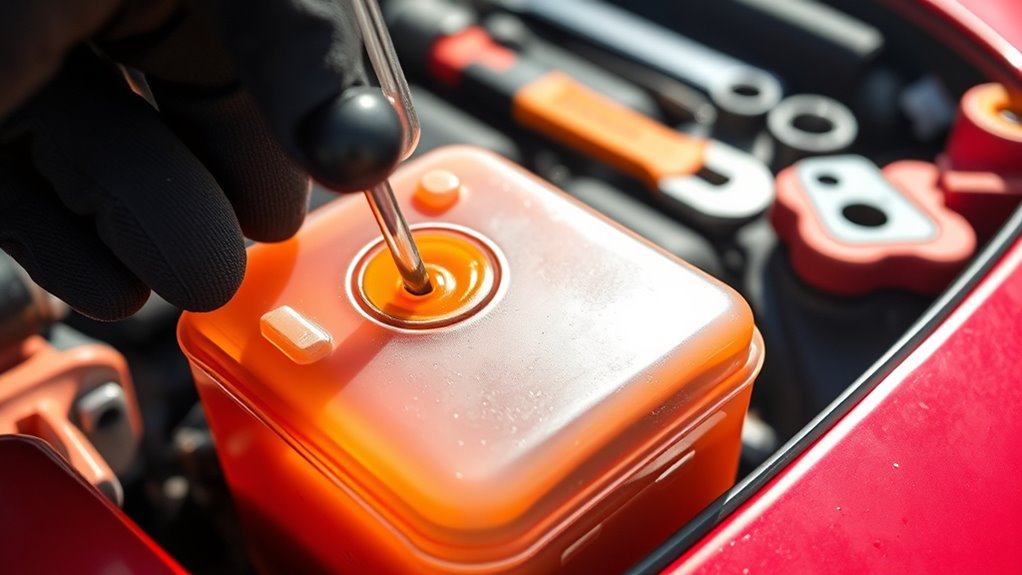
Maintaining proper brake fluid levels is essential for guaranteeing your vehicle’s braking system functions effectively. Regular brake fluid inspection and fluid level maintenance can save you from dangerous situations on the road. Here’s how to keep your brake fluid in check:
Proper brake fluid levels are crucial for safe driving; regular checks can prevent dangerous situations on the road.
- Check fluid levels monthly to catch any potential leaks early.
- Inspect fluid color and clarity; dark, murky fluid indicates contamination.
- Look for moisture in the reservoir; this can lead to brake failure.
- Replace fluid according to your manufacturer’s guidelines to guarantee peak performance.
Debunking Common Misconceptions About Brake Fluid
When it comes to brake fluid, there are several misconceptions that can lead you astray. You might think that brake fluid never degrades or that all fluids are interchangeable, but that’s simply not true. Plus, adding more fluid doesn’t actually enhance your braking performance, so let’s clear up these myths.
Brake Fluid Never Degrades
While many believe that brake fluid is immune to degradation, this misconception can lead to serious safety issues. Brake fluid doesn’t last forever; it can degrade over time due to heat and moisture exposure. This degradation can weaken your braking system’s performance and increase the risk of accidents. Here are some vital points to take into account:
- Fluid contamination can introduce air bubbles, leading to a spongy brake feel.
- Moisture absorption lowers the boiling point, risking brake failure during hard stops.
- Aging fluid can corrode internal components, resulting in costly repairs.
- Neglecting regular checks can compromise your vehicle’s safety, putting you and others at risk.
Stay informed and check your brake fluid regularly to guarantee your safety on the road.
All Fluids Are Interchangeable
Many drivers mistakenly believe that all brake fluids are interchangeable, but this can lead to serious problems. Different vehicles require specific types of brake fluid based on their design and materials. Using the wrong fluid can cause issues like corrosion, reduced performance, and even brake failure. It’s important to understand fluid compatibility; not all fluids have the same chemical properties or boiling points. This misunderstanding stems from common fluid myths that suggest any fluid will work in any system. To guarantee your brakes function correctly, always check your vehicle’s manual and use the recommended brake fluid. Remember, proper fluid selection is vital for safe driving and maintaining your vehicle’s braking system. Don’t let fluid myths jeopardize your safety on the road.
More Fluid Equals Better Braking
Just because you might think that adding more brake fluid will enhance your braking performance doesn’t mean it’s true. In fact, overfilling your brake reservoir can lead to serious issues. Maintaining the right fluid levels is crucial for ideal brake performance. Here are a few reasons why more isn’t always better:
- Pressure Problems: Excess fluid can create pressure imbalances, affecting braking responsiveness.
- Fluid Contamination: Overfilling invites moisture, which can degrade brake fluid quality.
- Leaking Risk: Too much fluid puts strain on seals, increasing the likelihood of leaks.
- System Damage: Overflowing can damage critical components, leading to costly repairs.
Properly managing brake fluid levels guarantees safety and reliability on the road. Don’t let misconceptions compromise your braking performance!
Frequently Asked Questions
Can I Mix Different Types of Brake Fluid?
You shouldn’t mix different types of brake fluid. Brake fluid compatibility is essential for your vehicle’s braking system to function properly. Each type, like DOT 3, DOT 4, and DOT 5, has distinct properties and mixing them can lead to decreased performance or even brake failure. Always check the specifications in your owner’s manual to guarantee you’re using the right brake fluid type for your car. It’s better to play it safe!
How Often Should I Check My Brake Fluid Level?
You should check your brake fluid level at least once a month—after all, it’s not like you want your brakes to fail like a superhero with a broken cape! Regular brake fluid maintenance can save you from potential disasters. Look for those fluid level indicators on your reservoir; they’ll help you determine if you need to top off. Keeping an eye on it guarantees your brakes are always ready to keep you safe!
What Are the Risks of Using Old Brake Fluid?
Using old brake fluid poses several risks. As brake fluid degrades, it absorbs moisture, which can lead to reduced braking efficiency and potential brake failure. This moisture can also cause corrosion in your brake system, resulting in costly repairs. Additionally, old brake fluid may lower your vehicle’s stopping power, compromising your safety. To avoid these risks, you should regularly check and replace your brake fluid according to your vehicle’s maintenance schedule.
Does Brake Fluid Expire or Have a Shelf Life?
Sure, you might think brake fluid‘s like fine wine—getting better with age. But guess what? It actually expires! You should store it properly to avoid contamination. If left open or exposed to moisture, it can absorb water and degrade. Generally, it’ll last about two years if sealed and kept in a cool, dry place. So, don’t wait for a brake fluid vintage; check those dates and keep your ride safe!
Can Brake Fluid Affect My Car’s Warranty?
Yes, brake fluid can affect your car’s warranty. If you use a fluid that doesn’t meet your manufacturer’s specifications, it could lead to warranty claims being denied. Always check your owner’s manual for the correct type of brake fluid to guarantee compliance. Keeping proper documentation of maintenance and fluid changes can also help protect your warranty, so stay proactive and informed about your vehicle’s needs.
Conclusion
To sum up, understanding brake fluid is essential for your vehicle’s safety and performance. You might think maintaining it is a hassle, but it’s actually a simple task that can save you from costly repairs down the line. By regularly checking and changing your brake fluid, you guarantee your brakes function smoothly, giving you peace of mind on the road. So don’t overlook it—embrace these basics and keep your ride safe and reliable!
Fall Picks
fall essentials
As an affiliate, we earn on qualifying purchases.