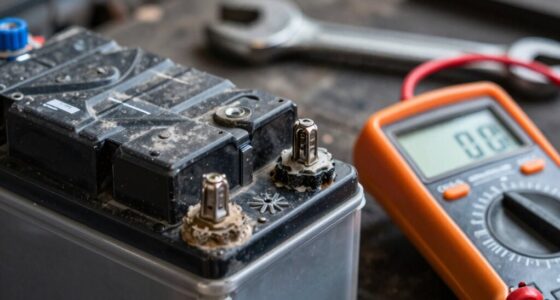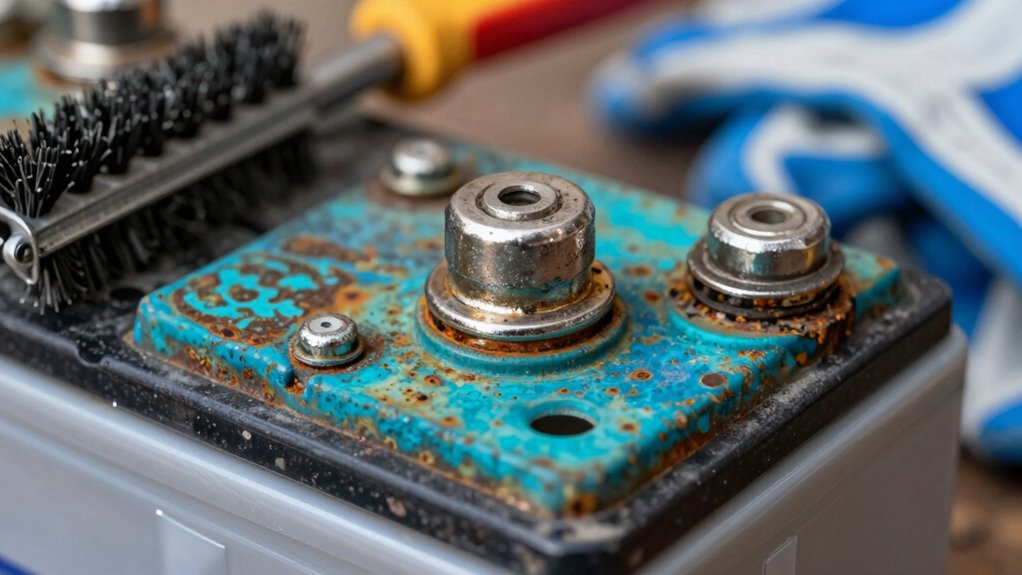
Battery corrosion happens due to chemical reactions inside your battery, creating harmful substances. Factors like temperature and humidity can worsen it. You’ll notice signs like white residue on terminals or difficulty starting your engine. To tackle this, clean terminals with a baking soda solution and secure connections. Regular maintenance is key to preventing corrosion and extending battery life. Want to know more about keeping your battery healthy and when to replace it? Keep exploring further!

Get the little things that make your day delivered free — and shop member deals
- Fast, free delivery on millions of items
- Access to Prime Big Deal Days deals on October 6–7
- Prime Video, Amazon Music and more included
Key Takeaways
- Battery corrosion occurs due to chemical reactions inside, influenced by factors like temperature, humidity, and overcharging.
- Visible white residue around terminals is a key sign of corrosion that can hinder battery performance.
- Regularly clean battery terminals with a baking soda solution to remove corrosion and ensure proper connectivity.
- Apply petroleum jelly to terminals as a moisture barrier and store batteries in cool, dry places to prevent corrosion.
- Replace severely corroded batteries or those with performance issues, and test voltage every six months to monitor health.
As an affiliate, we earn on qualifying purchases.
Understanding Battery Corrosion: Causes and Effects
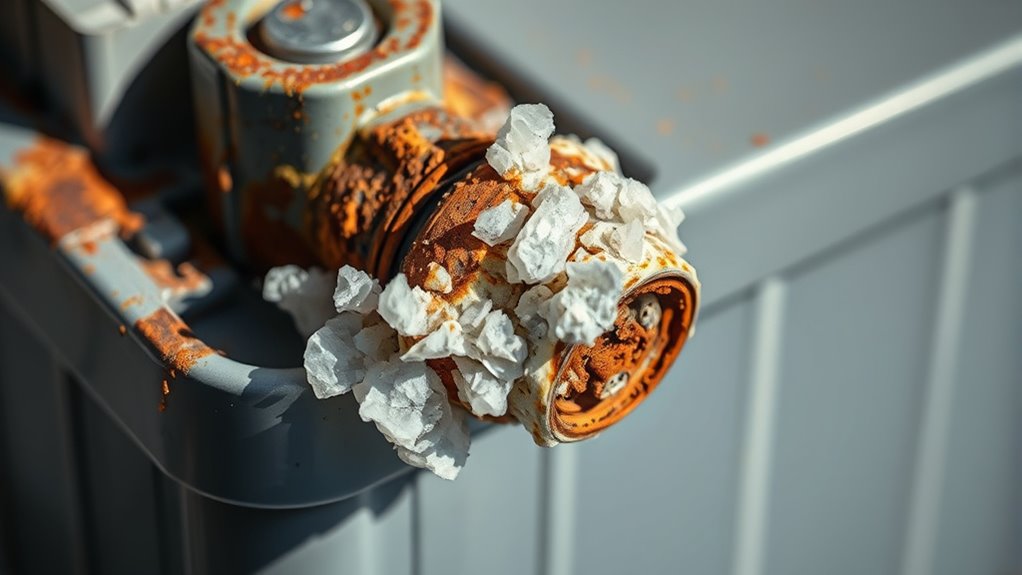
Battery corrosion occurs when chemical reactions inside the battery create a buildup of corrosive substances, and understanding these causes is essential for maintaining your battery’s performance. The battery chemistry involves interactions between the electrodes and electrolyte, which can lead to the formation of corrosion byproducts. Factors like temperature, humidity, and overcharging can exacerbate these reactions, leading to corrosion. To prevent corrosion, you can take proactive steps such as keeping battery terminals clean, ensuring a secure connection, and avoiding overcharging. Regularly inspecting your battery will help you spot potential issues early. By understanding the underlying causes, you can implement effective corrosion prevention strategies, ensuring your battery operates efficiently and lasts longer, ultimately saving you time and money in the long run.
As an affiliate, we earn on qualifying purchases.
Key Signs Your Battery Is Corroded
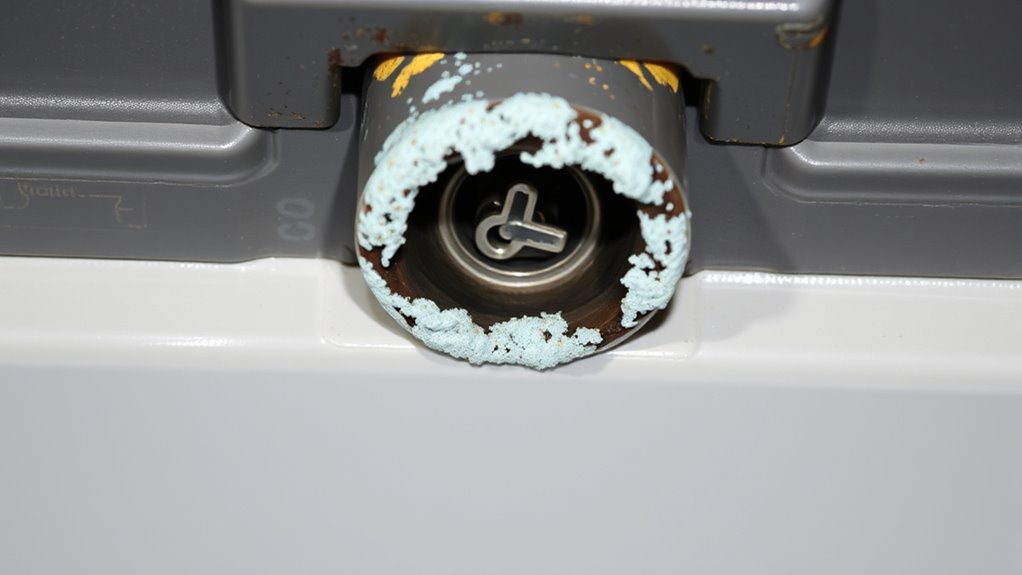
If you notice visible white residue around your battery terminals, it’s a clear sign of corrosion. You might also experience difficulty starting your engine or notice a foul smell coming from the battery area. Recognizing these signs early can help you take action before the situation worsens.
Visible White Residue
One of the most telling signs of battery corrosion is the appearance of a visible white residue. This substance typically forms around the battery terminals and can range from a powdery substance to a crusty buildup. If you notice this residue, it’s a clear indicator that your battery needs attention. The white residue is often the result of a chemical reaction between the battery’s acid and the metal terminals. Ignoring it can lead to poor connections and reduced battery performance. To address this, you can carefully clean the terminals with a mixture of baking soda and water. Just make sure to disconnect the battery first to avoid any accidents. Keeping an eye out for this visible white residue can save you from bigger issues down the line.
Difficulty Starting Engine
Noticing difficulty starting your engine? This could be a sign of battery corrosion affecting your vehicle’s engine performance. When corrosion builds up on battery terminals, it creates resistance, making it harder for the electrical current to flow. As a result, you may experience slow cranking or even complete failure to start. Regular battery maintenance is essential to prevent these issues. Check your battery for corrosion regularly and clean the terminals if you spot any white or green residue. If you’re still having trouble after cleaning, it might be time to test your battery or replace it altogether. Don’t let a corroded battery leave you stranded; staying proactive can keep your engine running smoothly.
Foul Smell Emitting
When you catch a foul smell coming from your vehicle, it could be an alarming sign of battery corrosion. This foul odor often resembles a strong sulfur smell, which indicates that the battery might be leaking gas. If you notice this unpleasant scent, it’s essential to address the issue immediately. Ignoring it can lead to more severe problems, including battery failure or even a dangerous situation due to potential leaks. Make sure to inspect your battery and connections for any signs of corrosion or damage. If you’re uncertain about how to handle it, don’t hesitate to seek professional help. Taking action now can save you from more extensive repairs down the road.
battery terminal protector petroleum jelly
As an affiliate, we earn on qualifying purchases.
As an affiliate, we earn on qualifying purchases.
Safely Cleaning Corroded Battery Terminals
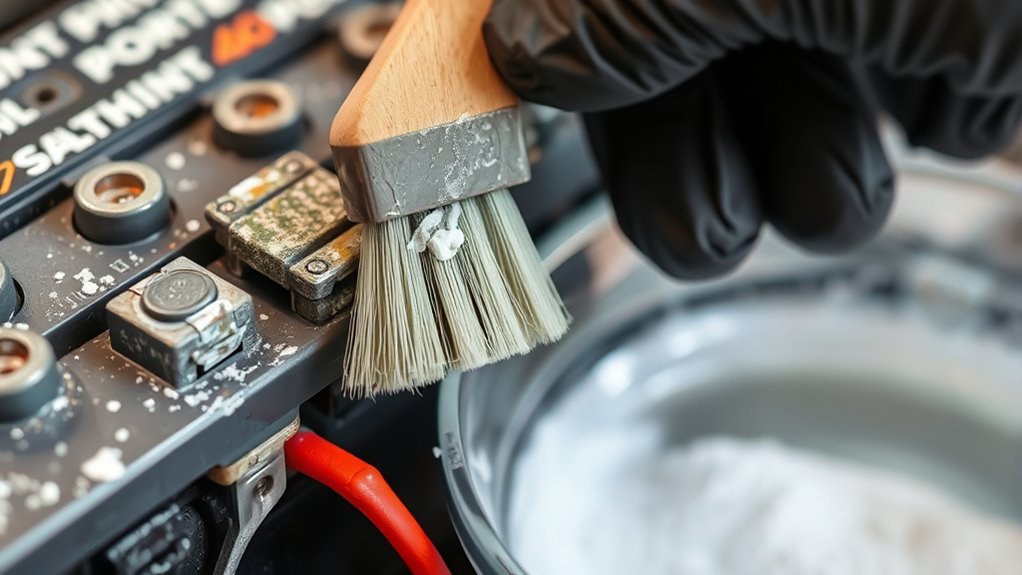
Cleaning corroded battery terminals is an essential step in maintaining your vehicle’s electrical system. To do this safely, you’ll want to follow some important steps and use the right cleaning solutions.
| Step | Action | Safety Precautions |
|---|---|---|
| 1. Disconnect | Remove terminals | Wear gloves and goggles |
| 2. Inspect | Check for damage | Guarantee no flammable materials |
| 3. Apply solution | Use baking soda mix | Work in a well-ventilated area |
| 4. Scrub | Clean with a brush | Avoid touching eyes |
| 5. Reconnect | Attach terminals | Tighten securely |
Following these steps and safety precautions will guarantee you clean the terminals effectively and safely, keeping your vehicle running smoothly.
As an affiliate, we earn on qualifying purchases.
Effective Ways to Prevent Battery Corrosion

To keep your battery in top shape, it’s essential to take proactive steps to prevent corrosion. Regular battery maintenance is vital; check your battery terminals frequently for any signs of corrosion. If you spot any buildup, clean it immediately to avoid further damage. You can also apply a thin layer of petroleum jelly or grease on the terminals after cleaning. This acts as a barrier against moisture and helps with corrosion prevention. Additionally, make certain your battery is securely mounted and that there are no loose connections, as movement can lead to wear and tear. Finally, store your battery in a cool, dry place to minimize exposure to humidity, further enhancing its longevity and performance.
When to Replace a Corroded Battery
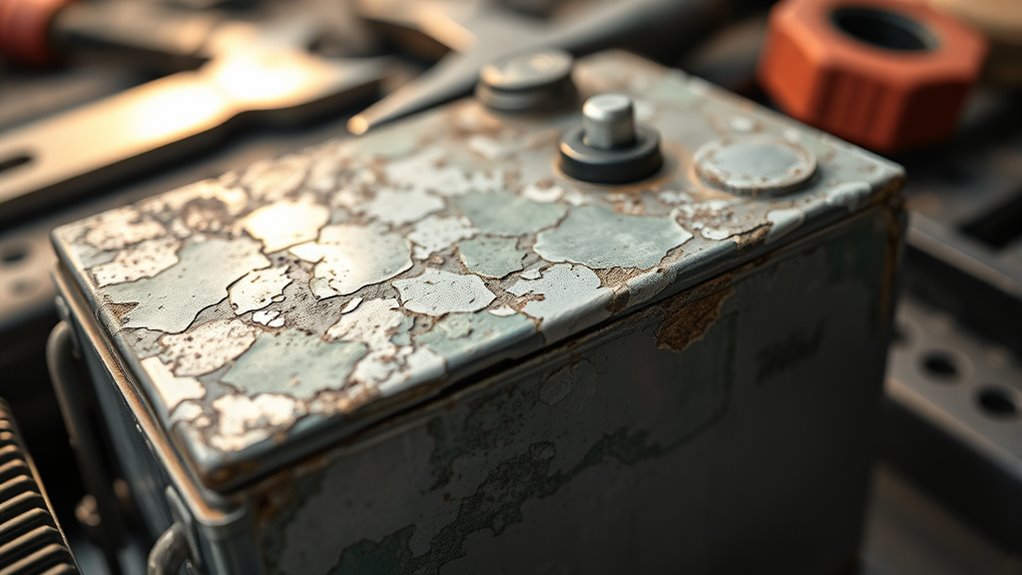
If you notice severe corrosion on your battery terminals, it’s time to assess its performance. Check if your device struggles to start or loses power quickly, as these are signs that replacement may be necessary. Knowing when to replace a corroded battery can save you from unexpected failures down the road.
Signs of Severe Corrosion
While some corrosion on a battery might seem manageable, there are clear signs that indicate it’s time for a replacement. If you notice significant buildup around the terminals or any cracks in the battery casing, you shouldn’t ignore them. Corrosion can spread quickly, impacting battery performance. Additionally, if the battery is leaking any fluid, it’s essential to replace it immediately to avoid further damage. Regular battery maintenance, including inspection and cleaning, can help prevent corrosion, but once it reaches a severe level, replacement is the safest option. Always prioritize your safety and the functionality of your vehicle or device when evaluating corrosion. If you’re unsure, consult a professional to guarantee you’re making the right choice.
Performance Impact Assessment
Evaluating the performance impact of a corroded battery is essential for maintaining the reliability of your vehicle or device. Corrosion can greatly affect battery efficiency, leading to decreased performance. If you’re experiencing issues like slow starts or dim lights, it might be time to assess the corrosion impact on your battery.
| Corrosion Level | Battery Efficiency Impact | Replacement Needed |
|---|---|---|
| Mild | Minimal | No |
| Moderate | Noticeable | Possibly |
| Severe | Substantial | Yes |
| Extreme | Critical | Immediate |
Keep an eye on your battery’s condition. If corrosion seems severe, consider replacing it to guarantee peak performance and avoid unexpected failures.
Replacement Timing Guidelines
Recognizing when to replace a corroded battery is key to ensuring your vehicle or device runs smoothly. Generally, a battery’s lifespan is around three to five years, but corrosion factors can shorten that considerably. If you notice excessive corrosion, it’s a sign your battery’s performance is compromised. You should consider replacement if you see any green or white residue around the terminals or if your vehicle struggles to start. Additionally, if your battery is more than three years old and shows signs of corrosion, it’s wise to replace it proactively. Regular checks can help you catch issues early, preventing further damage and ensuring your device or vehicle continues to function reliably. Don’t wait until it fails!
Additional Tips for Maintaining Battery Health
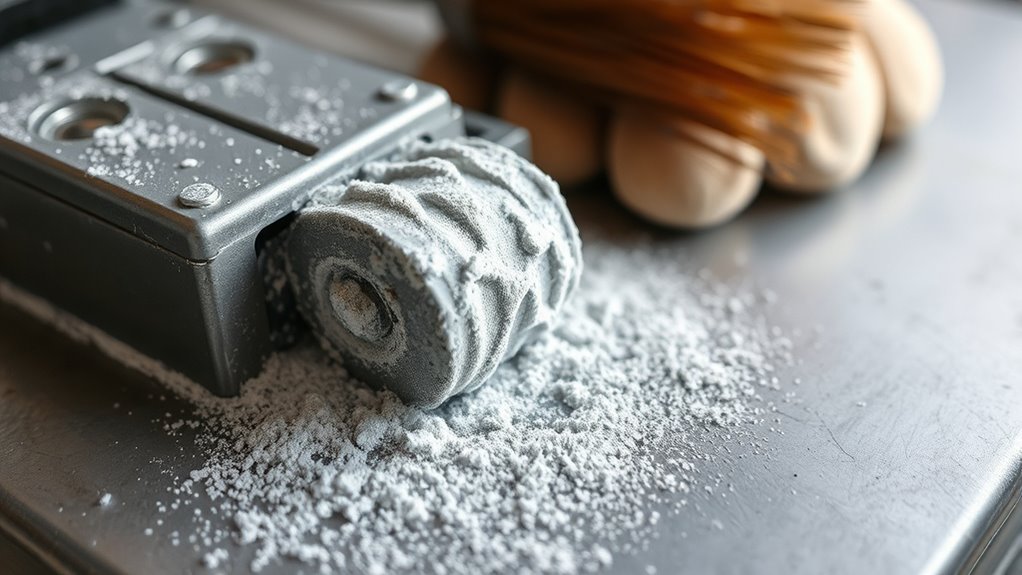
To keep your battery in top shape, regular maintenance is key. Start with periodic terminal inspection to guarantee connections are clean and free from corrosion. Here are some quick tips to enhance your battery health:
| Maintenance Task | Frequency |
|---|---|
| Clean battery terminals | Every 6 months |
| Check fluid levels | Monthly |
| Inspect cables | Every 3 months |
| Test battery voltage | Every 6 months |
| Replace worn connections | As needed |
Frequently Asked Questions
Can Battery Corrosion Affect Vehicle Performance?
Yes, battery corrosion can greatly affect your vehicle’s performance. When corrosion builds up around the battery terminals, it creates a barrier that interrupts the electrical connection, leading to reduced battery performance. You might experience issues like difficulty starting your car or dimming lights. Regularly checking for corrosion and cleaning the terminals can help maintain ideal battery performance, ensuring your vehicle runs smoothly and efficiently. Don’t let corrosion hinder your vehicle’s reliability!
Is Corrosion More Common in Certain Climates?
Yes, corrosion is definitely more common in certain climates. High humidity levels can accelerate the corrosion process, as moisture promotes chemical reactions on battery terminals. If you live in a humid area, you might notice corrosion more frequently, affecting your vehicle’s performance. On the other hand, dry climates might reduce corrosion risks, but temperature fluctuations can still play a role. Keeping an eye on your battery’s condition is essential, regardless of your climate.
How Often Should I Check for Battery Corrosion?
You should check for battery corrosion at least once every few months as part of your regular battery maintenance routine. If you live in a humid or harsh climate, consider checking more frequently. Keeping an eye on your battery helps with corrosion prevention, ensuring peak performance and extending its lifespan. If you notice any buildup, clean it off promptly to avoid potential issues down the line. Regular checks can save you headaches later!
Can I Use Baking Soda to Clean Battery Corrosion?
Absolutely, you can use baking soda for corrosion removal! Think of it as a magic eraser for your battery. Just mix a tablespoon of baking soda with water to create a paste. Apply it to the corroded areas, letting it work its wonders. The fizzing reaction will tackle that pesky corrosion. Rinse it off with water afterward, and you’ll see your battery terminals shining like new, ready to power up again!
What Types of Batteries Are Prone to Corrosion?
Lead acid batteries and alkaline batteries are both prone to corrosion. If you’re using lead acid batteries, you might notice corrosion around the terminals due to the sulfuric acid inside. Alkaline batteries can also develop corrosion, particularly if they leak potassium hydroxide. Regularly checking your batteries can help you spot corrosion early, allowing you to clean and maintain them before more serious issues develop. Remember, prevention is key to prolonging battery life!
Conclusion
By understanding battery corrosion, recognizing its signs, and taking proactive steps, you can keep your battery healthy and reliable. Clean those terminals, prevent future issues, and replace when necessary. Think of it like caring for a plant: water it, prune it, and watch it thrive. Your battery deserves the same attention. With a little effort, you can guarantee your battery powers your devices smoothly and efficiently, giving you peace of mind and uninterrupted usage.
Fall Picks
fall essentials
As an affiliate, we earn on qualifying purchases.